



Antique Velvet Footstool
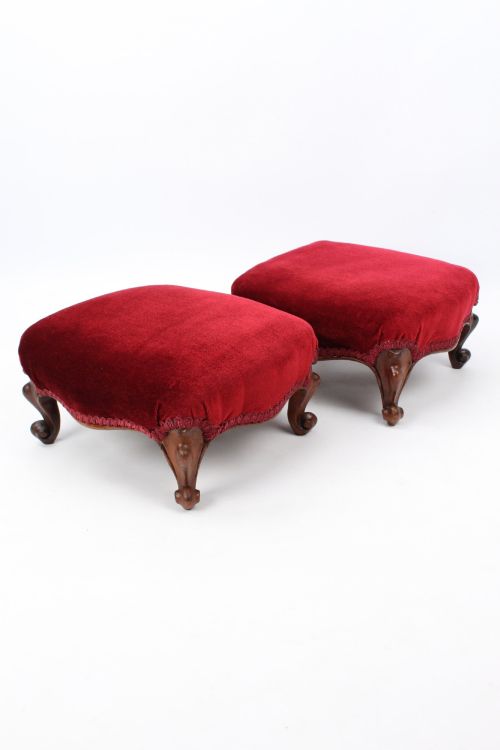
An antique velvet footstool brings tactile luxury to a room, offering a low seat or rest upholstered in plush pile.
Antique Velvet Footstool
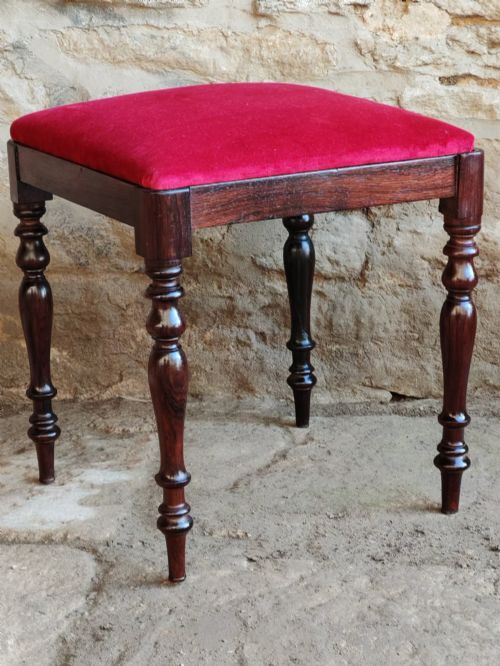
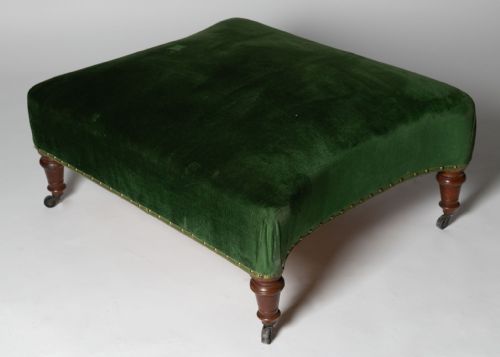
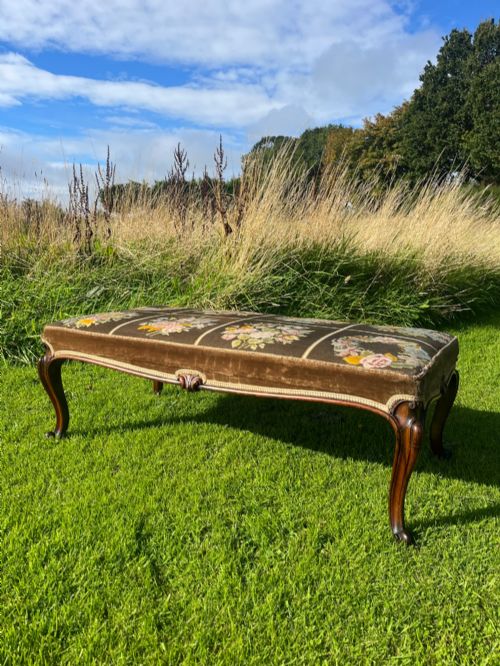
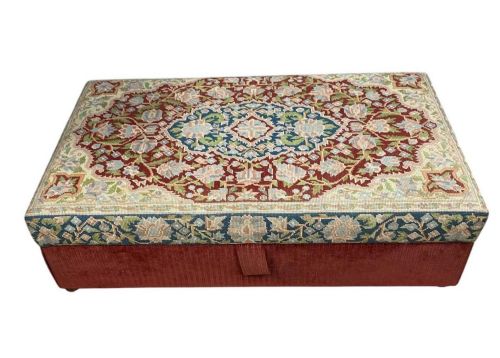
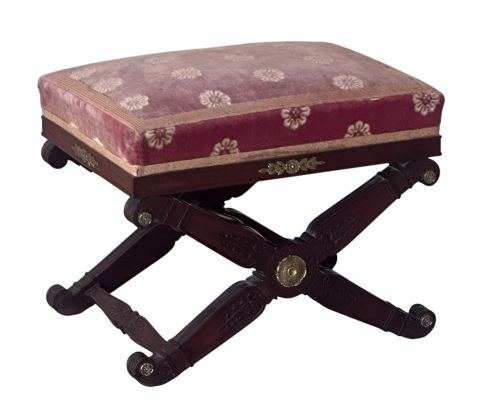
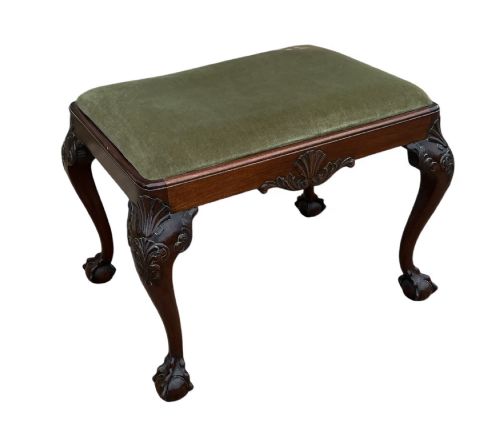
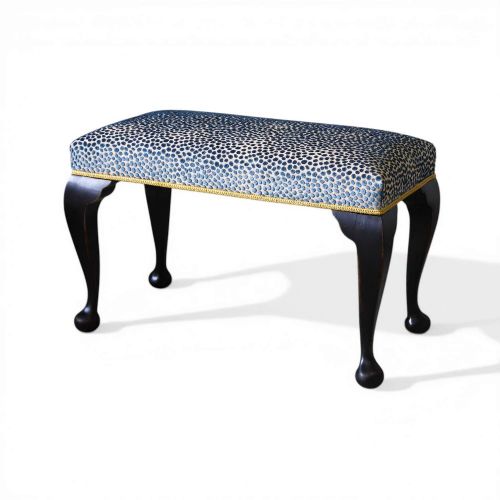
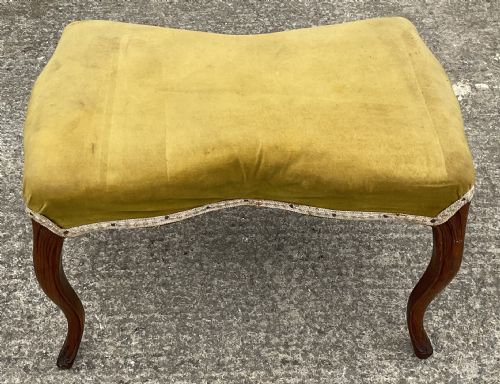
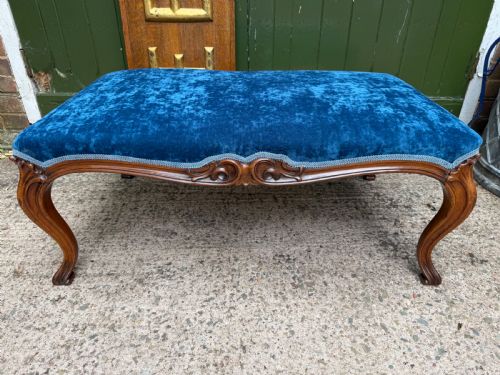
When you search for an antique velvet footstool, you encounter a variety of low seating forms designed for comfort and utility across different historic eras. The selection spans compact Victorian footstools, longer Regency ottomans, and Georgian dressing table stools, frequently upholstered in rich fabrics.
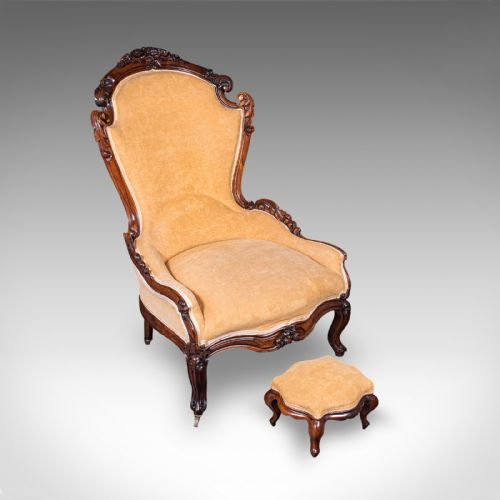
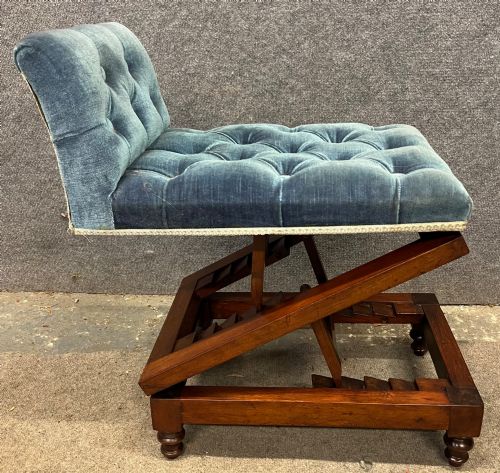
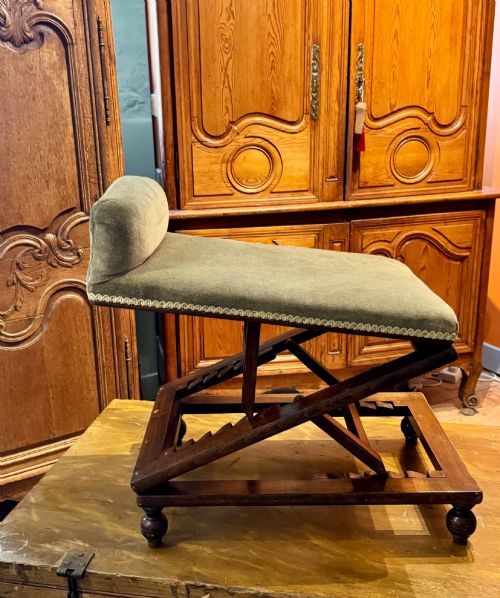
Victorian walnut and mahogany frames dominate the current offerings, often featuring carved details or buttoned upholstery. You also find specialised pieces such as revolving piano stools and adjustable gout stools alongside larger centre stools and window seats.
Materials and construction
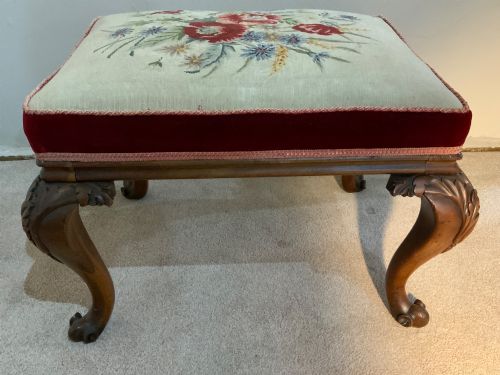
Makers utilised dense timbers like mahogany, walnut, rosewood, and oak to build sturdy frames that support the upholstered upper sections. Turned legs, cabriole supports, and carved wooden detailing demonstrate the prevailing cabinet-making techniques of the nineteenth and early twentieth centuries.
Textiles such as velvet, tapestry, and needlepoint cover the padded seats, sometimes affixed over traditional stuffing materials. Brass castors, lions paw feet, and inlaid accents complete the construction of finer examples.
Antique Velvet Footstool Retail Price Guide 2026
Typical asking prices for velvet footstool among the pieces listed under this phrase on Sellingantiques today, from the lower quarter to the upper quarter. They describe what is for sale here now, not the wider market.
Listings feature velvet footstools spanning the Georgian, Regency, Victorian, and Edwardian periods, constructed in mahogany, walnut, rosewood, and oak.
Factors determining quality
The sophistication of the timber carving and the elegance of the frame proportions set finer pieces apart from standard utility items. A well-drawn silhouette with harmonious lines indicates superior craftsmanship during the design phase.
The integrity of the frame construction and the quality of the textile upholstery dictate the overall standard of preservation. Pieces retaining original decorative elements and substantial hardwood frames occupy the upper tier of the range.
Hallett & Sons·James Shoolbred
The Antique Velvet Footstool Glossary
- Ottoman
- A low upholstered seat or bench without a back or arms, often built with internal storage. These pieces function as footrests or casual seating in reception rooms.
- Gout stool
- An adjustable footstool designed to elevate and support a foot afflicted by gout or stiffness. They typically feature a ratcheted mechanism to alter the angle of the rest.
- Centre stool
- A freestanding stool designed to be viewed from all sides rather than placed against a wall. They are frequently larger in scale and occupy the middle of a room.
- Piano stool
- A seat designed for use at a keyboard instrument, frequently featuring a revolving top or adjustable height mechanism. Early examples often incorporate mahogany or rosewood frames.
- Giltwood
- Wood that has been treated with gold leaf or gold paint to create a lustrous metallic finish. This decorative technique appears on ornamental French and Victorian salon furniture.
Antique Velvet Footstool: Frequently Asked Questions
What is an antique velvet footstool used for?
These low seats function primarily as footrests, window seats, or auxiliary places to sit in drawing rooms and bedrooms. Larger variations like ottomans also provide a surface for resting feet or holding textiles.
Specialised forms such as piano stools and gout stools served specific domestic tasks involving posture and comfort. Their modest height makes them versatile additions to various living spaces.
How do I date an antique velvet footstool?
Dating relies on observing the prevailing wood, decorative style, and construction methods characteristic of different periods. Georgian and Regency pieces display restrained classical lines, whereas Victorian examples often feature heavier carved walnut or mahogany frames and buttoned upholstery.
Later Edwardian versions introduce inlaid decoration and ebonised finishes. Comparing the timber species and leg profiles against established historic styles helps confirm the era of manufacture.
Are velvet footstools durable enough for daily use?
Historic frames built from hardwoods like mahogany and walnut possess substantial structural integrity capable of supporting daily weight. The underlying joinery on these pieces was designed to withstand regular domestic service.
However, the longevity of the velvet upholstery depends on its condition and whether it has been recently renewed. Gentle care ensures these textile surfaces remain resilient in modern interiors.
Where should I place a footstool in a room?
Footstools sit comfortably in front of armchairs or sofas to provide leg support during relaxation. Centre stools find purpose in the middle of larger spaces or dressing rooms as freestanding decorative elements.
Window seats and smaller ottomans fit neatly beneath windows or against empty wall spaces. Their compact footprint allows them to move easily between different rooms as needed.