

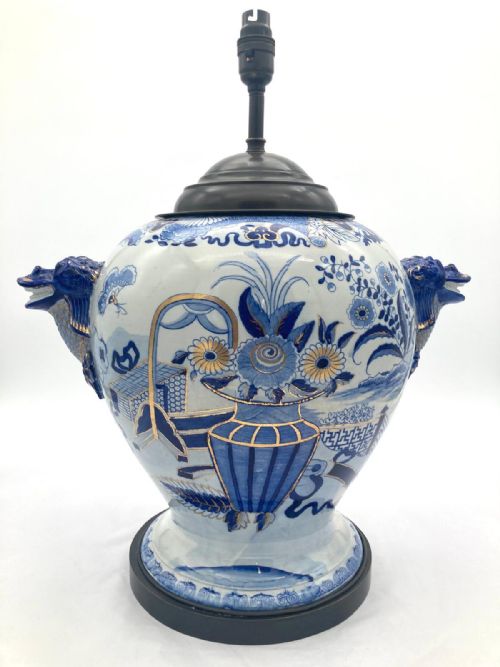

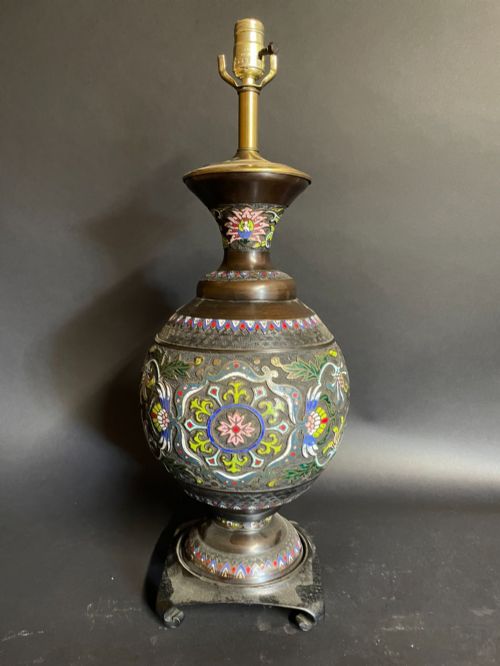


Antique Vase Lamp Base
An antique vase lamp base brings historic ceramic and metal vessels into modern interiors as functional lighting.
Antique Vase Lamp Base
An antique vase lamp base transforms older vessels, predominantly from Asian and European traditions, into fitted table lighting. These conversions utilise historic bodies such as Chinese porcelain, Japanese bronzes, and Dutch delftware.
The selection here draws heavily on nineteenth-century Chinese ceramics, including blue and white porcelain, celadon, and famille rose pieces. Alongside these sit Japanese Satsuma and Arita wares, plus eighteenth-century European pottery.
Many items take the form of table lamps utilising ginger jars, twin-handled vessels, or baluster vases. They span periods from the eighteenth century through to the early twentieth century, incorporating Victorian and Regency examples.
How they were made
Makers formed the foundational bodies from porcelain, earthenware, ironstone, and bronze, often decorating them with hand-painted glazes, cloisonné enamel, or crackleware effects. These methods reflect centuries of ceramic tradition in China, Japan, and Europe.
Conversion into lighting involved mounting the vases with brass or ormolu fittings, securing the body without destroying the historic ceramic or metal surface. Silk and fabric shades completed the assembly during later adaptation.
Listings feature eighteenth- and nineteenth-century ceramic and bronze bodies, including Japanese Satsuma and Chinese celadon wares.
What varies in quality
The distinction between tiers rests on the fineness of the hand-painting, the crispness of the porcelain or bronze casting, and the integration of the metal mounts. Superior examples display precise glaze work and harmonious proportions between vessel and fitting.
Condition and originality also divide the range, separating untouched antique bodies with period mounts from later adaptations. The depth of the colour, the complexity of styles like Chinoiserie, and the integrity of the base material determine the standing of each piece.
Hicks and Meigh·Samuel Alcock
The Antique Vase Lamp Base Glossary
- Celadon
- A pale green glazed ceramic originating in East Asia. The subtle jade-like tone results from iron oxide in the glaze firing in a reducing atmosphere.
- Cloisonné
- An enamel technique where metal wire forms compartments on a bronze or copper base. Artisans fill these cells with coloured paste before firing and polishing.
- Famille Rose
- A palette of opaque enamels dominated by pink, introduced to Chinese porcelain during the Qing dynasty. This polychrome style allowed for delicate floral and figural painting.
- Imari
- A type of Japanese porcelain decorated in underglaze blue and overglaze red, gold, and green. Arita kilns produced these wares primarily for export to European markets.
- Ormolu
- Gilded bronze used for decorative mounts and fittings on furniture and ceramics. The process involves applying a mercury and gold amalgam to heated bronze.
Antique Vase Lamp Base: Frequently Asked Questions
What is an antique vase lamp base?
An antique vase lamp base is a historic ceramic, bronze, or metal vessel that has been converted into an electric table lamp.
These pieces combine decorative antiques from periods like the eighteenth and nineteenth centuries with functional household lighting.
How do I choose the right shade?
Selecting a shade depends on the scale, colour palette, and decorative style of the underlying ceramic or bronze vase.
Fabric and silk shades are common choices that complement traditional porcelain and cloisonné finishes without overwhelming the base.
Are these lamps rewired for modern use?
Many older lamps undergo rewiring to meet contemporary electrical safety standards while preserving the historic body of the piece.
Buyers should check individual listings to confirm the current wiring status of each lamp.