
Antique Vanity Footstool
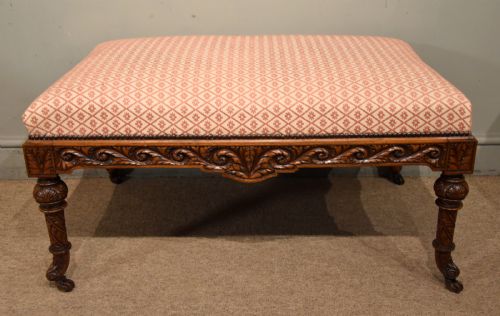
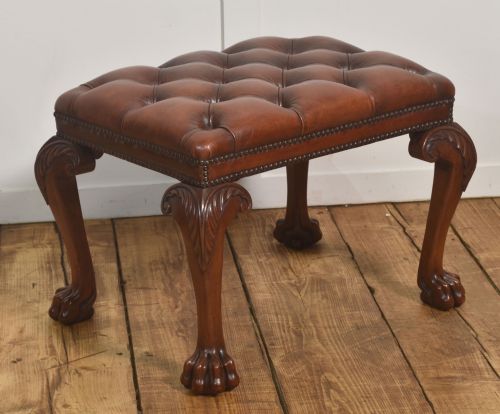
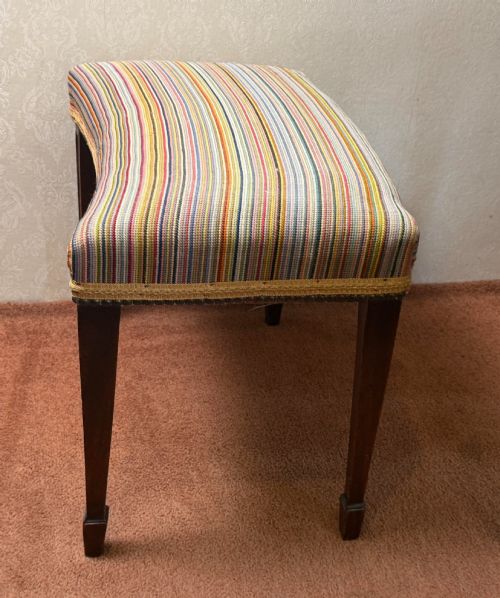
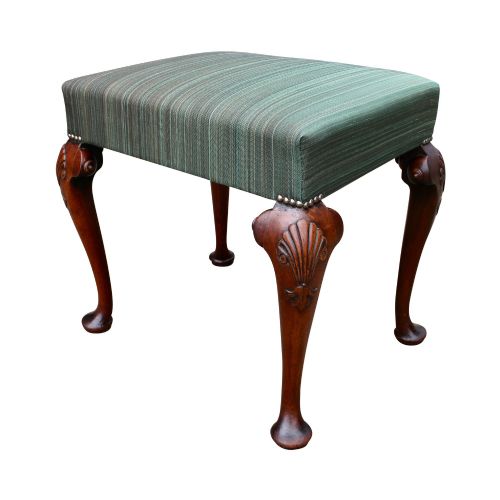
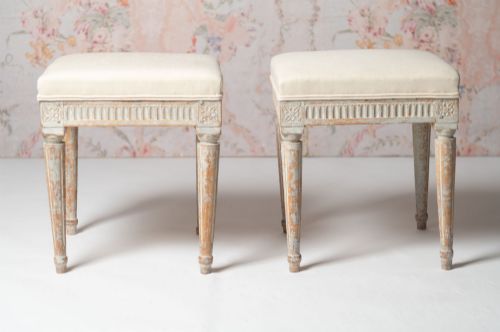
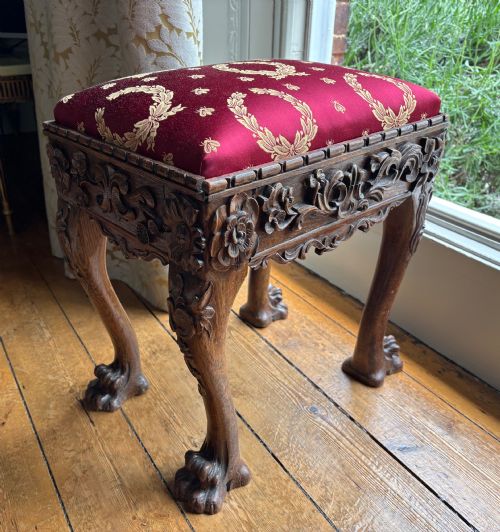
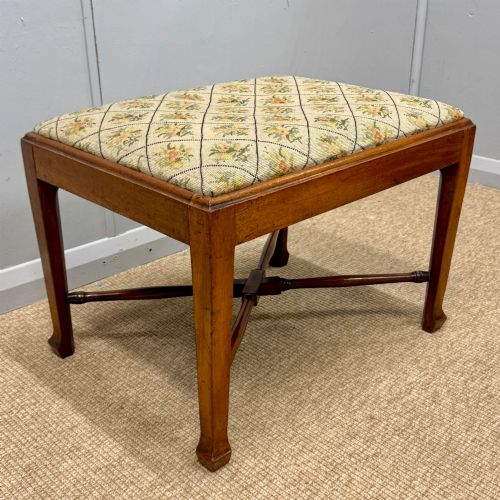
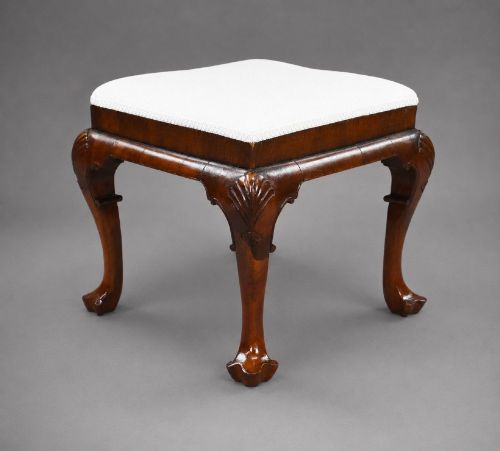
These antique vanity footstool examples offer practical low seating, combining period timber frames with textile upholstered tops designed for dressing rooms and bedrooms.
Antique Vanity Footstool
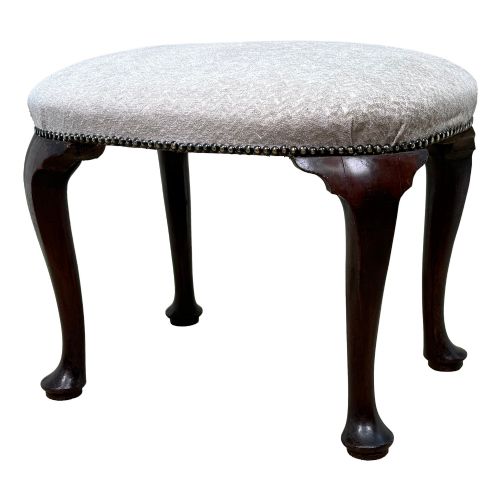
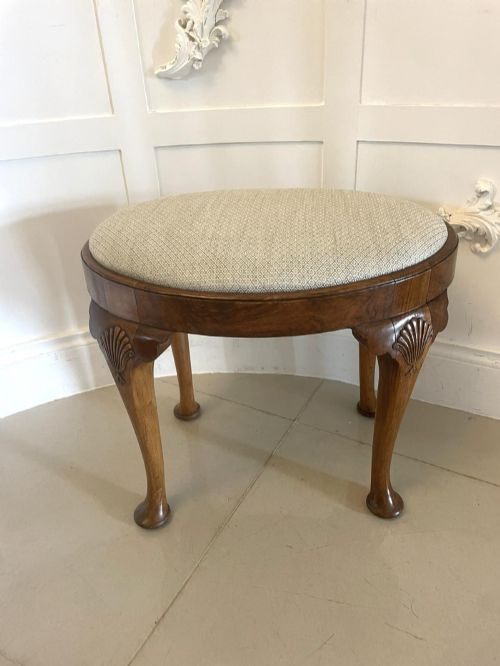
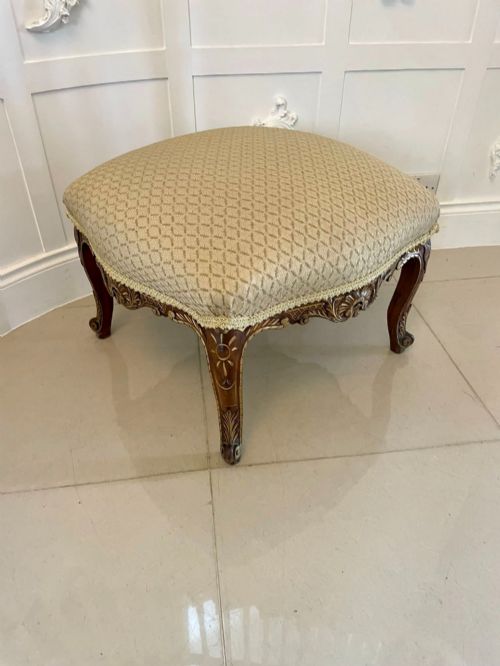
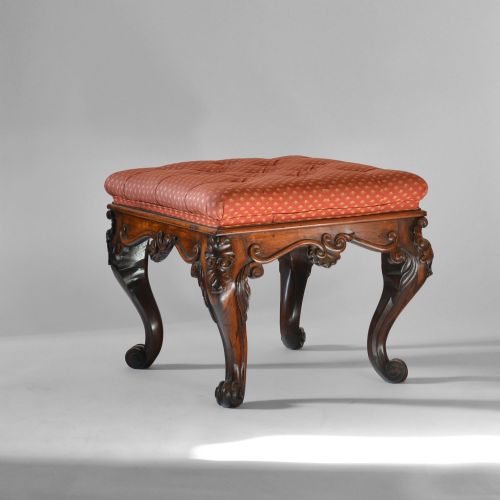
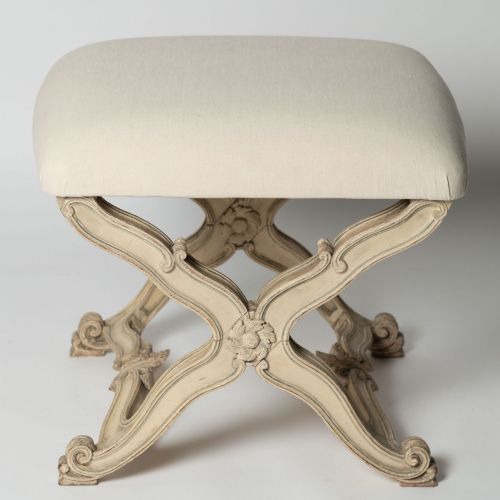
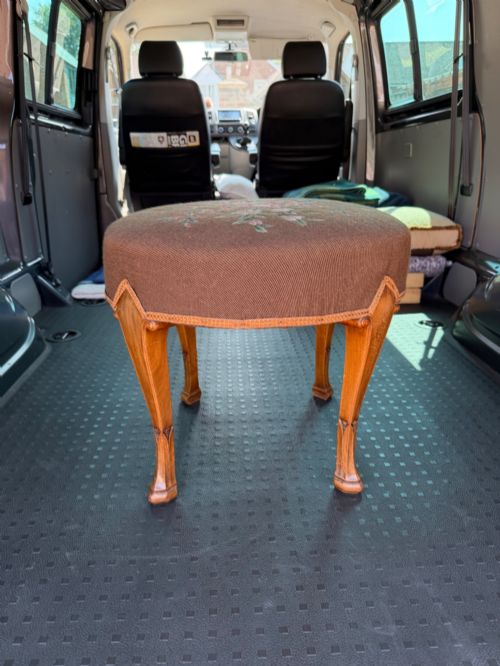
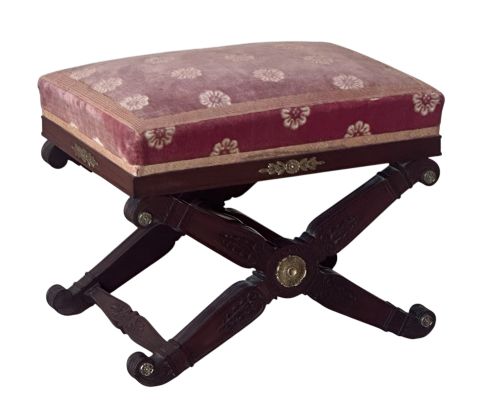
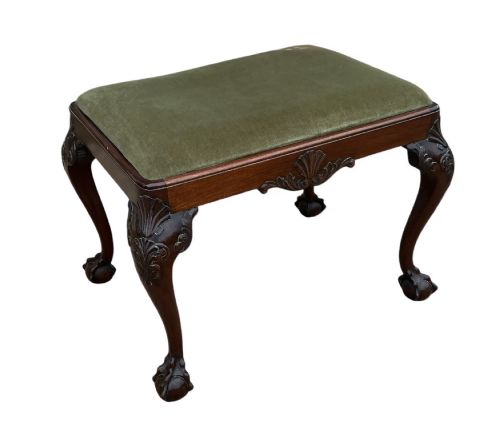
An antique vanity footstool serves as low seating beside a dressing table or mirror, matching periods from the eighteenth century through to the art deco era. Buyers inspecting these selections encounter diverse forms including oval, X-frame, and cabriole leg variants alongside rectangular shapes.
The stylistic influences span Queen Anne revival, Chippendale styles, and French designs, providing distinct leg configurations and frame carvings. Walnut, mahogany, and rosewood dominate the timber selections, frequently paired with upholstered tops in velvet, leather, or textile.
Victorian pieces appear frequently among the listings, alongside earlier Georgian iterations and later nineteen-thirties examples. These compact furnishings integrate smoothly into modern bedrooms while retaining their original period character and construction methods.
Materials and construction
Cabinet makers utilised dense hardwoods such as walnut, mahogany, and rosewood to construct the structural frames, employing traditional joinery techniques like mortise and tenon. Carved details, spiral turnings, and gilt accents were hand-applied by artisans depending on the prevailing style of the period.
Upholstery techniques involved securing fabric, velvet, leather, or beadwork over supportive webbing and stuffing to form the seat pad. Brass elements and gilt applications provided decorative contrast to the dark timber frames of Victorian and Georgian pieces.
Listings feature timber frames in walnut, mahogany, and rosewood alongside upholstered seating in velvet, leather, and beadwork.
Judging quality in frames and upholstery
Superior examples exhibit crisp, deep hand-carving in the timber, particularly along cabriole legs, cross stretchers, and frame borders. The choice of primary wood grain and the tightness of structural joints distinguish high workshop output from simpler commercial production.
The refinement of the upholstery finish and the integrity of the underlying frame construction dictate the overall standard of the piece. Retaining original surfaces, period textile coverings, or specialist decorative details elevates the standing of an individual stool.
Harry and Lou Epstein
The Antique Vanity Footstool Glossary
- Cabriole leg
- A furniture leg that curves outward and then tapers inward, mimicking an animal's curving leg. This form appears frequently on walnut and mahogany pieces from the eighteenth century onwards.
- Cross stretcher
- Horizontal wooden braces connecting the legs beneath a stool to provide structural rigidity. These supports often feature central finials or curved intersections.
- X-frame
- A stool base formed by intersecting diagonal timbers that create an X shape from the side view. This classical architectural format recurs in French and Victorian designs.
- Goncalo Alves
- A dense exotic hardwood with distinct figuring utilised in English nineteenth-century cabinet making. It yields a rich surface appearance on polished dressing furniture.
- Beadwork
- Hand-stitched decorative glass or ceramic beads applied to canvas for seat upholstery. Victorian makers utilised this technique to create durable and colourful seating surfaces.
Antique Vanity Footstool: Frequently Asked Questions
What is an antique vanity footstool?
An antique vanity footstool is a low seat designed to sit beneath a dressing table or in front of a bedroom mirror. These pieces combine decorative timber frames with upholstered tops.
Craftsmen built them to match larger bedroom suites, making them compact enough to tuck away completely when not in use.
How do I date an antique vanity footstool?
Dating relies on identifying the timber species, leg profiles, and carving styles associated with specific design eras. For instance, cabriole legs often point to Queen Anne revival influences.
Hardware, joinery methods, and upholstery tack types also provide clear physical clues regarding the decade of manufacture.
Where were vanity stools used?
These stools belonged in private dressing rooms, boudoirs, and principal bedrooms of period houses. They provided comfortable seating during hair styling and grooming routines.
Their small scale allowed servants to move them easily between rooms depending on daily requirements.
Can I use an antique stool daily?
Period stools suit regular daily use provided the internal joinery and structural frame remain sound. Many examples feature robust hardwood construction designed for everyday utility.
Checking the firmness of the seat padding ensures comfortable seating for modern dressing table heights.