





Antique Vanity Bag
An antique vanity bag bridges the gap between travel gear and textile art, offering a portable piece of history.
Antique Vanity Bag
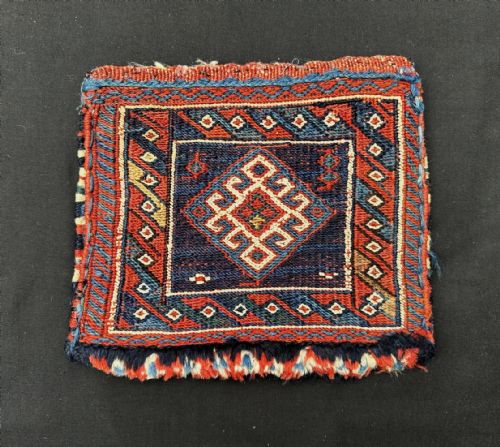
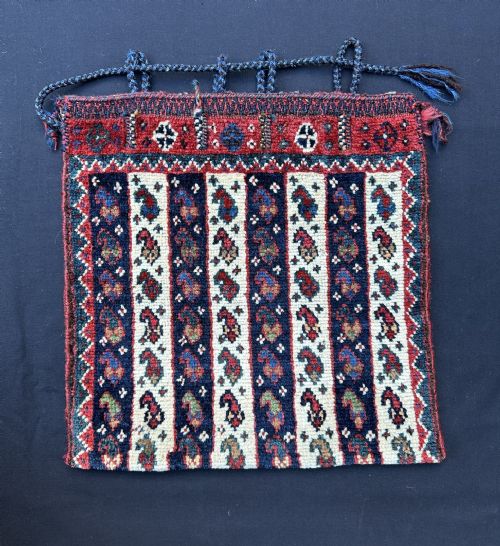
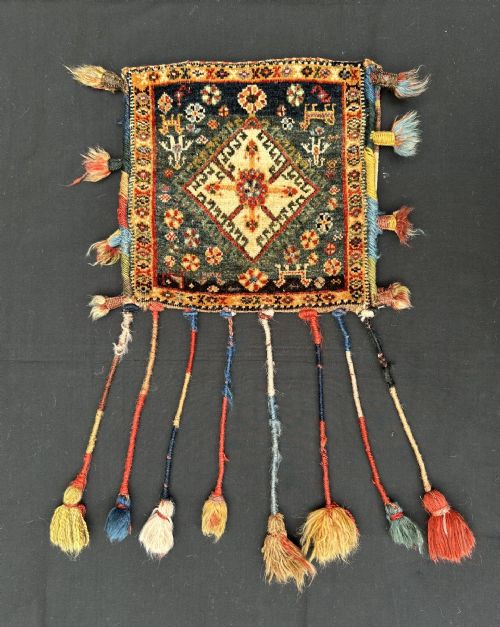
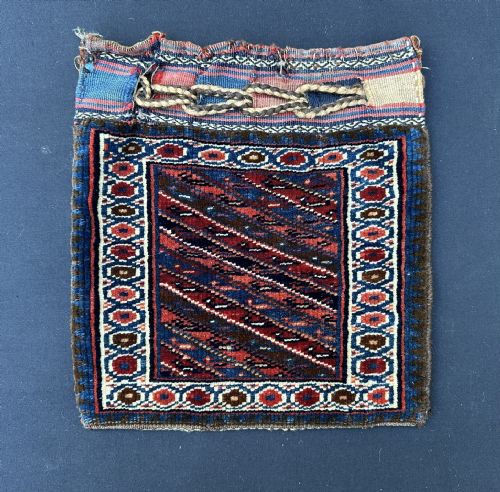
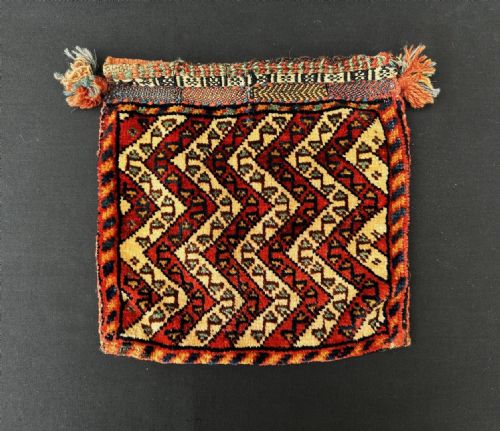
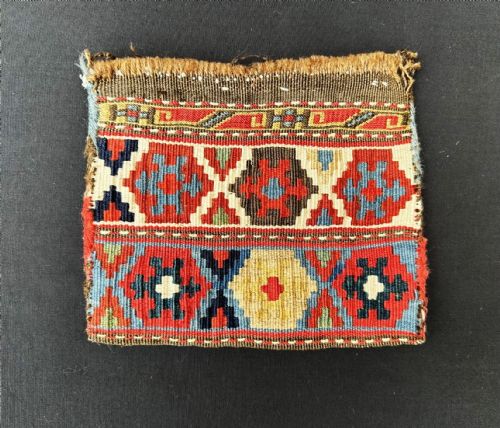
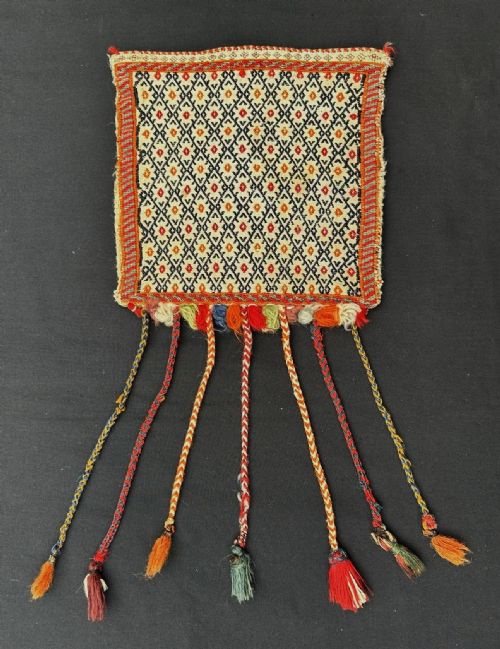
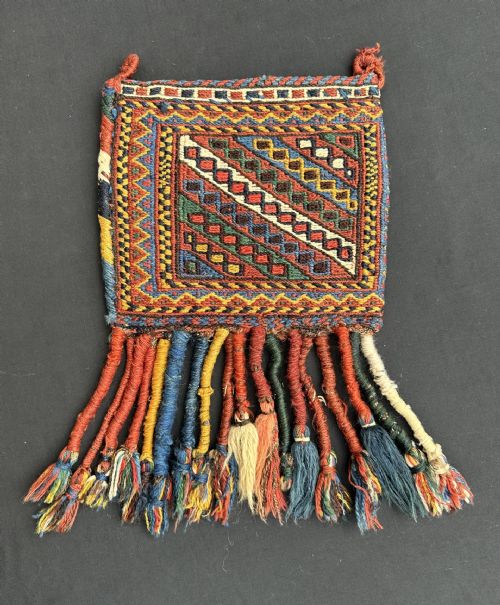
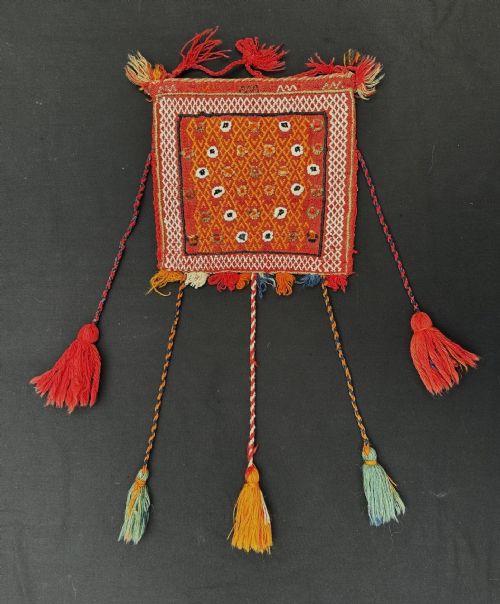
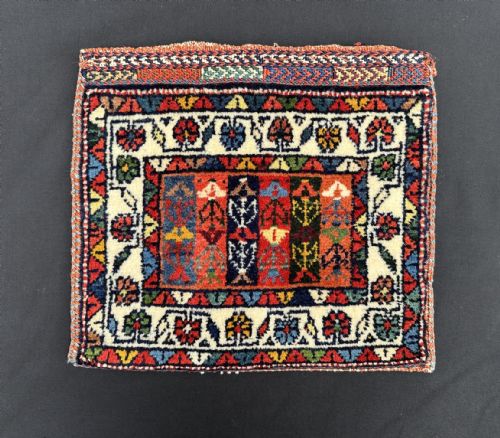
When you search for an antique vanity bag, you encounter two distinct traditions: Persian tribal weaving and Western travel leather goods. The woven examples include pieces attributed to the Bakhtiari, Qashqa'i, Shahsevan, and Afshar tribes, hailing from regions such as Fars, Kerman, and Azerbaijan. These nomadic textiles served practical carrying roles while displaying intricate regional motifs.
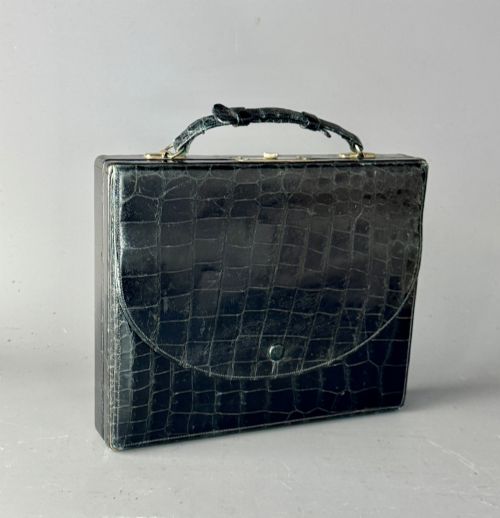
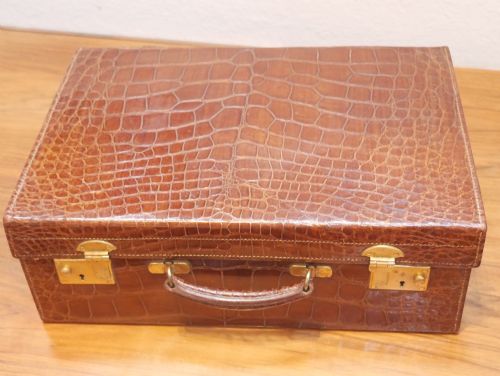
Alongside the tribal bags, the selection encompasses European luggage, crocodile leather cases, and silver mesh evening purses. These span periods from the Victorian and Edwardian eras through the Art Deco movement, representing the changing fashions of personal storage and grooming accessories.
Materials and construction
The physical construction of these items relies on wool, cotton, brass, sterling silver, and natural dyes for the woven Persian pieces. Nomadic weavers utilised sturdy pile or flatweave techniques, anchoring structural designs with durable plant and animal fibres.
Western travel pieces and cases employ crocodile skin, crocodile leather, vellum leather, and suede linings, often fitted with metal frames and brass hardware. Silversmiths shaped sterling silver into mesh compacts and cigarette cases, incorporating blue enamel and petit point needlework details.
Antique Vanity Bag Retail Price Guide 2026
Typical asking prices for vanity bag among the pieces listed under this phrase on Sellingantiques today, from the lower quarter to the upper quarter. They describe what is for sale here now, not the wider market.
The listings span from 1860 to 1940, uniting Persian tribal wools with European crocodile leather and sterling silver travel cases.
Assessing quality in construction and material
Quality in the woven tribal bags depends on the tightness of the weave, the clarity of the natural dyes, and the preservation of the original tribal motifs and borders. Pieces featuring specific sub-tribe attributions and well-executed geometric patterns show greater technical skill.
For the leather and metal travel items, standard relates to the suppleness of the hide, the integrity of the internal linings, and the crispness of maker marks or hallmarks on the silver.
Dunhill London·William Adams Ltd·Evans·Harrods
The Antique Vanity Bag Glossary
- Vanity bag
- A small container or pouch used for carrying cosmetics, grooming tools, or personal items during travel or social outings. They appear in both nomadic textile forms and rigid European leather or metal cases.
- Tribal bag
- A functional woven textile produced by nomadic groups in Persia, often featuring geometric patterns dyed with natural materials. These items served practical transport needs within the camp or during migration.
- Art Deco
- A design style spanning the 1920s and 1930s characterised by sleek geometric shapes, streamlined forms, and modern industrial materials. It influences the metal compacts and crocodile leather cases from this period.
- Sterling silver
- A silver alloy containing ninety-two point five percent silver by mass, frequently utilised in Edwardian and Art Deco purses and vanity accessories. Hallmarks on these items indicate the assay office and year of creation.
- Petit point
- A style of highly detailed needlepoint embroidery executed on single-thread canvas, commonly seen on Victorian and Edwardian evening purses. It allows for intricate pictorial designs using wool or silk threads.
Antique Vanity Bag: Frequently Asked Questions
What is an antique vanity bag?
An antique vanity bag is a portable container designed for personal items, cosmetics, or travel accessories, encompassing both Persian nomadic woven pouches and Western leather or silver cases.
These pieces reflect the distinct material cultures of their makers, ranging from tribal wool textiles to Edwardian and Art Deco travel luggage.
How were tribal vanity bags used?
Tribal vanity bags served nomadic communities as practical containers for personal possessions, small tools, or grooming gear during seasonal migrations.
Their construction combined durable wool and cotton with traditional natural dyes to withstand daily travel.
How do I date a silver purse?
Dating a silver purse relies on examining the metal hallmarks stamped into the frame, which indicate the manufacturing city and year.
Stylistic markers, such as Art Deco geometric lines or Victorian petit point embroidery, also help narrow down the period of production.
What materials are used in travel cases?
Travel cases and vanity items utilise materials such as crocodile skin, vellum leather, brass, and sterling silver.
Interiors often feature suede linings and fitted compartments designed to hold grooming bottles and compacts securely.