

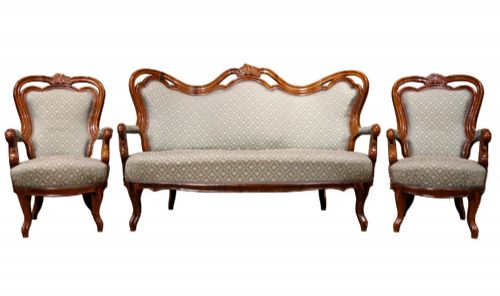


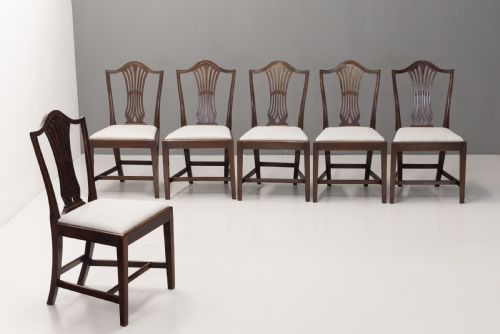


Antique Upholstered Suite
An antique upholstered suite brings matching comfort and formal presence into a room, offering coordinated seating designed to anchor a traditional interior scheme.
Antique Upholstered Suite
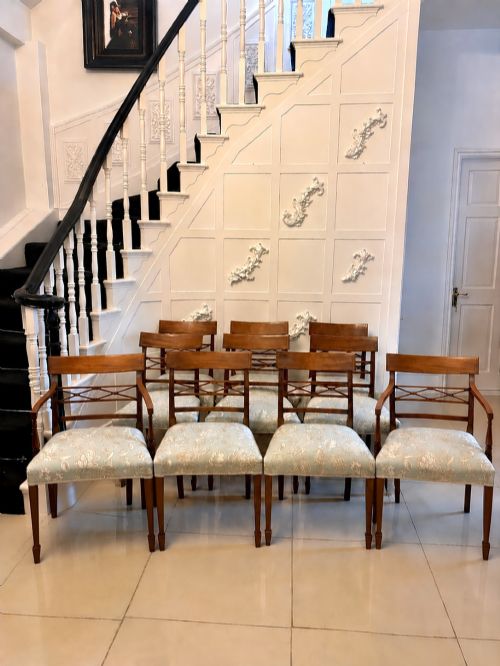
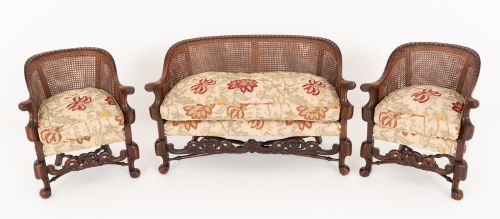
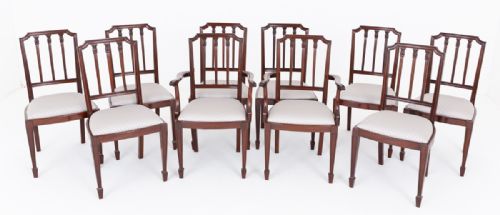
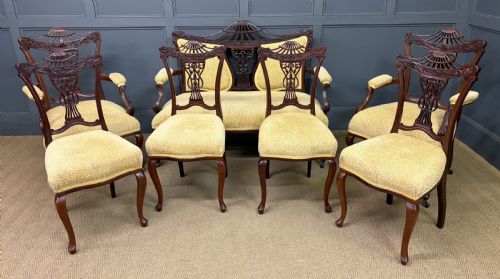
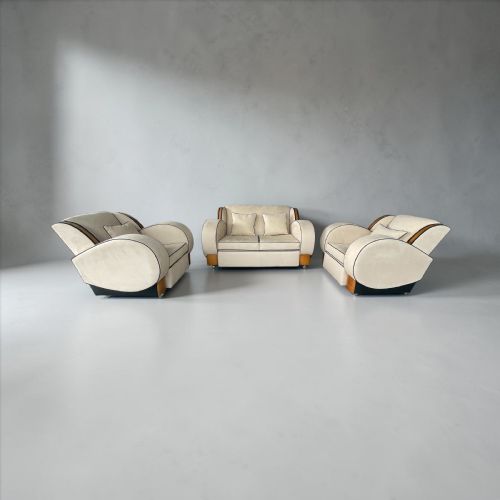
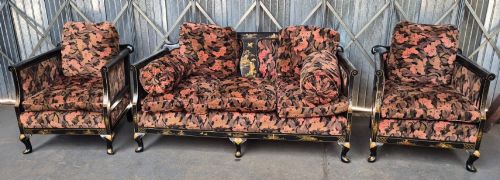
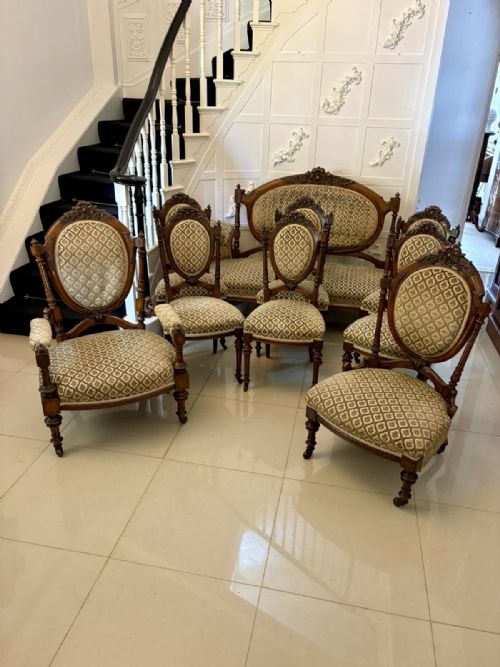
When you search for an antique upholstered suite, you encounter coordinated groupings of seating designed for formal reception rooms and domestic parlours. These collections typically comprise a settee paired with matching armchairs, or larger ensembles including numerous side chairs intended for dining and salon use.
The pieces appearing most frequently on this page hail from the Victorian and Edwardian eras, alongside notable twentieth-century Art Deco and revival pieces. You will find walnut and mahogany frames supporting various fabric coverings, ranging from compact three-piece arrangements to expansive multi-piece sets.
Origin influences form significantly, spanning English parlour suites with deep buttoned backs to Continental walnut designs and French giltwood bergères. Each grouping reflects the formal entertaining habits of its period, maintaining a unified aesthetic through consistent woodwork and textile choices.
Materials and construction
Craftsmen built the structural frameworks of these suites using hardwoods such as mahogany, walnut, oak, and rosewood, often shaping the timber into flowing cabriole legs, carved scroll arms, or crisp geometric mouldings. Giltwood and inlaid marquetry further distinguished high-status frames from standard domestic seating.
Traditional upholstery techniques relied on webbing, springs, and horsehair stuffing layered beneath top covers of velvet, silk damask, brocade, and heavy textile. Skilled artisans secured these layers with close-driven brass tacks or decorative gimp braids, ensuring firm support across sofas, settees, and armchairs.
Factors determining quality
The distinction between standard domestic furniture and exhibition quality pieces lies in the crispness of the frame carving, the selection of figured timber veneers, and the integrity of the underlying joinery. Superior suites display hand-carved detailing rather than applied mouldings, using dense, high-grade walnut or mahogany throughout the structural frame.
Coherence across a suite also dictates its standing, as matching sets that retain their original complement of chairs and settees demonstrate greater craftsmanship and preservation. The subtlety of inlay work, the weight of the brass castors, and the balance of proportions distinguish exceptional commissions from ordinary production pieces.
Howard and Sons·Baumann
The Antique Upholstered Suite Glossary
- Bergère
- An enclosed upholstered armchair with wooden framing exposed around the sides and back, originating in French furniture design. These chairs typically feature cane work or padded upholstery.
- Marquetry
- The art of applying decorative veneer pieces to a wooden structure to form intricate pictorial patterns or designs. This technique frequently appears on Edwardian and Continental salon tables and chair backs.
- Carver
- An armchair designed with elbow rests, traditionally placed at the heads of a dining table or matched within a larger seating suite. They mirror the design of the smaller side chairs in the set.
- Duchesse brisée
- A French multi-part upholstered chaise longue consisting of a chair with a matching footstool or two chair components joined together. They allow the occupant to recline fully within a formal salon setting.
Antique Upholstered Suite: Frequently Asked Questions
What pieces make up a salon suite?
A traditional salon suite typically includes a central settee or small sofa accompanied by a matching pair of armchairs. Larger suites may incorporate additional side chairs and footstools to complete the formal seating arrangement.
These collections were designed to furnish Victorian and Edwardian drawing rooms, ensuring guests had coordinated seating options that matched the interior décor of the home.
How do I care for antique upholstery?
Preserving antique upholstery requires regular, gentle vacuuming using a low-suction attachment with a soft brush to remove dust from delicate textiles like velvet and silk damask. Avoid placing these pieces in direct sunlight to prevent the original fabric colours from fading over time.
Professional cleaning is recommended for antique textiles to avoid damaging the underlying horsehair stuffing and traditional spring structures. Conditioning wooden frames with appropriate wax helps maintain the finish without affecting the fabric.
Are dining suites always matching?
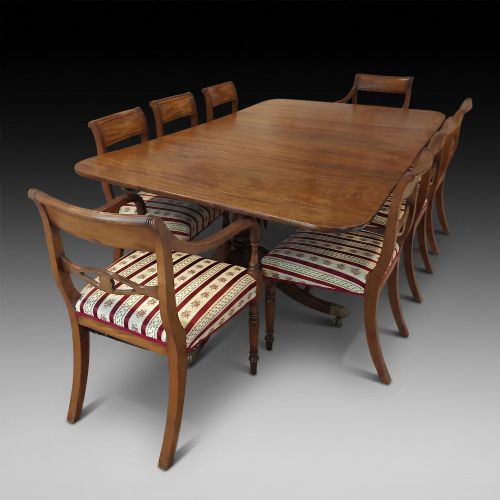
Antique dining suites often feature a combination of carver armchairs for the heads of the table and simpler side chairs for the remaining places. While the overarching style, timber, and leg design remain consistent, historical dining sets were occasionally expanded with supplementary chairs.
Checking the uniformity of the timber grain, carving details, and construction methods helps determine if a dining set was manufactured together or assembled at a later date.
How do I identify Victorian upholstery styles?
Victorian upholstered suites frequently feature deep button-backed upholstery, dark walnut or mahogany frames, and elaborate carved details such as scroll arms or balloon backs. The silhouette often emphasises curves, heavy proportions, and rich textile coverings like velvet or tapestry.
Later Victorian and Edwardian pieces began lightening these proportions, incorporating lighter mahogany or inlaid marquetry while retaining traditional comfort and deep seating.