

Antique Upholstered Chair Frames
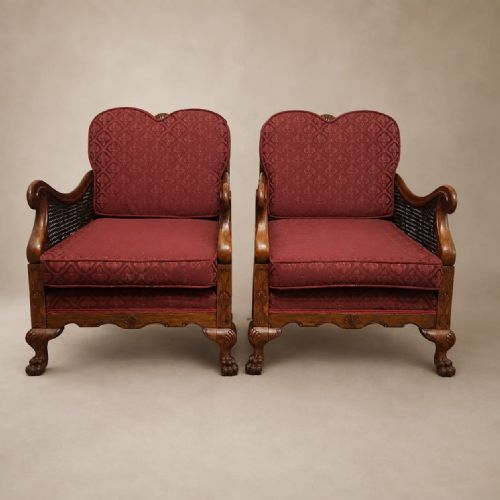
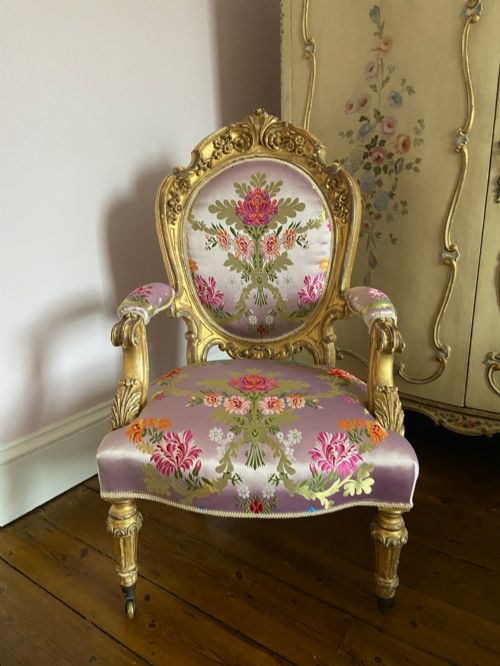
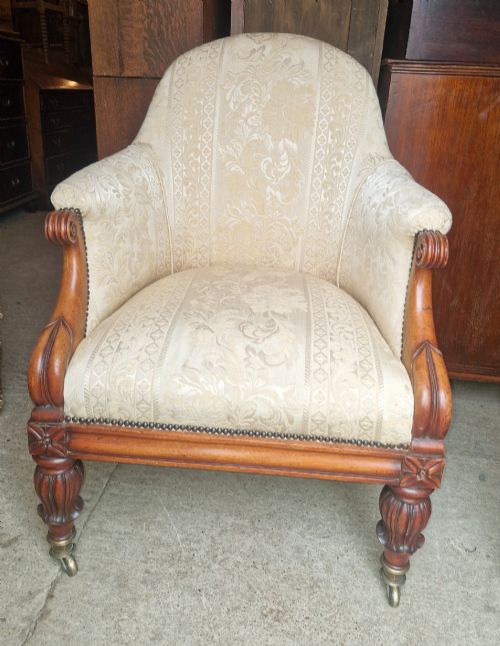
These antique upholstered chair frames give a bare skeleton of period timber and cane, waiting for webbing and top covers.
Antique Upholstered Chair Frames
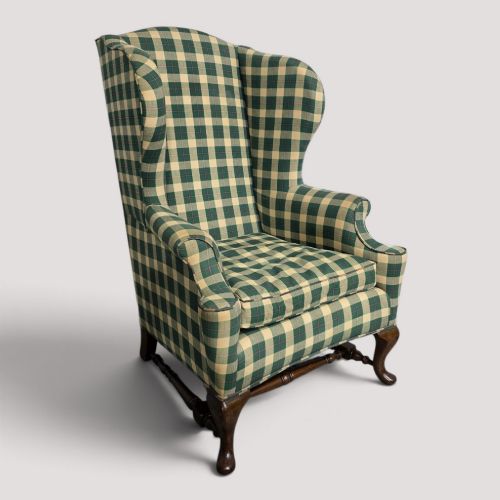
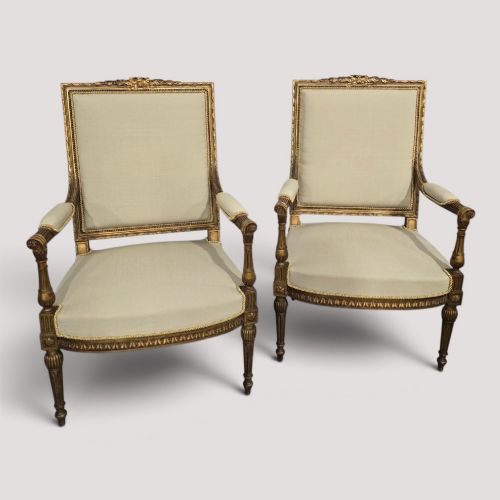
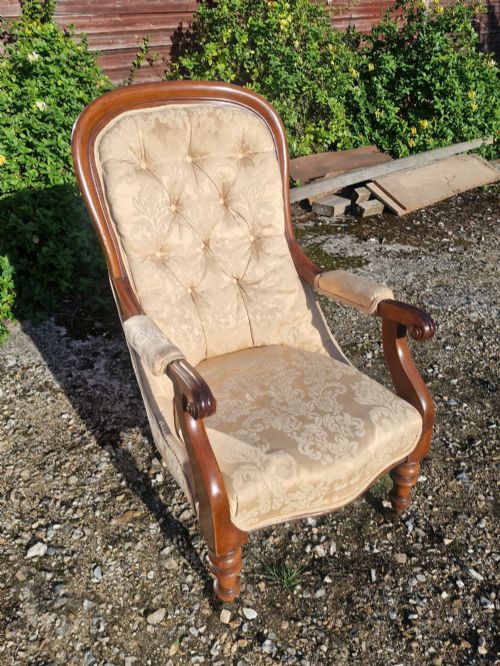
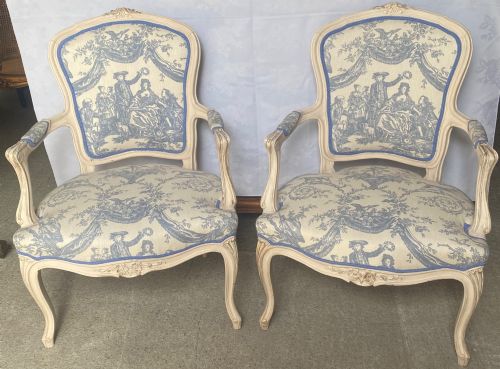
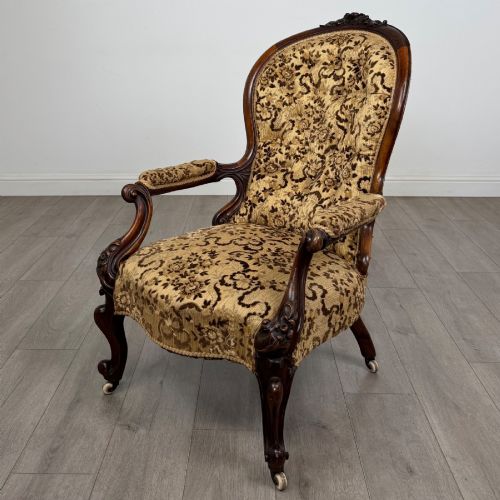
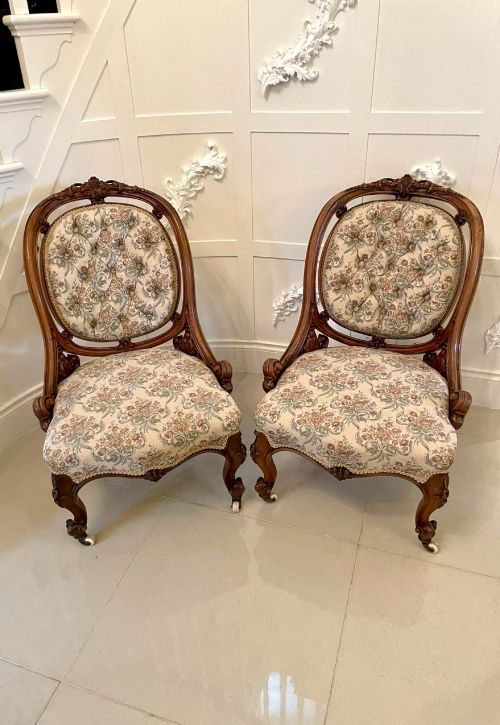
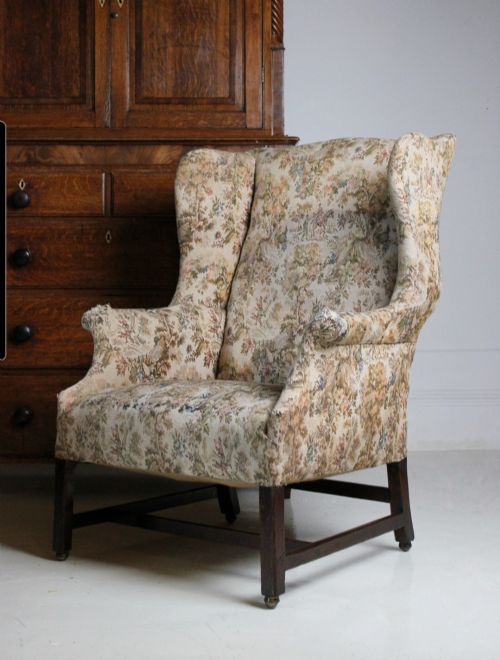
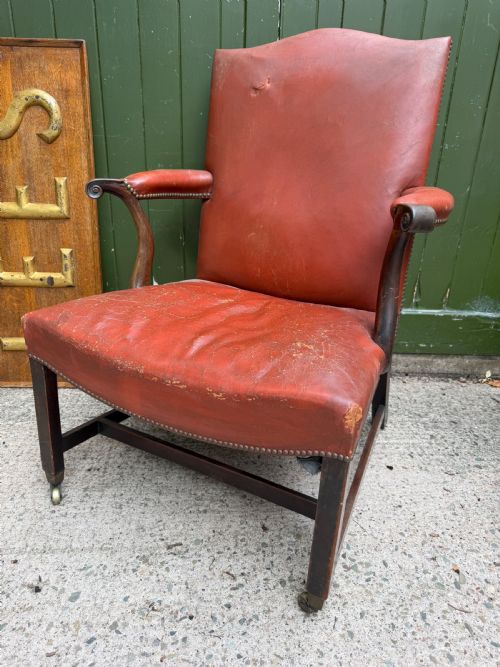
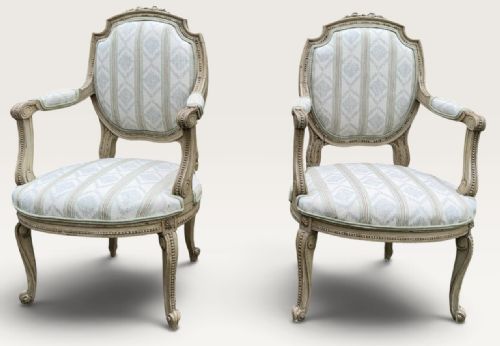
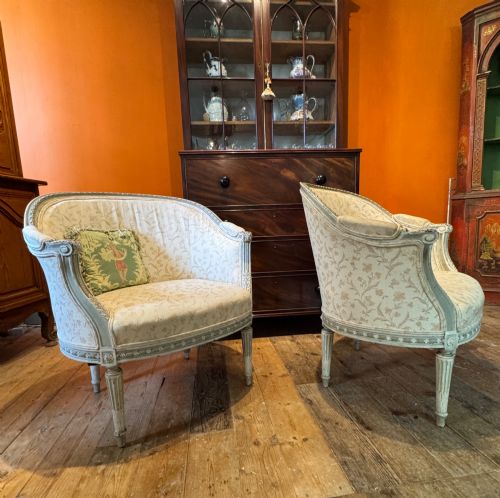
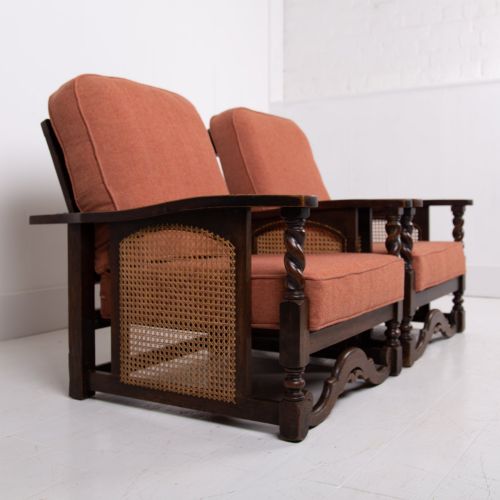
When you search for antique upholstered chair frames, you encounter structural wooden and metal skeletons spanning the Georgian, Regency, and Victorian eras through to the Art Deco period. These pieces encompass library armchairs, bergere tub chairs, nursing chairs, daybeds, and dining chairs stripped of their former covers or preserved in earlier fabrics.
The selection on this page relies heavily on Victorian and nineteenth-century forms alongside French designs, twentieth-century club chairs, and Edwardian suites. Buyers find everything from heavy mahogany Gainsborough frames to carved walnut open armchairs and oak dining chair sets.
What varies in quality
Quality in these frames rests on the crispness of the timber carving and the architectural proportions of the woodwork. Refined pieces display balanced cabriole legs, well-figured veneers, and tight joinery that remains rigid without modern reinforcement.
The distinction between standard commercial seating and exceptional work lies in the selection of timber, such as fine mahogany or figured walnut, and the sophistication of revival styles like Louis XV or Victorian Rococo.
Listings feature oak, mahogany, walnut, beech, brass, and cast iron across nineteenth and twentieth-century periods.
Howard and Sons·Morison and Co
The Antique Upholstered Chair Frames Glossary
- Bergere
- An enclosed upholstered armchair with wooden framing, often featuring cane panels on the sides and back. This French form gained popularity across the nineteenth and early twentieth centuries.
- Gainsborough chair
- A wide, open-armed library armchair with a padded back and seat, standing on short legs. Eighteenth-century versions typically utilised heavy mahogany.
- Hessian
- A coarse woven fabric used as a foundation layer in traditional upholstery. It stretches across the wooden frame to support internal stuffing and springs.
- Cabriole leg
- A furniture leg that curves outward at the knee and tapers inward toward the foot. This design appears frequently on eighteenth and nineteenth-century seating.
- Tub chair
- An armchair with a continuous curved back and arms forming a rounded enclosure. Early twentieth-century Art Deco examples often adopt this comfortable shape.
Antique Upholstered Chair Frames: Frequently Asked Questions
How do I choose the right frame?
Consider the intended room and whether you want a low nursing chair, a wide library armchair, or dining seats. Match the timber tone and period style to your existing furniture.
Examine the proportions of the arms and back to ensure the scale suits your space before committing to a restoration project.
Can I use these frames without reupholstering them?
Some pieces retain their original leather, paint, or fabric and remain usable as they are. Others require new webbing, padding, and top covers to function safely.
Frames listed with exposed wood or original paint can stand alone as decorative decorative objects while you plan future restoration.
How do I date an antique chair frame?
Look at the timber species, joinery techniques, and stylistic revival markers such as Regency curves or Art Deco geometry. Tool marks and construction methods often reveal the nineteenth or early twentieth-century origin.
Compare the turned leg details and carving depth against documented examples from the same period to narrow down the decade.
What is a bergere chair?
A bergere is a French-style armchair featuring a wooden frame and woven cane panels on the back and sides. They often include loose seat cushions for added comfort.
These pieces emerged in various woods like walnut and beech during the nineteenth and early twentieth centuries.