


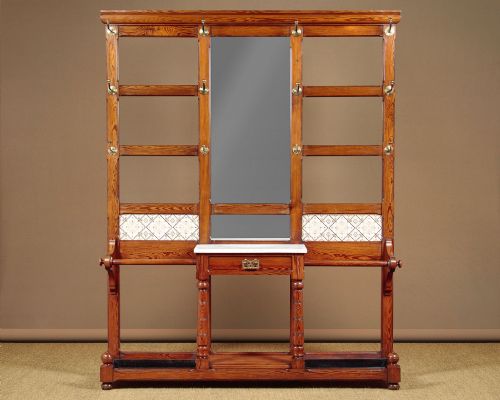
Antique Umbrella Hall Stand
These pieces for an antique umbrella hall stand combine practical hallway storage with period craftsmanship in oak, cast iron, and bentwood.
What They Are
An antique umbrella hall stand serves as a combined furniture piece for domestic entranceways, providing hanging space for garments alongside dedicated receptacles for wet sticks and umbrellas. These items bridge utilitarian purpose and reception room display, originating primarily from the Victorian and Edwardian eras.
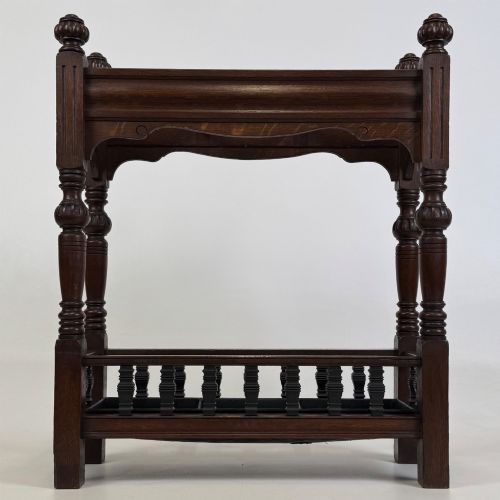
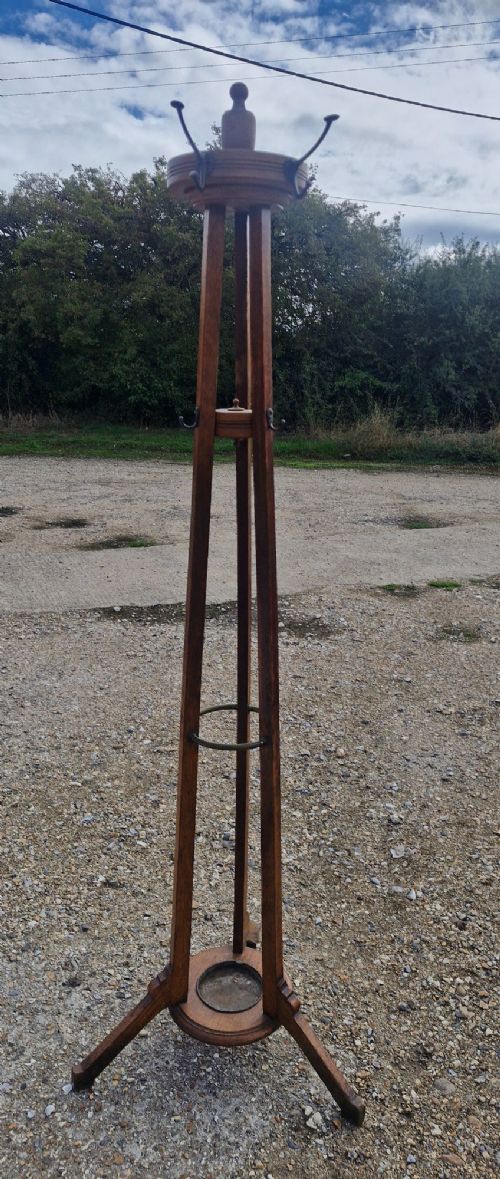
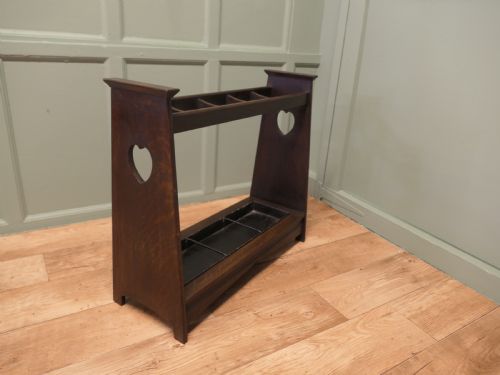
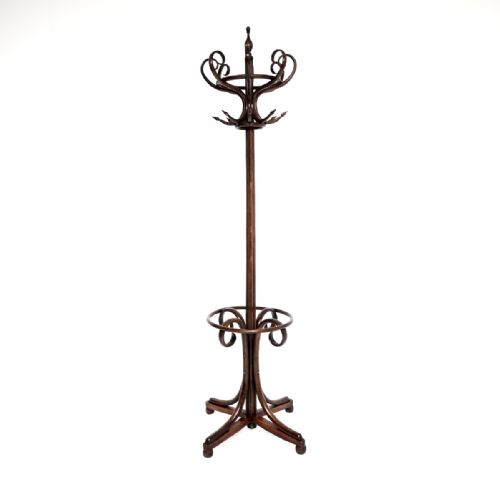
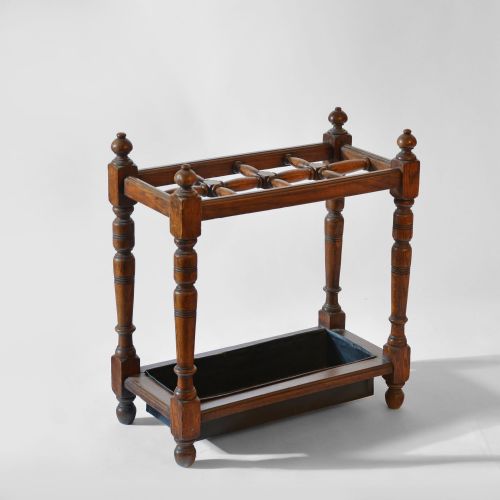
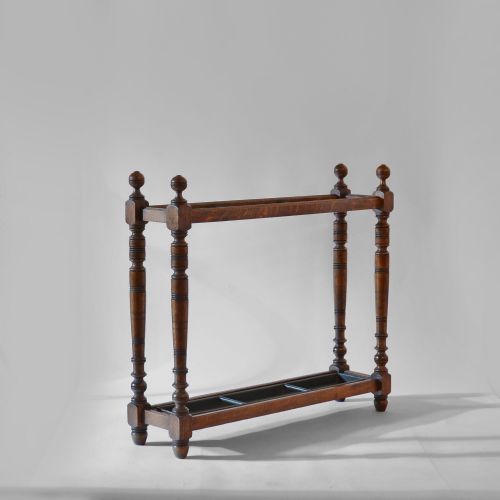
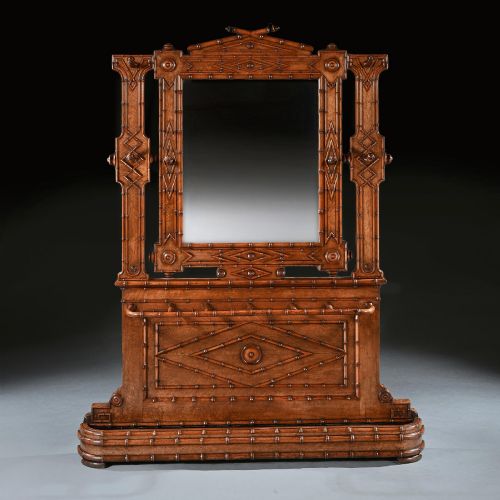
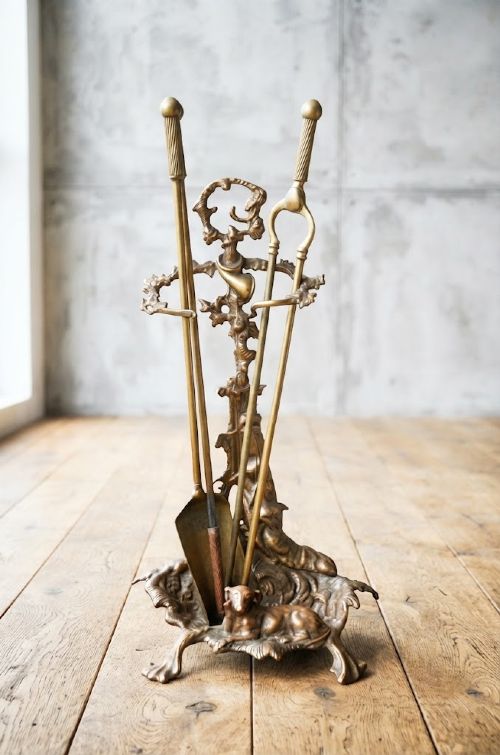
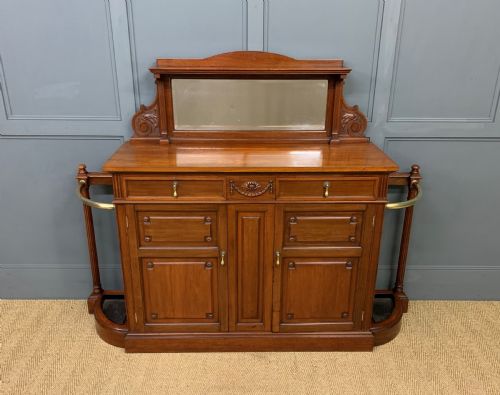
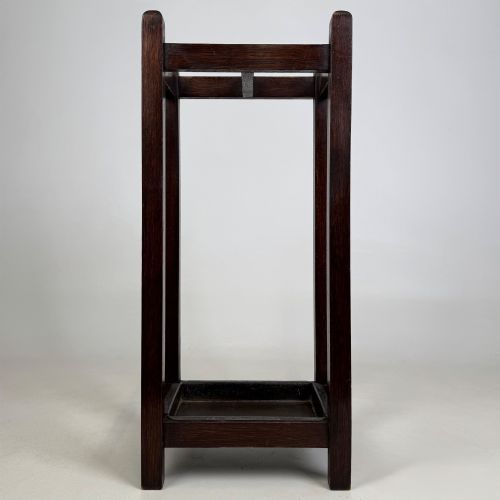
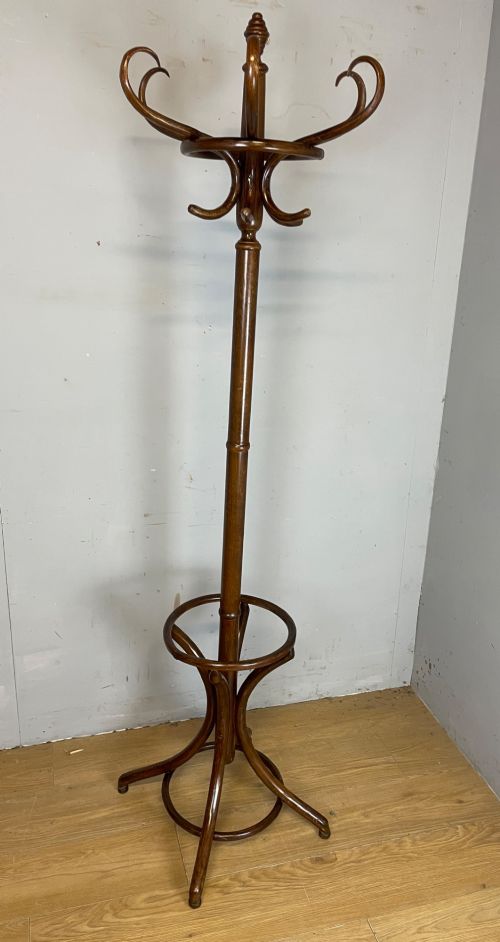
The most common formats met on this page include sturdy oak hall stands incorporating mirror panels and coat hooks, alongside lighter bentwood designs in beech and walnut. Dedicated stick and umbrella stands appear frequently in cast iron, brass, and coopered oak.
Makers and designers of these hallway accessories ranged from large foundries producing heavy iron grates to specialist furniture workshops creating revolving coat and hat racks. Regional variations include French painted pieces, German Black Forest carvings, and Scottish coopered whisky barrels adapted for domestic entryways.
How They Were Made
Construction relies heavily on solid timber framing, particularly golden oak, walnut, and mahogany, shaped through traditional joinery and steam-bent techniques for curved components. Beech bentwood frames utilise thermal bending processes to form continuous loops for coat and hat hooks.
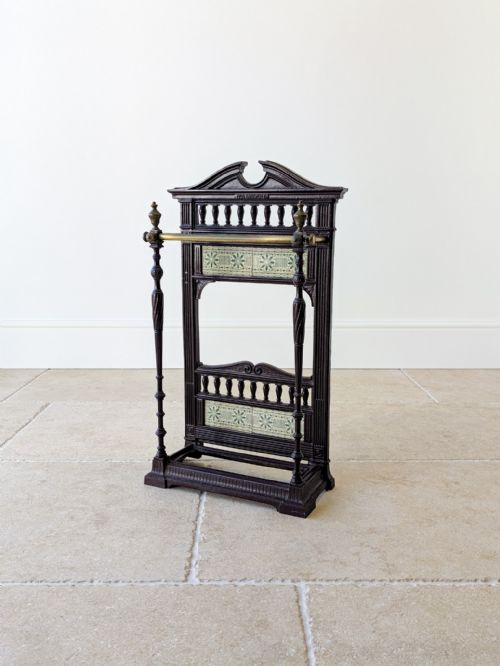
Metal elements incorporate cast iron foundries pouring structural frames and drip trays, alongside brass tubing and division bars used in multi-slot umbrella racks. Ceramic components feature glazed earthenware and Iznik-revival tiles inserted into wooden backsplashes.
Retail Price Guide 2026
Typical UK retail prices for umbrella hall stand, calculated from the Sellingantiques database of over a million retail prices indexed since 2003. This retail price guide relies exclusively on Sellingantiques data; no external sources or auction records are used, so the figures do not describe the wider market.
Design variations include revolving umbrella racks, demi lune shapes, and coopered barrels.
What Varies In Quality
Quality rests on the integrity of the structural joinery and the retention of original hardware, such as brass drip pans, matching coat hooks, and bevelled mirror glass. Pieces exhibiting finer carving or complex multi-division frameworks distinguish themselves from simpler utilitarian items.
The choice of primary material dictates much of the physical presence, with dense figured oak and heavy cast iron imparting greater stability than lighter contemporary veneers or softer pine alternatives.
Théodore Deck·Falkirk Foundry·R.A. Lister·Liberty And Co·Thonet
The Antique Umbrella Hall Stand Glossary
- Bentwood
- Wood shaped by steaming and bending under pressure into curved structural forms. This technique created the light yet resilient frames popular in Victorian and Edwardian hallway furniture.
- Demi Lune
- A half-moon shape characteristic of certain hall stands designed to sit flush against an entryway wall. This profile maximises floor space in narrow corridors.
- Coopered
- Construction using tight wooden staves bound by metal hoops, similar to barrel-making. This method produced water-resistant receptacles suitable for holding wet umbrellas.
- Drip tray
- A metal or ceramic basin positioned at the base of a stick stand to catch rainwater from umbrellas. Original removable pans add authenticity and utility.
- Iznik revival
- A late nineteenth-century ceramic style emulating Ottoman tile designs with vibrant polychrome glazes. These glazed tiles occasionally ornament the backboards of superior hall stands.
Frequently Asked Questions
What is an antique umbrella hall stand?
An antique umbrella hall stand is a functional piece of entranceway furniture designed to hold coats, hats, walking sticks, and wet umbrellas. They combine vertical timber framing or metal structures with integrated hooks and base trays.
These pieces populated the hallways of Victorian and Edwardian homes to keep outerwear organised before guests entered main reception rooms.
How do I identify an Edwardian hall stand?
Edwardian hall stands typically feature lighter oak timbers, simpler geometric lines, and integrated brass umbrella racks compared to their heavier Victorian predecessors. They often incorporate brass Arts and Crafts hardware and revolving top sections.
Many examples from this period bear maker marks or stamps from prominent workshops active around nineteen-ten.
Where were cast iron umbrella stands made?
Cast iron umbrella stands were produced by industrial foundries across Britain and continental Europe during the nineteenth century. These heavy frames utilised moulded patterns to create decorative, open-work grilles and sturdy bases.
Foundries often incorporated removable metal drip trays beneath the iron frames to protect hallway floors from moisture.
How do I care for wooden hall stands?
Wooden hall stands require periodic waxing to nourish the timber grain and protect the surface from dry indoor climates. Metal drip trays should be regularly emptied and dried to prevent corrosion.
Positioning the furniture away from direct heat sources preserves the structural integrity of bentwood curves and solid oak joints.