
Antique Turned Wooden Treen
Antique turned wooden treen brings domestic history to hand through functional household items shaped on the lathe.
Antique Turned Wooden Treen
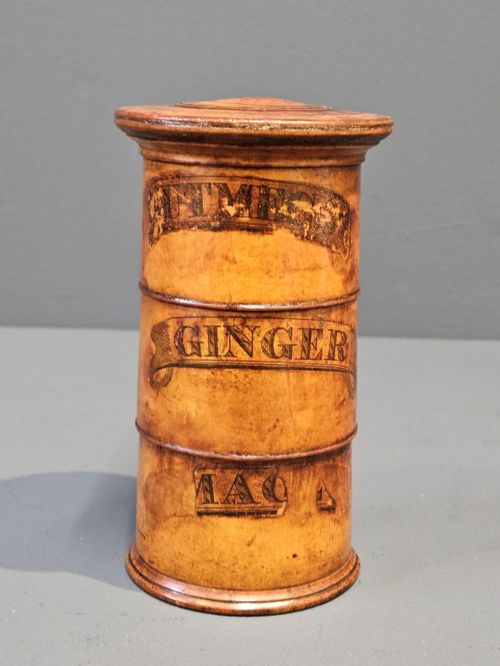
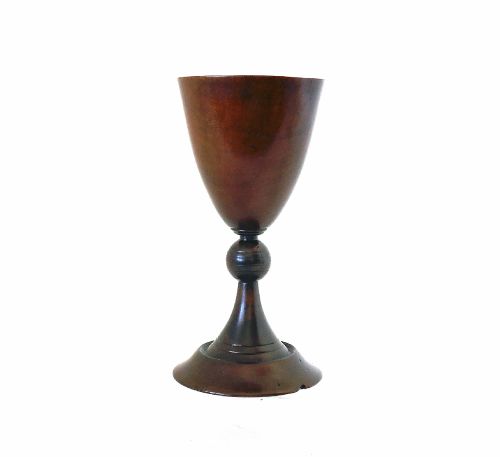
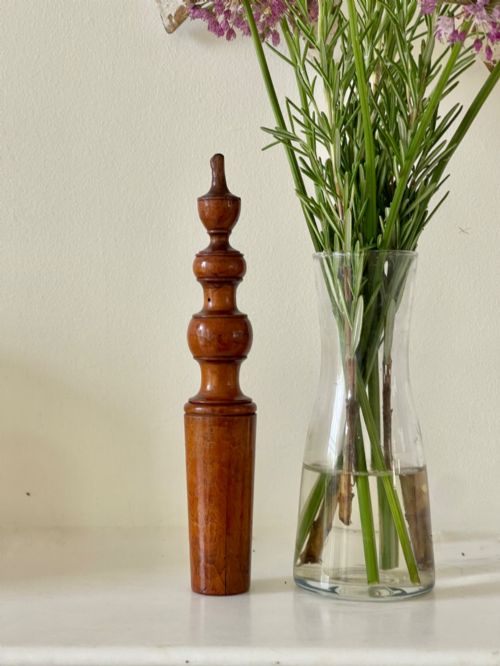
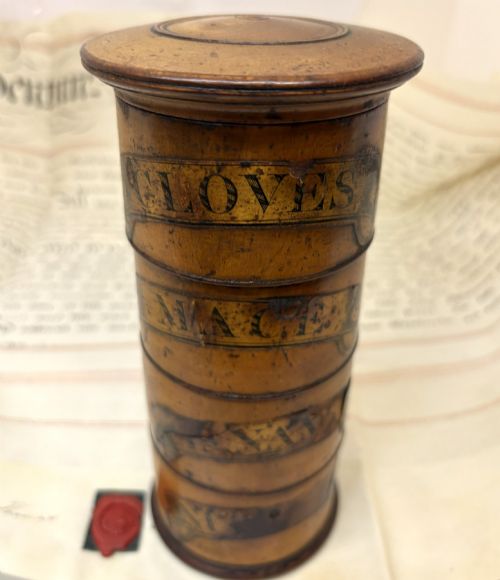
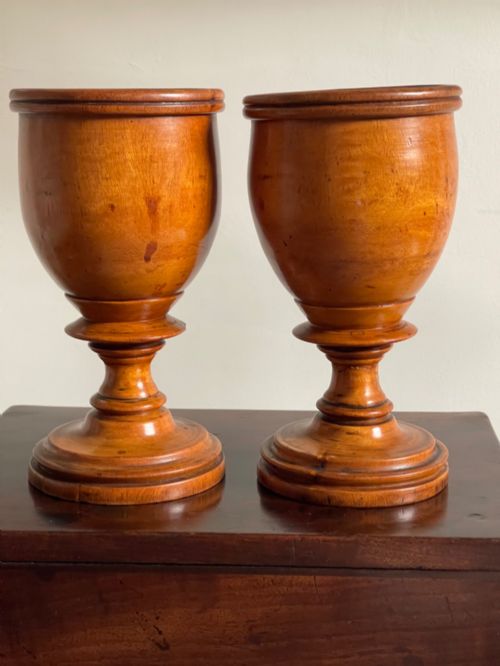
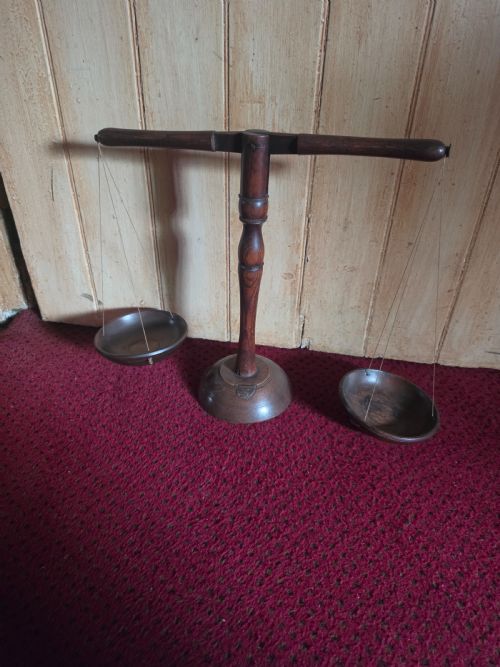
Antique turned wooden treen covers a wide array of small domestic objects, from spice towers and mortars to dairy bowls and goblets. These pieces served practical daily purposes in kitchens, shops and parlours before mass manufacturing replaced hand-turned timber.
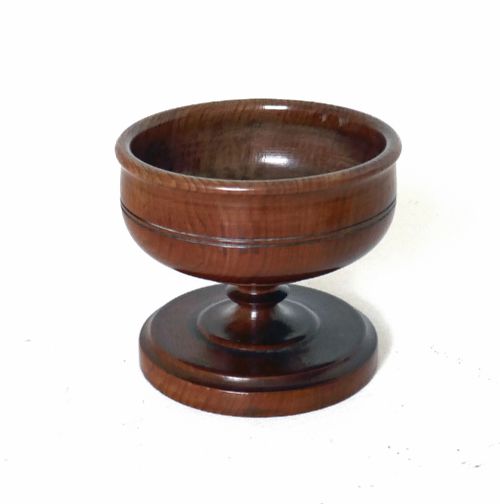
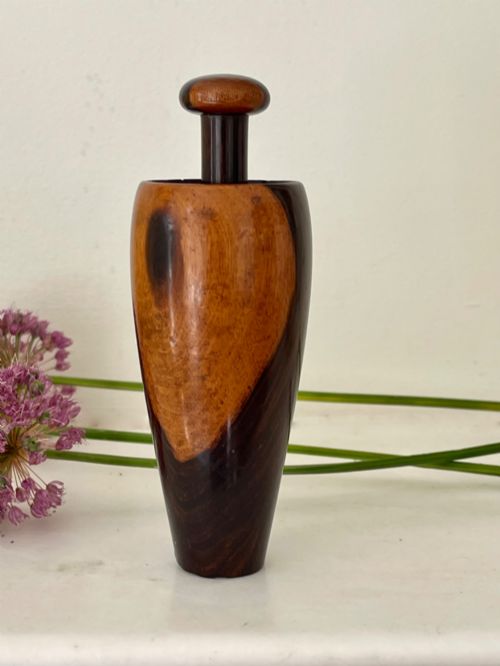
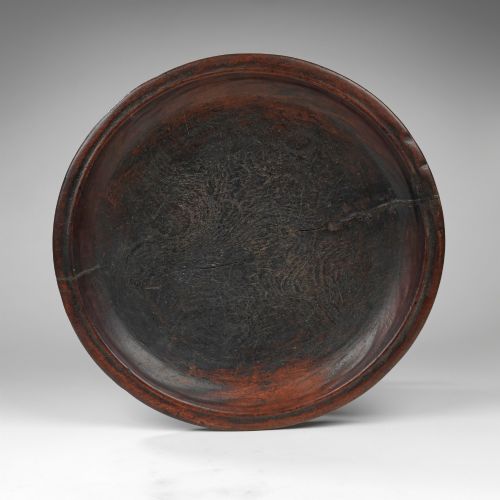
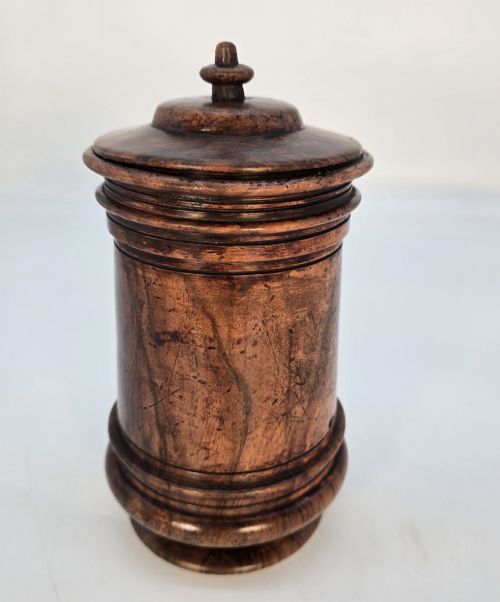
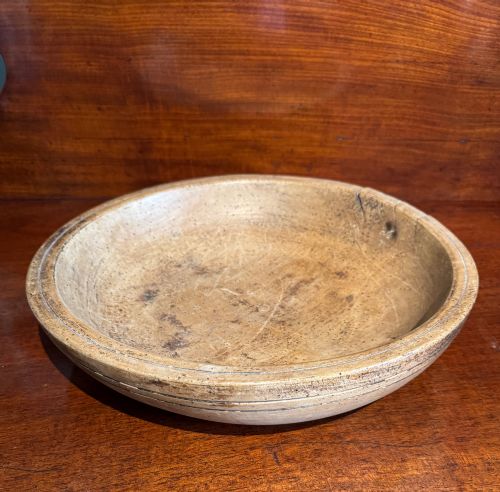
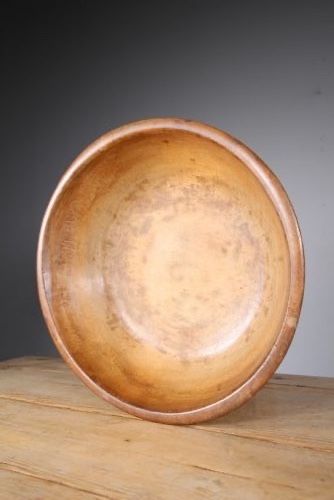
The selections available here lean heavily toward functional vessels and containers produced across the seventeenth, eighteenth and nineteenth centuries. Buyers encounter items ranging from utilitarian sycamore dairy bowls to intricate boxwood spice towers and lignum vitae drinking vessels.
How these wooden objects were shaped
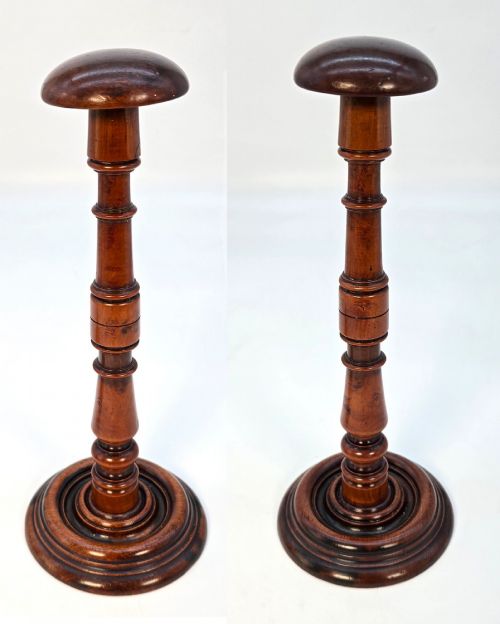
Craftsmen shaped these items on a lathe using dense native timbers such as fruitwood, boxwood, sycamore, walnut and lignum vitae. The turning process exploited the natural grain patterns and hardness of each timber to create smooth profiles for vessels, containers and tools.
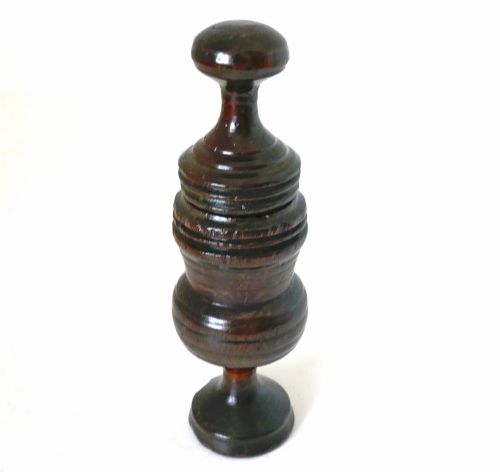
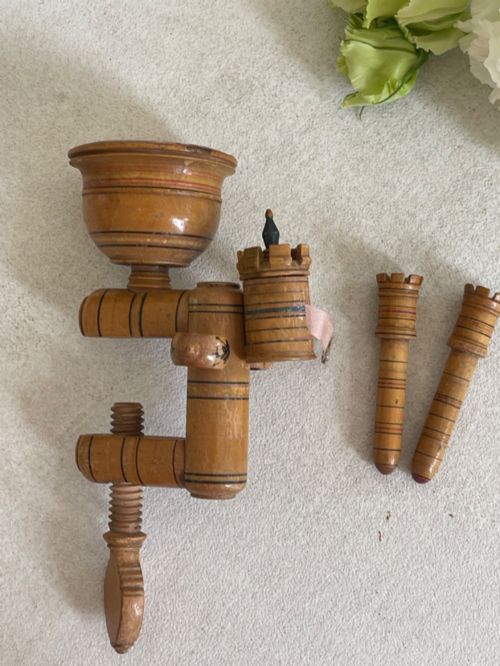
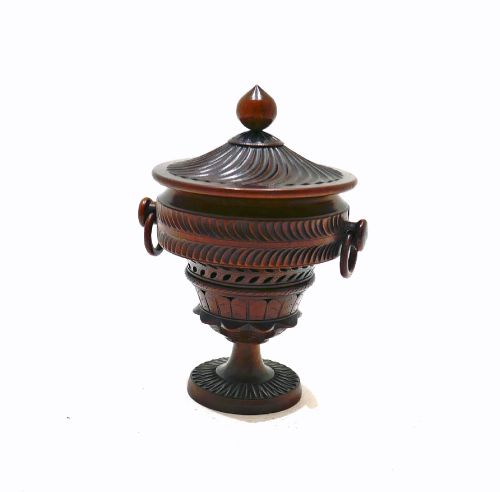
Many items required specialised joining or threading, visible in multi-tiered spice towers, lidded pomanders and two-part grinders. Finish came from friction, wax and generations of handling rather than heavy applied coatings.
A pigeon bird call sits ready alongside household mortars and sewing clamps.
What distinguishes finer examples
Quality rests upon the crispness of the turning lines, the appropriateness of the timber choice for the object's function, and the retention of original surface patination. Denser timbers like lignum vitae and boxwood hold sharper lathe details than softer woods.
Wear patterns tell a story of authentic utility, where clean proportions and minimal restoration separate everyday survivors from exceptional cabinet pieces.
The Antique Turned Wooden Treen Glossary
- Treen
- Small handmade wooden objects for domestic use. The term derives from the old word for tree.
- Lignum vitae
- A remarkably dense and heavy tropical hardwood often utilised for mortars, goblets and turned vessels. Its natural oils give the wood a dark, self-lubricating surface.
- Spice tower
- A multi-tiered turned container designed to hold various culinary spices. Sections typically screw or fit tightly together into a single vertical column.
- Dairy bowl
- A wide, shallow wooden vessel used in butter making and milk setting. Sycamore was frequently chosen for these bowls due to its clean grain and lack of strong flavour.
- Pomander
- A small lidded container made to hold aromatic substances or spices. These objects often featured pierced decoration to let scents escape into rooms or clothing.
Antique Turned Wooden Treen: Frequently Asked Questions
What is antique treen?
Antique treen encompasses small, functional wooden objects made by hand before the era of plastics and mass production. These items include kitchen implements, table wares and personal accessories.
Most pieces were fashioned on a lathe from local or imported hardwoods. They bridged the gap between utility and craftsmanship in historical homes.
How do I date turned treen?
Dating relies on tool marks, timber choices, wear patterns and the style of the turning profiles. Eighteenth-century pieces often show different proportions and lathe work compared to Victorian examples.
Context from similar dated objects and construction methods helps narrow down the period of manufacture.
How should I clean wooden treen?
Cleaning requires a soft, dry cloth to remove dust without disturbing the aged surface. Water and harsh chemical cleaners strip away the natural patina built up over centuries.
Applying occasional microcrystalline wax helps protect dry timber without altering its colour or finish.
Were these items purely decorative?
Almost all treen started life as a working tool for the kitchen, shop or parlour. Spice grinders, dairy bowls and mortars performed daily domestic labour.
Over time, their sculptural qualities and tactile appeal transformed them from utilitarian tools into collected display objects.