


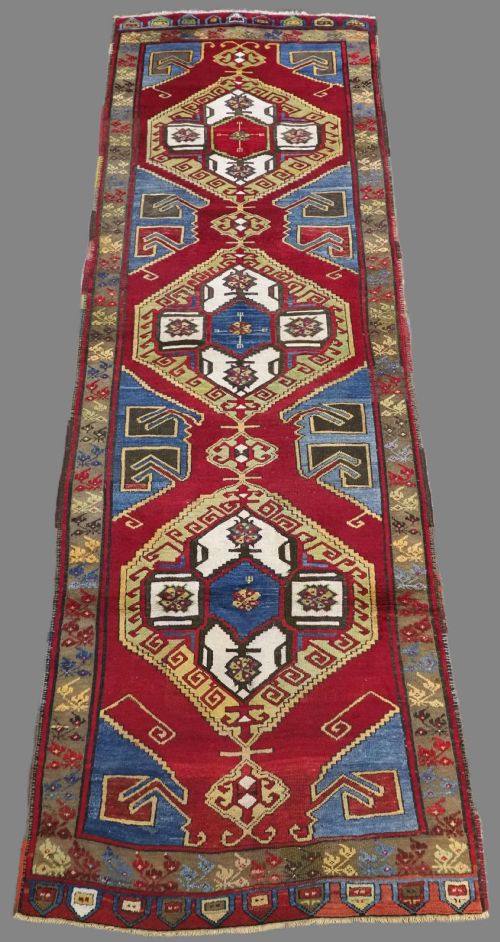


Antique Turkish Runner Carpet
An antique turkish runner carpet brings distinctive long proportions and traditional village patterns into a hallway or narrow space.
Antique Turkish Runner Carpet
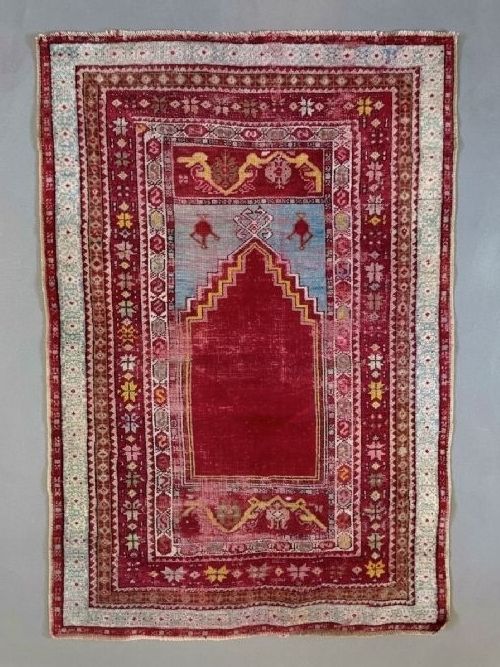
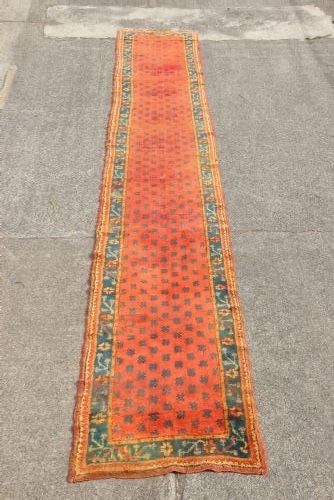
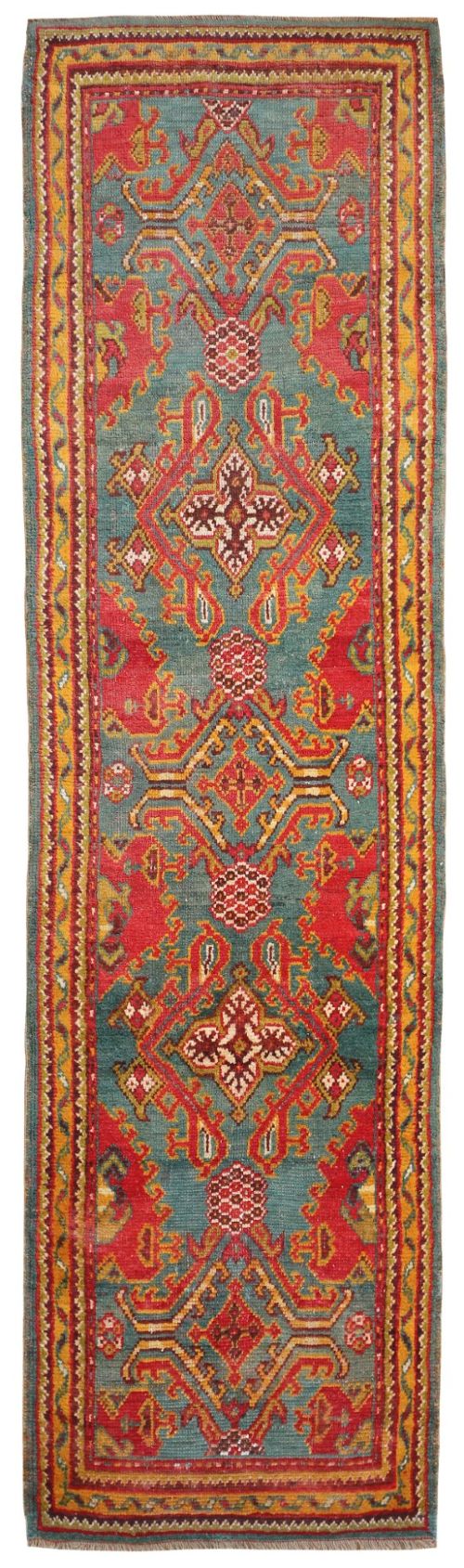
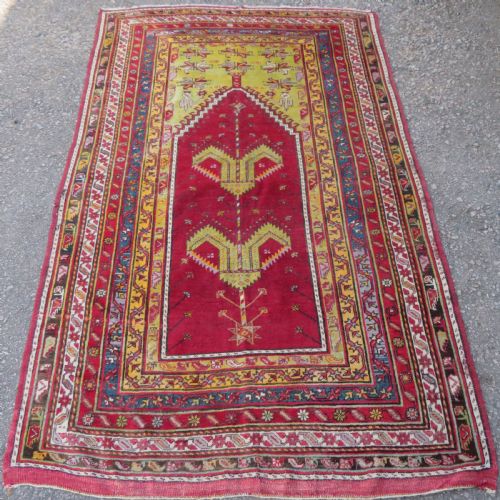
When searching for an antique turkish runner carpet, you encounter elongated floor coverings designed specifically for corridors, staircases and narrow rooms. These textiles originate from various Anatolian regions, taking the form of traditional village rugs, long runners and flat weaves.
How They Were Made
These floor coverings rely primarily on wool and cotton foundations, utilising hand-spun wool and specialised variations such as angora wool for the pile. Certain examples incorporate silk elements or employ flat-weave techniques seen in traditional kilims.
Weavers knotted or wove these textiles by hand using regional dyeing methods to establish traditional patterns. The construction ranges from single-part woven runners to pieces joined in sections, reflecting the diverse workshops and nomadic traditions of Anatolia.
Some runners are woven in two separate parts and joined down the middle, showcasing ingenious nomadic construction methods.
What Varies in Quality
The caliber of an antique turkish runner carpet depends on the fineness of the weave and the integrity of the materials used. Hand-spun wool and angora wool yield different surface textures and durability compared to standard commercial wool.
Design clarity and the depth of the palette distinguish finer examples from simpler village work. The precision of the traditional motifs and the overall preservation of the pile or flat weave determine the standing of each individual piece.
The Antique Turkish Runner Carpet Glossary
- Kilim
- A flat-woven carpet or rug produced without a pile. These pieces rely on interlocking weft threads to create geometric patterns.
- Prayer Rug
- A textile featuring a Mihrab or niche design historically oriented toward Mecca during daily prayers. These rugs often display specific architectural arch motifs.
- Oushak
- A style originating from the town of Ushak, known for larger scale floral designs and a distinct soft palette. They frequently employ high-grade wool.
- Anatolian
- Pertaining to the geographic region of Asia Minor encompassing modern-day Turkey. This term covers numerous tribal and village weaving traditions.
- Pile
- The upright or knotted surface of a carpet formed by the cut ends of yarn. It provides the tactile thickness of the rug.
Antique Turkish Runner Carpet: Frequently Asked Questions
Where should I place a long runner?
These narrow floor coverings suit corridors, hallways and passageways where standard rectangular rugs do not fit. Their elongated dimensions guide movement through a home while protecting timber or stone flooring.
They also function effectively in narrow entryways or alongside long furniture arrangements in reception rooms. Ensure the width leaves adequate space on either side for floorboards to show.
How do I clean an antique wool carpet?
Gentle surface cleaning and regular light vacuuming without a rotating brush help maintain the wool pile. Professional specialist cleaning remains necessary for deeper maintenance to protect the natural dyes.
Avoid excessive moisture and harsh chemical detergents which can damage hand-spun wool and cotton foundations. Prompt attention to spills prevents staining on older textiles.
What is the difference between a kilim and a rug?
Kilims are flat-woven textiles without a raised pile, created by tightly interlocking the horizontal weft threads through the vertical warp. Standard rugs feature a dense knotted pile that stands upright from the foundation.
This structural difference gives kilims a lighter, thinner profile compared to heavier knotted carpets. Both styles utilise traditional regional patterns from Anatolia.
How can I tell the age of a Turkish carpet?
Dating relies on examining the specific types of wool, the natural or early synthetic dye palette, and the structural weaving techniques. Stylistic indicators like specific village motifs and regional border designs help narrow down the period of production.
Comparative analysis with documented examples from the nineteenth and early twentieth centuries provides a reliable timeframe. Wear patterns and hand-spun characteristics also offer clues to age.