





Antique Tureen and Plates
These antique tureen and plates bring formal dining heritage to the table through substantive silver plate and ceramic service pieces.
Antique Tureen and Plates
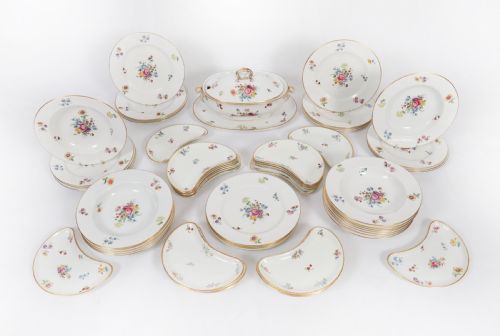
When searching for antique tureen and plates, buyers encounter complete dinner services alongside individual serving dishes and sauce tureens. These items span the Georgian, Regency, Victorian and Edwardian periods, appearing in both ceramic and silver plated forms. Most pieces function as part of larger table settings designed for formal dining and entertaining.
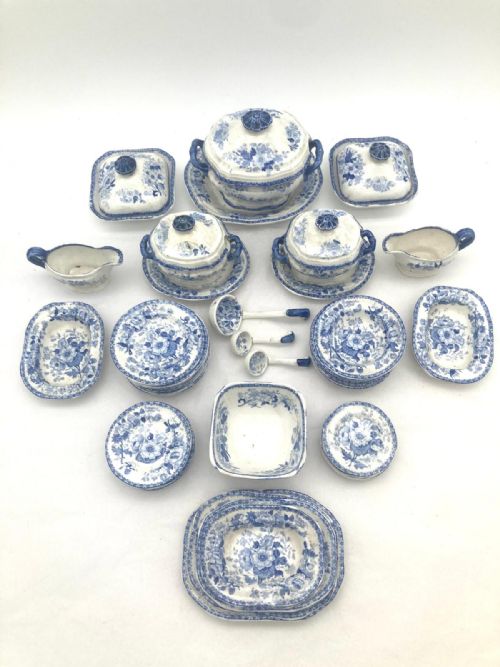
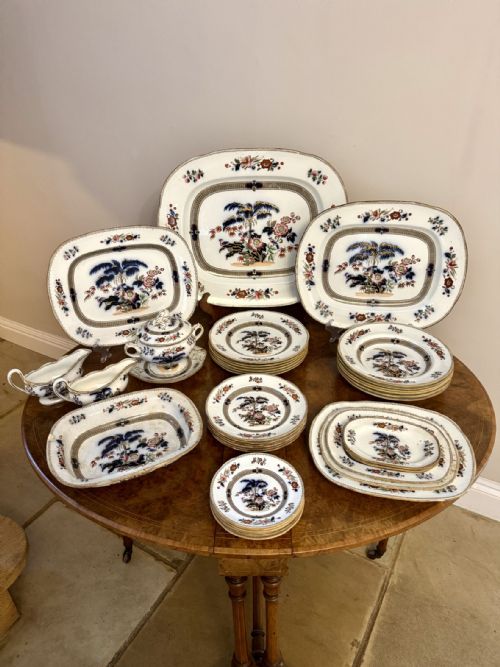
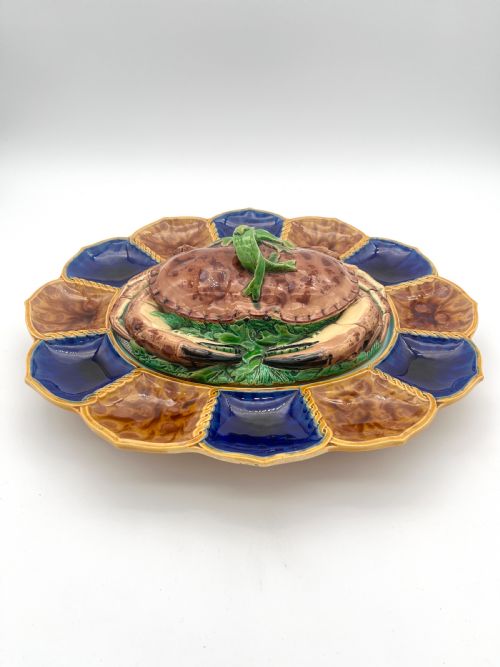
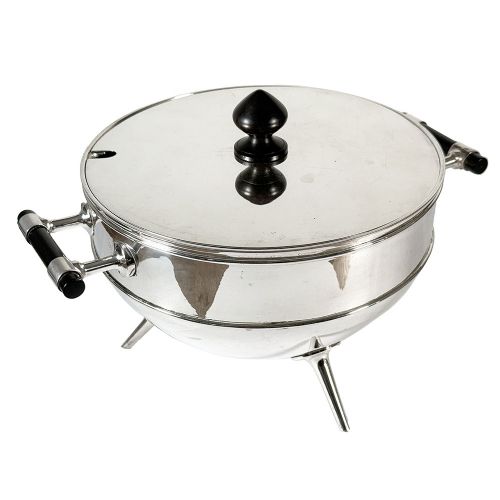
Ceramic examples include earthenware, creamware, porcelain and ironstone services decorated with transfer printing or majolica glazes. Metal options focus on Old Sheffield plate and later silver plate over copper or nickel silver. The selection ranges from miniature child services and supper sets to large multi-piece dinner services with matching platters.
Materials and construction methods
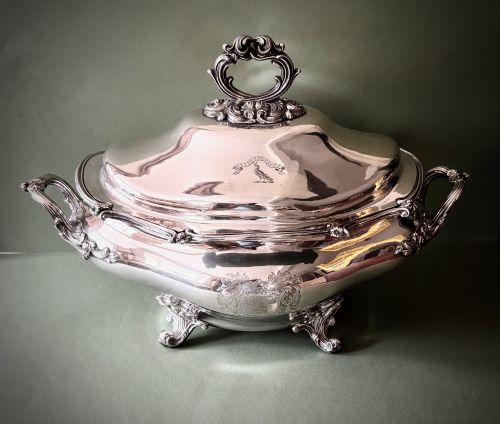
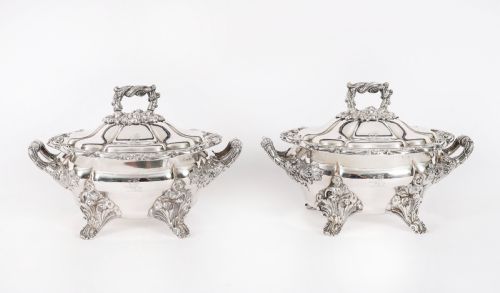
Silver plated items rely on fusing silver to copper bases through Old Sheffield methods or depositing metal via electroplating on nickel silver substrates. Metal vessels often incorporate cast handles, applied borders and engraved crests.
Ceramic services utilise earthenware, creamware, ironstone or porcelain bodies shaped through moulding and throwing. Glazing techniques include clear finishes, blue and white transfer printing in patterns like floral sheets or botanical motifs, and colourful majolica or enamel applications.
Listings feature silver plate, copper, earthenware, porcelain and enamel materials across Georgian, Regency, Victorian and Edwardian periods.
Factors determining quality
Quality rests upon the crispness of casting in metal tureens and the fidelity of transfer printing or hand-painted details on ceramics. Substantial weight in silver plate indicates thicker metal coverage over the underlying copper or nickel base, while ceramic services show distinction through uniform glaze application and complete matching components.
Maker attribution elevates certain pieces, particularly those bearing marks from established silversmiths or notable potteries. The survival of complete sets with matching stands, covers and ladles distinguishes comprehensive dining services from assembled groups.
Minton·Wedgwood·Spode·Hukin and Heath·Mappin and Webb·Hamilton and Inches·Daniel and Arter·Walker and Hall·Elkington·Cresswick·Coalport·Dan Holy
The Antique Tureen and Plates Glossary
- Tureen
- A deep covered bowl used for serving soups, sauces or entrees at the table.
- Entree dish
- A shallow covered serving vessel designed for holding main course portions or side dishes.
- Old Sheffield plate
- A composite material made by fusing a thin sheet of silver to a thicker copper base.
- Transfer printing
- A method of applying detailed decorative patterns to ceramics using engraved metal plates and tissue paper.
- Creamware
- A refined, light-coloured earthenware developed during the eighteenth century with a warm yellow-toned glaze.
Antique Tureen and Plates: Frequently Asked Questions
How were antique tureens used?
Tureens held soups, sauces or main dishes at the centre of the dining table during formal meals. Servants brought them to the table covered to retain heat before portioning food onto individual plates.
Smaller sauce tureens sat on matching stands or platters to accompany specific meat and vegetable courses. Lidded designs kept contents warm between the kitchen and the dining room.
How do I date a ceramic dinner service?
Ceramic dating relies on maker marks stamped or printed on the underside of plates and serving pieces. Reference books match these backstamps to historical operating dates for potteries like Wedgwood or Spode.
Decorative styles also indicate periods, such as blue and white transfer printing in the early nineteenth century versus colourful majolica glazes from the Victorian era.
Can I use antique dinner services daily?
Many buyers choose to display or occasionally use their antique dinner services for special dining occasions. Ceramic pieces require hand washing rather than modern dishwasher cycles to protect old glazes and earthenware bodies.
Silver plated tureens benefit from regular soft cloth wiping and specialised metal care to maintain their finish without wearing down the plating.