

Antique Tub Desk Chair
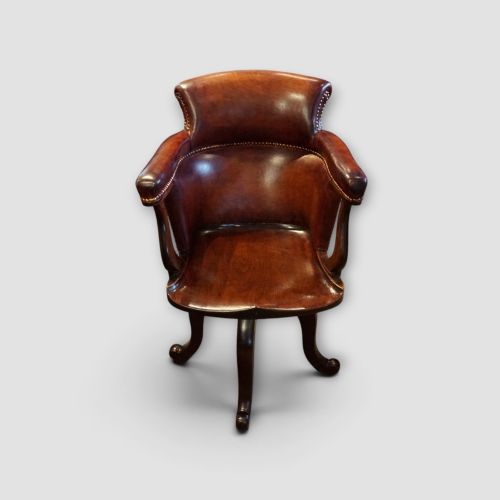
When you select an antique tub desk chair, you acquire a comfortable seating piece designed for study and writing with a rounded back enclosing the sitter.
Antique Tub Desk Chair
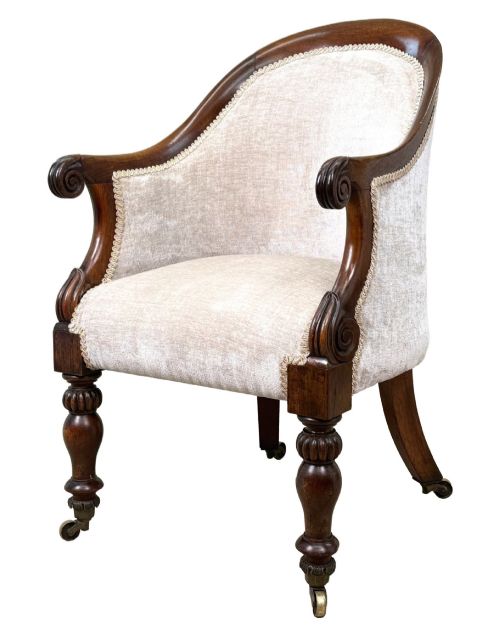
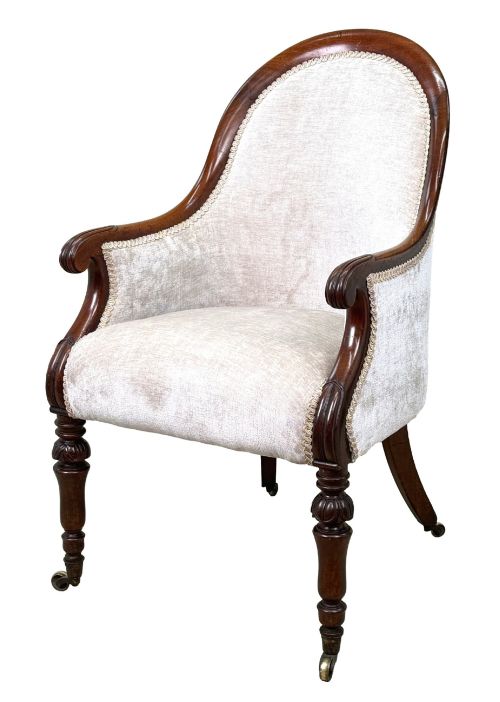
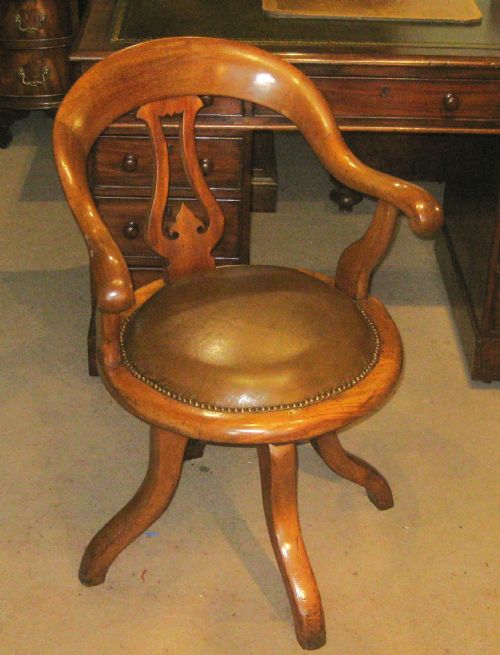
An antique tub desk chair combines the curved, enclosing back of a tub chair with the functional requirements of a desk seat, often featuring a revolving or swivel mechanism. The listings show these pieces appearing predominantly in Victorian and Edwardian periods, alongside earlier Regency and William IV examples.
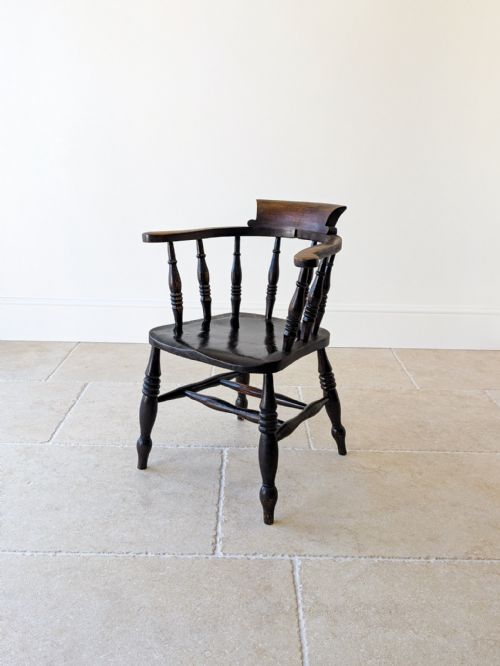
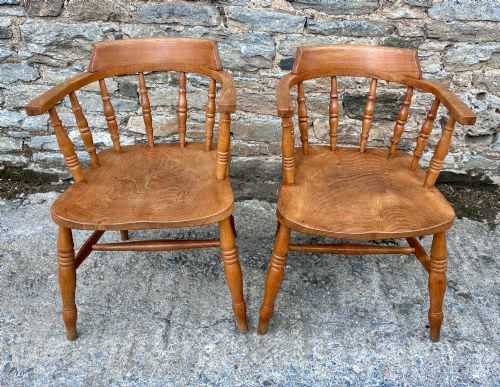
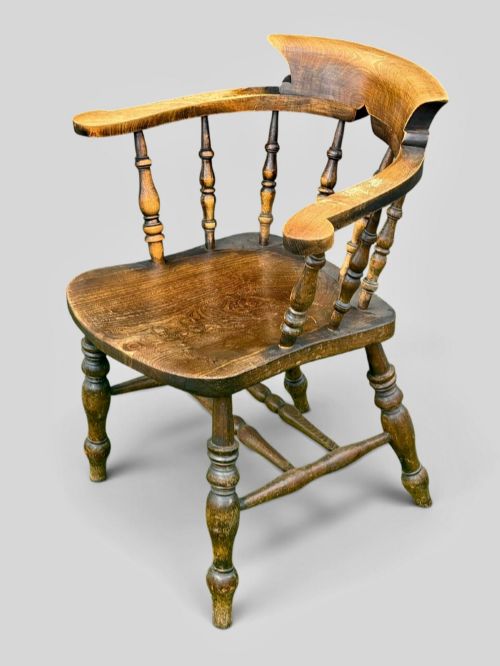
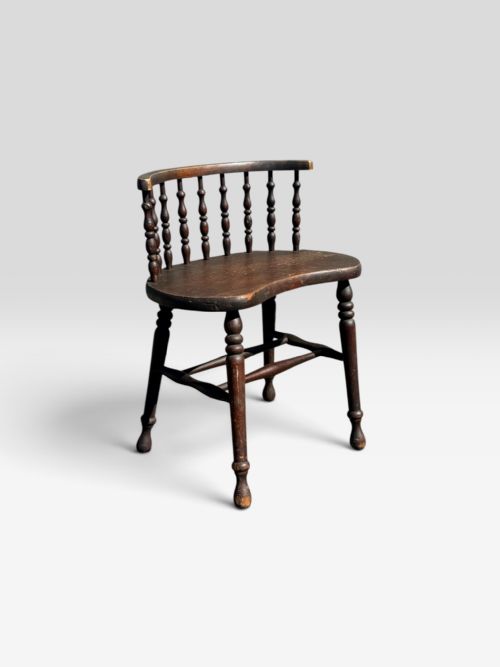
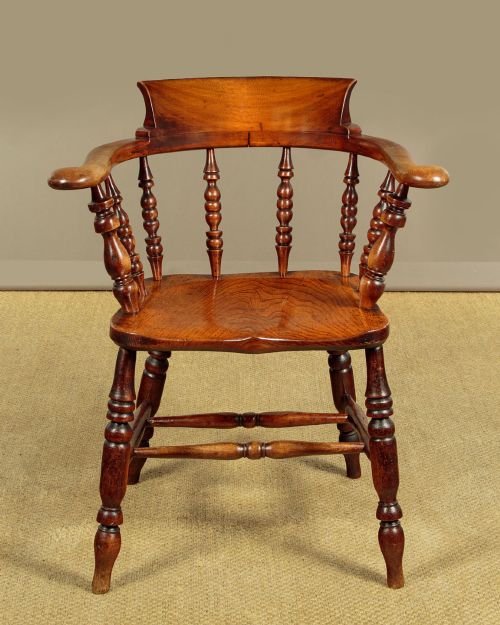
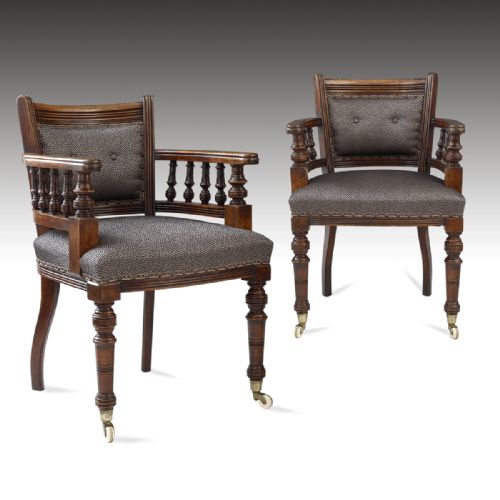
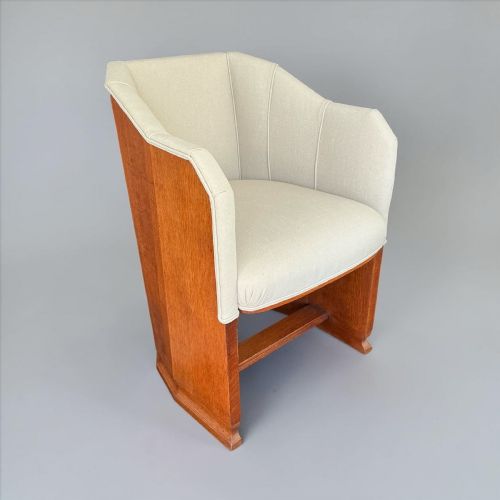
The form ranges from solid timber captain's chairs and Windsor styles in elm and ash to sophisticated library armchairs framed in mahogany, walnut, or oak. Many incorporate leather pads or full upholstery to the seat and back for extended periods of sitting at a desk.
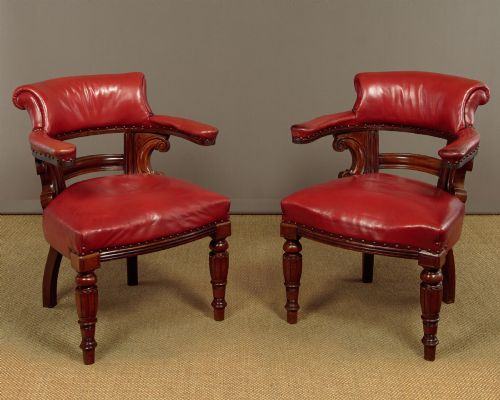
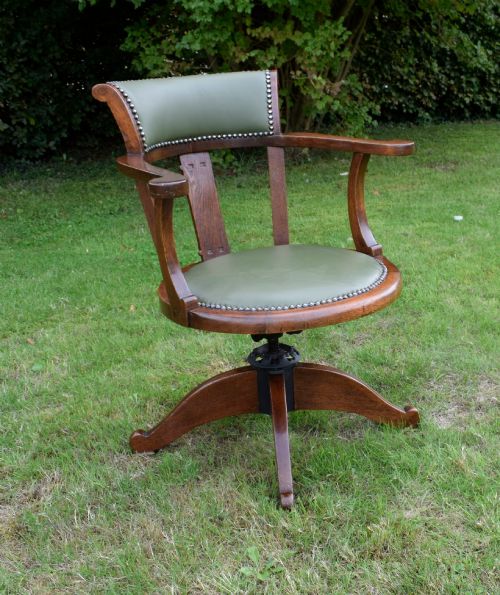
Buyers frequently encounter Edwardian oak and mahogany versions fitted with green or red leather, alongside Victorian walnut and golden mahogany revolving variants. These chairs serve functional workspaces and traditional home offices while retaining period character.
How they were made
Cabinetmakers and chair bodgers constructed these frames using native and imported hardwoods, selecting mahogany, walnut, and oak for formal library and desk chairs, and combining elm, beech, birch, and ash for country house and captain's seating. Turned spindles, curved wooden top rails, and steam-bent components formed the continuous enclosing tub backs.
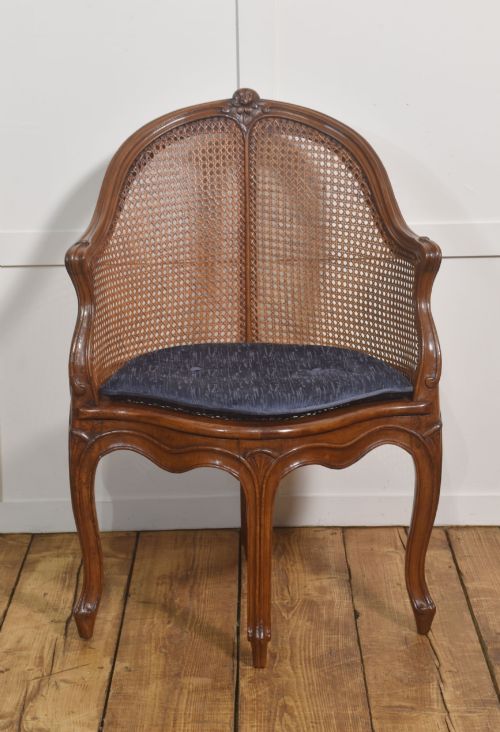
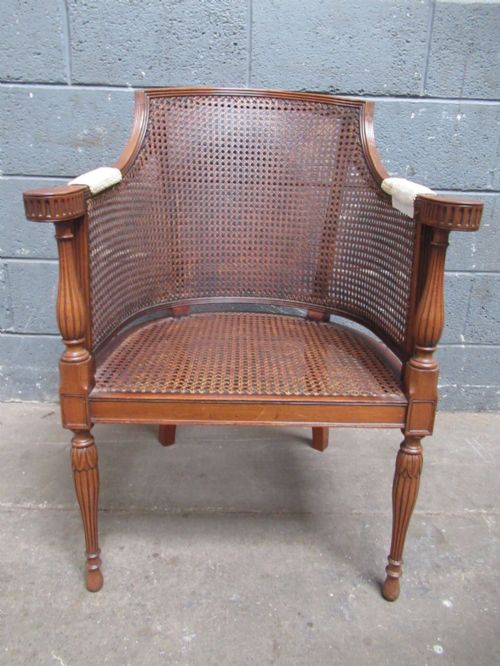
Upholstery techniques involved dropping in leather or fabric pads, securing hide with brass tacks, or integrating cane work into the backrests and seats. Revolving desk variants relied on timber and brass swivel mechanisms underneath the seat frame to allow movement.
An eighteenth-century walnut audience armchair once seated an Italian nobleman before arriving among nineteenth-century office companions.
What varies in quality
The distinction between ordinary and superior examples lies in the selection of timber figures, such as golden mahogany or richly grained walnut, and the crispness of carved details or brass inlay. Heavier gauge timbers and robust joinery in the revolving mechanisms separate sturdy library seating from lighter commercial office chairs.
Original upholstery materials, preserved patination on the wood surfaces, and intact cane panels significantly elevate the character of a piece. Finer examples maintain the structural integrity of their curved tub rails without reliance on intrusive modern hardware replacements.
C. Hindley & Sons
The Antique Tub Desk Chair Glossary
- Tub chair
- An armchair featuring a continuous rounded back and arms that form a single low, enclosing enclosure. This shape provides side support for the sitter.
- Captain's chair
- A low-backed wooden armchair, often featuring a rounded spindle rail and a saddle seat, commonly associated with nineteenth-century office use. These frequently incorporate elm and beech.
- Smoker's bow
- A low Windsor-style armchair with a turned spindle back and a bowed arm rail, closely related to the captain's chair. Country house examples often exhibit notable timber patination.
- Revolving desk chair
- A seat fitted with a central pivot mechanism allowing rotation, typically mounted on a four or five-legged timber base. These are frequently found in Victorian and Edwardian office settings.
- Caned
- A technique where woven rattan or split cane forms the backrest or seat panel of a chair. This method introduces lightness to heavy hardwood frames.
Antique Tub Desk Chair: Frequently Asked Questions
What is a tub desk chair?
A tub desk chair is a seating piece featuring a curved, enclosing backrest designed to support the sitter while working at a desk or table. These chairs combine the enveloping shape of a traditional tub seat with functional bases suitable for office use.
Evidence on this page shows versions ranging from simple elm captain's chairs to mahogany and leather revolving library seats dating from the Victorian and Edwardian eras.
Were these chairs used in offices?
Yes, many of these chairs served nineteenth and early twentieth-century offices, studies, and libraries. Revolving and adjustable models were specifically engineered for administrative work.
Surviving examples frequently show sturdy oak and mahogany frames paired with durable leather upholstery designed to withstand daily professional use.
How do I identify a Victorian tub chair?
Victorian tub chairs are typically identified by dense hardwoods such as mahogany, walnut, or oak, often combined with hand-tooled leather or rich velvet upholstery. Turning styles on the legs and spindles reflect nineteenth-century cabinetmaking conventions.
Reference to the listed pieces reveals Victorian examples frequently incorporating revolving mechanisms and deep buttoned or studded leather pads.
Can I use an antique desk chair daily?
These chairs were built for regular seating in studies and offices using solid hardwoods like oak, mahogany, and beech. Their robust construction supports everyday use when placed at a suitable modern desk height.
Checking the mechanical stability of swivel bases and the firmness of the frame ensures the chair remains practical for contemporary workspaces.