




Antique Tsuba
These antique tsuba are sword guards that protect the hand, offering collectors a tangible piece of Japanese craftsmanship from feudal times onwards.
Antique Tsuba
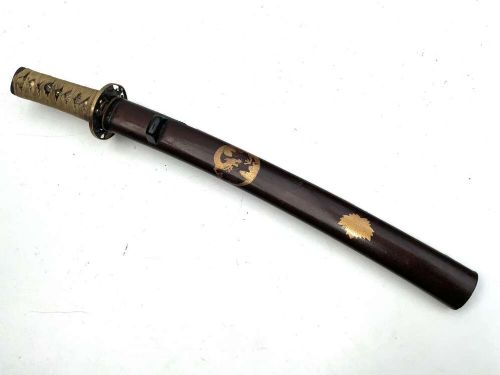
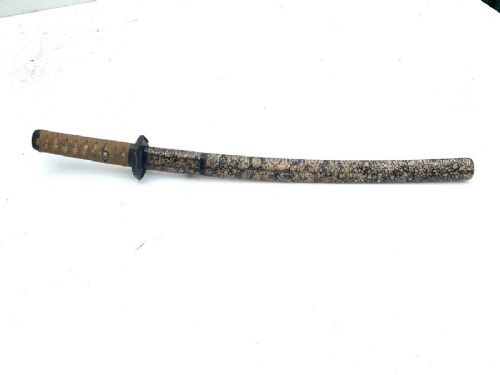
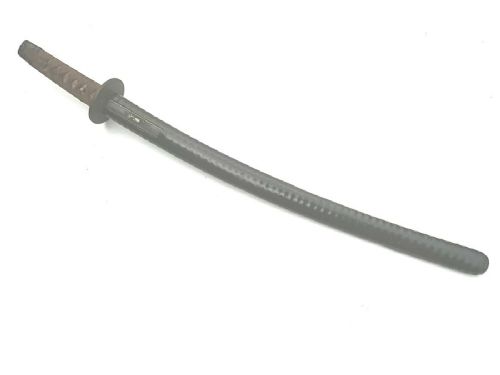
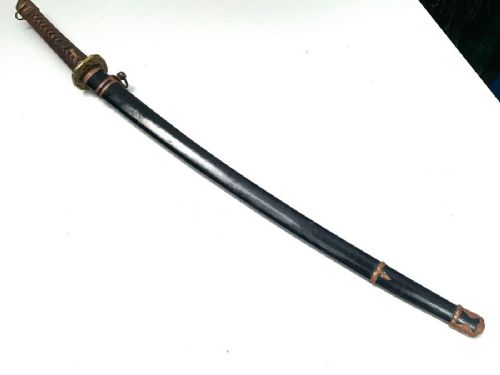
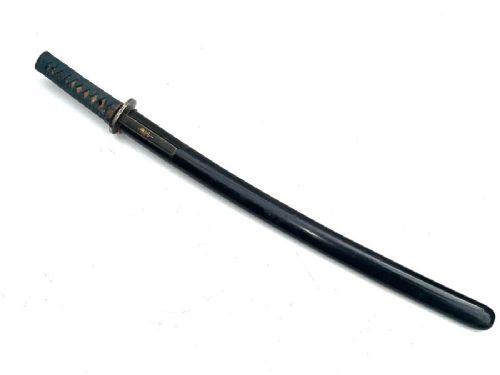
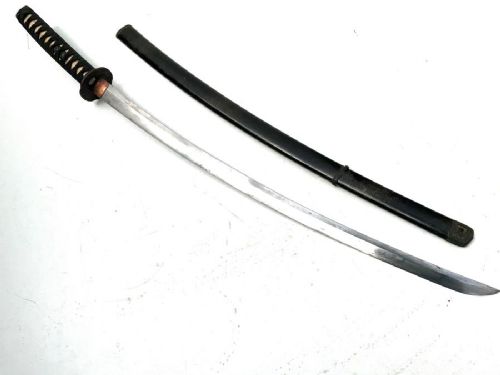
When you search for antique tsuba, you are looking at sword guards that originate from Japanese swords, including wakizashi, tachi and katana mountings. These pieces span centuries, ranging from Muromachi period examples to Edo period and Meiji period creations, right through to Showa period military mountings.
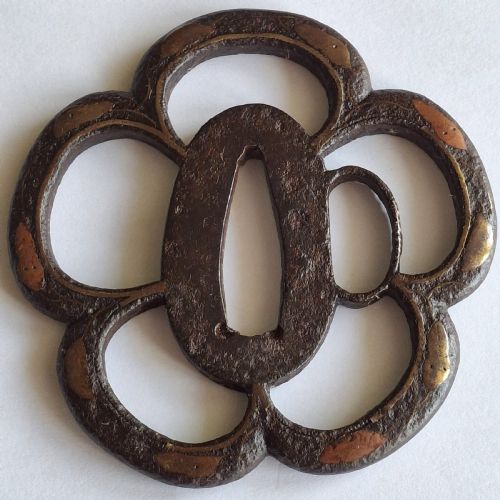
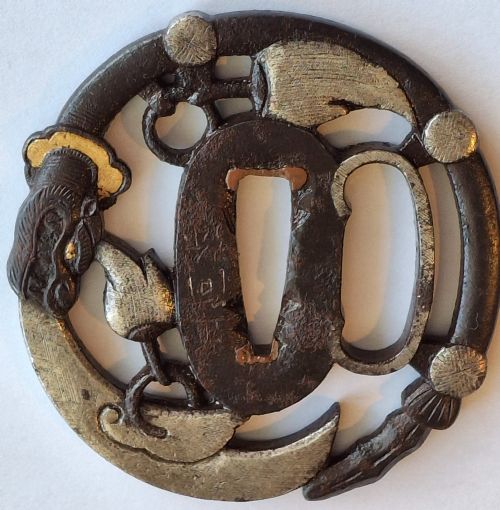
The versions you are most likely to meet on this page include iron guards with copper or silver overlay, as well as specialised pieces featuring cloisonne enamel. They serve as distinct elements of Japanese edged weapons, functioning historically as hand guards on samurai swords.
Materials and construction
Makers shaped these sword guards primarily from iron and steel, often applying bronze or brass elements alongside detailed metalwork. Artisans utilised lacquered wood, ray skin and rayskin in related sword mountings and fittings.
Surface decoration involved high relief casting and copper inlay, alongside silver overlays depicting subjects like dragons and herons. Signed examples demonstrate individual metalworking skill, while some pieces incorporate folklore motifs rendered in cloisonne enamel.
Listings feature iron, steel, bronze, brass, wood, lacquer, ray skin and cloisonne enamel across periods from the sixteenth century to the twentieth.
Assessing quality
Quality rests upon the precision of the metalwork, the depth of the high relief carving and the clarity of any inlay work. Finer guards display deliberate balance in their iron or bronze structure, with well-executed details such as the polearm of Guan Yu or dragon and pearl motifs.
The presence of a signature separates standard production from superior artistry. Material selection also dictates worth, where complex cloisonne enamel or meticulous silver overlay distinguishes the work.
The Antique Tsuba Glossary
- Tsuba
- A Japanese sword guard placed between the blade grip and the blade itself. It protected the hand during combat.
- Wakizashi
- A traditional Japanese short sword often paired with a katana. Samurai wore this companion blade during the feudal era.
- Tachi
- An early style of Japanese sword worn suspended edge-down from the belt. These blades pre-date the standard katana mounting.
- Katana
- A long, curved Japanese samurai sword designed for slashing. It formed the primary weapon of the warrior class.
- Edo period
- A historical epoch in Japan lasting from the early seventeenth century to the mid-nineteenth century. This era produced many of the detailed sword fittings collected today.
Antique Tsuba: Frequently Asked Questions
What is an antique tsuba used for?
An antique tsuba served as a hand guard on traditional Japanese swords like the katana and wakizashi. It protected the wielder's hand from sliding forward onto the blade during combat.
Over time, these guards evolved from pure utility into highly decorative items showcasing metalwork skills, storytelling motifs and clan loyalty.
How do I identify an Edo period tsuba?
Edo period tsuba typically feature distinct iron or steel construction decorated with copper inlay, high relief carving or precious metal overlays. Examining the patina of the metal helps indicate its age.
Signatures or specific artistic motifs like dragons, folklore scenes or natural subjects also point towards the craftsmanship associated with this historical period.
How should I display an antique tsuba?
Displaying an antique tsuba involves using dedicated stands that support the weight of the metal guard securely. Keeping the piece away from direct sunlight and excessive moisture protects the iron patina and any inlaid metals.
Handling the guard with clean hands prevents oils from damaging the historical surface and preserves the intricate details of the carving.