





Antique Tribal Artifact
An antique tribal artefact carries the weight of ritual and daily life across continents, offering a direct connection to historic Indigenous traditions.
Antique Tribal Artifact
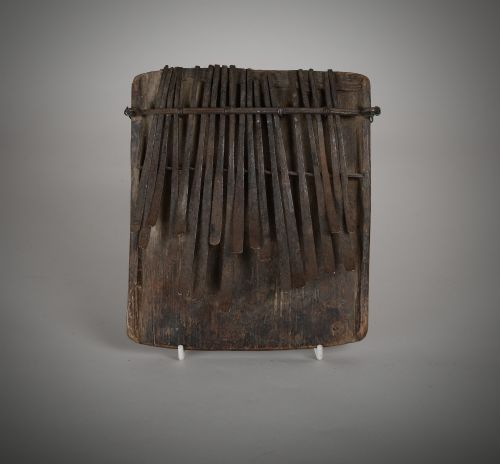
When you search for an antique tribal artefact, you encounter a diverse range of objects from African, Oceanic, Indigenous Australian, Asian and American cultures. These pieces span utility, ceremony and warfare, originating primarily from the eighteenth, nineteenth and early twentieth centuries.
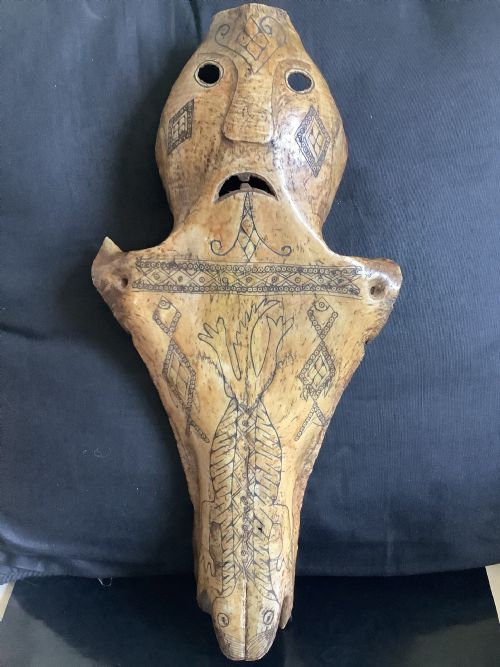
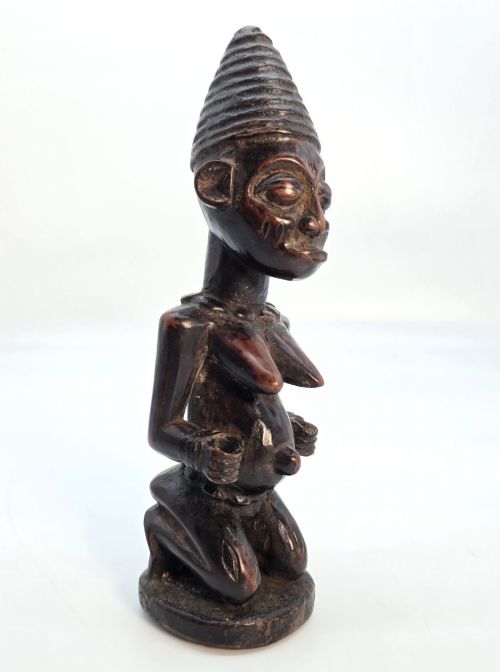
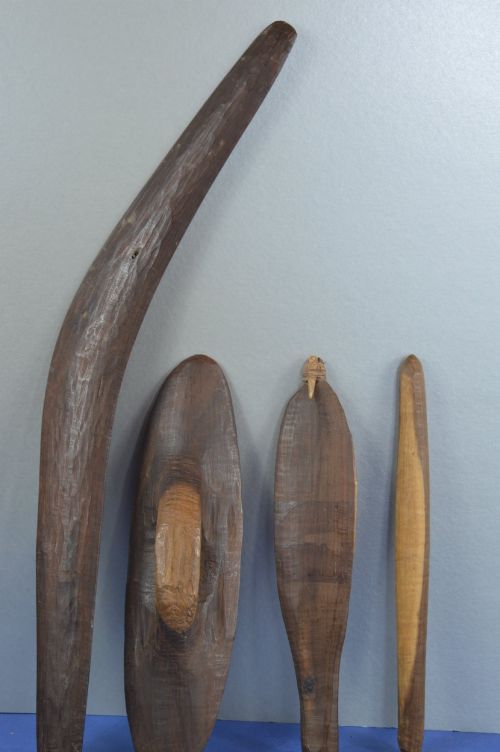
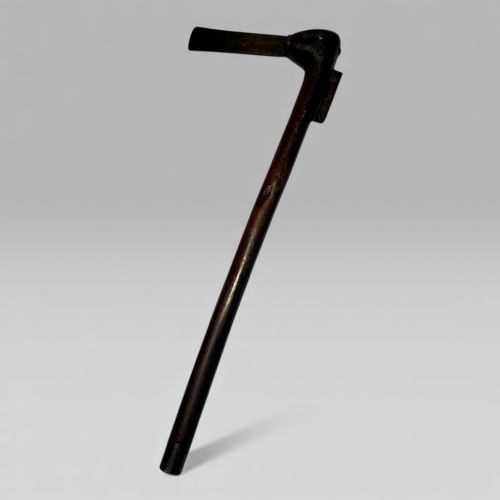
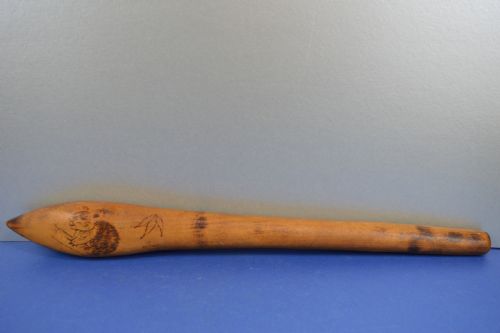
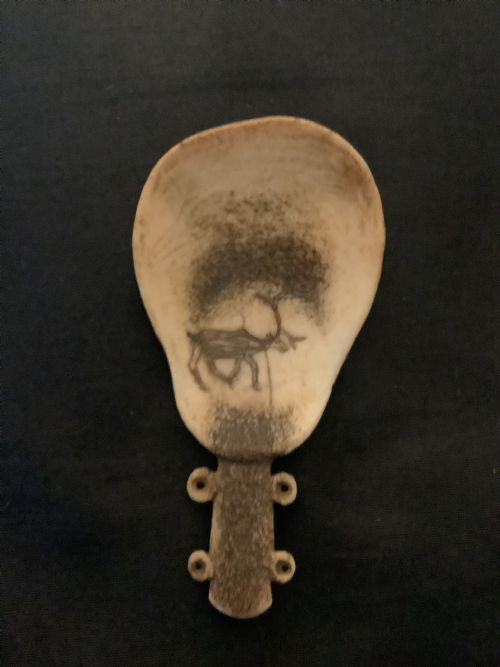
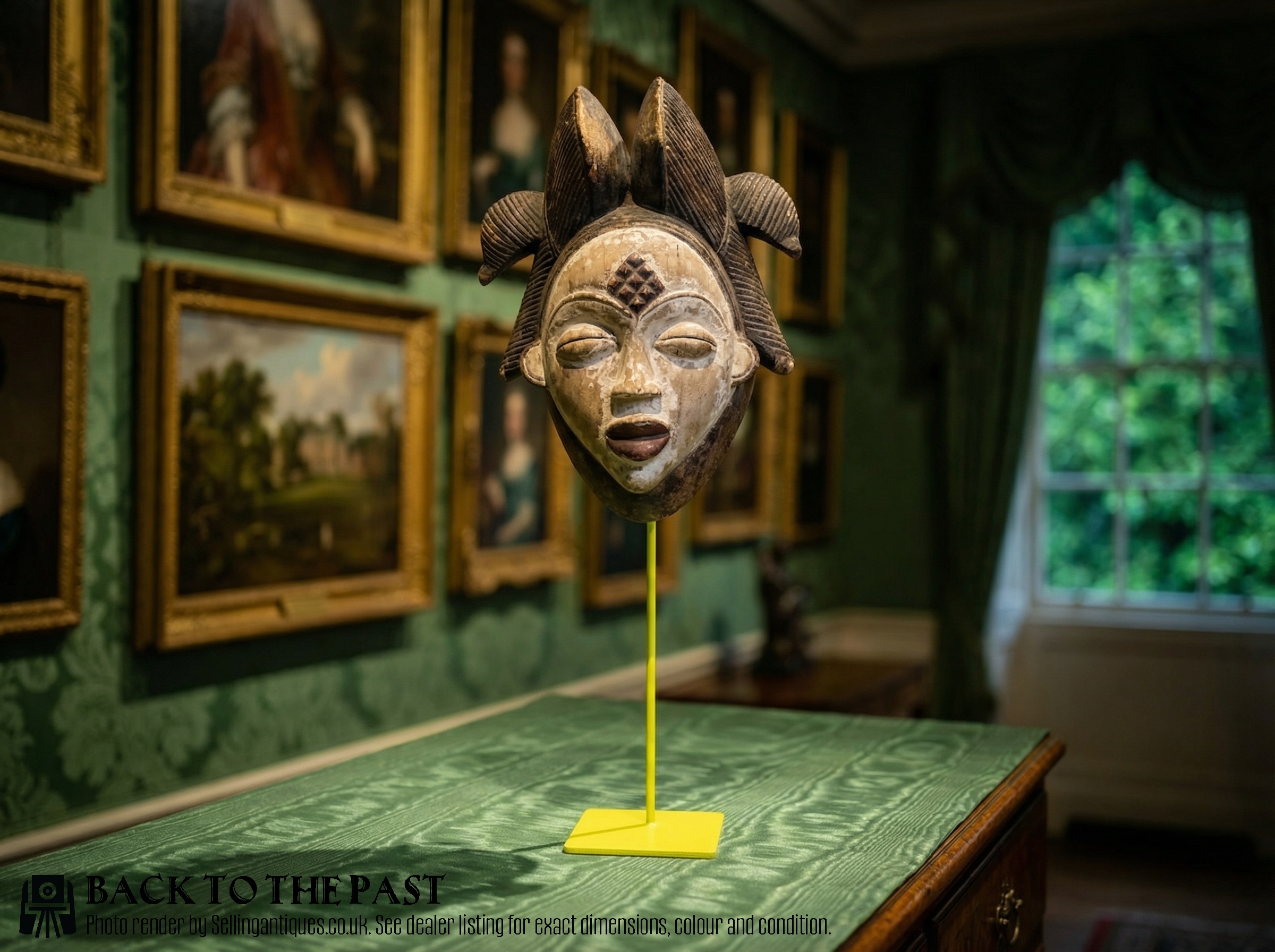
The most common examples on this page include hardwood and softwood throwing clubs, ceremonial axes, carved wooden figures, masks and utilitarian items such as spoons and pipes. Each category reflects the specific material culture of the region from which it was gathered.
Geographic attribution forms the core of these items, with distinct styles emerging from regions such as the Congo, Zulu territories, Papua New Guinea, and Aboriginal Australia. Collectors look for these regional markers to understand the function and provenance of each piece.
Materials and construction methods
Makers utilised dense native hardwoods such as ironwood alongside animal materials including bone, antler and whalebone to shape clubs, weapons and tools. Pigment was frequently applied to wooden surfaces for decoration or ritual significance.
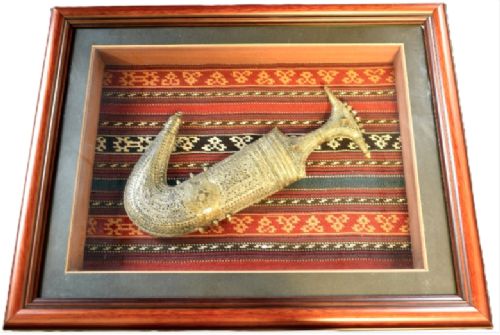
Metal components appear in the form of forged iron blades, brass wire and silver repousse work, particularly on daggers, axes and ceremonial staffs. These metals were often integrated with wooden shafts using traditional binding techniques.
Carving was executed entirely by hand using adzes, chisels and smaller blades, leaving tool marks that reveal the rhythm of the maker's hand. Surface finishes vary from untreated dry timber to polished patinas developed through handling and application of oils.
Current listings feature items from the 18th, 19th, and early 20th centuries, utilising wood, bronze, bone, and iron.
Assessing standard and execution
Quality rests upon the strength of the carving and the integrity of the form, where confident proportions distinguish a masterwork from a simpler utility item. Objects intended for ceremonial or chiefly use tend to display more ambitious sculptural ambition.
The depth and nuance of surface patina indicate the extent of historic use and handling, with undisturbed surfaces holding greater visual authority. Integrity of the original materials without modern intervention remains paramount for serious collectors.
The Antique Tribal Artifact Glossary
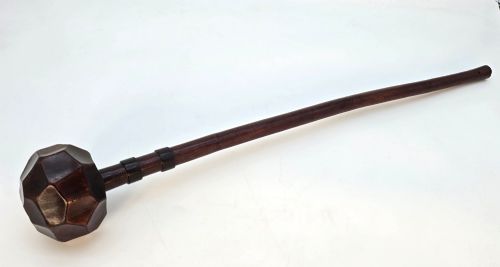
- Knobkerrie
- A traditional African wooden club featuring a heavy ball or rounded knob at the striking end. These implements served both as weapons and symbols of status.
- Woomera
- An Australian Aboriginal spear-thrower that acts as an extension of the arm to increase velocity. They are often shaped from curved hardwood and sometimes double as carrying trays.
- Patina
- The surface sheen and colour acquired by wood, metal or bone through age and handling. A rich patina provides evidence of authenticity and historical use.
- Repousse
- A metalworking technique where the metal is hammered from the reverse side to form a raised design in relief. This method appears on decorative mounts and weapon frames.
- Provenance
- The documented history or known origin of an object. Clear provenance helps establish cultural context and period.
Antique Tribal Artifact: Frequently Asked Questions
How do I know if a club is authentic?
Examine the tool marks, timber density, and surface wear for consistency with nineteenth-century hand manufacturing techniques. Genuine examples display natural patination from years of handling rather than artificial ageing.
Compare the specific form and decorative motifs against documented examples from the same culture or region. Consultation with specialist literature helps verify traditional proportions and construction methods.
What materials were commonly used?
Makers relied heavily on dense local hardwoods, animal bone, antler, and whalebone for structural durability in weapons and tools. Iron, brass, and bronze also appear in forged blades, decorative mountings, and cast sculptures.
Organic pigments and natural fibres were frequently added for ritual adornment or functional binding. Each material reflects the ecological resources available to the specific maker.
How should I display these objects?
Mount wooden weapons and carvings securely using non-invasive custom stands that support the weight without stressing weak points. Keep pieces away from direct sunlight and sudden temperature shifts to protect organic materials.
Maintain stable indoor humidity levels to prevent timber from splitting or bone from drying out excessively. Minimal handling preserves the delicate surface patina.
Are ceremonial items different from weapons?
Ceremonial pieces often incorporate finer sculptural details, precious metals, or pigments that render them impractical for actual combat. They were created to denote status, communicate lineage, or perform ritual duties.
Utilitarian weapons, conversely, prioritize functional balance and durable timber construction over decorative embellishment. Both categories provide insight into historic community structures.