


Antique Treasure Box
An antique treasure box holds small valuables, and you are most likely to meet Victorian and 19th-century specimens crafted from timber and metal.
Antique Treasure Box
When you search for an antique treasure box, you encounter an array of strongboxes, caskets, and small trunks designed to safeguard valuables, documents, and jewellery. The selection includes stout iron-bound trunks, travel caskets, and intricately carved wooden receptacles intended for tabletops or secure transport.
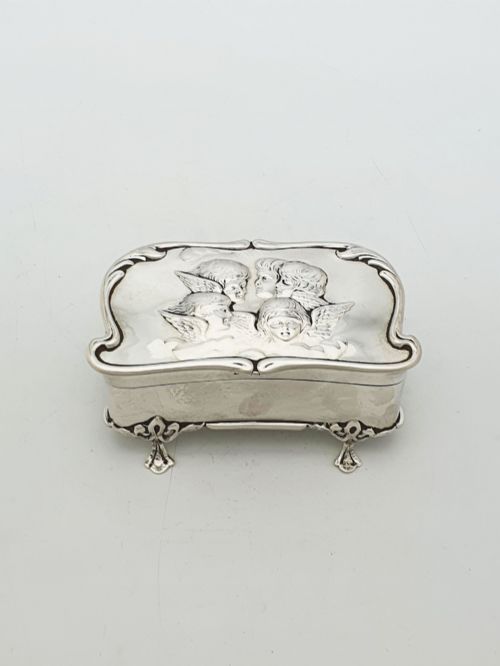
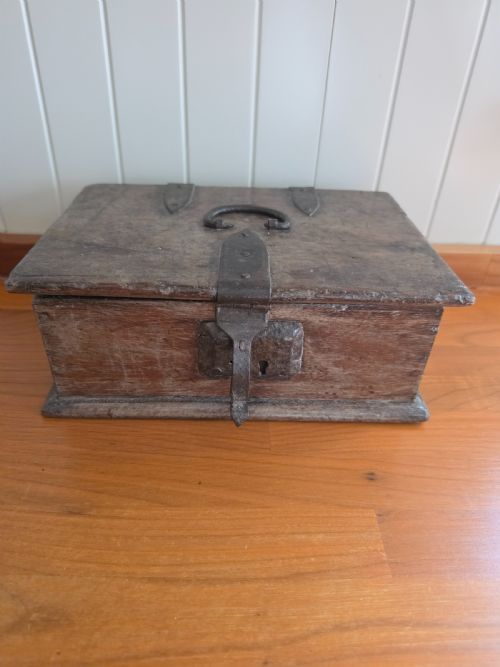
The specimens you meet on this page span from sturdy 16th-century oak travelling strongboxes to ornate Victorian jewellery receptacles and Georgian mahogany pieces. Many function as decorative boxes, trinket boxes, or specialised containers like spice boxes and puzzle book boxes for coins.
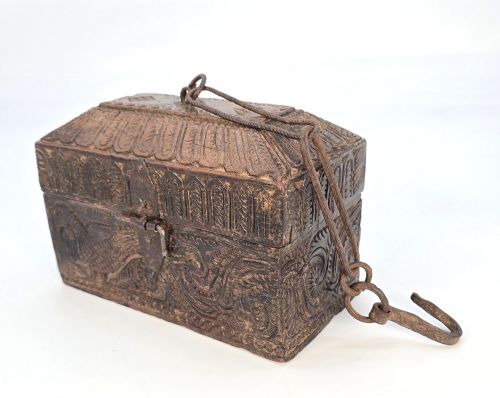
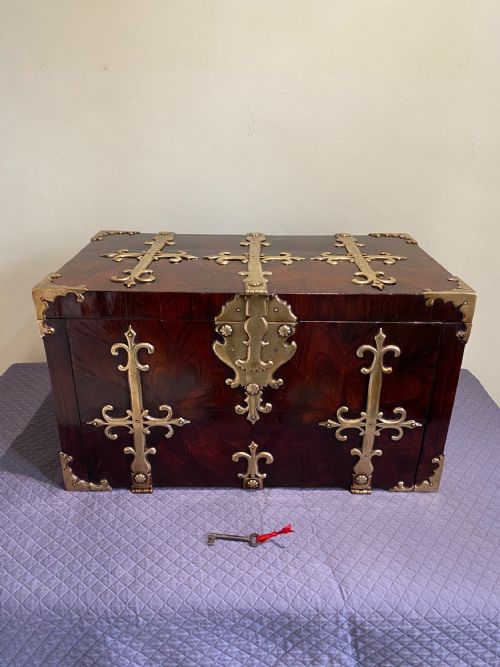
Origins vary widely, encompassing English, Scandinavian, German, Chinese, and Indian workshops, reflecting diverse regional cabinetry and metalwork traditions. You will find pieces finished in Kingwood oyster veneer, pollard oak, painted pine, and solid bronze, alongside leather-clad examples.
How they were made
Cabinetmakers and metalworkers utilised durable timbers such as oak, walnut, teak, and pine, often enhancing plain woods with decorative veneers like kingwood and flame mahogany. Construction frequently involved robust dovetail joints or iron banding to ensure structural integrity for travelling or secure storage.
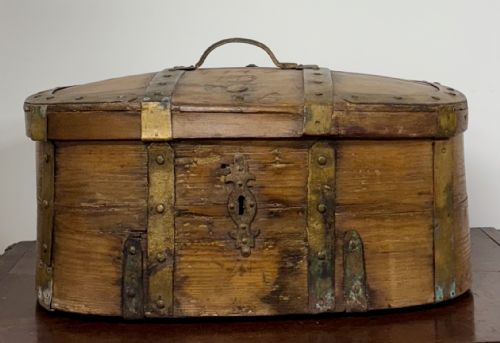
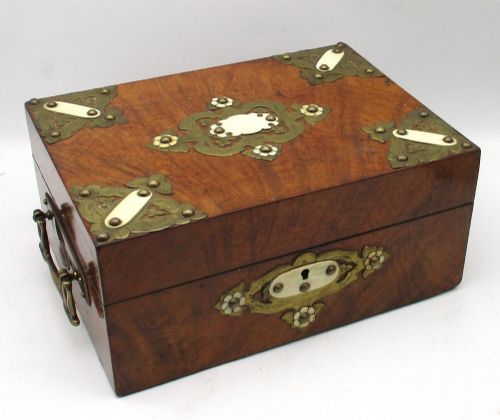
Iron and brass featured heavily for structural reinforcement and security, providing strapwork, corner brackets, locks, and handles on strongboxes and trunks. Artisans also applied hand-carving, marquetry, and painted finishes to Scandinavian and continental surfaces to create ornamental appeal.
The inventory spans multiple centuries, incorporating 16th-century travelling strongboxes, Georgian mahogany pieces, and Victorian stationery boxes.
What varies in quality
The calibre of an antique treasure box rests upon the precision of its joinery, the selection of timber veneers, and the integrity of its metal mounts and locking mechanisms. Finer examples display meticulous oyster veneering, substantial bronze or solid silver elements, and sophisticated internal compartments.
Provenance and regional craftsmanship dictate distinction, separating utilitarian pine containers from elaborate marquetry coffre forts and exhibition-grade presentation chests. The sophistication of hand-carved details and the preservation of original leather, gilt interiors, or painted surfaces further define the upper tier.
The Antique Treasure Box Glossary
- Coffre fort
- A strongbox or chest designed for securing valuables and money, typically reinforced with iron straps and heavy locks. These continental boxes often feature intricate locking mechanisms housed within the lid.
- Strongbox
- A heavily reinforced box constructed from iron and wood to protect currency and documents from theft and fire. They rely on robust metal banding and substantial bolts.
- Oyster veneer
- Slices of wood cut across the branch to create circular or oval patterns resembling oyster shells. This technique appeared widely on fine cabinetry.
- Mule chest
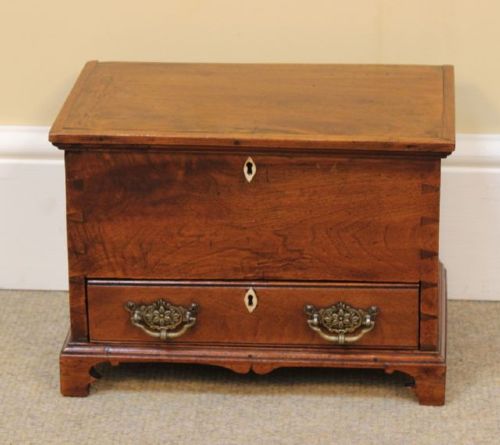
- A traditional storage chest featuring one or more drawers at the base beneath a primary compartment. Apprentices often created smaller scaled versions as masterworks.
- Marquetry
- Inlaid woodwork arranged in decorative patterns using various coloured wood veneers. Artisans utilised this technique to adorn continental cabinet furniture.
Antique Treasure Box: Frequently Asked Questions
What were antique treasure boxes used for?
These receptacles served multiple domestic and commercial purposes, ranging from the secure storage of coinage and legal documents to housing delicate jewellery and keepsakes.
Travellers utilised strongboxes and travelling trunks for valuables on long journeys, while smaller caskets sat upon dressing tables for daily trinkets.
How do I date an antique treasure box?
Dating relies upon examining construction techniques, timber species, hardware styles, and any surviving maker marks or dated inscriptions.
Earlier pieces from the 16th and 17th centuries typically display heavy oak construction with rudimentary iron mounts, whereas 19th-century examples often incorporate precision veneers and elaborate brass hardware.
How do I care for wooden and metal boxes?
Preservation requires stable environmental conditions away from direct sunlight and extreme humidity changes that cause wood to split or metal to corrode.
Apply occasional appropriate wax polish to timber surfaces and keep iron or brass mounts clean with a dry, soft cloth to maintain the original finish.