

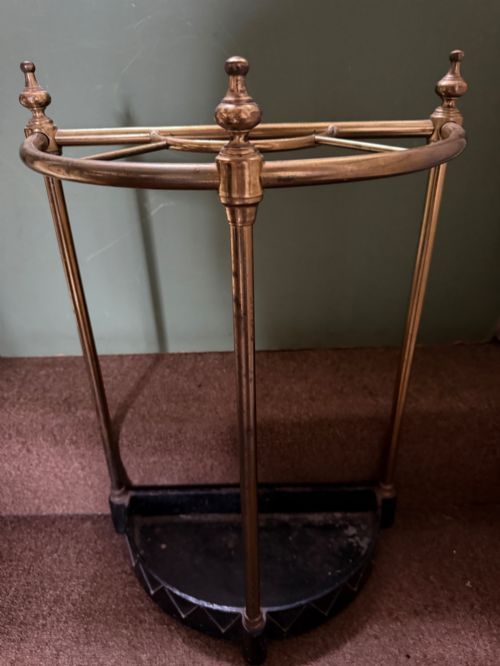
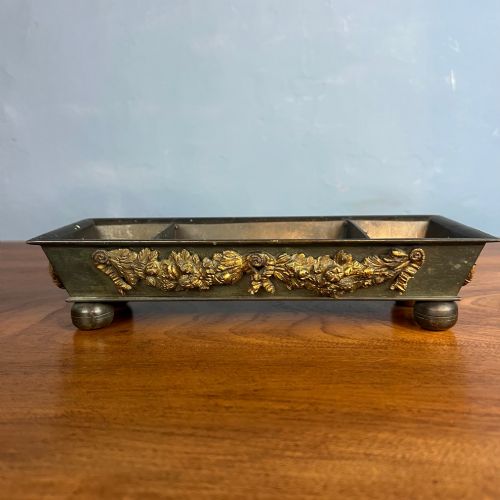
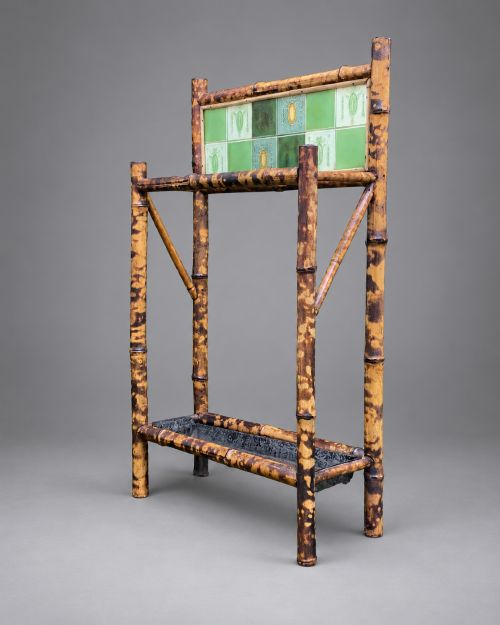
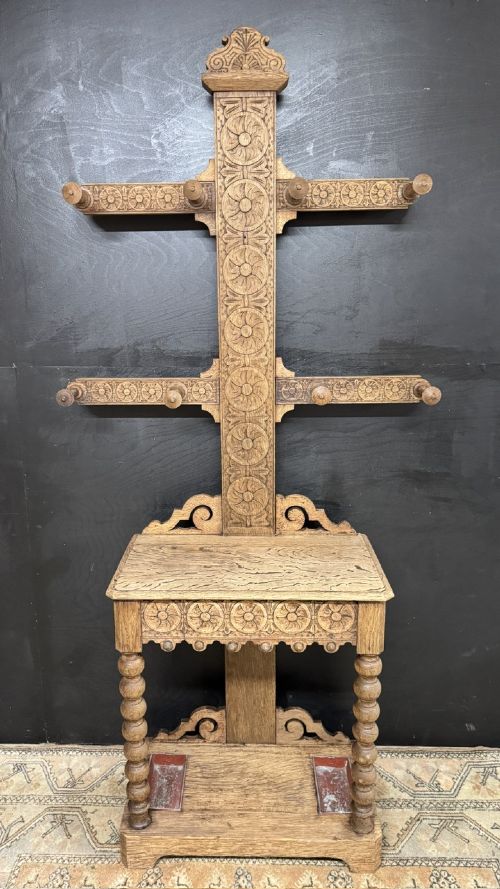
Antique Tray on Stand
When you select an antique tray on stand, you acquire a versatile serving piece that combines a removable tray with a dedicated folding or rigid support.
Antique Tray on Stand
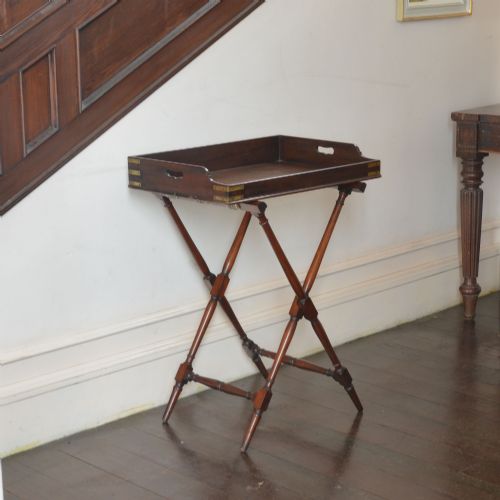
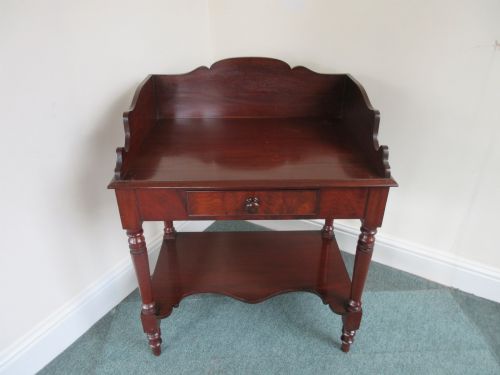
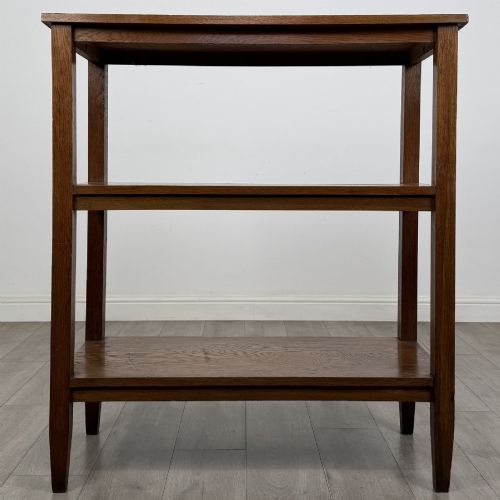
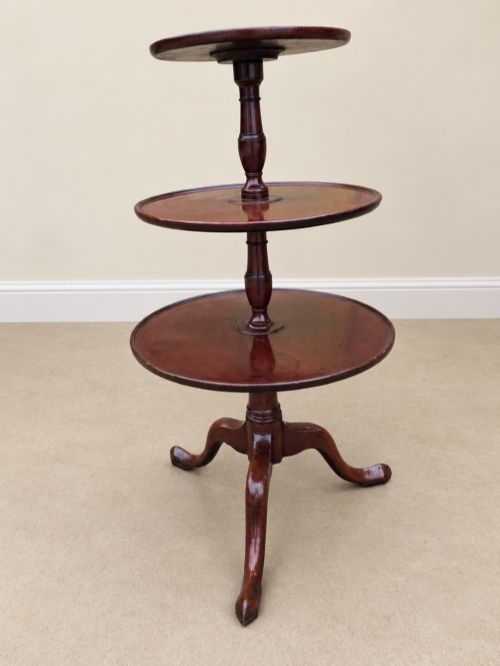
An antique tray on stand typically comprises a shallow wooden serving tray resting upon a separate folding or fixed wooden frame. The evidence shows these pieces span the Georgian, Victorian, and Edwardian eras, with mahogany being a predominant timber alongside oak and walnut.
Many examples feature rectangular or oval trays with cutout handles, often paired with X-frame folding stands designed for easy storage after serving. Buyers frequently encounter butler-style serving trays adapted into low tables or occasional surfaces for domestic spaces.
Materials and construction
Cabinetmakers utilised solid timbers and veneers such as mahogany, oak, and walnut, frequently applying hand-turned legs and pegged joinery to the folding or fixed stands. Surviving pieces incorporate brass hinges, gallery edges, and inlaid satinwood details.
Finishes range from French polish to waxed oak, protecting the timber surfaces while highlighting the natural grain of the wood. Metal elements such as brass carry handles and fastening brackets appear across 19th-century examples.
Antique Tray on Stand Retail Price Guide 2026
Typical asking prices for tray on stand among the pieces listed under this phrase on Sellingantiques today, from the lower quarter to the upper quarter. They describe what is for sale here now, not the wider market.
The listings on this site record tray on stand examples spanning the Georgian, Victorian, and Edwardian periods in mahogany, oak, and walnut.
Assessing craftsmanship
The standard of craftsmanship shows in the crispness of the hand-cut dovetails on the tray corners and the snug fit of the tray resting inside its supporting stand. Superior examples display carefully figured wood grains, such as flame mahogany or satinwood stringing.
Proportion and stability dictate the merit of the piece, with finer stands exhibiting balanced turnings, original brass hardware, and tightly fitted folding mechanisms that lock securely into place without wobble.
Elkington and Co·Liberty Design
The Antique Tray on Stand Glossary
- Butler's tray
- A portable serving tray with hinged or cutout sides that lifts off its support frame. These were traditionally used in large houses for clearing dining tables.
- Gallery edge
- A raised border surrounding the perimeter of a tray to prevent items from sliding off during transport. This feature is common on Georgian and Victorian serving surfaces.
- X-frame
- A folding support base formed by two intersecting wooden legs shaped like the letter X. It allows the stand to collapse flat when not in use.
- Satinwood
- A lustrous, yellowish timber native to India and Ceylon used for contrasting inlay work on mahogany furniture. It adds decorative detail to borders and centre panels.
- Tilt-top
- A mechanism allowing the tabletop or tray surface to pivot into a vertical position for compact storage against a wall.
Antique Tray on Stand: Frequently Asked Questions
How were tray stands originally used?
Servants used these pieces to carry food and drink from the kitchens to the dining rooms or parlours. The removable top allowed the tray to function independently before being placed back onto the stand for display.
In domestic service, the folding nature of the stand meant staff could pack the furniture away swiftly when the serving was complete.
Are the trays permanently fixed to the stands?
Most traditional examples feature a tray that lifts off the stand entirely, resting within a frame or on horizontal rails. This portability was essential for the original function of carrying items across a house.
Some later or alternative configurations secure the tray to the base, transforming the piece into a permanent occasional or coffee table.
How do I date an antique tray on stand?
Dating relies on timber selection, hardware types, and cabinet-making techniques observable across the piece. Georgian and Regency examples often feature dense mahogany with hand-cut dovetails, while Edwardian versions may display lighter satinwood inlay.
Checking the construction of the stand and the wear patterns on the underside of the tray helps confirm the period of origin.
How do I care for a wooden tray surface?
Protect the timber by using coasters and mats to prevent moisture rings from hot drinks or condensation. Regular dusting with a soft, dry cloth preserves the wax or polish finish without harming the historic wood.
Keep the furniture away from direct heat sources and strong sunlight to prevent the timber from drying out or warping over time.