





Antique Trap
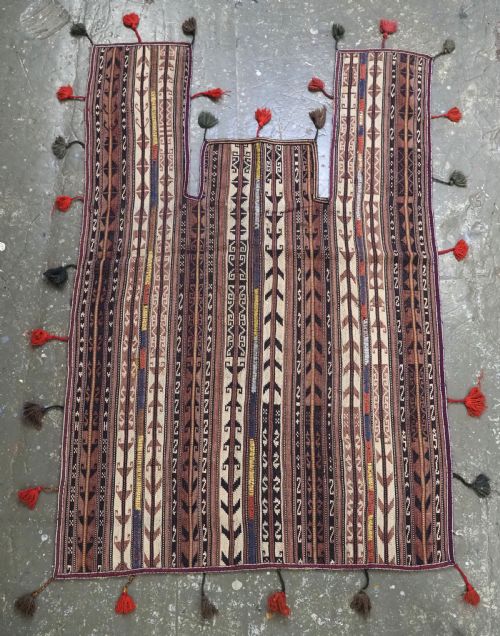
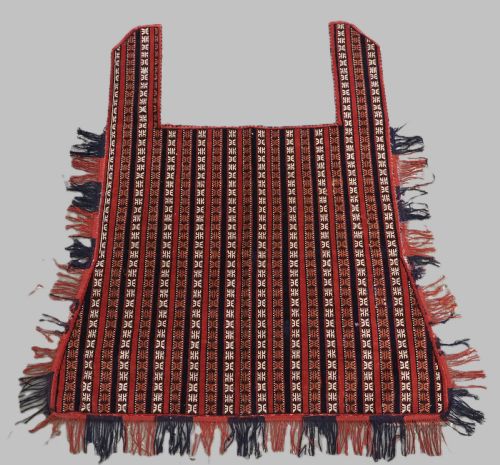
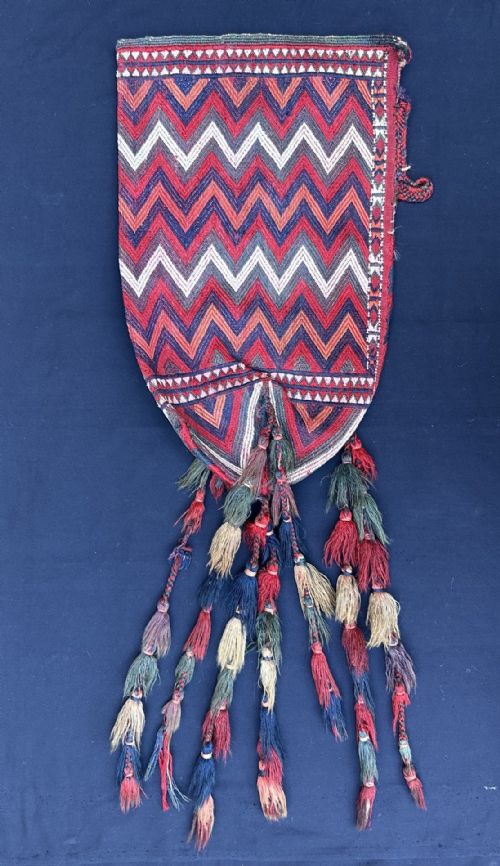
When buyers search for an antique trap, they find tribal horse blankets, camel trappings, woven bags, and occasionally carved wooden figures or glass vases.
Antique Trap
An antique trap search reveals a diverse selection of woven nomadic trappings alongside unrelated items like Victorian glassware, drawings, and wooden carvings. The primary focus of these pieces rests on Central Asian and Persian tribal textiles created for ceremonial or domestic animal use.
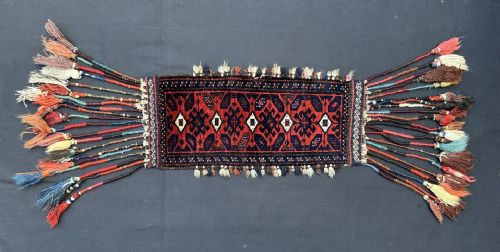
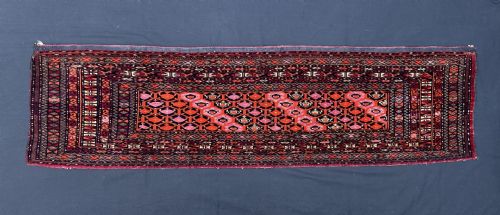
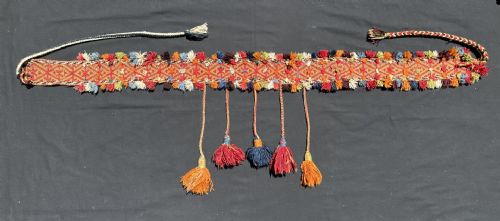
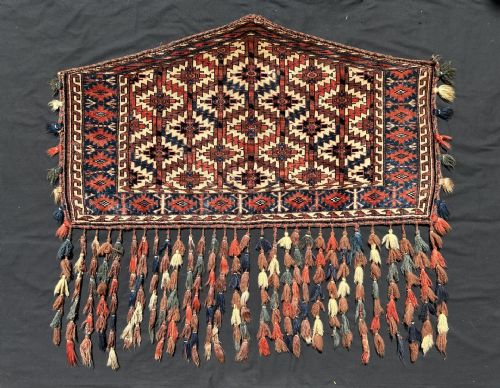
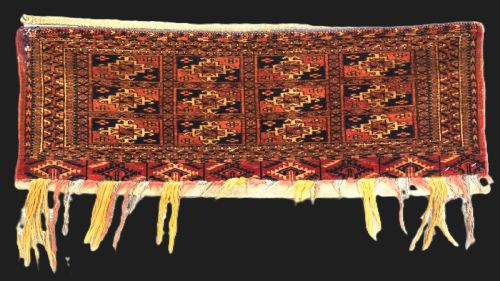
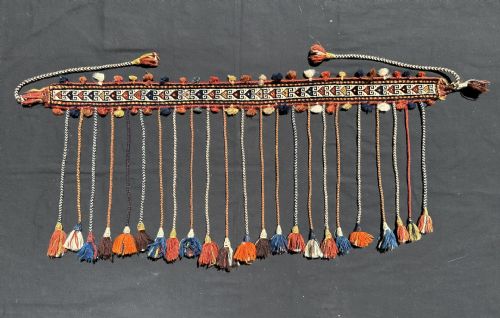
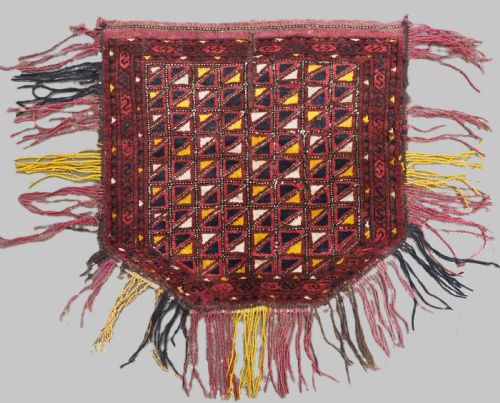
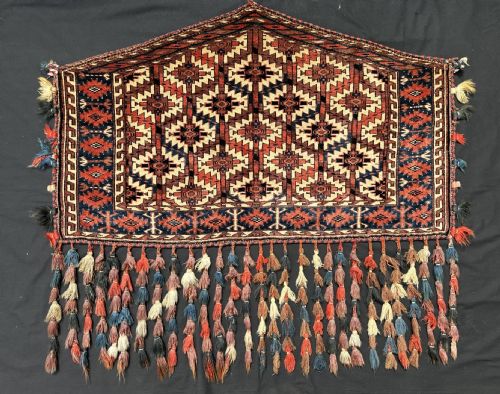
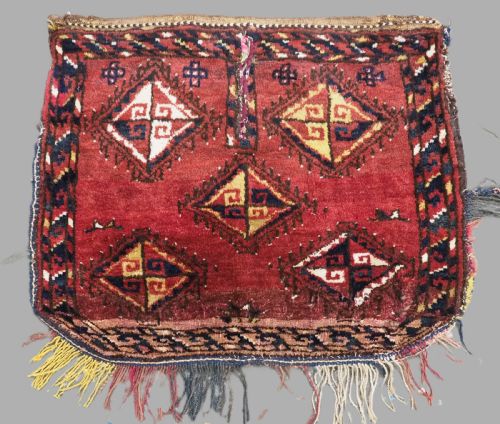
Buyers frequently encounter Turkmen and Qashqai woven items, including asmalyks, torbas, and horse blankets dating from the mid-nineteenth century to the early twentieth century. These utilitarian yet decorative objects reflect the nomadic heritage and tribal affiliations of their makers.
The category also encompasses disparate objects sharing the keyword in their titles, such as four-wheel cart traps rendered in chalk and nineteenth-century Chinese fisherman carvings. This mixture requires buyers to navigate between textile arts and decorative art objects.
What Varies In Quality
Quality in the textile pieces depends on the tightness of the weave and the preservation of original elements like tassels and backs. Finer knotting and intricate tribal gul designs elevate dowry pieces and ceremonial trappings above standard utilitarian items.
Artistic execution distinguishes the drawn and carved works, where precision of line in walnut-framed chalk drawings or depth of carving in hardwood figures determines the standing of the piece.
Antique Trap Retail Price Guide 2026
Typical asking prices for trap among the pieces listed under this phrase on Sellingantiques today, from the lower quarter to the upper quarter. They describe what is for sale here now, not the wider market.
Listings span several distinct periods including Victorian and Edwardian eras, alongside late nineteenth-century tribal weaving phases.
The Antique Trap Glossary
- Asmalyk
- A pentagonal or wedding trapping used to decorate camel flanks among Yomut and other Turkmen tribes. These pieces form a significant portion of tribal textile offerings.
- Torba
- A small storage bag woven by nomadic groups for domestic use inside a yurt or tent. They frequently feature characteristic tribal gul patterns.
- Gul
- A medallion or repeating primary motif found on Turkmen rugs and trappings. Different tribes utilise distinct gul variations to signify their lineage.
- Satin glass
- A Victorian art glass type treated with hydrofluoric acid to produce a velvety, matte surface texture. It appears frequently in blue and other vibrant shades.
- Mafresh
- A rectangular storage bag or wallet used for bedding and household goods during nomadic migrations. Complete examples retain their original woven backs.
Antique Trap: Frequently Asked Questions
What is a tribal trapping?
Tribal trappings are decorative and functional woven textiles designed to adorn horses and camels during ceremonial occasions, weddings, or migration. Nomadic groups across Central Asia and Persia produced these pieces using traditional wool and natural dyes.
Collectors prize them for their distinct tribal patterns, such as guls and asmalyk shapes, which identify the specific weaving group. Many retain original elements like tassels, fringe, and complete backing materials.
How do I date these textiles?
Dating relies on wool quality, natural dye analysis, weave density, and structural characteristics typical of nineteenth and early twentieth-century nomadic output. Stylistic markers specific to tribes like the Yomut, Tekke, or Qashqai provide further chronological context.
Pieces from the mid to late nineteenth century often display softer wool and deeper indigo or madder tones. Early twentieth-century examples maintain traditional motifs while showing slight shifts in palette.
Are all these items horse gear?
While the majority of textile listings relate to animal trappings, horse blankets, and saddle covers, the search results include entirely different object types. These range from Victorian glass vases and chalk drawings to wooden carvings of fishermen.
Buyers must filter their search carefully to separate nomadic woven horse trappings from unrelated decorative antiques that share the same keyword in their descriptions.
How should I display a torba?
Torbas and small tribal bags suit wall mounting or display on flat surfaces where the pile and detailed gul patterns remain visible. Proper framing or textile-safe hanging methods protect the wool foundation from strain.
Keeping textiles away from direct sunlight preserves the natural dyes used in their creation. Regular gentle cleaning prevents dust accumulation in the dense woolen pile.