

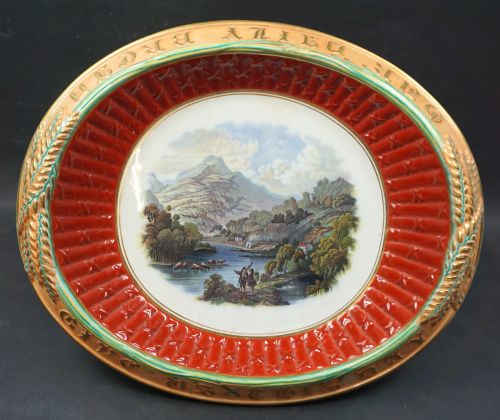


Antique Transferware Tray
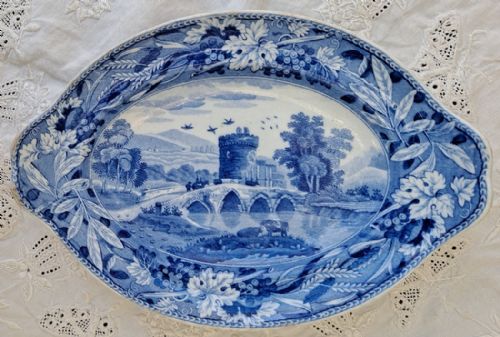
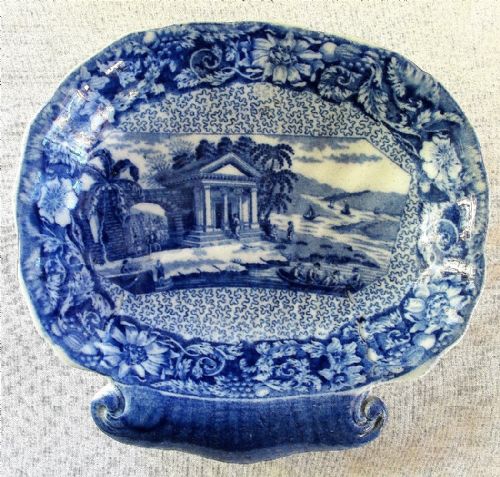
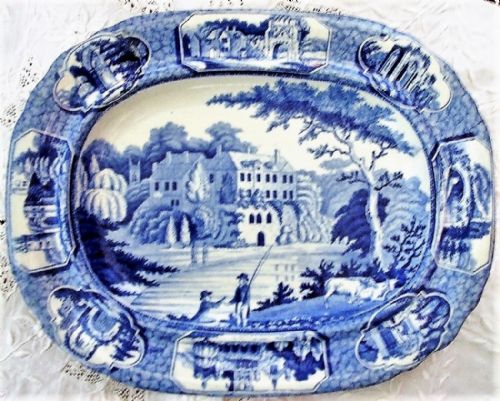
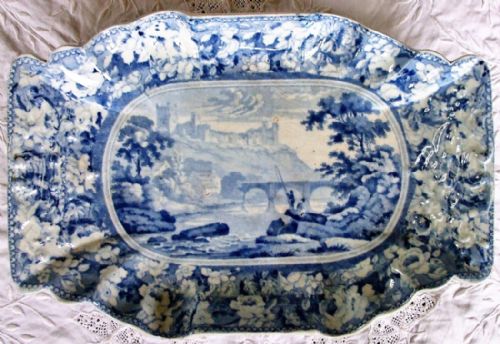
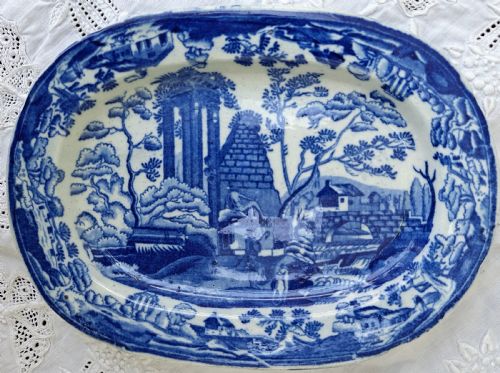
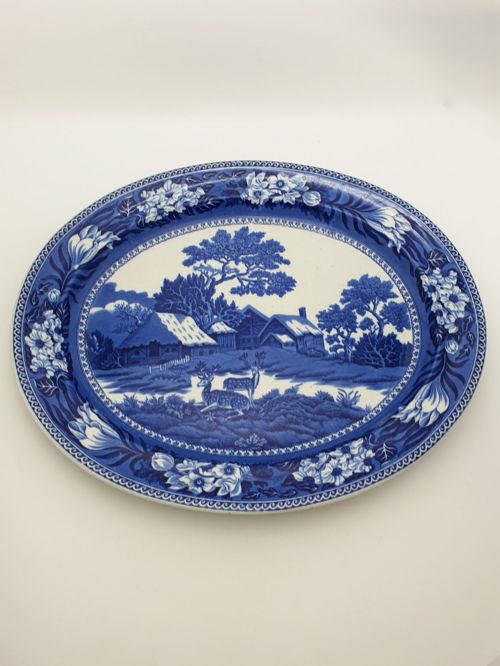
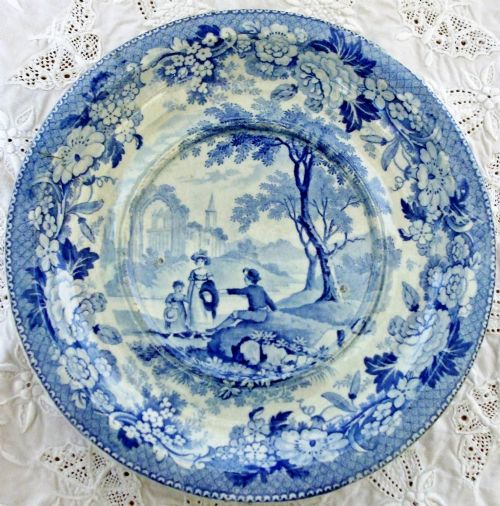
An antique transferware tray brings structured charm to a table, offering durable earthenware printed with intricate blue and white scenes.
Antique Transferware Tray
An antique transferware tray encompasses utilitarian serving platters, meat dishes, and smaller spoon trays produced primarily during the eighteenth and nineteenth centuries. These utilitarian items served dining rooms across Georgian and Victorian households, holding joints of meat, bread, or sauce tureens.
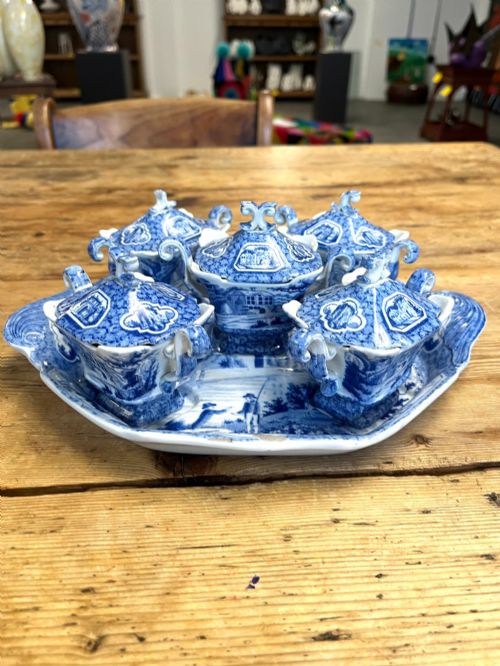
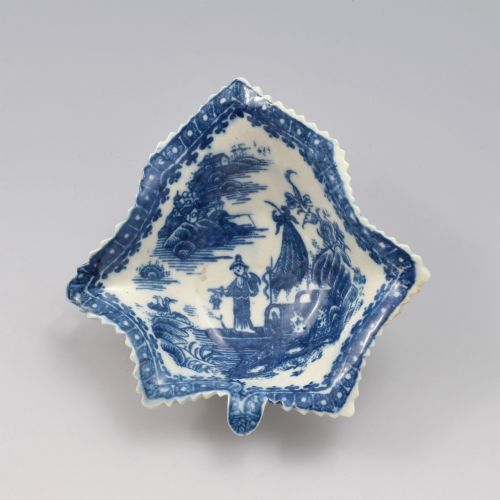
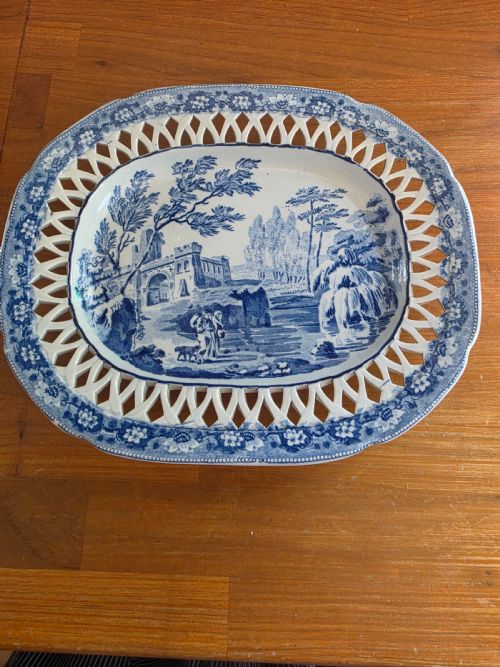
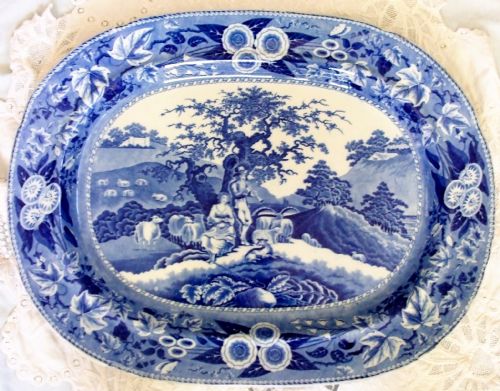
Buyers meet large platters and specialised stands bearing printed pictorial designs executed in rich cobalt pigment. The forms range from simple rectangular meat dishes to pierced draining platters and lobed tureen stands.
English potteries dominated production, utilising earthenware, pearlware, and ironstone as the primary ceramic bodies. The decorative motifs draw heavily from classical ruins, pastoral scenes, and Chinoiserie landscapes.
Materials and transfer printing techniques
Potters formed these trays using refined earthenware, pearlware, or ironstone, shaping the clay on wheels or pressing it into moulds before initial firing. Artisans applied a transparent glaze over the ceramic body to create a smooth, protective finish that resisted staining during daily use.
The characteristic decoration relies on copperplate printing, where an engraved design received a mixture of cobalt pigment and oil before transfer onto tissue paper. Workers pressed this printed paper onto the biscuit-fired ceramic, leaving the ink outline to absorb permanently during the final glost firing.
Antique Transferware Tray Retail Price Guide 2026
Typical asking prices for transferware tray among the pieces listed under this phrase on Sellingantiques today, from the lower quarter to the upper quarter. They describe what is for sale here now, not the wider market.
Listings feature eighteenth and nineteenth-century pieces spanning Georgian, Regency, and Victorian periods, created from earthenware, pearlware, and ironstone.
Assessing the quality of transferware trays
The refinement of the ceramic body and the crispness of the cobalt transfer printing determine the standing of a piece. Superior examples exhibit deep, even colour saturation without blurring or smudging along the printed lines.
Moulding definition distinguishes finer trays, particularly where pierced borders, scalloped edges, or moulded handles require precise craftsmanship. Master potteries achieved cleaner glazes that pooled less around foot rims and decorative recesses.
Thomas Lakin·Zacharia Boyle·Davenport·Minton·Spode·John Rogers and Son·Mason·Copeland and Garrett
The Antique Transferware Tray Glossary
- Transferware
- Earthenware decorated by applying a printed design from a copperplate onto paper and thence to the ceramic body. This method allowed intricate pictorial scenes to be replicated consistently across large dinner services.
- Pearlware
- A refined earthenware body developed in the late eighteenth century featuring a subtle bluish glaze that pooled in crevices. It bridged the stylistic gap between creamware and later white ironstone.
- Ironstone
- A dense, heavy ceramic patented in the early nineteenth century for its exceptional durability and resistance to chipping. It formed the robust base for many large meat platters and heavy serving dishes.
- Chinoiserie
- A European decorative style imitating Chinese artistic traditions, featuring pagodas, exotic figures, and fantastical landscapes. It was a dominant motif in early blue and white ceramic printing.
- Tureen stand
- A dedicated ceramic plate or tray designed to support a matching soup or sauce tureen at the table. These pieces protected dining tables and linen from heat and drips.
Antique Transferware Tray: Frequently Asked Questions
What were antique transferware trays used for?
These ceramic trays functioned primarily as serving vessels for roasted meats, bread, and condiments during formal meals. Large platters accommodated substantial joints, while smaller stands held sauce tureens or pickle dishes.
In daily domestic life, they anchored the dining table service before shifting into decorative display roles in modern settings. Their durable glazed surfaces handled heavy daily use in busy nineteenth-century kitchens.
How do I date an antique transferware tray?
Dating relies on identifying the ceramic body, the manufacturing style, and the potter's mark stamped or printed on the reverse. Early pieces from the eighteenth century frequently use pearlware bodies with delicate hand-painted or printed pastoral borders.
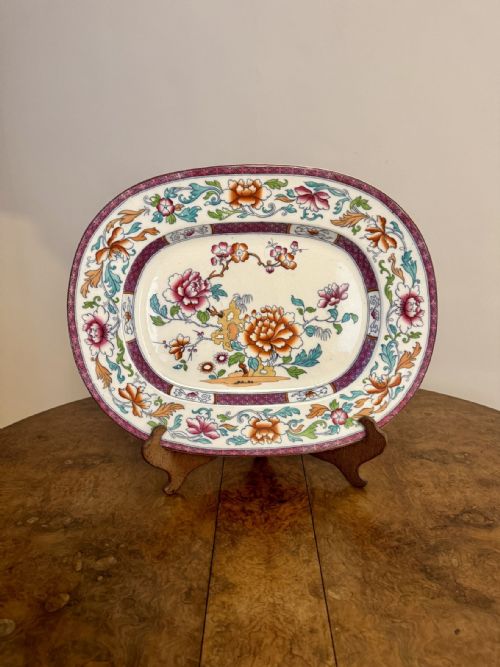
Victorian examples tend towards heavier ironstone fabrics and denser commercial printing styles. Stylistic cues such as Regency neoclassical ruins or Victorian Chinoiserie patterns also help narrow the period.
How should I clean and care for transferware?
Wash antique trays gently by hand using warm water and mild dish soap to protect the historic glaze. Avoid abrasive scouring pads and harsh chemical detergents that can scratch the ceramic surface or dull the cobalt pigment.
Keep them away from modern dishwashers and sudden extreme temperature changes to prevent crazing in the glaze. Proper handling ensures the historic printed scenes remain clear and stable.
What is the difference between earthenware and ironstone?
Earthenware is a porous, lower-fired ceramic body that formed the basis of early domestic tableware and delicate spoon trays. It requires a complete glaze coating to remain waterproof and functional.
Ironstone is a much denser, heavier, and heavily vitrified material patented to withstand industrial dining demands. It resists chipping far better than standard earthenware and underpins most large meat platters.