




Antique Transferware Bowl
An antique transferware bowl brings intricate blue and white printed scenes into daily service, combining utility with pictorial depth.
Antique Transferware Bowl
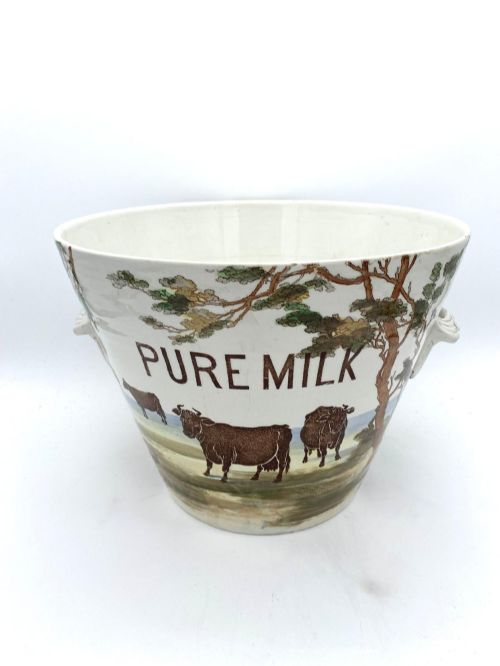
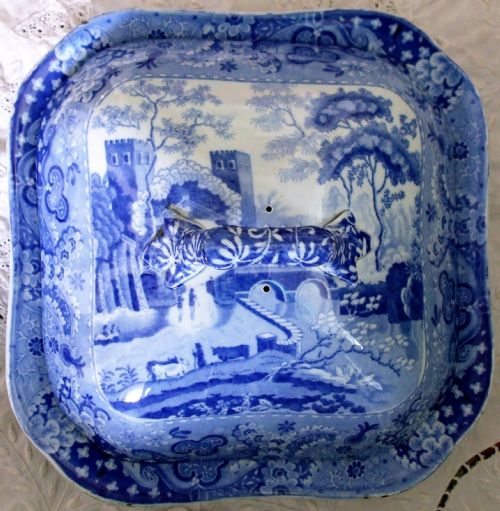
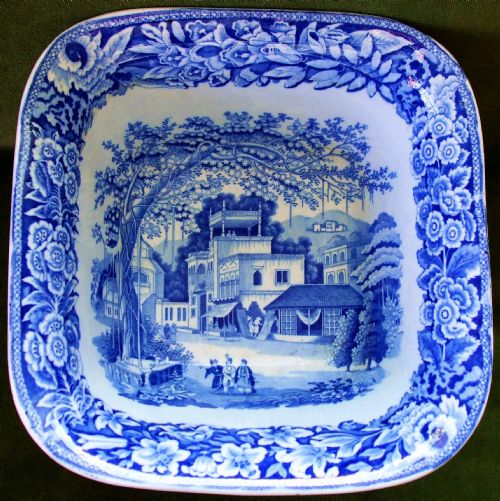
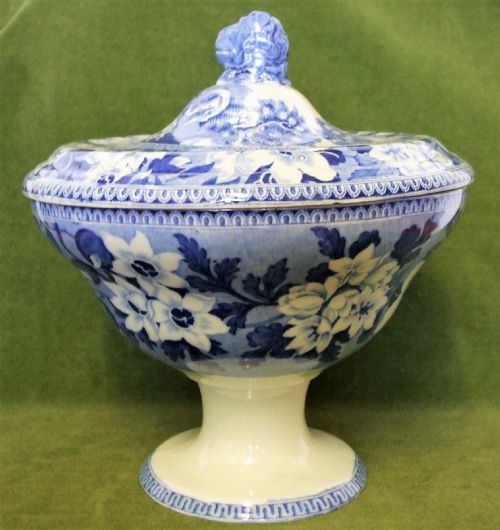
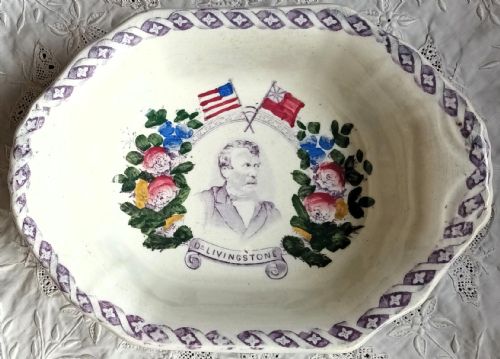
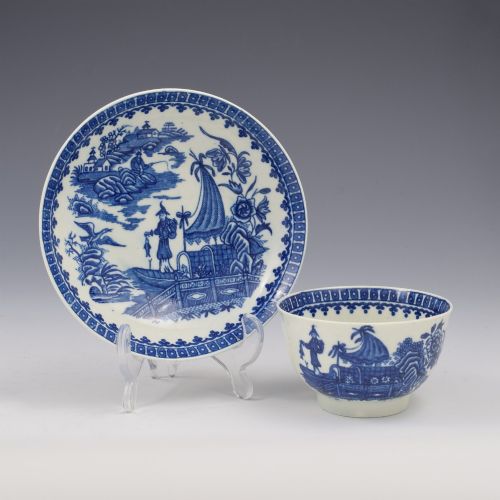
The antique transferware bowl appears across the eighteenth, nineteenth, and early twentieth centuries in forms ranging from tea bowls and footed vessels to large fruit receptacles. Buyers encounter earthenware, pearlware, and porcelain bodies decorated with printed topographical views, historical figures, and pastoral patterns. These pieces span Georgian, Regency, Victorian, and Edwardian periods, reflecting the shifting tastes of domestic interiors.
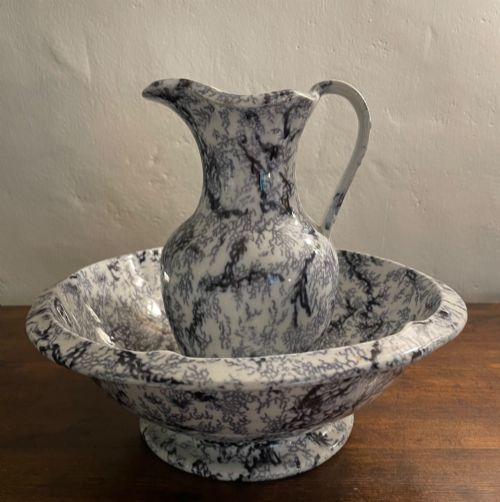
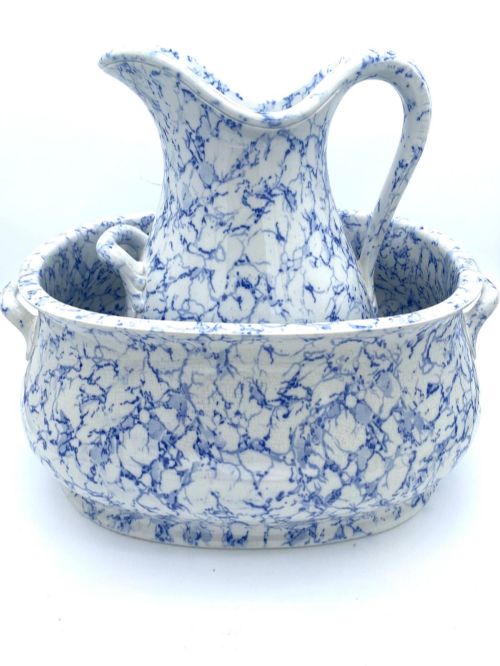
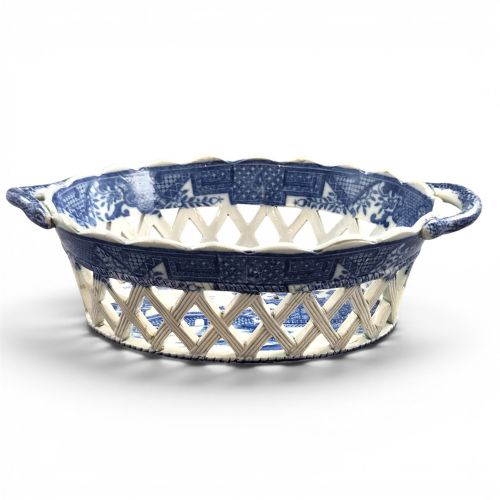
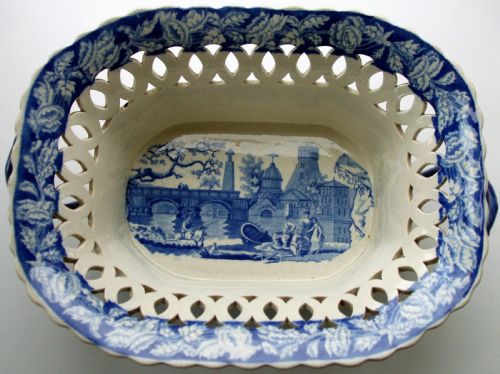
The version most commonly met on this page is the nineteenth-century blue and white pottery bowl, often accompanied by related items such as wash sets, tureens, and chestnut baskets. Makers utilised copperplate engraving to transfer complex imagery onto ceramic surfaces prior to glazing and firing. Collectors find both commemorative Scottish pieces and English regional patterns among the available forms.
Materials and production methods
Potters formed these vessels using earthenware, pearlware, and porcelain bodies, which provided a smooth white ground suitable for receiving printed designs. Artisans engraved copper plates with detailed scenes, inked them with metallic oxides, and pressed tissue paper against the plate to lift the design. This inked paper was then applied by hand to the biscuited ceramic surface before the piece received a transparent glaze and entered the kiln.
The transfer printing technique allowed Staffordshire and other regional factories to produce intricate pictorial patterns with consistent detail across multiple items in a service. Cobalt oxide supplied the deep blue colour standard to many pieces, while other examples display mulberry tones or gilt highlights. The resulting glaze protected the printed layer while imparting a characteristic glossy sheen to the ceramic body.
Antique Transferware Bowl Retail Price Guide 2026
Typical asking prices for transferware bowl among the pieces listed under this phrase on Sellingantiques today, from the lower quarter to the upper quarter. They describe what is for sale here now, not the wider market.
Object forms include chestnut baskets, footbaths, chamber pots, and toilet sets alongside standard decorative and tea bowls.
Differentiating quality in transferware
Quality rests upon the crispness of the transfer print and the alignment of the pattern where the edges meet on the ceramic body. Finer examples display sharp, detailed lines without smudging, blurring, or overlapping transfer marks, while simpler pieces show minor slips in the printing process. The choice of ceramic body also distinguishes the range, moving from standard earthenware to refined pearlware and porcelain.
The complexity and narrative interest of the depicted scene further separate ordinary domestic vessels from high-tier decorative pieces. Well-executed pictorial compositions, such as named topographical views or commemorative historical subjects, demonstrate greater artistry than repetitive border motifs. Additionally, the crispness of moulded elements like lion mask handles or reticulated basket edges indicates the care taken during production.
J. & R. Clews·J. & R. Riley·John Rogers & Son·Ridgway·Doulton Burslem·Sewell·James Wallace & Co.·Copeland and Garrett
The Antique Transferware Bowl Glossary
- Transferware
- Pottery decorated by transferring a printed design from an engraved copper plate onto the ceramic surface using tissue paper. This method enabled factories to mass-produce complex pictorial scenes with uniform detail.
- Pearlware
- A refined earthenware developed in the late eighteenth century featuring a subtle bluish glaze that pooled in recesses to create a whiter appearance. It served as a common ground for early transfer-printed bowls.
- Tea bowl
- A small, handleless drinking vessel produced during the eighteenth and early nineteenth centuries. These items formed part of matching sets with saucers for serving tea.
- Comport
- A footed dish or bowl elevated on a pedestal, designed for serving fruit or sweetmeats at the table. They frequently appeared in matching dessert services.
- Flow blue
- A style of transfer printing where the cobalt blue pigment bled slightly into the surrounding glaze during firing. This technique created a hazy, soft-edged pictorial effect popular in the mid-nineteenth century.
- Reticulated
- Openwork or lattice decoration formed by cutting patterns into the clay before firing. This technique appeared on decorative baskets and chestnut bowls.
Antique Transferware Bowl: Frequently Asked Questions
What is an antique transferware bowl?
An antique transferware bowl is a ceramic vessel decorated with a printed design transferred from an engraved metal plate. These pieces date primarily from the Georgian, Victorian, and Edwardian eras and feature pictorial scenes in blue and white or other monochrome tones.
Potters produced them for various household functions, including serving food, washing, and display. The printing method allowed intricate landscapes, historical figures, and architectural motifs to appear consistently across domestic ceramics.
How do I date an antique transferware bowl?
Dating relies on examining the ceramic body, the shade of the transfer print, and any maker marks or registered design stamps on the base. Earlier pieces from the late eighteenth and early nineteenth centuries often utilise pearlware bodies with deep blue hand-printed scenes.
Later Victorian and Edwardian examples show denser earthenware or porcelain bodies, sometimes featuring flow blue printing or more mechanised manufacturing traits. Comparing the pattern name and border style against documented factory histories helps narrow the production window.
Were these bowls used for food?
Many transferware bowls served functional roles at the dining table for fruit, vegetables, sugar, or tea. Larger footed bowls and comports held provisions during meals, while smaller tea bowls were used for drinking.
Over time, many surviving pieces transitioned into decorative objects due to their intricate pictorial designs. Collectors today often display them as cabinet pieces or utilise them for dry storage rather than daily dining.
How do I care for an antique bowl?
Care requires gentle hand washing in warm water using mild soap, avoiding harsh abrasive sponges or automatic dishwashers. The historic glaze can be sensitive to sudden thermal shock, so extreme temperature changes should be prevented.
Displaying the vessel away from direct sunlight protects any gilt highlights and prevents the ceramic body from drying out excessively. Handling the piece by the base rather than delicate handles or rims ensures structural safety.