



Antique Trade Scale Set
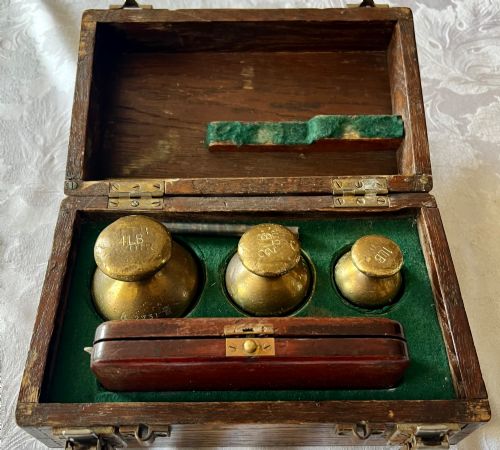
These antique trade scale set pieces span brass, mahogany, bronze, and cast iron, offering utilitarian accuracy and enduring period presence for collectors.
Antique Trade Scale Set
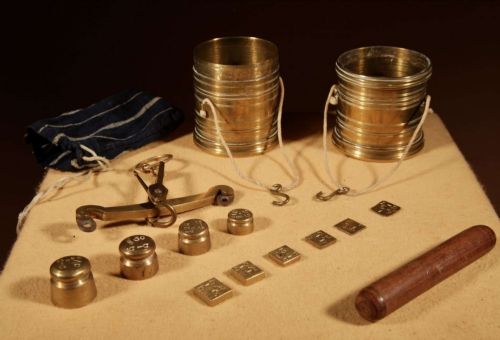
An antique trade scale set encompasses precision beam balances, grocers scales, butcher scales, and associated calibration or trade weights spanning the Victorian, Edwardian, and early twentieth-century periods. These instruments served commercial, apothecary, and official standards applications across various local authorities and trades.
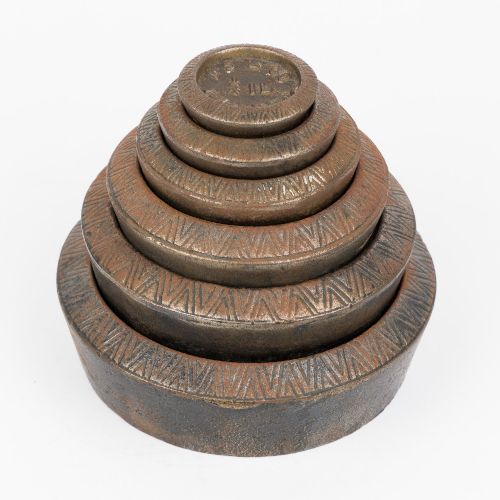
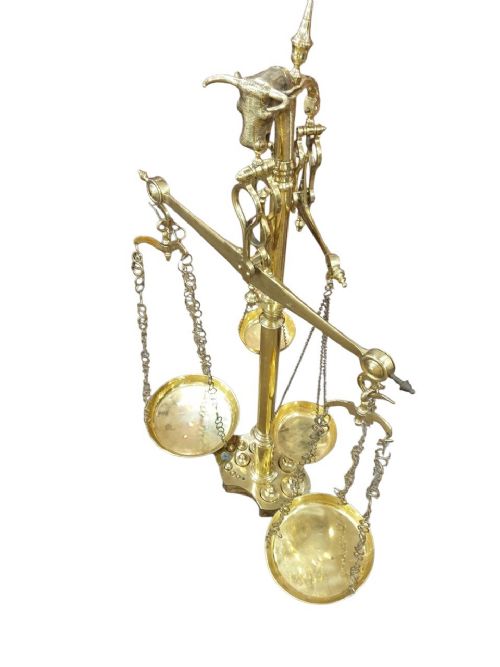
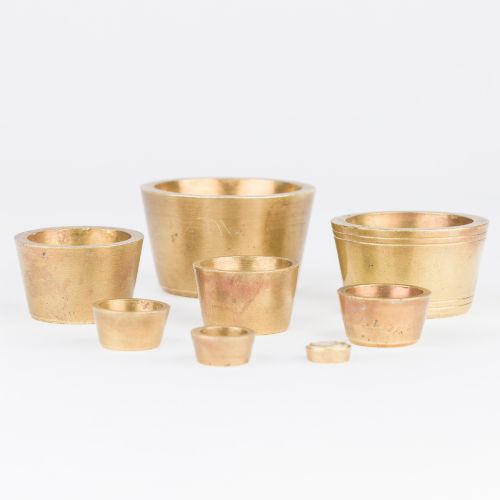
The most common forms encountered on this page include brass balance scales, apothecary sets in original block stands, and nested collections of imperial, troy, or avoirdupois standard weights. Many pieces bear specific regional or municipal inscriptions, linking them directly to historical trade regulation and commerce.
Materials and construction
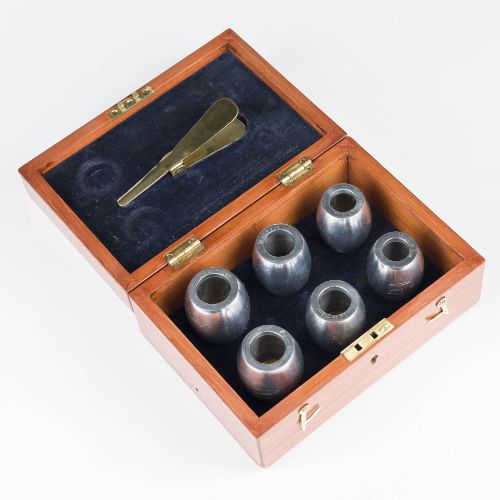
These sets utilise durable metals such as brass, bronze, cast iron, and standard metal alloy alongside fitted wooden bases in mahogany and other dense timbers. Velvet linings occasionally feature inside specialised weight storage compartments to protect delicate working surfaces.
Precision manufacturing involved meticulous casting, turning, and calibration of metal weights alongside finely balanced beam assemblies. Makers applied stamped numerical markings, regulatory stamps, and maker inscriptions directly into the metal or wooden components.
Antique Trade Scale Set Retail Price Guide 2026
Typical asking prices for trade scale set among the pieces listed under this phrase on Sellingantiques today, from the lower quarter to the upper quarter. They describe what is for sale here now, not the wider market.
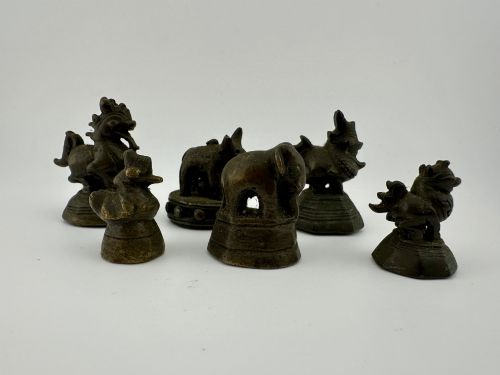
Several sets include cast bronze animal-form weights originating from Southeast Asian trade traditions.
Assessing quality and completeness
Quality in these instruments depends upon the completeness of the set, the clarity of regulatory and maker stamps, and the preservation of original fitted wooden blocks or velvet linings. Matched sets retaining all their original components command greater interest than assembled groups.
The precision of the engineering and the legibility of engraved inscriptions on the beam and weights distinguish utilitarian workshop equipment from finer, signed scientific instruments produced by established London makers.
De Grave Short And Co·W And T Avery·De Grave And Co
The Antique Trade Scale Set Glossary
- Avoirdupois
- A system of weights based on a pound of sixteen ounces, commonly utilised for general trade and commerce in the nineteenth and twentieth centuries.
- Troy weight
- A system of units of mass traditionally used for precious metals, apothecary items, and specific scientific measurements.
- Bushel balance
- A specific mechanical scale arrangement designed for measuring dry volume or mass standards within agricultural and municipal trade.
- Opium weight
- Cast bronze animal-form trade weights originating from Southeast Asia, often collected as decorative and metrological artefacts.
- Beam scales
- A weighing device operating on the principle of lever arms suspended from a central fulcrum to determine mass.
Antique Trade Scale Set: Frequently Asked Questions
What are antique trade scale sets?
They are historical weighing instruments and calibrated weight collections utilised in commerce, apothecaries, and official municipal standards.
These sets combine functional brass or iron mechanisms with fitted wooden blocks and stamped regulatory markings.
How do I date these sets?
Dating relies upon stamped regulatory ciphers, maker inscriptions, and stylistic characteristics typical of Victorian, Edwardian, and early twentieth-century manufacturing.
Many pieces bear specific municipal or regional dates alongside the maker's details.
Were these used in shops?
Many examples served in grocers shops, butcher shops, co-operatives, and local authority inspection offices for trade regulation.
Others functioned in specialised environments such as chemists and apothecary dispensaries.
How should I display them?
These pieces suit surface display on sturdy tables, sideboards, or within dedicated collectors' cabinets alongside their original weights.
Keeping components together in their fitted wooden blocks preserves their historical context.