



Antique Toy Animals
Antique toy animals are tactile survivors from past nurseries and playrooms, offering a charming glimpse into historic craftsmanship.
Antique Toy Animals
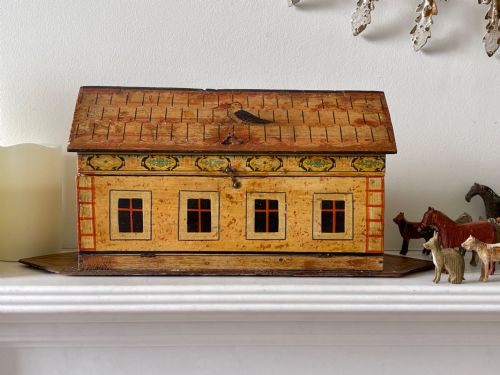
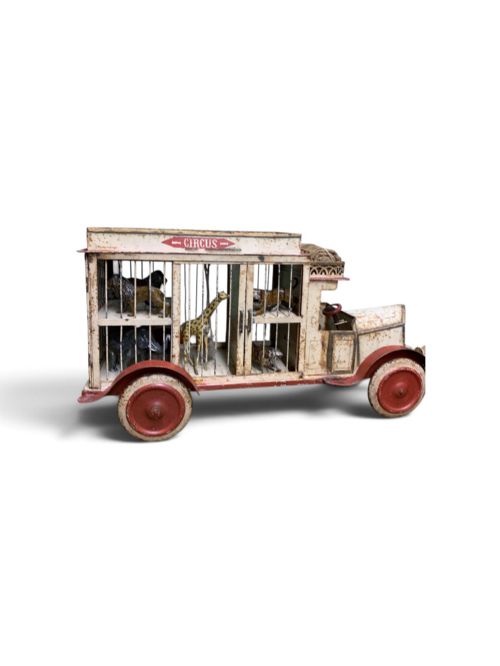
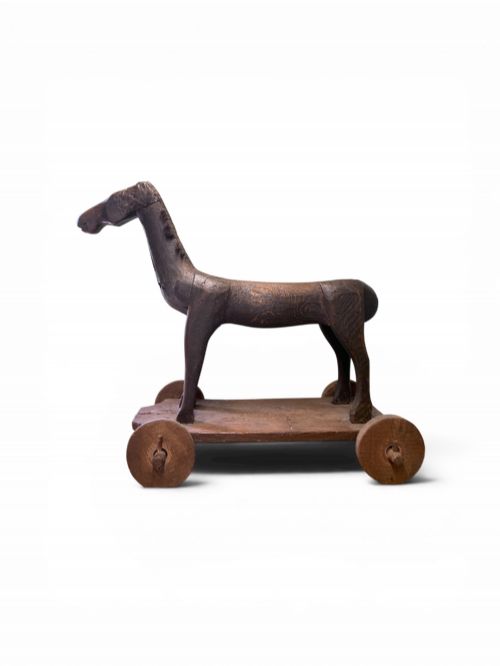
Most examples hail from the nineteenth and early twentieth centuries, though earlier eighteenth-century carved wooden figures occasionally surface. These charming survivals include individual creatures like lions, dogs, and calves, alongside complete sets such as Noahs arks with multiple animals and circus transport lorries.
How they were made
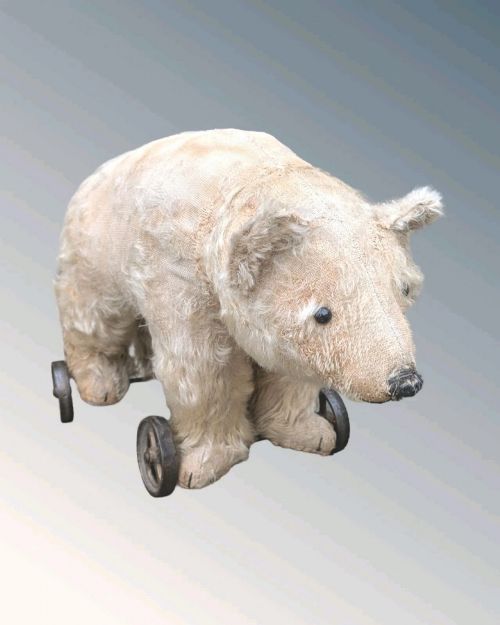
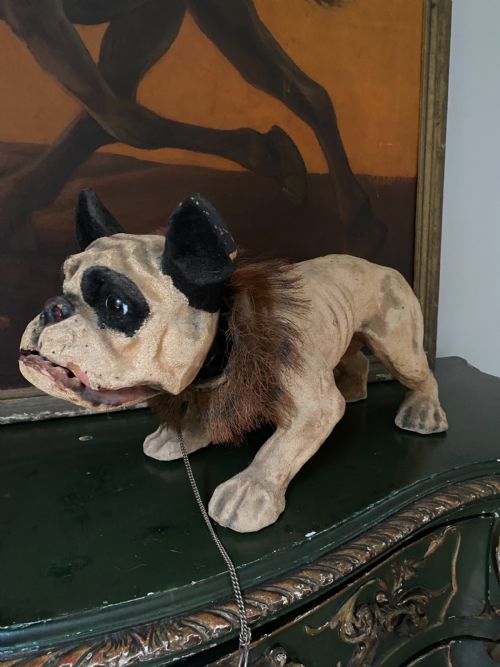
Moulders also utilised papier mache to create lightweight yet durable figures like bulls and dogs, whilst soft toys incorporated mohair for tactile realism. Metal and tinplate appeared in later twentieth-century pieces, particularly for wheeled vehicles and mechanical transport toys.
What varies in quality
Original surface preservation plays a major role in the desirability of these objects, particularly where original paint or mohair remains intact. The complexity of the surviving group, such as an entire Noahs ark complete with numerous carved birds and beasts, elevates the piece.
Steiff
The Antique Toy Animals Glossary
- Folk Art
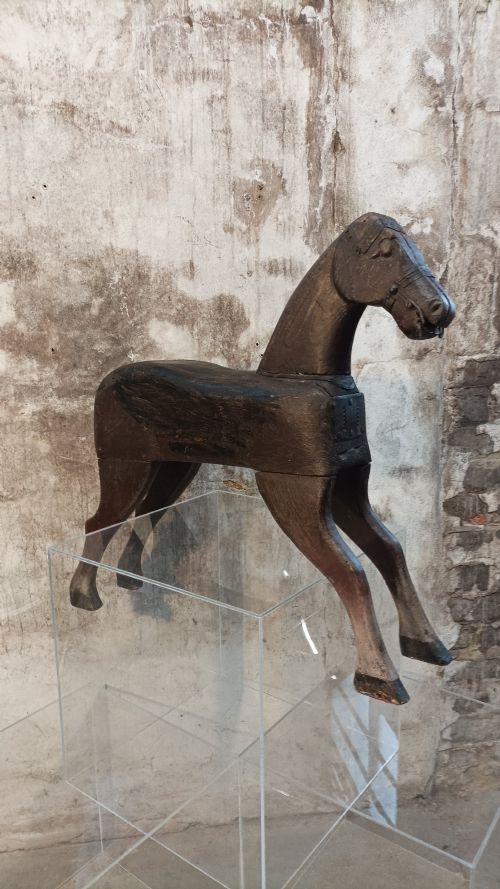
- Objects created by self-taught or traditional craftsmen working outside academic traditions. This style defines many early wooden horse sculptures and naive animal figures.
- Papier Mache
- A composite material consisting of paper pieces or pulp bound with glue, used to mould lightweight animal figures. Victorian makers utilised this technique for sturdy bulls and dogs.
- Mohair
- Silk-like fabric made from the hair of the Angora goat, utilised for the exterior coat of early soft toys. Steiff bears and similar creatures frequently feature this material.
- Tinplate
- Sheet metal coated with tin to prevent rusting, employed in the manufacture of twentieth-century toy vehicles and circus lorries. It allowed for brightly lithographed or painted surfaces.
Antique Toy Animals: Frequently Asked Questions
What are antique toy animals made from?
These playthings utilise traditional materials including carved wood, pine, papier mache, and painted metal. Soft toy versions incorporate mohair for texture.
Craftsmen shaped these substances by hand, applying paint to render details on naive wooden horses and sculptural figures.
How do I care for wooden toy animals?
Keep wooden and papier mache figures away from direct sunlight and damp environments to protect the painted surfaces. Stable room temperatures prevent the timber from splitting.
Avoid using harsh chemical cleaning products on fragile painted folk art, dusting gently with a dry, soft cloth instead.
Are Noahs arks considered toy animals?
Complete Noahs ark sets typically comprise numerous carved wooden pairs of animals and birds alongside human figures. They functioned simultaneously as educational toys and Sunday playthings.
These sets capture miniature representations of various species housed within a traditional painted wooden hull.