





Pine Folk Art Box
A pine folk art box brings centuries of regional craft and painted decoration into a room, offering both practical storage and striking folk heritage.
Pine Folk Art Box
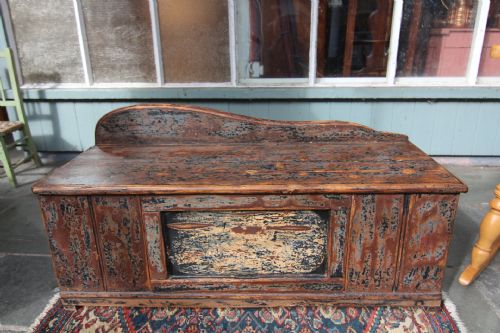
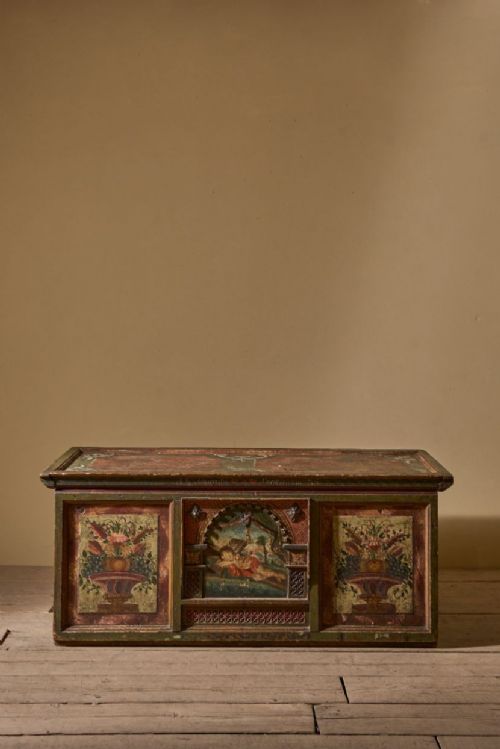
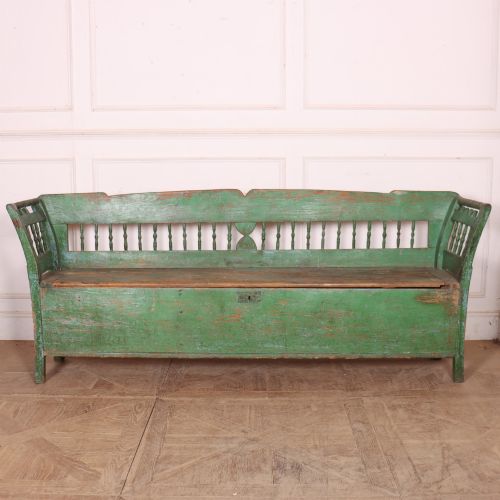
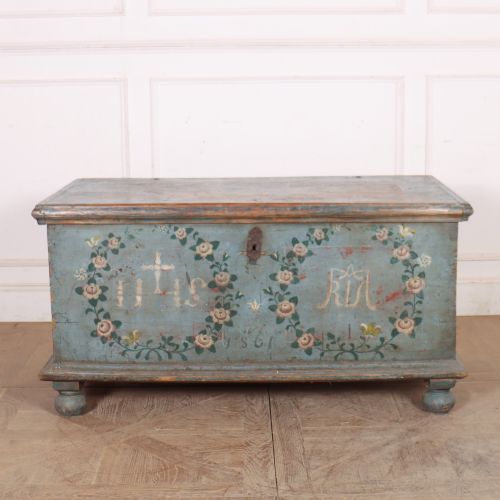
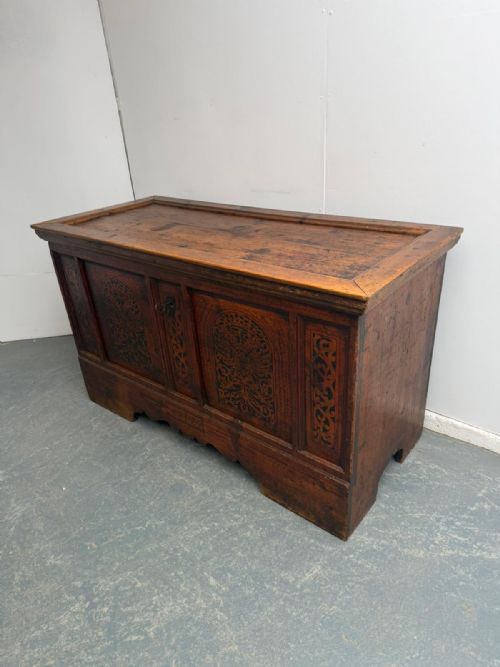
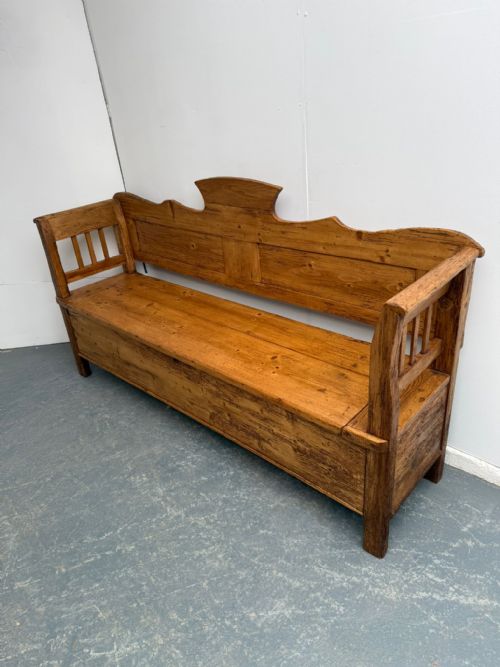
The forms span dome-top chests, mule chests, strong boxes and benches with integrated box storage. Many carry traditional regional painting, floral motifs or original pigment finishes dating back across the eighteenth and nineteenth centuries.
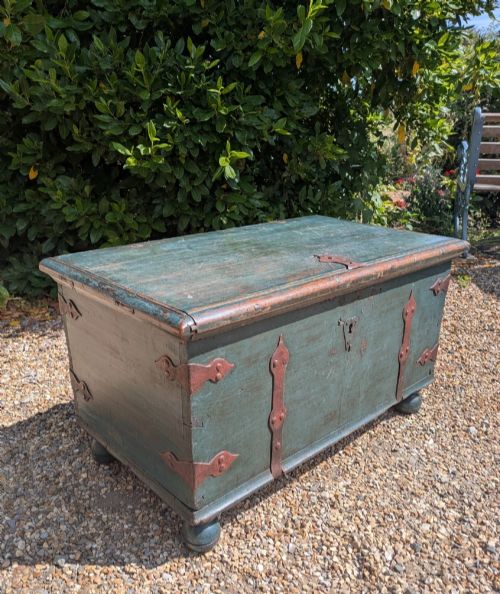
Continental pieces often reflect distinct rural workshops, utilising local pine combined with hand-forged iron hardware. These functional objects served rural households for linen, documents and dowry storage before becoming decorative collector pieces.
How they were made
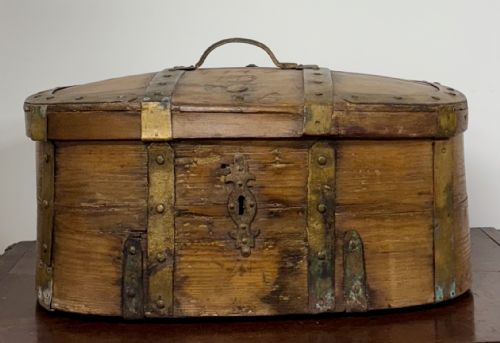
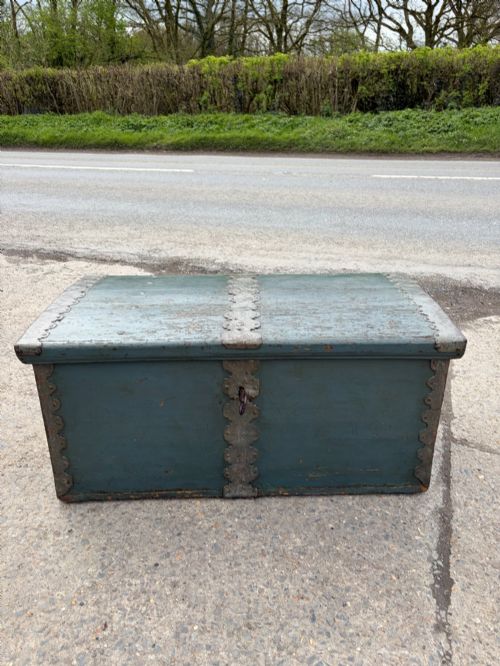
Carpenters constructed these boxes using solid pine boards joined by dovetails or simple pegged joints, often incorporating hand-forged iron or wrought iron strapwork for structural reinforcement. Brass hinges and fastenings appear on finer or later examples.
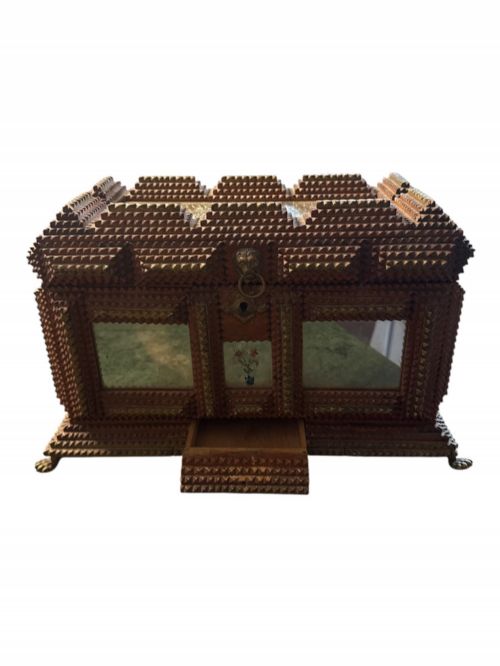
Surfaces were frequently finished with applied pigment and paint, ranging from simple green and teal washes to elaborate floral folk art schemes. Some pieces relied on waxed finishes or tram art carving techniques rather than paint.
Listings span the eighteenth, nineteenth and early twentieth centuries, encompassing Georgian, Victorian, Regency and Arts and Crafts periods.
What varies in quality
The survival and integrity of the original surface finish largely dictate the quality of a piece. Examples retaining their initial painted decoration or floral motifs command greater interest than those stripped or heavily repainted later.
Construction details also separate standard utility items from finer workshop output. Hand-forged iron strapwork, dovetail precision and untouched interior surfaces indicate superior regional craftsmanship.
The Pine Folk Art Box Glossary
- Mule chest
- A storage chest featuring one or more drawers beneath the main compartment. They bridge the gap between simple coffers and drawer chests.
- Strapwork
- Ornamental bands of metal, often wrought iron, used to reinforce and decorate the corners and lids of heavy trunks.
- Coffer
- A robust wooden box traditionally used for storing valuables and documents. They often feature heavy locking mechanisms and iron carrying handles.
- Settle
- A wooden bench with a high back and enclosed storage beneath the seat. Regional variations often include panelled or painted decoration.
- Tram art
- A form of folk carving where small pieces of chip-carved wood are layered in geometric patterns. It was often produced using discarded packing crates.
Pine Folk Art Box: Frequently Asked Questions
How were pine folk art boxes used?
These boxes served everyday rural households for storing textiles, bedding, precious documents and dowry items. Larger variants like marriage chests were commissioned specifically to mark weddings and family unions.
Bench settles additionally provided seating around farmhouse hearths while keeping household goods neatly tucked away beneath the seat.
How do I clean a painted pine box?
Dust the surface gently with a dry, soft cloth to remove everyday accumulation without disturbing fragile historic pigments. Avoid modern chemical polishes, water or harsh detergents, which can strip or soften original paint.
If the wood requires nourishment, consult a professional conservator regarding appropriate wax applications for antique pine.
How can I tell an older box from a later copy?
Examine the construction joints, timber wear patterns and the composition of the paint layers. Hand-cut dovetails, forged iron hardware and natural oxidation under the base generally point to genuine age.
Later reproductions often display uniform machine milling marks and synthetic paints that lack the characteristic craquelure of historic pigment.
Where should I place a folk art box at home?
Position your box away from direct sunlight and strong heat sources like radiators to prevent the pine timber from warping or splitting. A stable indoor climate protects both the wood and any delicate painted decoration.
Trunks work well at the foot of a bed for spare blankets, while smaller boxes suit tabletops or sideboards.