


19th Century Toy
These 19th century toy pieces span carved wooden horses, games and miniature services, offering a tangible connection to historical childhood play.
19th Century Toy
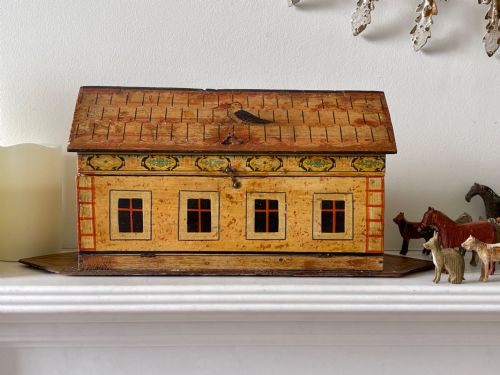
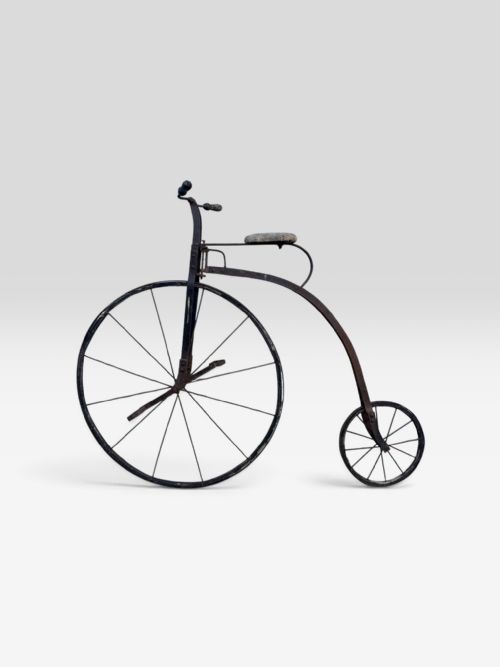
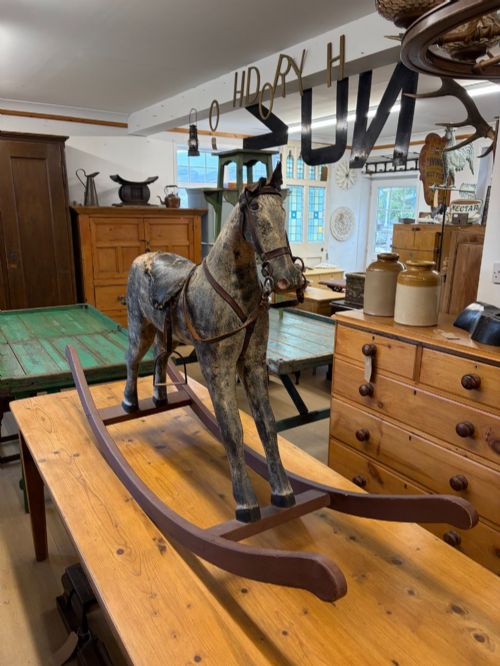
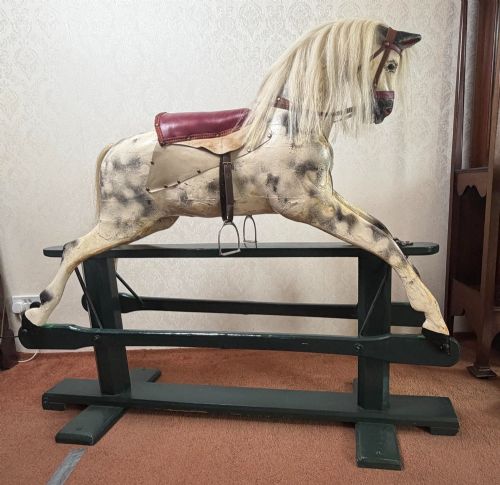
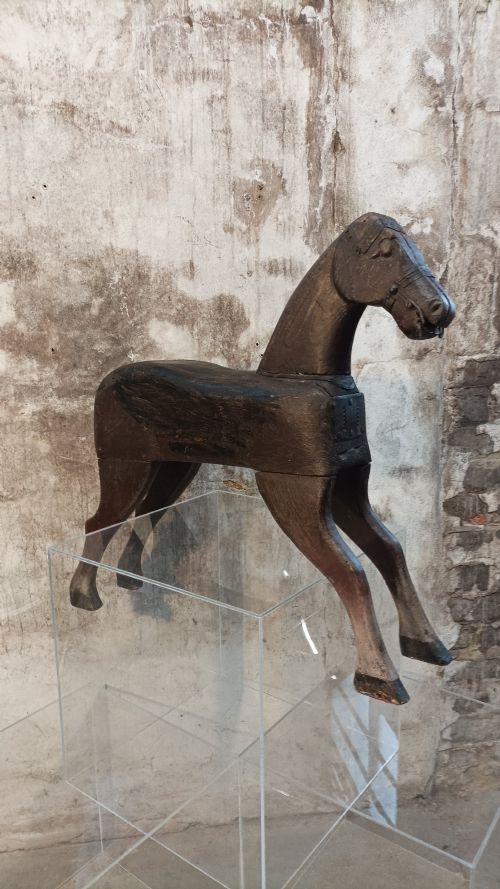
A 19th century toy encompasses a wide range of surviving items, from carved wooden rocking horses and pull-along figures to miniature dinner services and skill games. Folk art wooden animals and treen objects also appear frequently within this grouping.
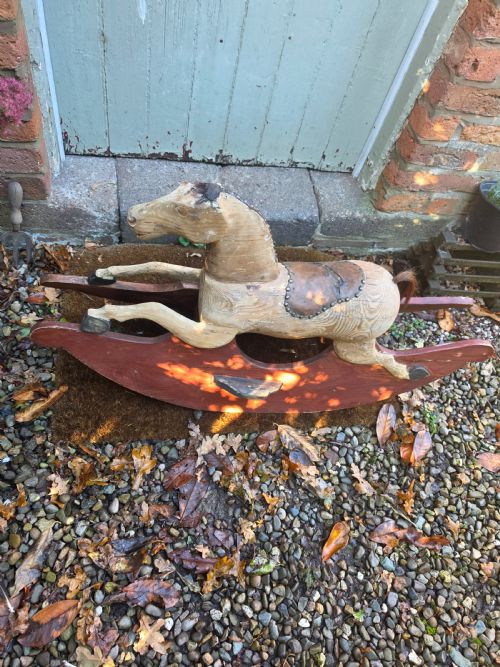
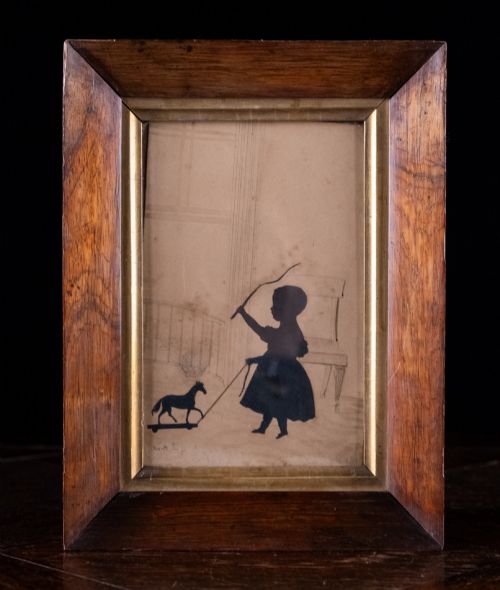
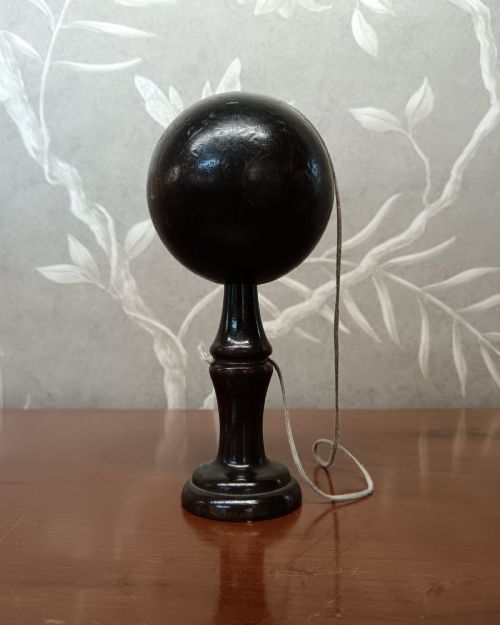
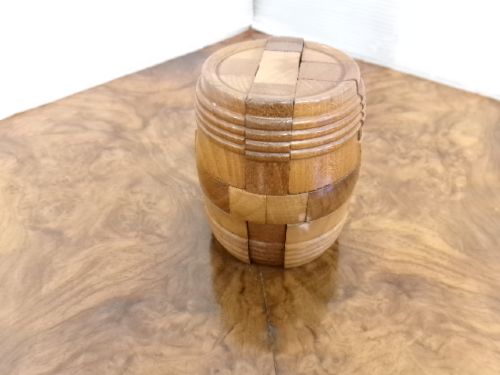
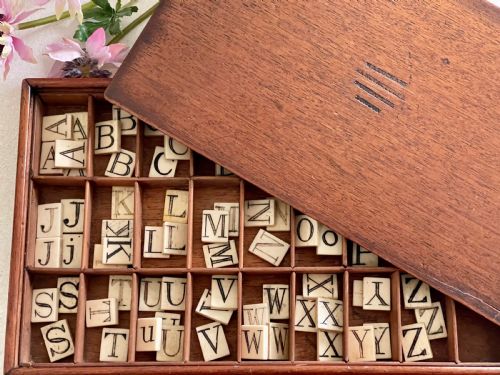
Rocking horses and pull-along animal figures dominate the selections on this page, reflecting the popularity of durable wooden playthings during the Victorian era. Smaller items such as ball and cup games, puzzles and alphabet boxes are also regularly found.
Origins stretch across English, French, and Spanish workshops, showcasing both naive folk art expressions and more formal manufacturer production. Pieces date across the nineteenth century, including related works from the Regency and early twentieth periods.
Factors determining quality
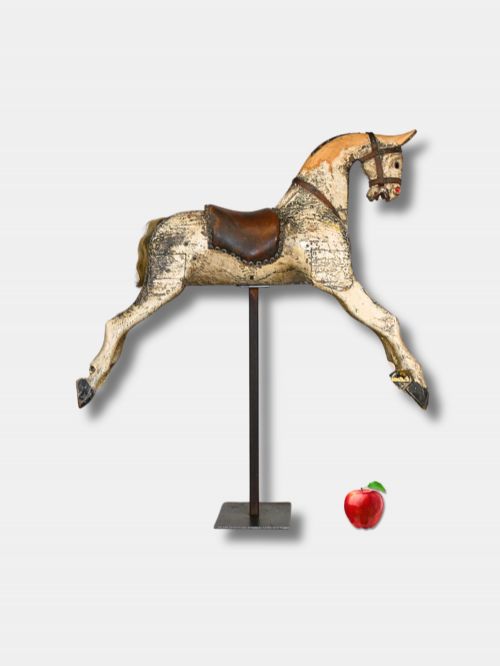
The survival of original surface decoration distinguishes standard examples from superior ones, with untouched paint and authentic patination holding distinct appeal. Altered or completely repraded surfaces alter the historical integrity of an object.
Carving depth and sculptural expression define the standard of wooden figures, separating mass-produced items from individual folk art pieces. Anatomical proportion and lively posture in horses and animals indicate skilled handwork.
Listings feature wood, iron, and paper materials across Victorian and Regency periods.
G .J. Lines·Roullet Decamp·Augustin Edouart·Spode
The 19th Century Toy Glossary
- Treen
- Small wooden domestic objects and toys produced by turning or carving. These items often display visible grain and simple utility.
- Automata
- Mechanical toys driven by clockwork, weights, or hand cranks to produce lifelike movement. These complex items were often produced in French workshops.
- Flow blue
- A cobalt blue transfer-printing technique used on ceramics where the pigment blurred slightly during firing. This effect appears frequently on miniature child services.
- Bilboquet
- A traditional skill game consisting of a ball attached to a cup or spike by a string. Players attempt to catch the ball.
- Whirligig
- A wind-driven folk art toy featuring moving parts that rotate or animate in a breeze. American examples are known for expressive character.
19th Century Toy: Frequently Asked Questions
What defines a primitive rocking horse?
Primitive rocking horses are typically characterised by simpler hand-carved wooden bodies, naive facial expressions, and sturdy construction without factory finishing. They reflect regional folk art traditions rather than mass production.
Such pieces often retain original paint and mounted bases, showing the hand of local makers rather than large commercial toy works.
How do I care for antique wooden toys?
Wooden playthings and painted surfaces require stable indoor humidity away from direct sunlight to prevent timber splitting and paint fading. Gentle dusting with a dry microfibre cloth preserves the historical finish.
Avoid liquid cleaners or chemical polishes, particularly on pieces with original paint or horsehair manes, as moisture damages fragile historic materials.
Are miniature tea services usable?
Miniature services from this era, including flow blue and porcelain child sets, were intended for children's play or display rather than heavy modern dining. Glazes and materials can be delicate and sensitive to heat.
Most collectors choose to display these sets in cabinets or on open shelves to protect the surviving pieces from accidental chips and cracks.
What is treen?
Treen refers to small functional or decorative wooden objects, such as cups, boxes, and games, shaped by turning on a lathe or hand-carving. These items were common household goods.
In toy collecting, treen includes items like ball and cup games and small puzzles prized for their smooth tactile surfaces and visible grain.