


Antique Tortoiseshell
Antique tortoiseshell brings warmth and depth to interiors, capturing light across mirrors, clocks, and delicate silver-mounted trinket boxes from past centuries.
Antique Tortoiseshell
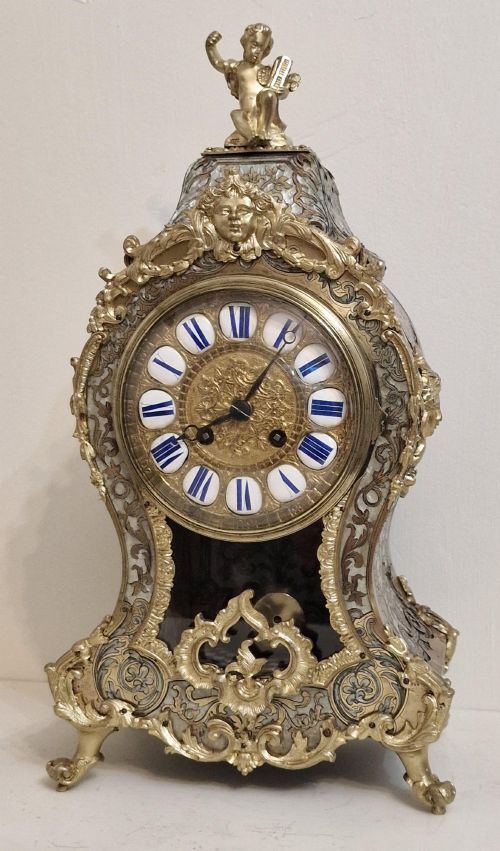
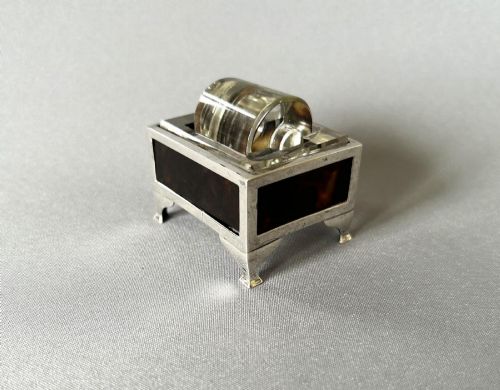
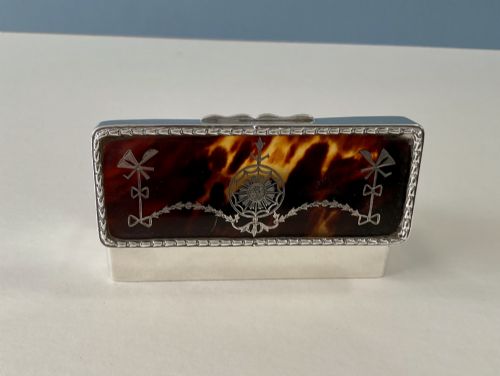
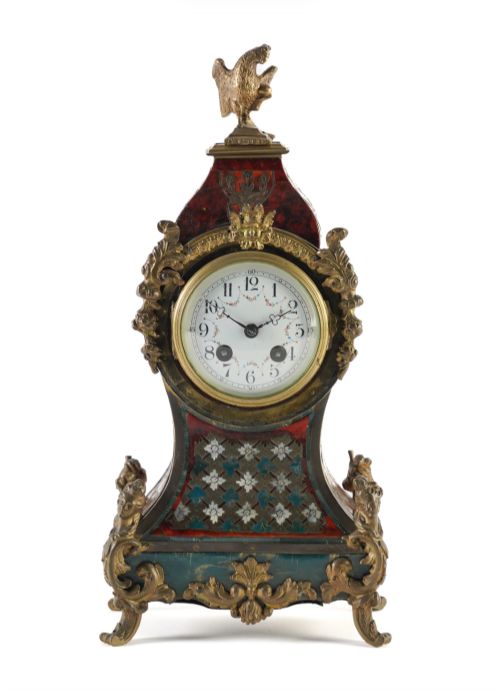
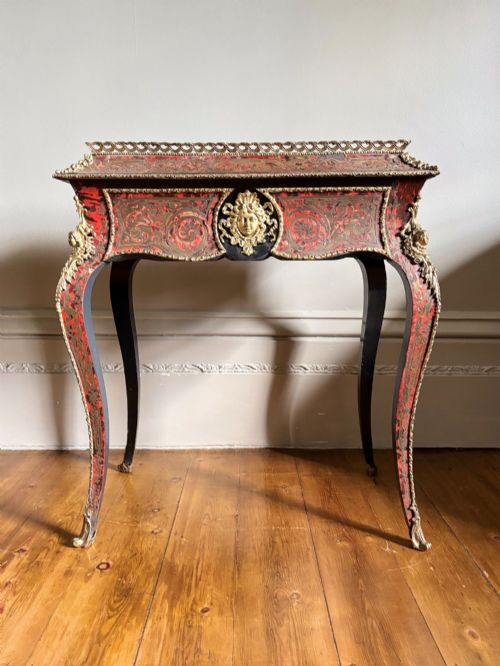
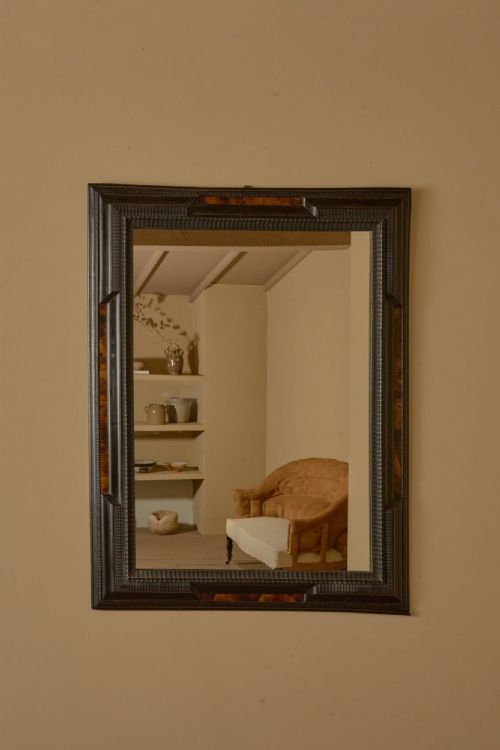
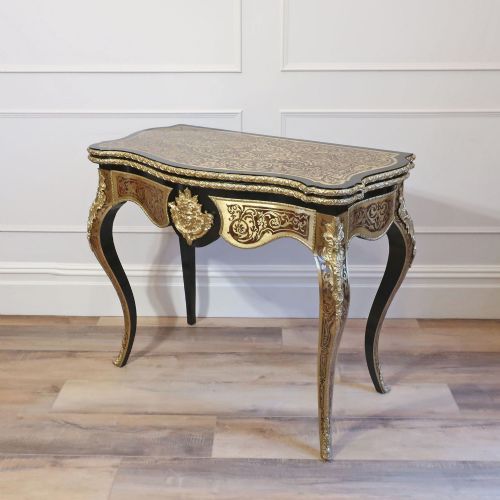
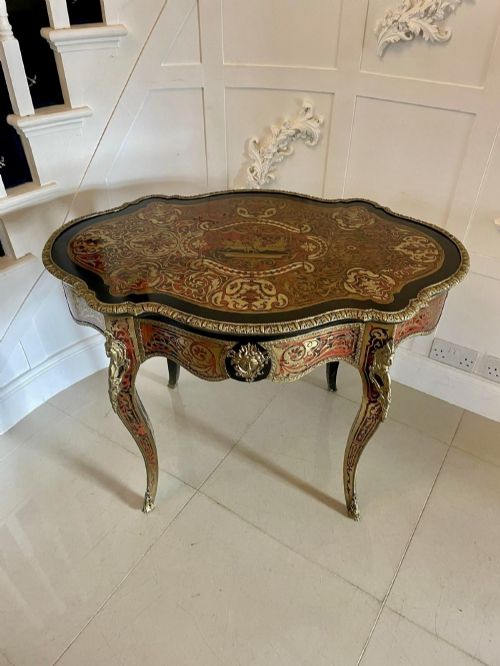
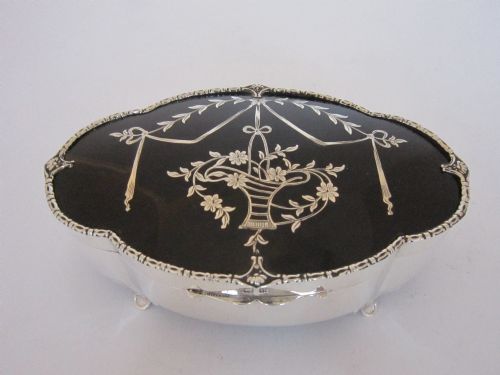
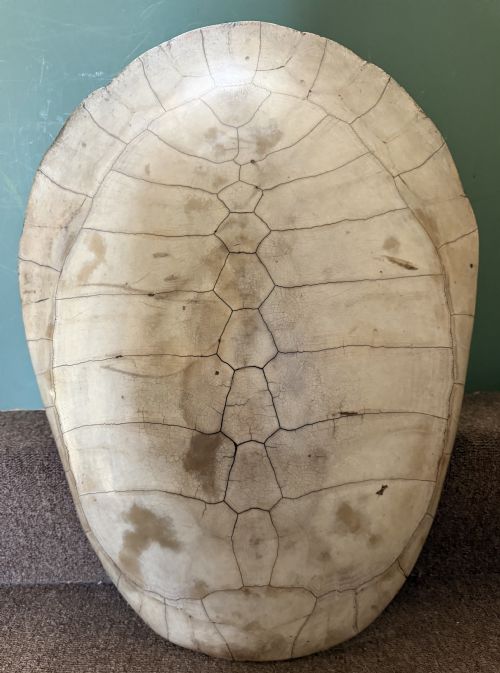
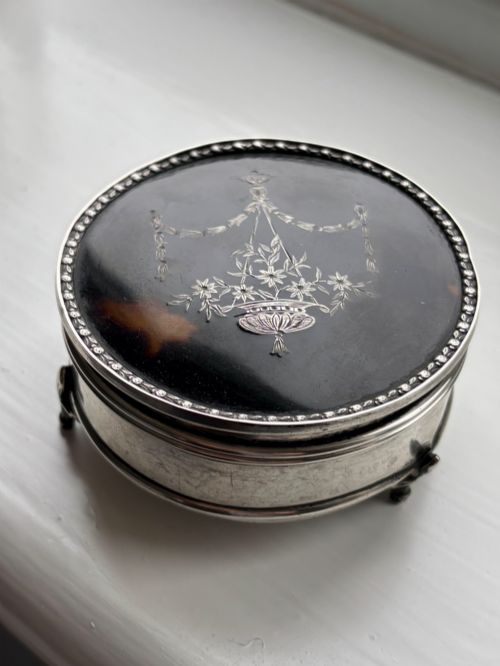
When searching for antique tortoiseshell, buyers encounter a diverse array of decorative items and functional accessories spanning several centuries. The material appears frequently in Victorian dressing table boxes, Edwardian trinket containers, and substantial French Boulle work furniture.
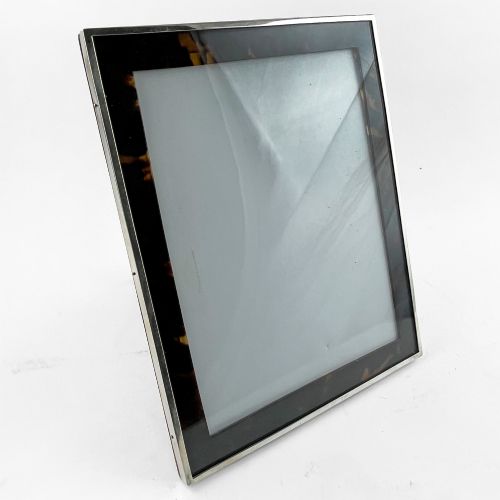
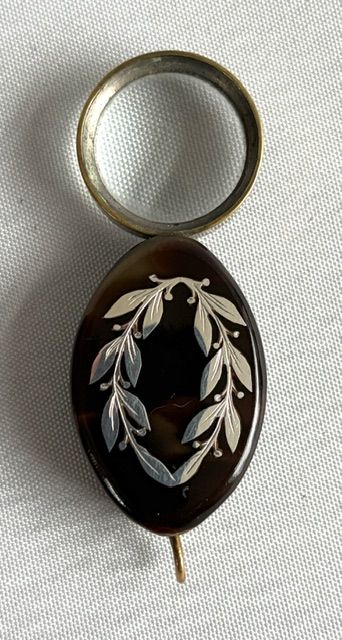
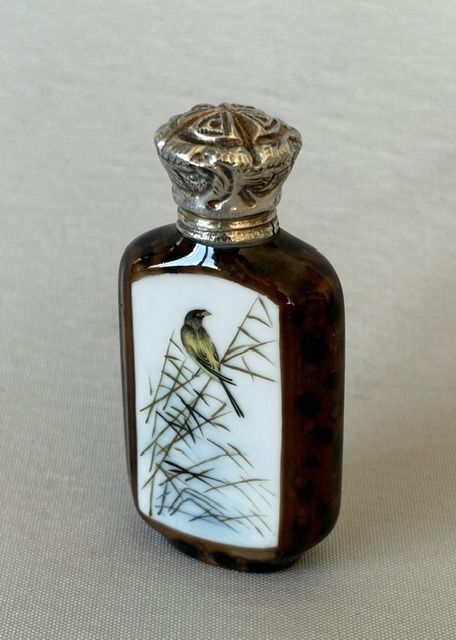
Pieces range from small personal items like scent bottles and hair ornaments to larger furnishings such as centre tables, mantel clocks, and wall mirrors. Items often combine the mottled amber material with sterling silver mounts or brass inlay.
The selection includes items produced during the 17th, 19th, and early 20th centuries, reflecting changing domestic tastes across the Victorian, Edwardian, and Art Deco periods.
Materials and technique
Craftsmen utilised plates of shell sourced from marine turtles, heating and pressing the translucent material to shape it over wooden or metallic carcases. Thin layers were often combined using heat to achieve larger surface areas for cabinets and boxes.
Boulle technique involved inlaying brass and tortoiseshell together into ebonised wood grounds, creating intricate patterns across desks, clocks, and cabinets. Pique work employed fine gold or silver pins tapped into the warm surface to form delicate motifs.
Antique Tortoiseshell Retail Price Guide 2026
Typical asking prices for tortoiseshell among the pieces listed under this phrase on Sellingantiques today, from the lower quarter to the upper quarter. They describe what is for sale here now, not the wider market.
Listings feature items in Victorian, Edwardian, and Art Deco styles, incorporating materials such as sterling silver, brass, ebonised wood, and glass.
Quality variations
Quality depends on the precision of metal inlay and the clarity of the mottled amber shell. Superior examples display dense, vibrant patterning without heavy patching or visible repairs.
The integration of precious metals, such as hallmarked sterling silver mounts, distinguishes finer domestic containers and dressing table sets from simpler or simulated alternatives.
Ollivant & Botsford·Henry Matthews·Asprey & Co.·Thuret
The Antique Tortoiseshell Glossary
- Boulle
- A method of marquetry using tortoiseshell and brass inlay developed in France and utilised on cabinets and desks. The technique creates a rich contrast between the dark mottled shell and gleaming metal.
- Pique
- The art of embedding tiny gold or silver pins and strips into tortoiseshell to form decorative patterns. This delicate ornamentation often appears on small trinket boxes and vanity items.
- Ebonised
- Wood treated to imitate ebony, commonly used as a dark contrasting ground for tortoiseshell panels and brass inlay. It provides a stable structural base for decorative furniture.
- Enconchado
- A decorative technique incorporating mother-of-pearl or shell fragments into paintings or frames. Examples appear in colonial Spanish items.
Antique Tortoiseshell: Frequently Asked Questions
How do I care for antique tortoiseshell?
Keep items away from direct sunlight and strong heat sources to prevent warping or drying out of the material. Dust gently with a soft, dry cloth.
Avoid using harsh chemical polishes or water, as moisture can damage the underlying wooden carcase or lift delicate metal mounts.
What is faux tortoiseshell?
Faux versions use treated horn, glass, or celluloid to mimic the mottled brown and amber appearance of genuine shell. These alternatives became common during the early twentieth century for vanity sets.
Examination under magnification often reveals the lack of natural growth patterns found in organic shell material.
How do I date these pieces?
Dating relies on stylistic clues, mounting techniques, and silver hallmarks where present. Victorian and Edwardian items often feature stamped maker marks and standard assay office symbols.
Earlier pieces from the seventeenth and eighteenth centuries display distinct cabinetmaking methods and heavy bronze or brass mounts.
Were these items used daily?
Many objects served practical purposes in the home or dressing room, housing trinkets, cosmetics, or writing implements. Inkwells and scent bottles were standard desk and vanity accessories.
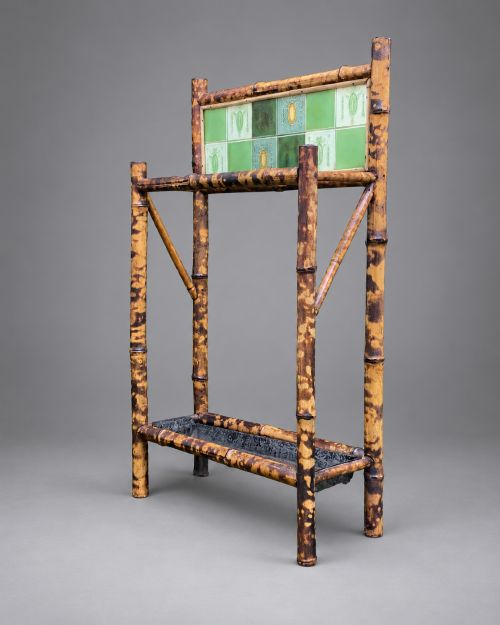
Larger furniture pieces, including clocks and jardiniere stands, functioned as prominent display items in wealthy Victorian and continental interiors.