




Antique Torch Light
These antique torch light pieces bring sculptural illumination into a room, channelling classical forms through bronze, ormolu and glass.
Antique Torch Light
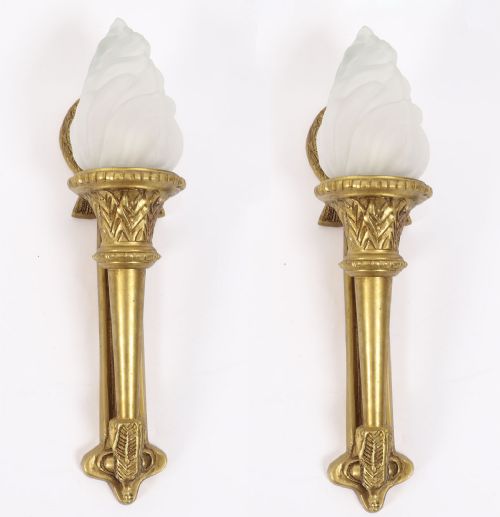
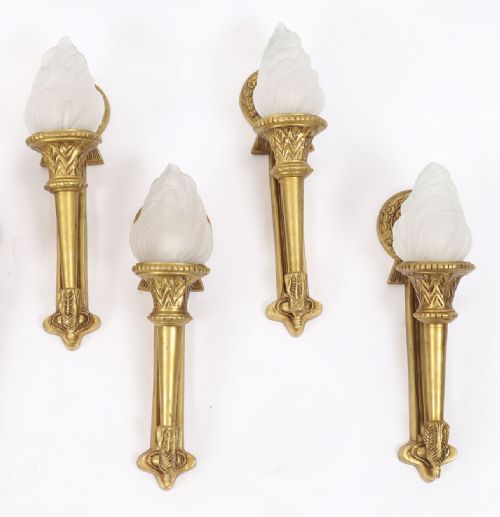
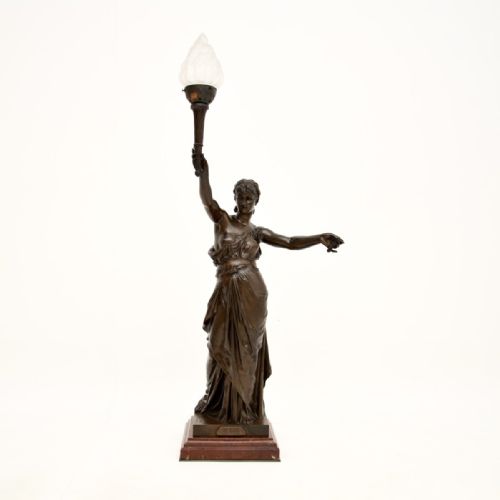
The selections available here lean towards wall lights and figural floor lamps rather than standard domestic table lighting. You are most likely to meet neo-classical ormolu flaming torch wall sconces alongside substantial nineteenth-century bronze figural torchères.
Origins span French ateliers, Venetian workshops and British domestic production, with periods stretching from the Victorian era through to Art Deco designs. The forms range from simple iron lanterns to complex mythological figures cast in bronze and patinated metals.
Materials and construction methods
Bronze and ormolu dominate the construction of these pieces, often combined with cast glass to represent the flickering flame of the torch. Foundries utilised lost-wax casting for figural elements, ensuring sharp detail on figures holding lamps.
Secondary materials introduce texture and colour, including carved wood with gilt polychrome, marble bases, wrought iron and toleware. Surface treatments range from fire-gilding and gold leaf to dark patination on iron and bronze.
Mermaids and mythical figures occasionally double as light-bearers, proving that nineteenth-century lighting designers had a healthy appetite for fantasy.
Distinctions in quality and execution
Quality rests primarily on the crispness of the metal chasing and the artistic merit of the cast figures. Top-tier pieces exhibit refined hand-chasing on ormolu and bronze, while simpler items rely on standard foundry casts.
The integration of the electrical fittings or original burner mechanisms with the sculptural form dictates the structural integrity. Superior examples maintain balance between the heavy metal base or wall mount and the glass or flame element.
F. De Luca·Emile Picault·Jean-Jules Cambos·François-Christophe-Armand Toussaint
The Antique Torch Light Glossary
- Ormolu
- Gilt bronze produced by applying a mercury and gold amalgam to a bronze base and heating it. This technique creates a durable, warm golden finish seen on neo-classical wall lights.
- Torchère
- A tall ornamental stand or floor lamp designed to hold a light or candle. In earlier periods these took the form of figures holding flaming torches.
- Patination
- The surface colour and texture developed naturally over time or applied chemically to bronze and iron. A deep patination enhances the contours of figural stems.
- Toleware
- Painted or lacquered sheet metal used for decorative objects and wall lights. It allows for rich gilding and colourful polychrome decoration.
- Appliqué
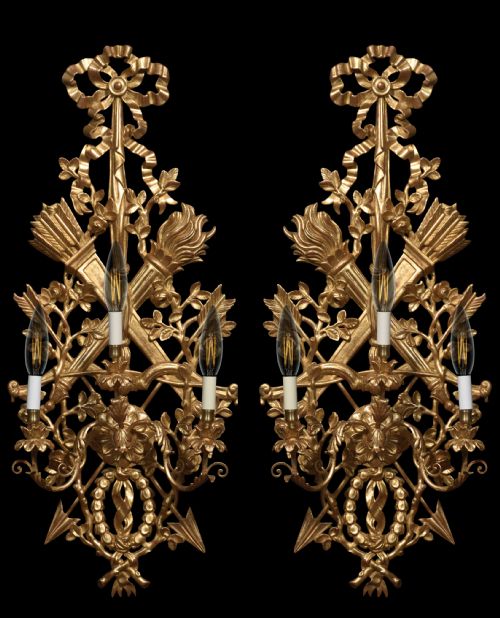
- A decorative wall sconce or fixture applied directly to a wall surface. These often feature multiple candle arms shaped like floral or torch clusters.
Antique Torch Light: Frequently Asked Questions
Where should I place an antique torch light?
Wall lights suit entrance halls, stairwells or flanking a fireplace where their sculptural profile can be appreciated. Floor-standing torchères work well in corners of larger reception rooms to cast upward illumination.
Ensure the mounting surface can support the weight of bronze or cast iron fixtures. Proper placement highlights the classical figures and metalwork details.
How do I identify the period of a torch wall light?
Examine the stylistic cues and metal casting techniques. Neo-classical and Victorian pieces often feature crisp ormolu mounts and classical motifs, while Art Deco examples show cleaner geometric lines and materials like catalin or chrome.
Check the fixing points and backplates, as older iron and brass fittings reveal hand-worked manufacturing marks distinct from twentieth-century mass production.
What maintenance do bronze and ormolu require?
Dust regularly with a soft, dry brush to prevent dirt accumulation in the chased details of the metal. Avoid using harsh chemical cleaners or metal polishes that strip the original patination or gilt.
Preserve the surface by keeping pieces away from excessive moisture and direct heat sources. Gentle cleaning maintains the historical finish of the bronze.