


Antique Tobacco Pipe
An antique tobacco pipe brings tactile history to your hand, shaped from briar, wood, or clay for quiet contemplation.
Antique Tobacco Pipe
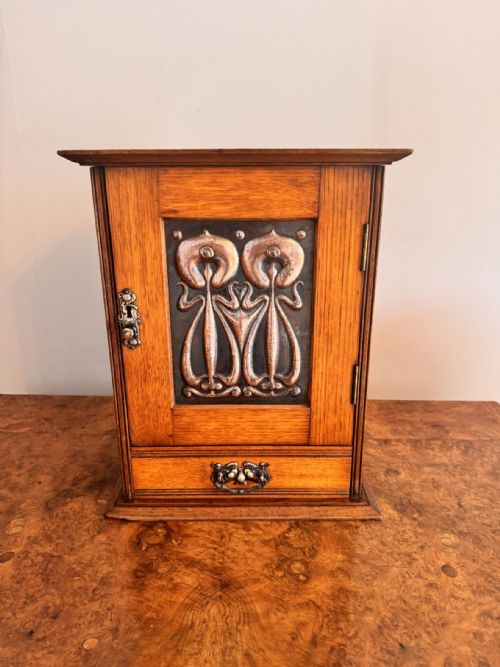
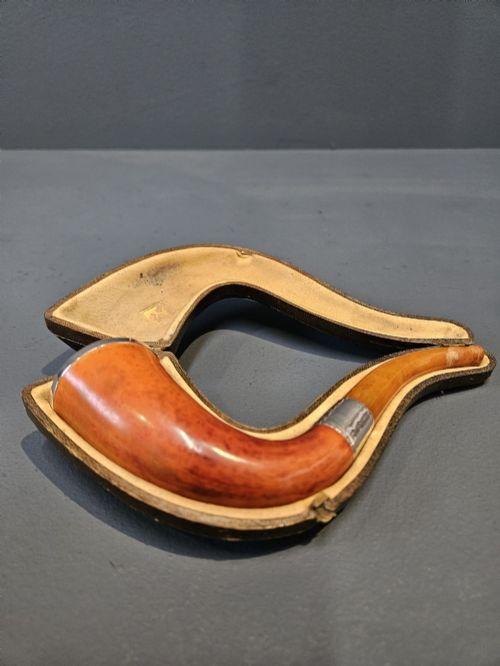
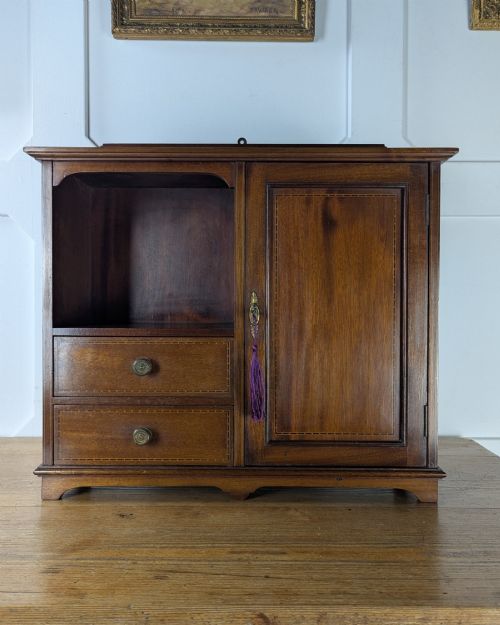
An antique tobacco pipe sits firmly within the broader category of tobacciana and smoking accessories, spanning centuries of domestic habit. When you search for an antique tobacco pipe, you encounter smoking apparatus alongside the cabinets, stands, and pouches designed to house them. These pieces emerge from periods ranging from the eighteenth century through the Edwardian era and the early twentieth century.
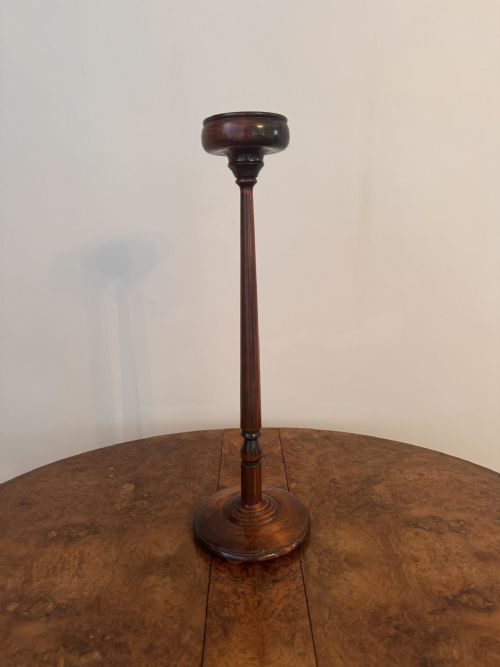
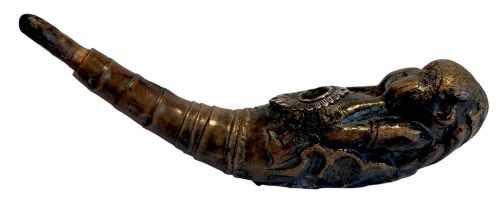
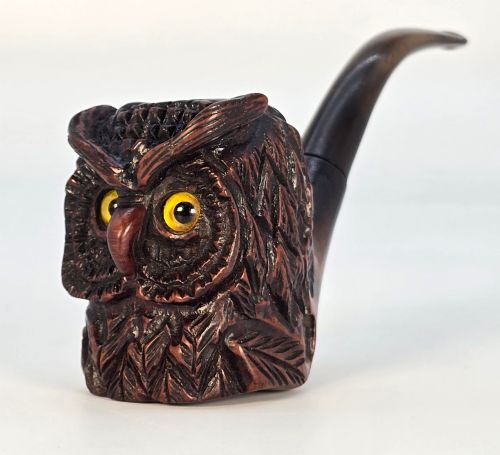
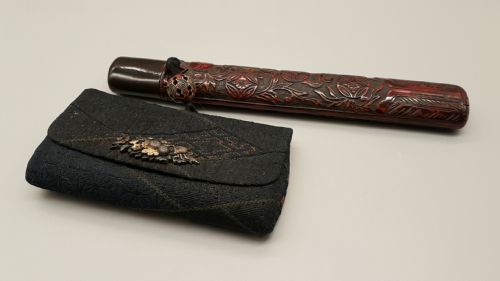
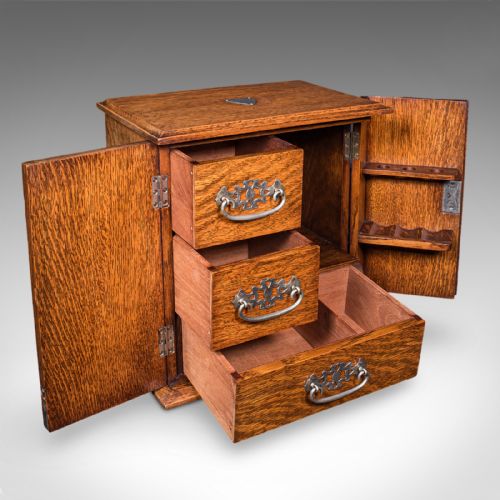
The versions most commonly met on this page include briar wood bowls often paired with silver mounts, alongside carved wooden examples from European workshops. Alongside smoking pipes proper, the listings encompass related accessories such as brass tampers, pipe stands in mahogany or oak, and fitted cases in amber and leather. Originating across England, France, Germany, and further afield in Asian and Persian traditions, each object reflects the smoking customs of its specific decade.
Materials and Craftsmanship
The construction of these smoking accessories relies upon durable woods, metals, and mined minerals selected for heat resistance and aesthetic weight. Briar wood and linden wood provide the carved bodies for many bowls and humidors, often shaped by hand into figural or botanical motifs. Metals such as brass, copper, and sterling silver form mounts, hinges, and tampers, adding structural integrity and decorative contrast.
Makers incorporate organic elements like amber, horn, and silk alongside ceramic elements including clay and white combed glass. Woodworkers utilise mahogany, satinwood, and oak for cabinetry and pipe stands, employing joinery that secures delicate smoking instruments. These materials combine to withstand regular handling while maintaining detailed carved surfaces.
Judging Quality in Smoking Antiques
The distinction between standard utility items and superior examples rests upon the depth of the carver's skill and the integrity of the materials. Finely carved meerschaum or linden wood displays crisp, three-dimensional detail without softening of the edges, whereas lesser pieces show blunt or hurried tool marks. The inclusion of precious mounts in silver, gold, or amber elevates an ordinary smoking pipe into a piece of fine craftsmanship.
Proportion and execution define the better pieces across both pipes and their accompanying stands or cabinets. Pieces bearing maker or factory attribution, such as documented French briars or marked English silver, demonstrate superior provenance. The harmony between the functional purpose of the pipe and the decorative quality of its case or stand determines its standing.
Blumfeld·Butz Choquin·GBD·Shapland and Petter·Southorn and Co·Royal Doulton
The Antique Tobacco Pipe Glossary
- Briar wood
- A dense burl derived from the root of the white heath tree, valued for its heat resistance and distinct grain pattern. It forms the standard material for durable smoking pipes from the nineteenth century onward.
- Meerschaum
- A soft white mineral, known chemically as sepiolite, carved into intricate bowls that colour gradually with use. This material absorbs nicotine and moisture to produce a cool smoke.
- Pipe tamper
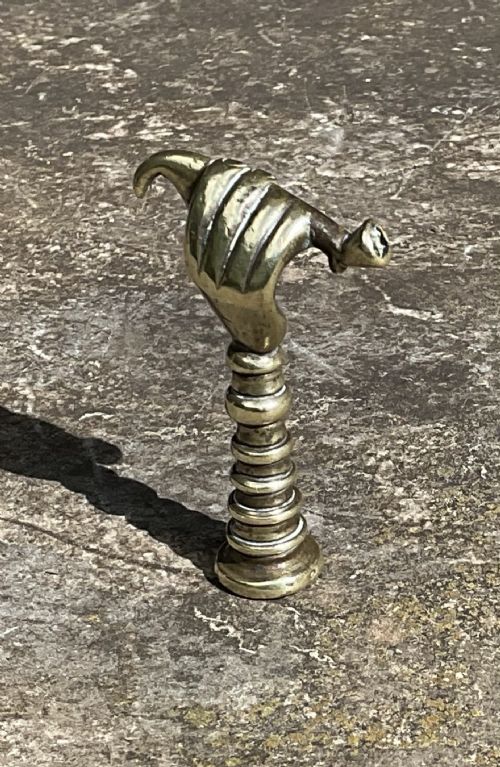
- A small metal, brass, or wooden tool used to press down tobacco within the bowl during a smoke. These often double as figural desk objects or feature decorative finials.
- Churchwarden
- A pipe characterised by a very long stem designed to keep the smoke away from the smoker's face. Examples appear in traditional clay formations.
- Treen
- Small handmade wooden household objects and utilitarian items. In this context, it includes coopered pipe stands and tobacco boxes.
Antique Tobacco Pipe: Frequently Asked Questions
How do I clean an antique tobacco pipe?
Cleaning historic smoking pipes requires gentle maintenance using soft brushes and cotton swabs without harsh chemical solvents. Preserving the original patina on briar, clay, or meerschaum ensures the material remains stable.
Avoid soaking wooden or meerschaum bowls in water, as moisture damages both the internal bore and the exterior finish. Professional restoration focuses on retaining historical integrity rather than returning the piece to factory condition.
What is a meerschaum pipe?
A meerschaum pipe is carved from a hydrated magnesium silicate mineral found primarily in Turkey. The porous nature of the stone creates a dry, cool smoke while gradually changing colour from white to amber through use.
Collectors prize these for their elaborate figural carvings, which often depict historical figures, animals, or mythological scenes. Care must be taken to handle them with clean hands to prevent uneven discolouration of the mineral.
Were these pipes actually smoked?
Many smoking pipes show internal carbon buildup from active use, indicating they served their original purpose before entering collections. Others remained unused as display pieces, advertising samples, or contents of gentleman's smoking cabinets.
Determining use involves inspecting the interior of the bowl for dottle or residue. Both smoked and unsmoked examples hold distinct appeal for collectors of tobacciana.
How are wooden cabinets dated?
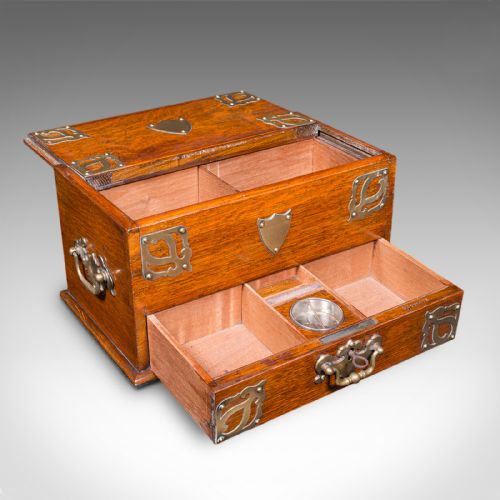
Dating oak, mahogany, and satinwood smoking cabinets relies upon examining construction methods, hardware, and prevailing stylistic movements such as Edwardian or Arts and Crafts. Dovetailed drawer joints and brass hinges provide chronological markers.
Design motifs like Art Nouveau whiplash lines or Georgian proportions further anchor the piece to a specific decade. Makers marks or retailer stamps inside the doors offer definitive proof of origin.