



Vintage Wood Smoking Pipe
These vintage wood smoking pipe examples range from Edwardian briar to carved African tribal art, offering tactile pieces of social history for the collector.
Vintage Wood Smoking Pipe
You are most likely to meet briar wood pipes alongside carved wooden tobacco boxes and stands made from mahogany. The inventory also stretches into continental European carvings, including Black Forest linden wood and German work.
The assortment reflects varied origins and contexts, stretching from Edwardian and Victorian domestic pieces to trench art and African tribal objects. These items serve both as functional smoking accessories and decorative objects.
How they were made
The construction of these smoking accessories relies heavily on traditional woodwork, utilising materials such as mahogany, linden wood, and briar wood. Skilled artisans shaped these timbers through turning, cooperage, and intricate hand carving.
Many pieces incorporate mixed media, combining wood with sterling silver mounts, brass fittings, bone, horn, and amber. These secondary materials provided structural reinforcement, functional closures, and decorative contrast to the wooden bodies.
The documented periods span the 19th century, Georgian, Victorian, Edwardian, 1850, 1880, 1900, 1910, 1920, and the First World War.
What varies in quality
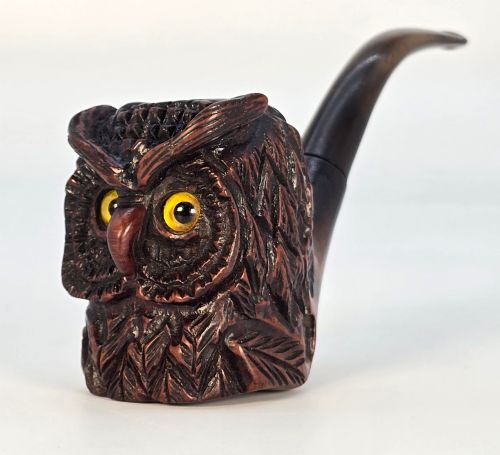
Quality in these items is determined by the depth and precision of the carving, particularly in figurative pieces such as animal-form humidors and propaganda pipes. Superior examples demonstrate confident toolwork and anatomical accuracy rather than crude shaping.
The selection of materials also dictates the standard of the piece, with high-grade briar, well-figured mahogany, and genuine horn or amber mouthpieces elevating the manufacture. Integration of precious metal mounts and fitted cases indicates higher original status.
Blumfeld·Butz Choquin·Roberto Venturi
The Vintage Wood Smoking Pipe Glossary
- Briar wood
- A dense and heat-resistant wood sourced from the root burl of the tree, commonly utilised for tobacco pipes. It is prized for its grain pattern and durability under frequent use.
- Treen
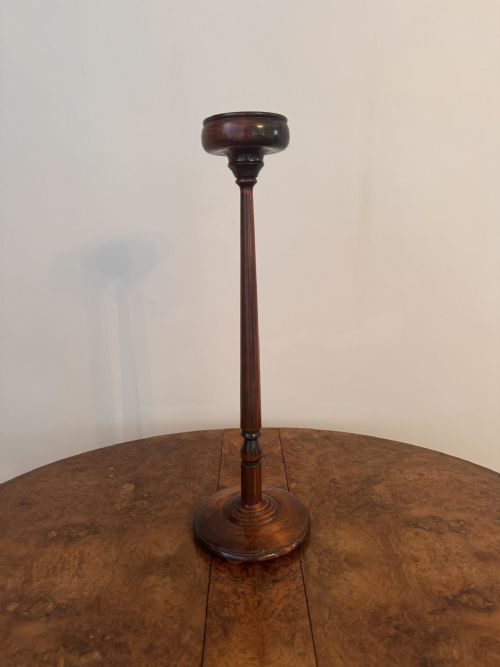
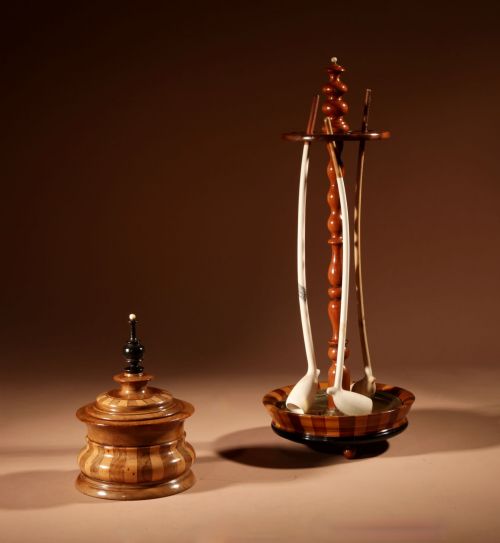
- Small handmade wooden objects for domestic use, produced across various centuries. This term covers items like turned tobacco boxes and coopered pipe stands.
- Humidor
- A specialised container designed to keep tobacco or cigars at a controlled humidity. Antique versions often take sculptural wooden forms, such as carved animals.
- Coopered
- Built using staves and hoops of wood joined together, a method traditionally used for barrels and applied here to smoking stands and tobacco boxes.
Vintage Wood Smoking Pipe: Frequently Asked Questions
What is a briar wood pipe?
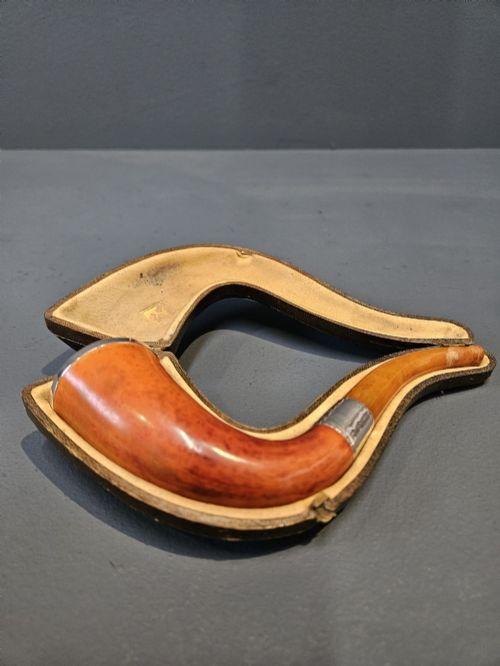
A briar wood pipe is a smoking pipe fashioned from the root burl of the white heath tree. This material became popular due to its natural resistance to burning and attractive grain.
Such pipes often feature silver mounts and come with fitted protective cases, reflecting their status as personal accessories.
How do I identify Edwardian pipes?
Edwardian smoking pipes date from the reign of King Edward VII, spanning the early years of the twentieth century. They frequently exhibit refined silver mounts and sophisticated manufacturing techniques.
Maker marks and hallmarks on the metal components provide the most reliable indication of this period.
What is Black Forest woodcarving?
Black Forest woodcarving refers to decorative wooden objects produced in the mountainous region of central Europe during the nineteenth century. These items often take the form of bears and other wildlife.
Carvers utilised linden wood to create detailed humidors, tobacco boxes, and other domestic items with realistic textures.