


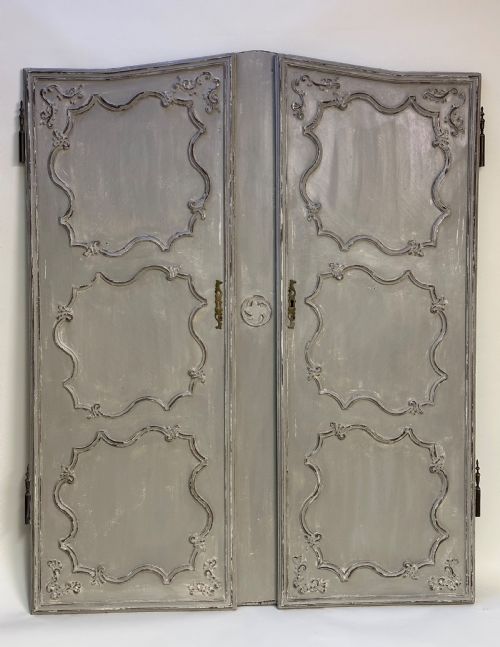


Antique Timber Wall Cupboard
An antique timber wall cupboard brings period grain and honest joinery into a room, offering compact storage that mounts directly to the plaster.
Antique Timber Wall Cupboard
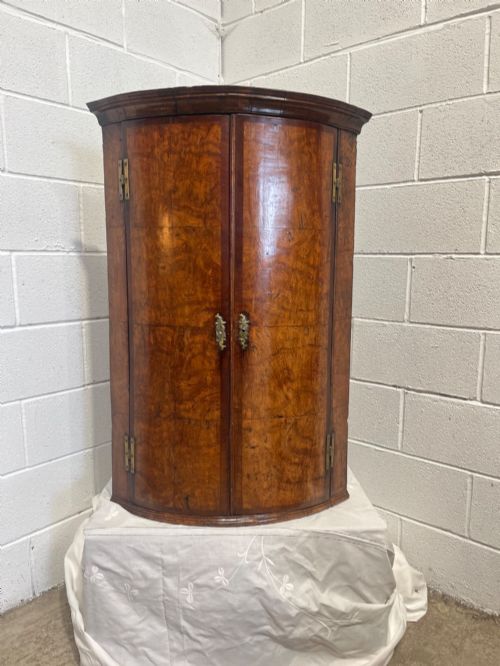
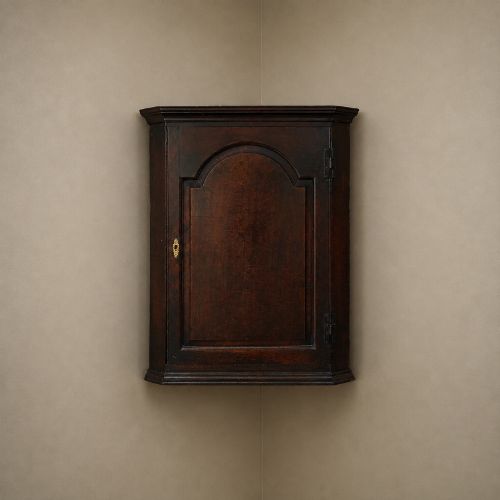
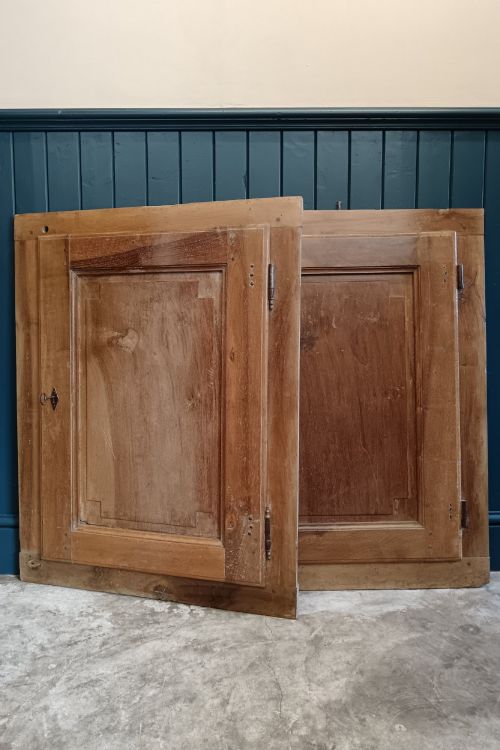
An antique timber wall cupboard is a space-saving hanging cabinet designed to fit flush against a wall or tuck neatly into a room corner. The selection on this page ranges from compact Georgian hanging corner cabinets to rustic French painted doors and architectural alcove cupboards.
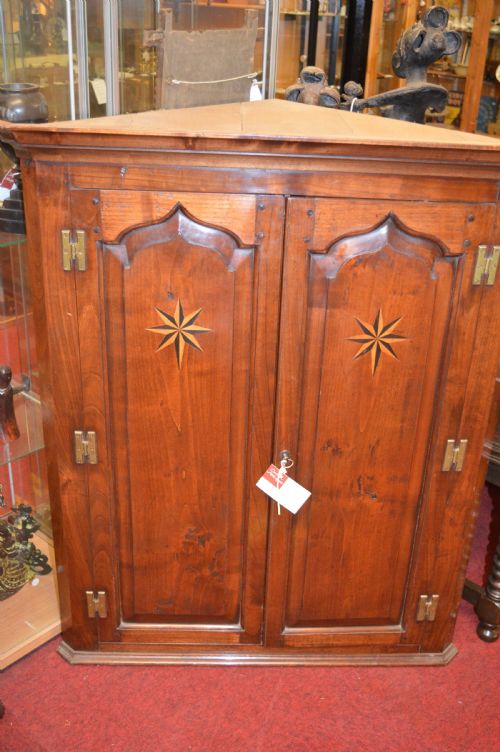
Most pieces you encounter here date from the Georgian and eighteenth-century periods, alongside nineteenth-century examples and rustic provincial finds. Forms span glazed door corner cabinets, spice cupboards with inlaid satinwood, and solid oak wall cupboards.
Buyers seek these wall-mounted pieces to introduce period character and practical shelving into hallways, kitchens, or living spaces without consuming valuable floor area. They combine utilitarian storage with the rich patination of aged timber.
Materials and construction
Cabinet makers built these wall cupboards using dense native hardwoods like oak, mahogany, burr oak, fruitwood, and yew wood, often accented with brass hardware and iron hinges. Some provincial pieces feature hand-painted finishes or decorative hand carvings.
Joinery methods relied on traditional frame-and-panel construction and dovetail joints to ensure the wall-hanging cabinets could support the weight of stored contents over centuries. Glazed doors incorporate timber muntins holding glass panes, while inlaid versions display contrasting timbers such as satinwood.
Some French provincial pieces still carry the earthy atmosphere of the manoir cellars and rustic cellars they originally inhabited.
Assessing quality and craftsmanship
The distinction between standard examples and finer pieces lies in the selection of the timber grain, such as figured mahogany or burr oak, and the precision of the cabinet maker's joinery. Superior items exhibit crisp hand carving, well-fitted doors, and original brass or iron hardware that has aged naturally with the wood.
Provincial pieces depend on rustic charm and honest patination, whereas formal Georgian and Sheraton period cabinets showcase refined proportions, delicate satinwood inlay, and balanced panel work. The integrity of the original hanging points and timber stability ultimately dictate the standard of construction.
The Antique Timber Wall Cupboard Glossary
- Corner cupboard
- A cabinet specifically constructed with an angled back to fit neatly into the corner of a room, saving valuable floor space. These are frequently found in both hanging and floor-standing formats.
- Glazed door
- A door frame fitted with glass panes rather than solid timber panels, allowing contents within the cupboard to be displayed. This treatment is common in formal Georgian hanging cabinets.
- Satinwood inlay
- A decorative technique where thin veneers of pale satinwood are inserted into recesses within a darker primary timber like mahogany to create contrasting geometric patterns.
- Alcove cupboard
- A recessed storage unit built or fitted to occupy a wall niche or architectural opening within a room. These pieces utilise dead space to provide discreet shelving.
- Patina
- The deep, lustrous surface sheen developed on timber over decades of handling, polishing, and exposure to light. It serves as a visual indicator of age and genuine use.
Antique Timber Wall Cupboard: Frequently Asked Questions
What rooms suit an antique hanging corner cupboard best?
Hanging corner cupboards excel in smaller dining rooms, kitchens, or hallways where floor space is limited but vertical angles are underutilised. They provide practical display shelving for ceramics or glassware without crowding the surrounding furniture.
The geometric lines of a corner cabinet draw the eye upward and anchor an empty wall effectively.
How can I tell a Georgian wall cupboard from a later copy?
Examine the construction methods visible on the interior and reverse of the piece, looking for hand-cut dovetails, handmade rosehead nails, and shrinkage cracks appropriate for aged timber. Georgian pieces typically feature native hardwoods like oak or mahogany with honest patination and traditional hand-planed surfaces.
Later Victorian revivals often display more uniform machine-sawn components and standardised internal fittings.
How should I clean and maintain aged oak or mahogany?
Dust the timber regularly with a soft, dry cloth to prevent particulate buildup without abrading the delicate historical surface. Avoid modern silicone-based sprays or harsh chemical polishes that can penetrate the grain and degrade the natural patina over time.
Apply a traditional beeswax sparingly if the timber appears dry, buffing gently to maintain a soft, protective sheen.