
Antique Timber Relief
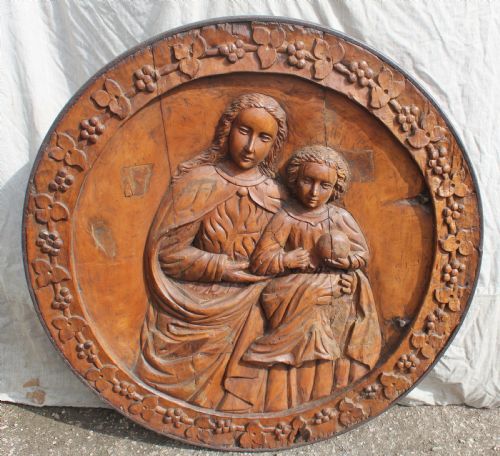
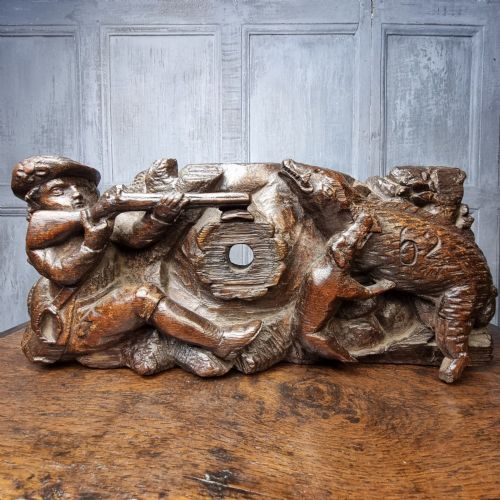
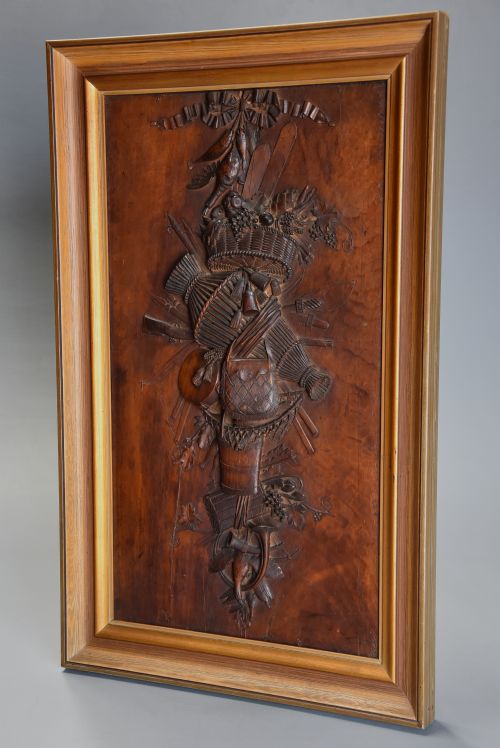
These pieces of antique timber relief span centuries of hand carving, bringing historic architectural fragments and figurative wall panels into domestic interiors.
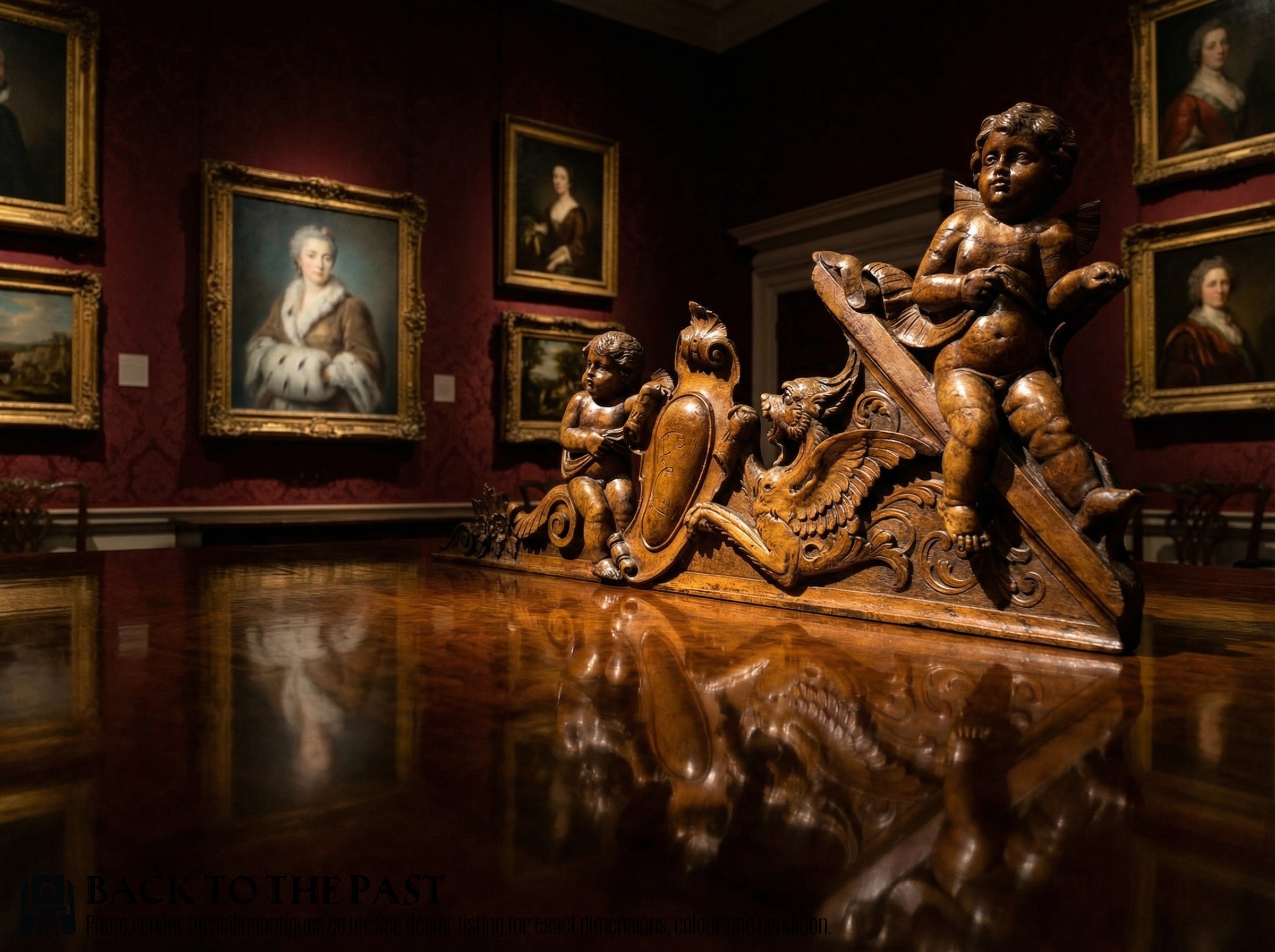
Antique Timber Relief
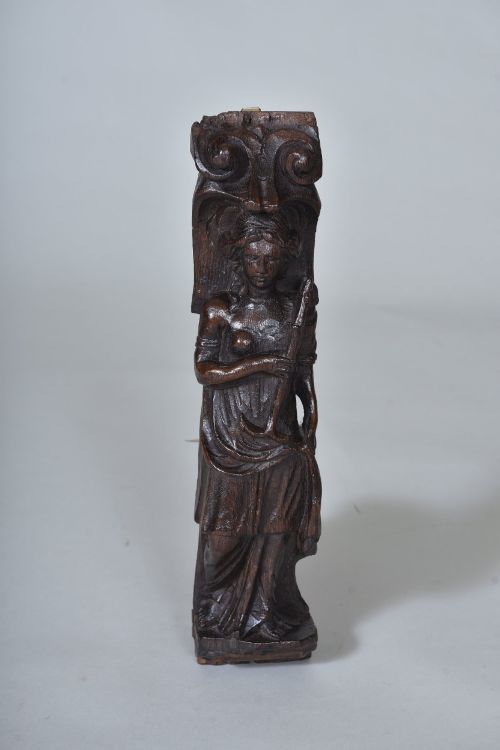
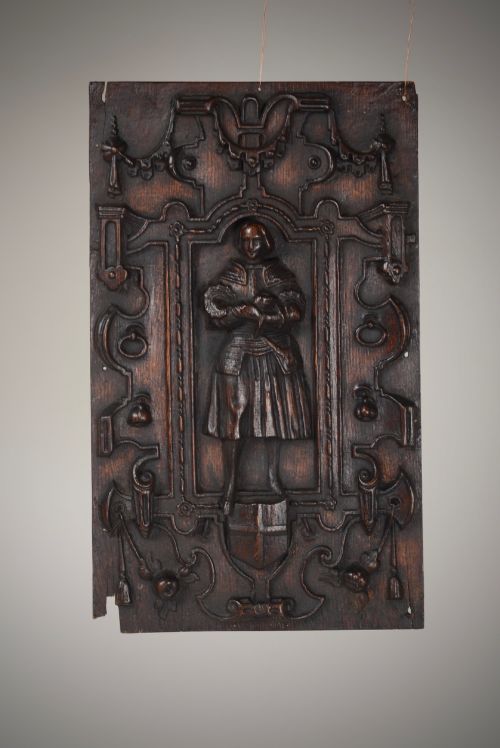
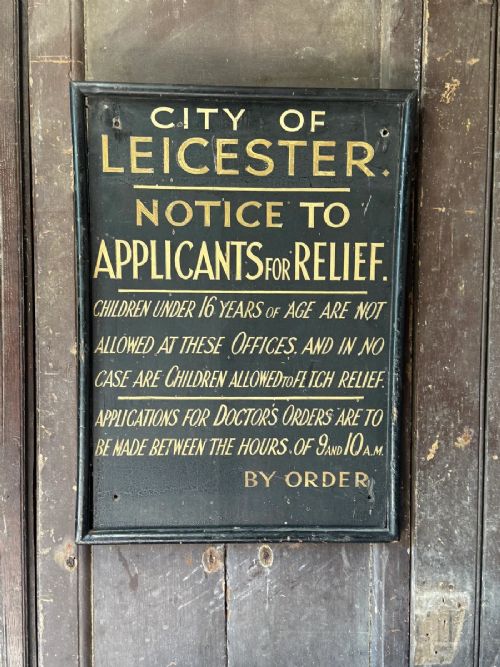
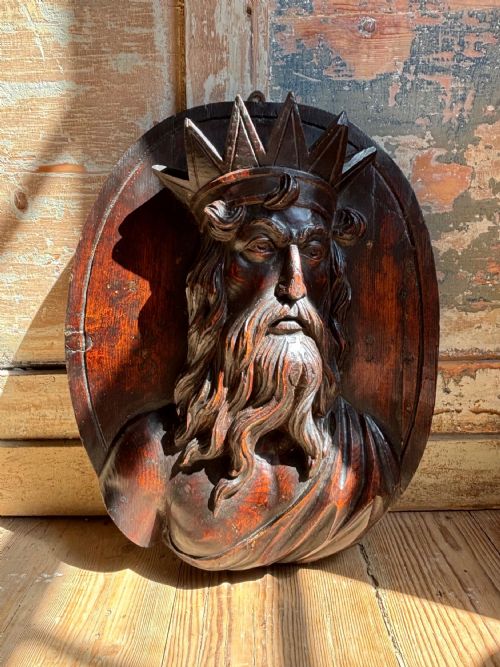
When searching for antique timber relief, buyers encounter architectural salvage, wall panels, plaques, and sculptures produced across the sixteenth, seventeenth, eighteenth, and nineteenth centuries. The objects range from ceiling bosses and staircase panels to framed figurative carvings and painted signs.
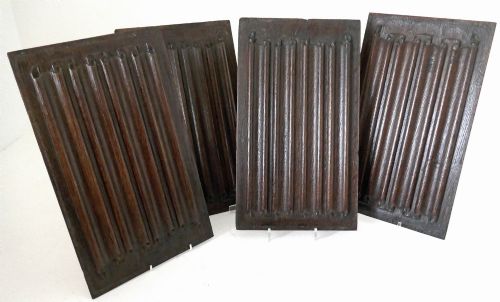
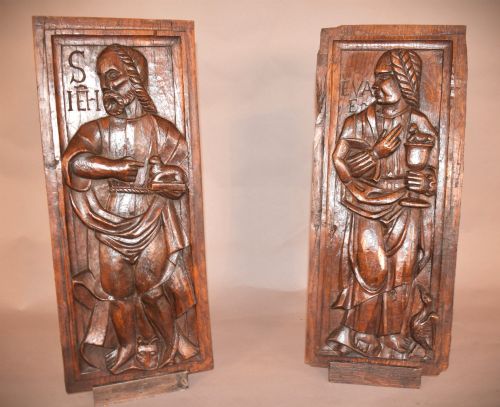
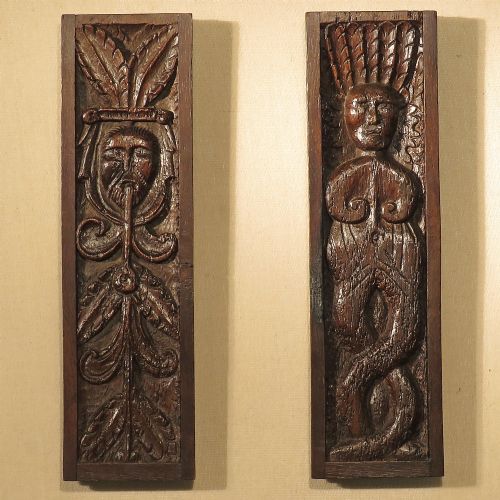
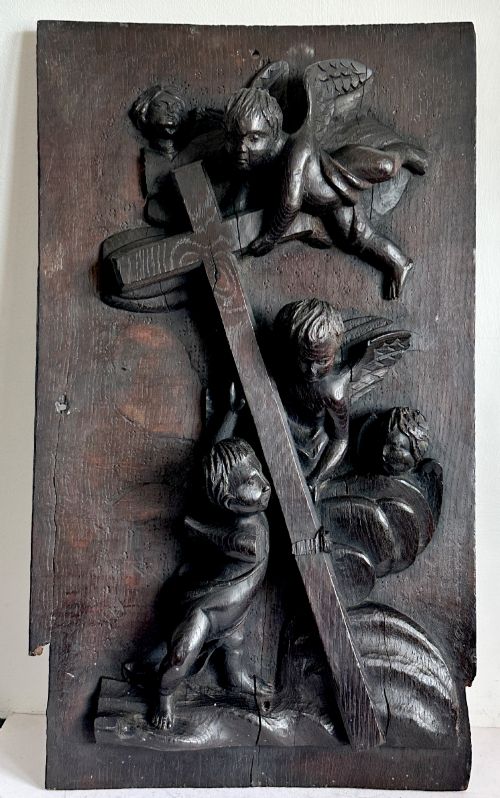
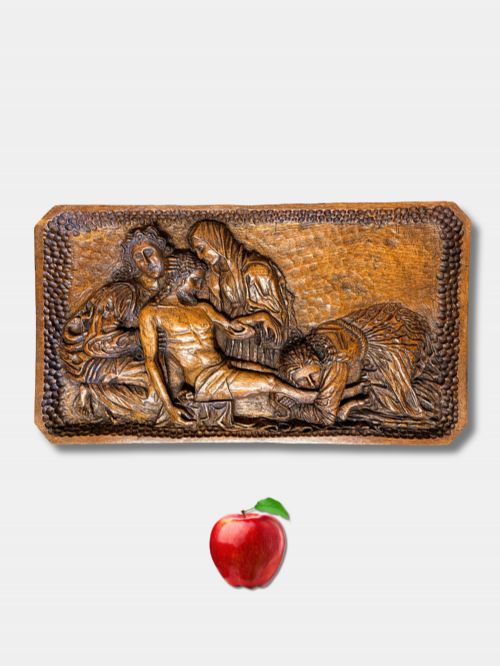
The version most frequently met on this page is the carved oak panel originating from the seventeenth century or earlier Tudor periods. These items often feature linenfold patterns, green man motifs, or religious subjects executed in deep relief.
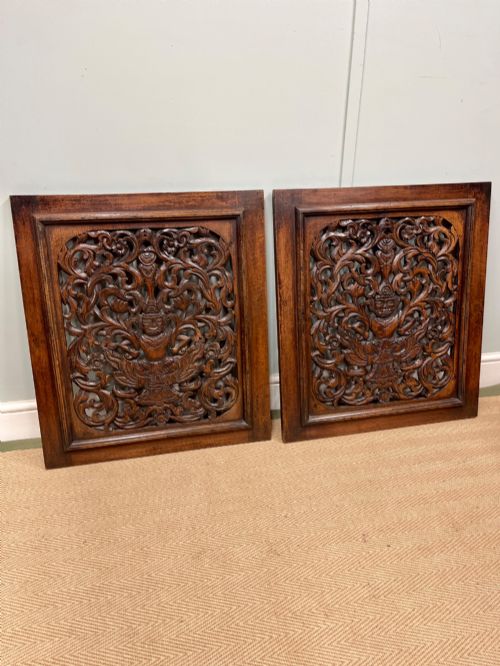
Beyond domestic British and European woodwork, pieces originate from diverse global traditions including Chinese Qing Dynasty plaques and Burmese panels. Each format serves as a direct survival of historic interior decoration and architectural joinery.
Materials and technique
Makers utilised native hardwoods such as oak, walnut, chestnut, fruitwood, and limewood, selected for stability and grain. These materials were worked using gouges, chisels, and mallets to achieve varying depths of projection from the backing timber.
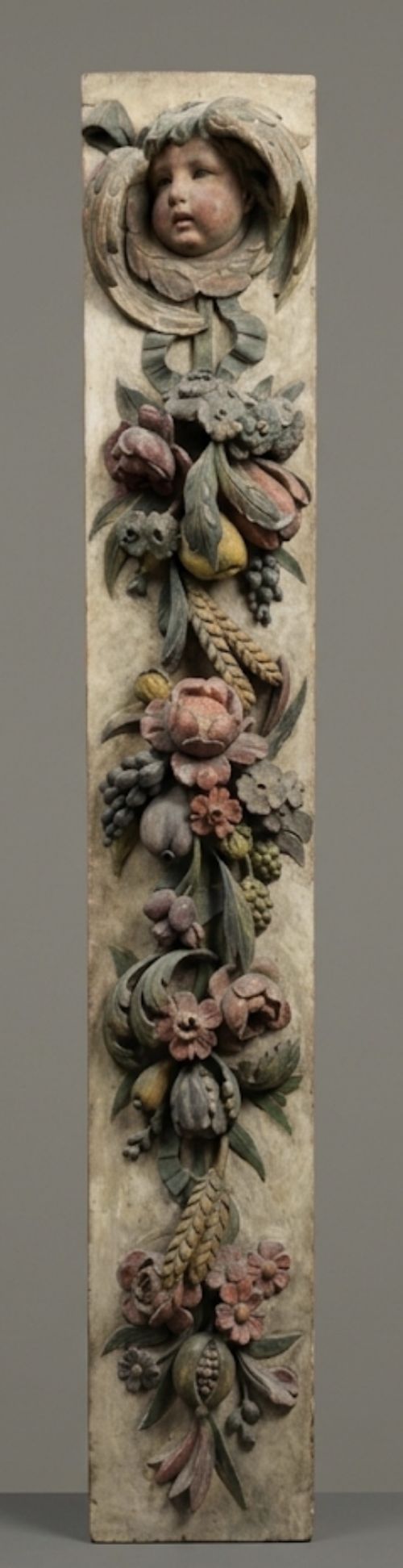
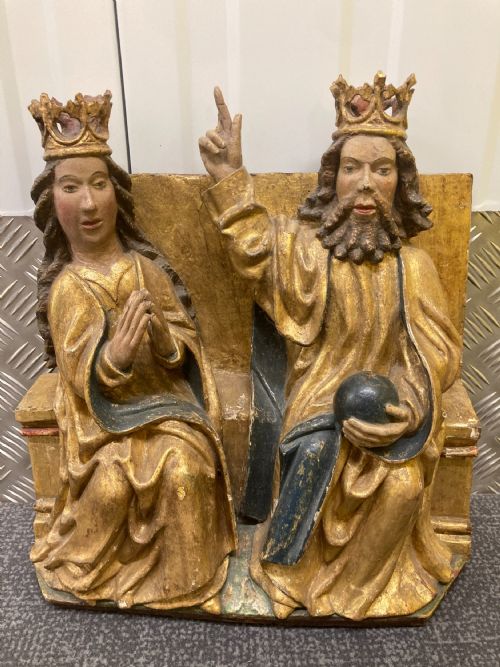
Surface treatment frequently involved applied paint, polychrome pigments, or gilding over gesso grounds, particularly on continental religious groups and architectural pediments. Joinery methods relied on pegged mortise and tenon frames or solid boards carved directly in the mass.
The inventory records diverse international origins, encompassing British, European, Chinese, and Burmese carving traditions.
Factors of quality
Condition and originality dictate the standing of a panel, specifically the preservation of the original surface patination against later stripping or aggressive cleaning. Integrated framing and well-documented provenance further separate standard architectural salvage from exhibition pieces.
Master Carver Edward Pearce·Grinling Gibbons·Thomas Chippendale
The Antique Timber Relief Glossary
- Linenfold
- A style of relief carving imitating folded linen, commonly seen on sixteenth century panels. It provides a textured geometric surface across rectangular wooden boards.
- Ceiling boss
- A projecting decorative block placed at the intersection of ceiling ribs or beams. These structural ornaments often feature carved foliage or heraldic motifs.
- Polychrome
- Decoration employing several colours on a single piece of wood. This technique highlights carved details through contrasting pigments and metallic leaf.
- Acanthus
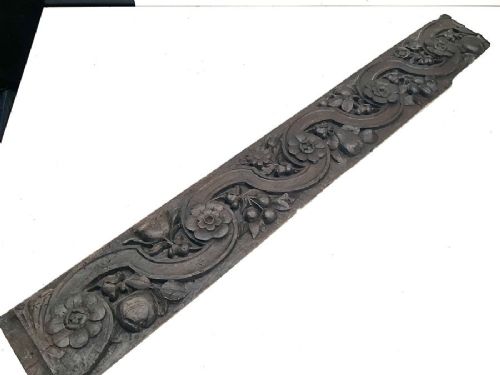
- A classical ornamental motif based on the foliage of the Mediterranean plant. Carvers utilise its scrolled leaf forms extensively within Baroque and Renaissance architectural panels.
Antique Timber Relief: Frequently Asked Questions
How do I hang a heavy timber relief panel safely?
Heavy panels require structural fixing directly into wall studs or masonry using appropriate metal brackets supporting the lower weight of the wood. Professional installation prevents strain on historic joints and prevents the piece from shifting.
Avoid relying solely on light picture wire attached to old framing members. Weight distribution must be managed through the solid timber backing or integrated hanging battens.
How do I distinguish a seventeenth century panel from a Victorian revival piece?
Seventeenth century panels exhibit tool marks consistent with hand gouges and pit sawing, alongside natural timber shrinkage and historic peg construction. The grain patination reflects centuries of handling and environmental exposure.
Victorian Gothic Revival pieces often display machine assistance, standardised joinery, and uniform finishing techniques that lack the organic irregularity of early work. Examining the reverse side for modern screw holes or saw marks helps clarify the period.
Where were timber relief panels originally placed in a building?
Many panels formed part of overarching interior decorative schemes including wall panelling, overmantels, staircases, and ecclesiastical choir stalls. Architectural salvage pieces frequently originated from significant townhouses, churches, or country estates.
Ceiling bosses and pendants occupied structural intersections overhead, while smaller plaques served as devotional objects or commemorative furnishings within domestic rooms.