






Antique Timber Nightstand
An antique timber nightstand brings practical bedside storage and period character to a bedroom, drawing on centuries of craftsmanship in mahogany, oak, and ash.
Antique Timber Nightstand
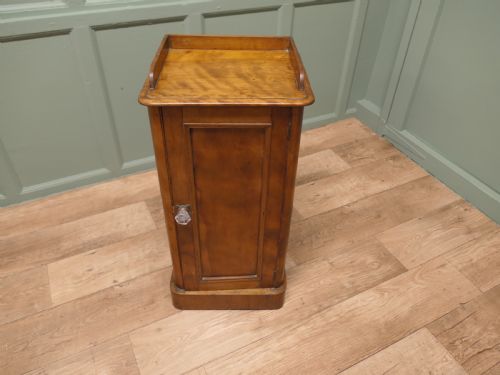
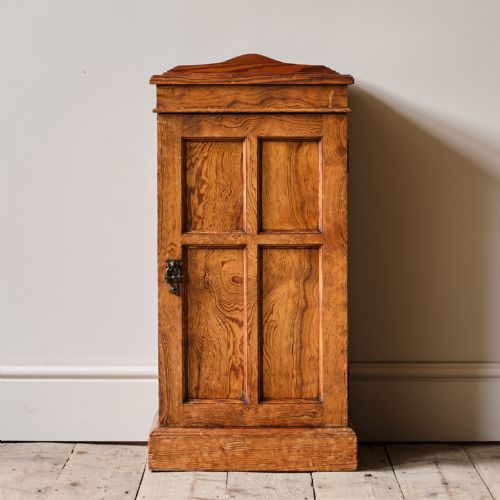
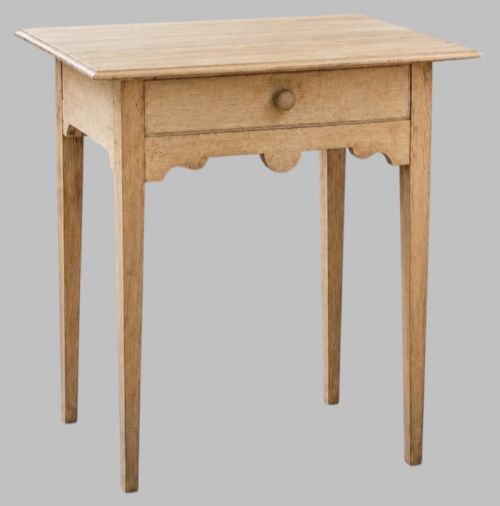
An antique timber nightstand encompasses forms such as bedside cabinets, bedside tables, pot cupboards, and small side tables originating from periods including the eighteenth century, the Victorian era, and the early twentieth century. These pieces serve beside a bed to hold necessities while adding traditional woodwork to a room.
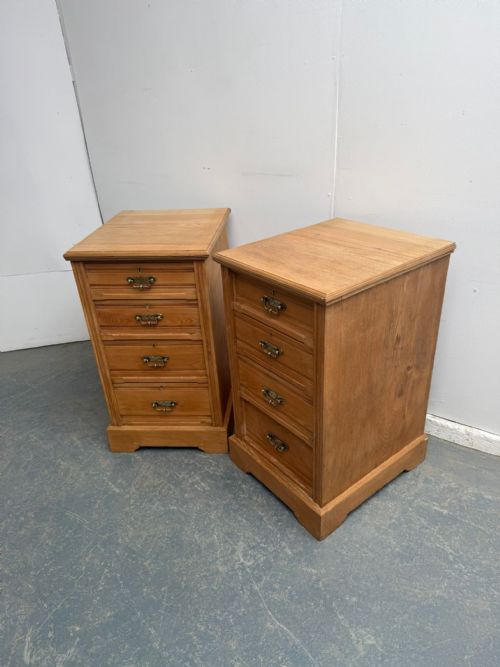
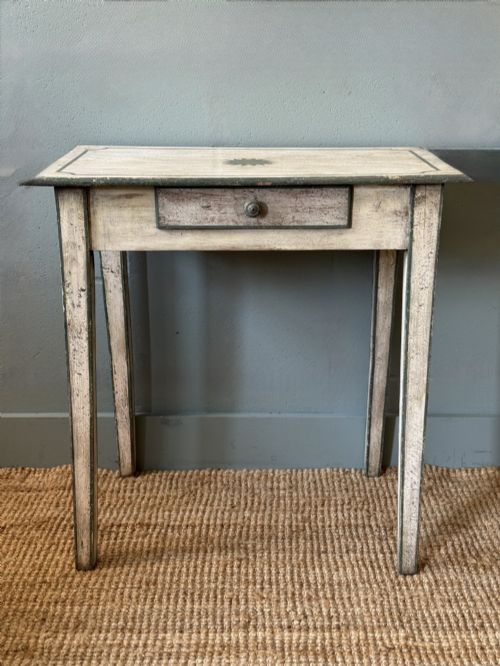
Buyers meeting this search phrase encounter diverse regional styles like French Provincial, Arts and Crafts, Chinese Export, and Gothic Revival. The selection spans compact cupboards with doors to open lamp tables and small chests of drawers.
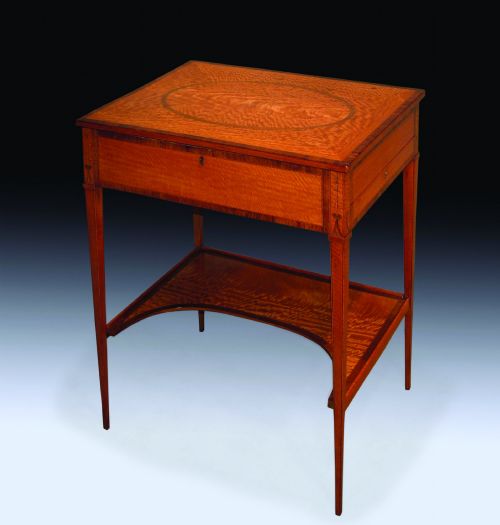
Materials range from rich mahogany and walnut to ash, satinwood, and humble pine. Each piece reflects the domestic habits and interior tastes of its specific era, from Georgian formality to Victorian utility.
How they were made
Cabinetmakers utilised solid timbers such as mahogany, oak, ash, and walnut, often pairing them with decorative veneers like burr elm, kingwood, or satinwood. Joinery relied on traditional methods suited to the wood and the period.
Surface treatments included clear wax finishes to highlight natural grain, painted decoration, and polished tops. Details such as brass hardware, marble inserts, and mother of pearl inlay completed the construction.
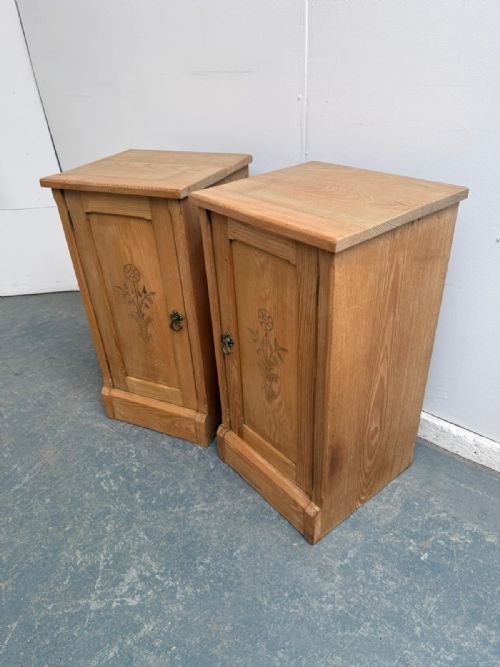
Some nineteenth-century pine cupboards started life holding china chambers rather than alarm clocks.
What varies in quality
Quality rests in the selection of timber figures, the crispness of carved or inlaid details, and the integrity of the original construction. Superior examples maintain their structural firmness and retain matched veneers or patinated solid woods.
The refinement of hardware, the smoothness of drawer operation, and the retention of original surface finishes distinguish finer pieces from simpler utilitarian items.
The Antique Timber Nightstand Glossary
- Pot cupboard
- A small bedside cabinet originally designed to house a chamber pot behind a single door. These enclosed pieces kept bedroom essentials neatly concealed.
- Pembroke table
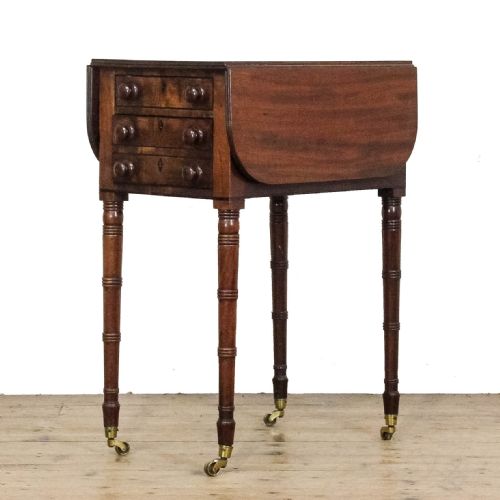
- A drop-leaf table with hinged flaps on either side, often featuring a single drawer. They served versatile functions as worktables or small side stands.
- Occasional table
- A small, light table intended to be moved about a room as needed for lamps or display. They appear in various decorative woods and styles.
- Veneer
- A thin slice of figured wood applied over a secondary timber base to create decorative patterns. Finer cabinets utilise burrs and exotic woods in this manner.
Antique Timber Nightstand: Frequently Asked Questions
What is an antique timber nightstand used for?
These pieces sit beside a bed to provide surface space for lamps, books, and nighttime items while concealing small storage within cupboards or drawers.
They also function as compact lamp tables or side stands in living spaces where floor space is limited.
How do I identify a Georgian nightstand?
Georgian pieces generally exhibit restrained classical proportions, premium mahogany or oak timbers, and straightforward joinery without heavy ornamentation.
Their form often resembles a small enclosed cupboard or a slender table designed for eighteenth-century bedchambers.
Are these bedside tables made of solid wood?
Many examples utilise solid timbers such as mahogany, ash, oak, and walnut throughout their construction and framing.
Others combine solid primary woods with decorative veneers applied to secondary structural timbers.
How do I clean an antique wooden nightstand?
Dust surfaces regularly with a soft, dry cloth and avoid modern chemical polishes that can degrade aged wax or oil finishes.
Occasional application of pure beeswax helps nourish dry timber and maintains the natural lustre of the wood.