


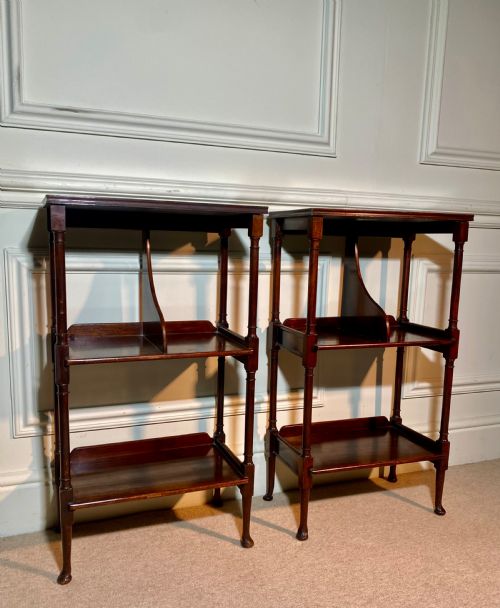


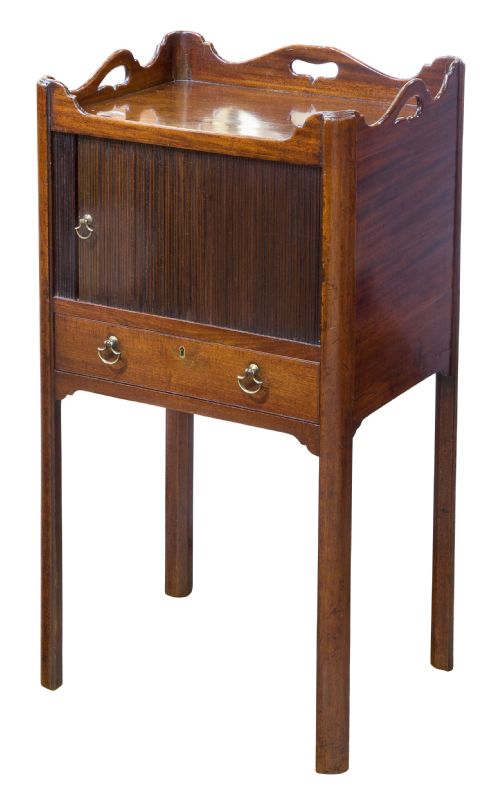

Antique Wooden Night Stand
These antique wooden night stand pieces combine practical bedside storage with period craftsmanship in mahogany, oak, and walnut.
Antique Wooden Night Stand
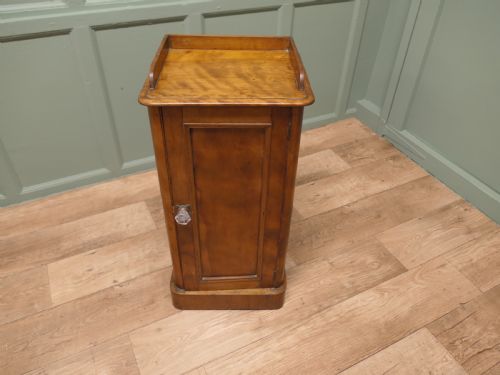
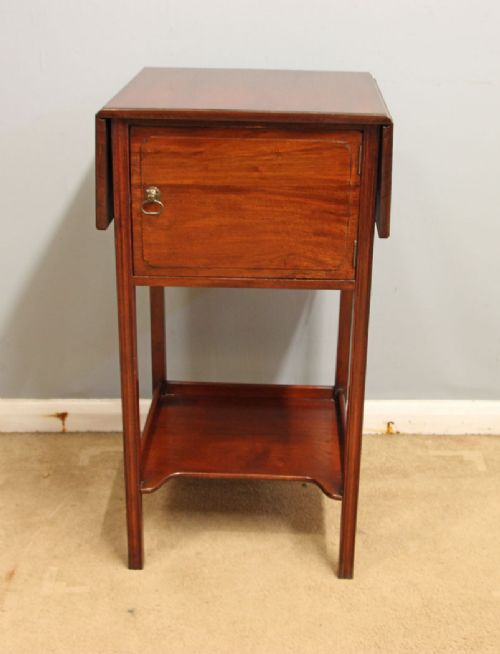
An antique wooden night stand encompasses bedside tables, bedside cabinets, shelves, and watch holders dating from the Georgian period through the Edwardian era and the early twentieth century. Mahogany dominates the selection, appearing alongside carved oak and walnut instances from various regional workshops.
Buyers encounter enclosed bedside cabinets with panelled doors alongside open lamp tables and shelves, reflecting changing bedroom storage habits across the nineteenth and twentieth centuries. Pieces range from formal Georgian forms to Edwardian utilitarian iterations and revival styles like Louis XV and Jacobean.
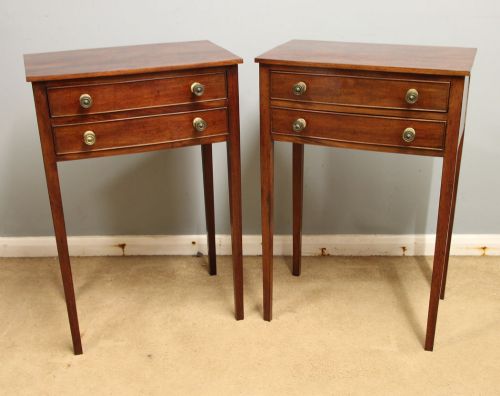
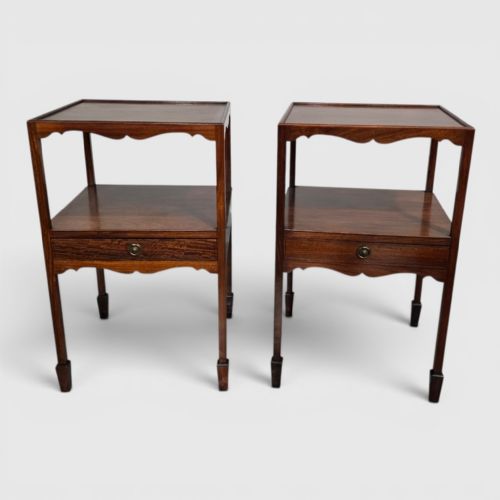
The standard configuration provides a compact surface for evening essentials, frequently paired with cupboards or lower tiers for concealed storage. Pairs appear regularly alongside single examples, offering matching solutions for twin beds.
Materials and construction methods
Cabinet makers relied primarily on solid mahogany and oak, supplemented by decorative veneers such as kingwood and accented with brass hardware and occasionally marble tops. Tambour doors, inlaid banding, and carved detailing showcase traditional woodworking techniques applied to small scale furniture.
Structural integrity relies on traditional joinery housed within sturdy timber frames, with secondary woods supporting internal shelves and drawer boxes. Surface finishes vary from polished mahogany patination to waxed oak grains and leather inserts.
Mahogany and oak are the most frequent woods seen across nineteenth century and Edwardian listings.
Assessing quality and execution
Superior examples demonstrate refined proportions and sophisticated timber selection, such as figured mahogany or intricate string inlay, whereas utilitarian pieces rely on straightforward plank construction. The sophistication of carved details and the integration of specialised elements like tambour shutters or marble inserts distinguish finer workshops from standard production.
Original hardware, sound timber movement, and cohesive period styling elevate a piece above later adaptations or marriages of parts. The presence of matching pairs further enhances utility and consistency within a room.
The Antique Wooden Night Stand Glossary
- Tambour
- A flexible shutter door formed of narrow vertical strips of wood glued to a canvas backing. This mechanism slides smoothly around a curved track to enclose a cabinet opening.
- Night Stand
- A small bedside table or cabinet designed to hold a lamp, clock, or personal items during the night. These surface units date across the Georgian, Victorian, and Edwardian periods.
- Bedside Cabinet
- A small enclosed cupboard positioned beside a bed for concealed storage. These pieces typically feature a single door above or below a small drawer.
Antique Wooden Night Stand: Frequently Asked Questions
What is an antique wooden night stand?
An antique wooden night stand is a small bedroom piece intended to hold lighting and personal items, encompassing tables, cabinets, and shelves.
They date from the Georgian era through the Edwardian period, constructed mainly in mahogany and oak.
How were antique night stands used?
These pieces provided a convenient surface beside the bed for candles, lamps, timepieces, and books.
Enclosed cabinet versions also stored chamber pots or personal belongings out of sight before modern plumbing.
Are pairs common for these tables?
Matching pairs appear alongside single examples across various nineteenth and twentieth century periods.
Pairs offer balanced bedside arrangements, particularly when flanking larger double beds in period settings.
What woods were used for these stands?
Mahogany is the predominant timber found in these pieces, ranging from plain grain to richly figured surfaces.
Oak, walnut, and kingwood also appear, sometimes combined with brass fittings and marble tops.
How do I identify a Georgian night stand?
Georgian examples display classic proportions and construction techniques characteristic of the eighteenth and early nineteenth centuries.
They often feature fine mahogany grain, subtle inlay work, or specialised mechanisms like tambour doors.