
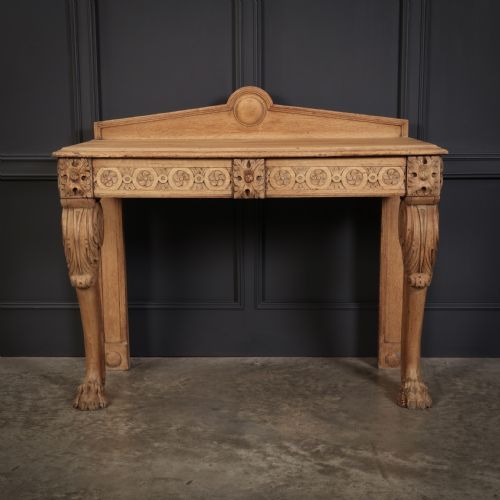


Antique Timber Lion Carving
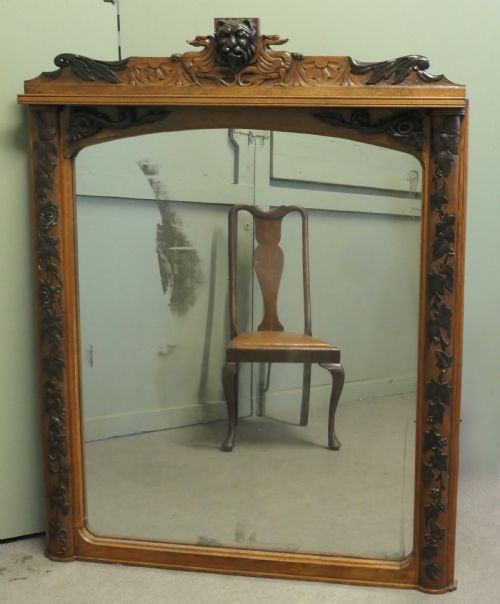
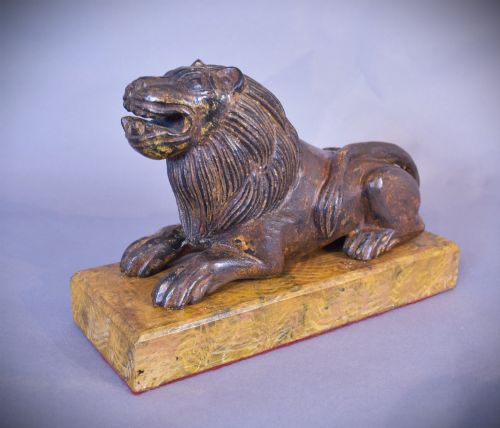
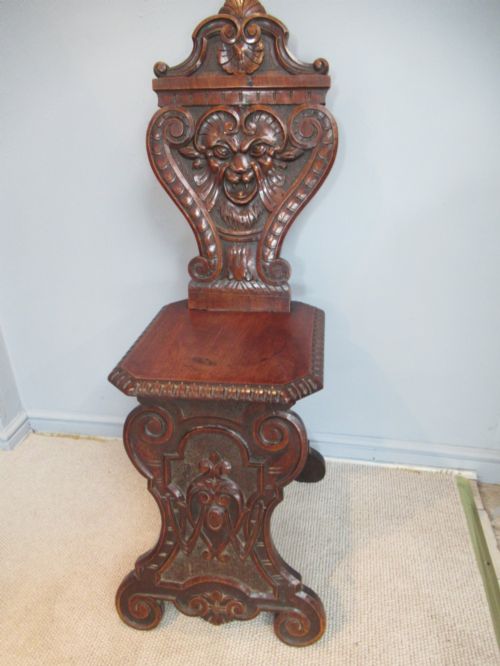
These antique timber lion carving examples bring powerful presence into a room, taking the form of wall masks, architectural finials, and freestanding animal figures.
Antique Timber Lion Carving
When you search for an antique timber lion carving, you encounter a surprisingly broad range of objects spanning multiple centuries and global traditions. The selection includes architectural elements like newel post finials and wall masks, alongside decorative figures, bookends, and substantial furniture supports.
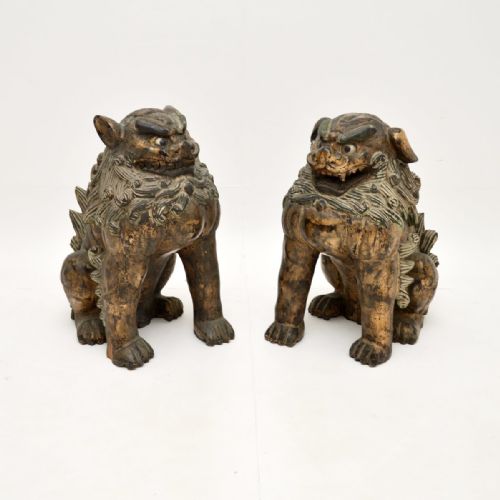
Nineteenth century pieces dominate the selection, often rendered in oak, walnut, or pine, with occasional Chinese traditional foo dog statues and architectural fragments appearing among the British and European works.
Materials and carving techniques
Execution involved hand chiselling and gouging directly from solid timber blocks or architectural timbers, sometimes enhanced with gilt or polychrome paint surfaces. Master carvers utilised graduating chisel widths to achieve the textured fur and muscular tension characteristic of these sculptural works.
Several fierce lions share space with winged griffins and mythical temple guards, keeping watch over the collection.
Distinguishing quality in timber carvings
Anatomical conviction and depth of relief separate superior carvings from ordinary production. The finest examples display a sharp, confident handling of bone structure, expression, and muscular tension that reveals the sculptor's direct understanding of the animal.
The integration of the carving with its original function or architectural context also dictates standing. Pieces that retain their original structural purpose, such as a Newel post finial or a dedicated plinth, hold greater integrity than those later adapted or detached from larger schemes.
LUIGI FRULLINI
The Antique Timber Lion Carving Glossary
- Newel post finial
- A decorative terminal ornament placed at the top of a staircase newel post. These carvings often take animal or heraldic forms.
- Medici lion
- A sculptural representation of a lion modelled after the famous marble pair in Florence. These figures typically feature one paw resting on a sphere.
- Architectural salvage
- Elements rescued from buildings scheduled for alteration or demolition. This category includes carved masks, panels, and structural supports.
- Foo dog
- A traditional Chinese guardian lion depicted in symbolic statuary. These figures combine stylized curls with protective postures.
Antique Timber Lion Carving: Frequently Asked Questions
Where should I place a timber lion carving?
These carvings suit prominent architectural locations such as mantelpieces, entrance halls, or library walls where their sculptural form commands attention. They integrate naturally with traditional wood-panelled rooms or serve as striking focal points against plain plaster.
Larger wall masks and architectural elements require secure wall fixings to support their substantial weight. Freestanding figures and bookends work well on sturdy side tables, desks, or bookcases.
How do I identify the period of a carving?
Dating relies on tool marks, timber selection, and stylistic conventions associated with specific eras like the seventeenth, eighteenth, or nineteenth century. Examining the back or underside often reveals the type of saw marks and construction methods characteristic of a period.
Comparative analysis with dated architectural salvage or documented furniture pieces helps narrow the decade of production. Patina and wear patterns accumulated through age further support chronological placement.
How should I care for antique wood carvings?
Maintain a stable indoor humidity and temperature to prevent the timber from drying out, cracking, or splitting over time. Avoid placing carvings in direct sunlight or close to active heat sources.
Dust gently with a dry, soft cloth rather than using liquid polishes or chemical cleaners that can degrade the surface patina. Periodic gentle waxing helps preserve raw or polished hardwood finishes.
What is the difference between European and Chinese carvings?
European interpretations, such as Grand Tour Medici lions or Gothic revival masks, tend towards naturalistic anatomy and classical sculptural traditions. They reflect Western aesthetic movements spanning the seventeenth to the nineteenth centuries.
Chinese carvings, including temple guards and foo dog statues, employ stylized conventions with pronounced curls, symbolic postures, and specific lacquer or polychrome treatments. These distinct regional vocabularies make visual identification straightforward.