

Antique Timber Figures
Antique timber figures bring character to a room through centuries of hand-carved animal, human and folk forms.
Antique Timber Figures
When you search for antique timber figures, you encounter a diverse range of hand-carved sculptures, bookends and decorative statues fashioned from various woods. These pieces span multiple centuries, originating from European workshops, British folk traditions and Asian traditions.
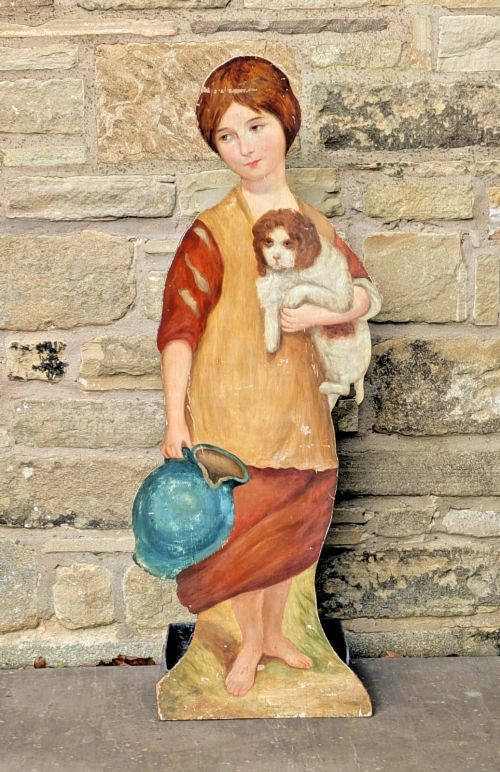
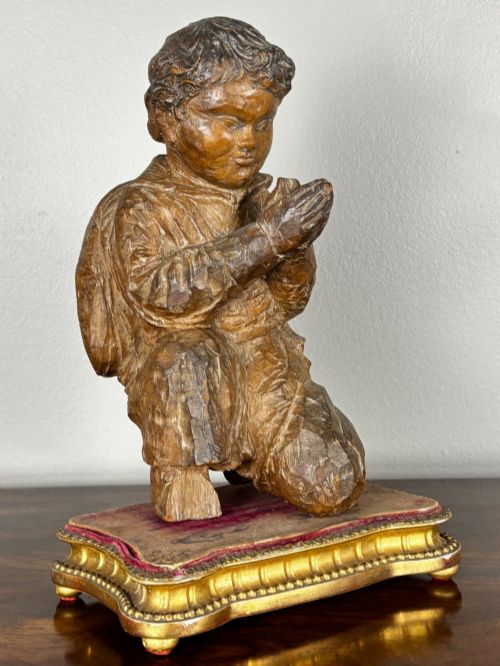
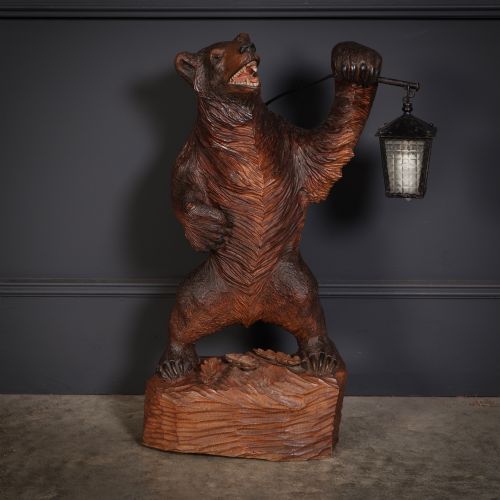
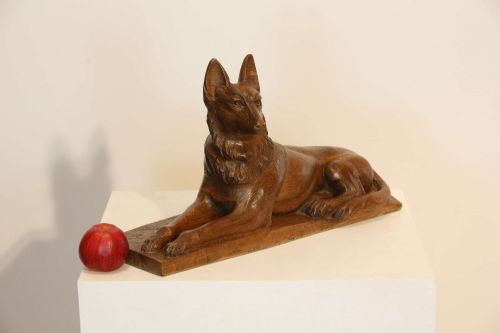
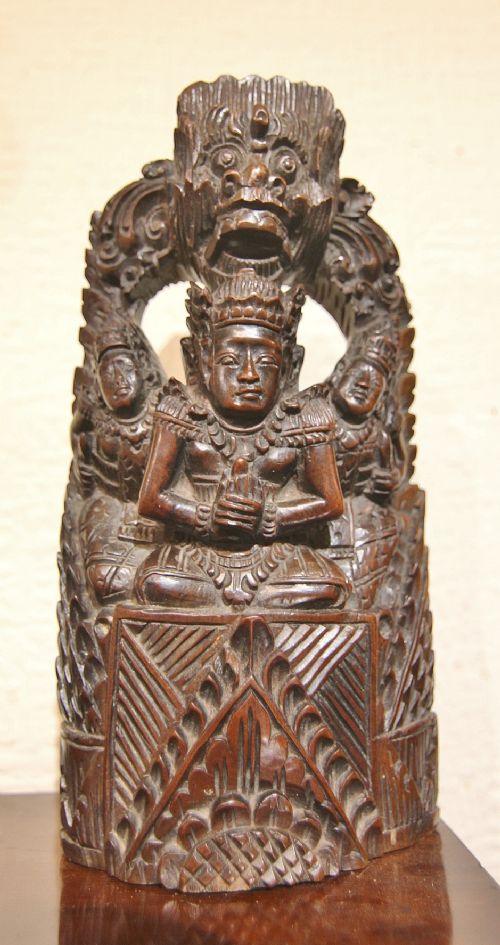
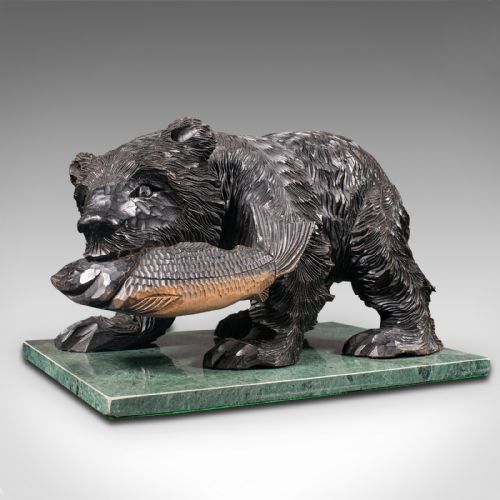
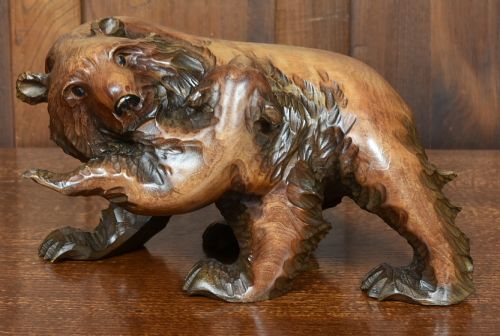
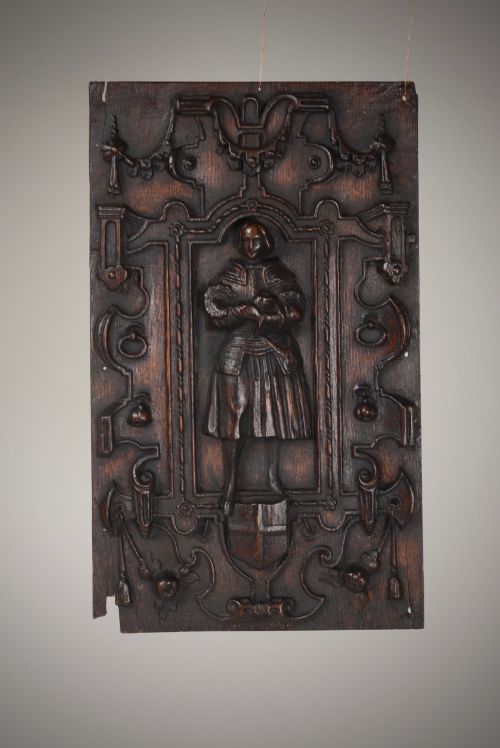
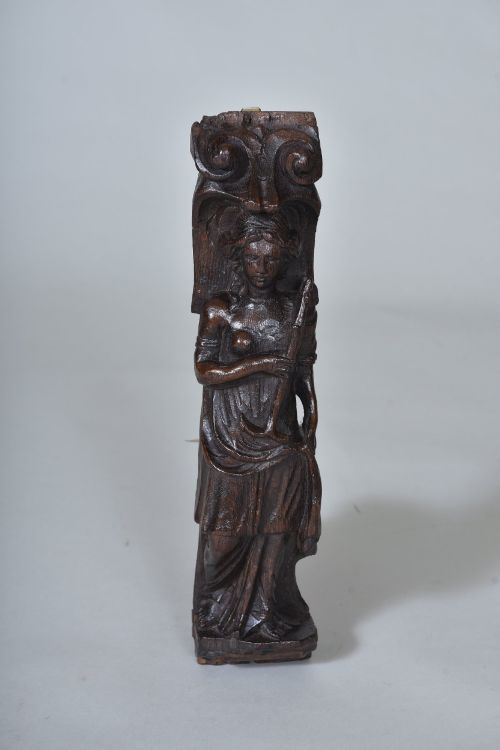
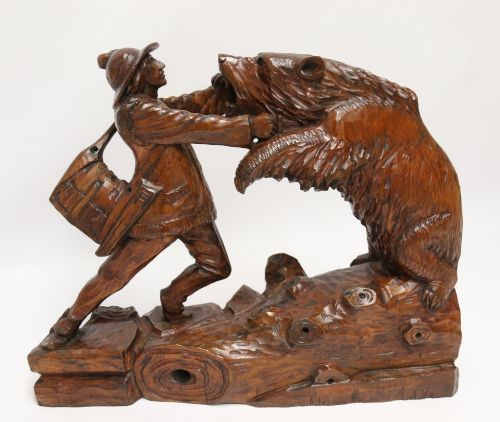
The selections on this page frequently include Black Forest animal carvings, Japanese folk art cedar bears, Chinese hardwood immortals and European religious saints carved from oak or limewood. Functional items like carved wooden bookends and tradesman figures also appear alongside purely decorative sculptures.
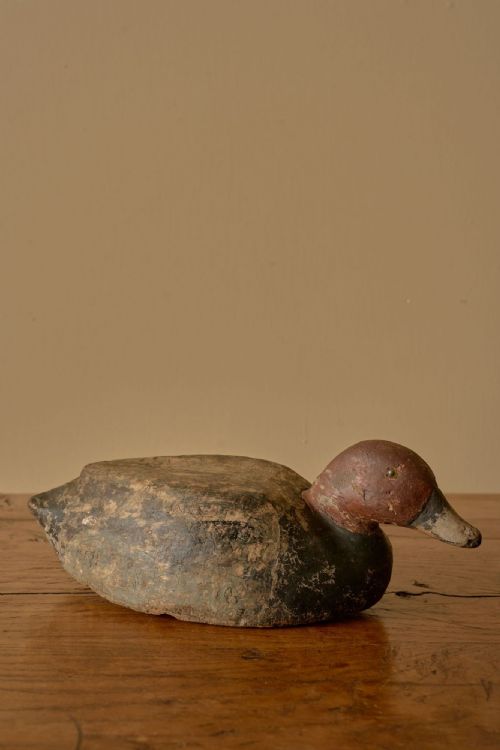
You will notice forms ranging from naive 18th century toy horses and painted soldiers to monumental 19th century walnut figures and early 20th century decoy ducks. Each piece reflects the specific stylistic conventions and carving techniques of its period, whether Baroque, Gothic Revival or Victorian folk art.
Materials and carving techniques
Carvers utilised a variety of domestic and exotic woods including oak, walnut, cedar, limewood, and dense hardwoods to shape these figures. Tools such as gouges and chisels created the detailed textures seen on animal fur, drapery and facial expressions.
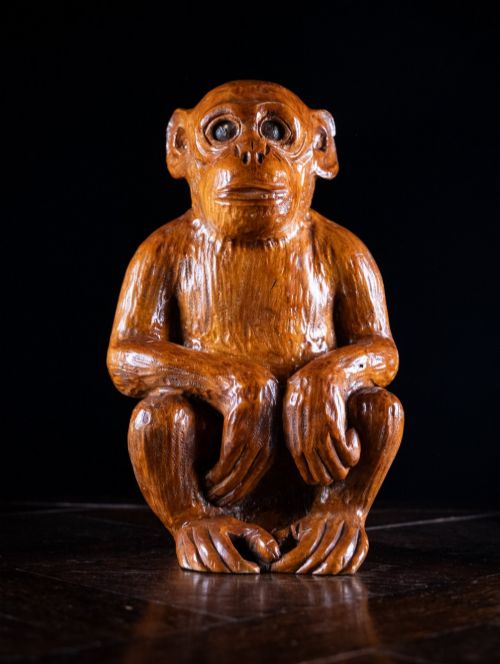
Surface finish played a vital role in the construction, with many items retaining original paint, polychrome decoration, or natural polished timber surfaces. Some sculptures incorporate secondary materials like brass stands or glass eyes to complete the composition.
Antique Timber Figures Retail Price Guide 2026
Typical asking prices for timber figures among the pieces listed under this phrase on Sellingantiques today, from the lower quarter to the upper quarter. They describe what is for sale here now, not the wider market.
Among the carved animals, startled mountain goats and bespectacled owls glare out from the shelves with surprising personality.
Assessing quality in carved wood
The distinction between standard and superior pieces rests upon the anatomical precision and expressive depth achieved by the carver. Master carvers captured lifelike movement and subtle psychological depth in human figures and animals, whereas lesser pieces remain stiff and formulaic.
Material selection and the preservation of original surface finishes also dictate the standing of a carving. Intact polychrome paint, rich patination on walnut or oak, and crisp detailing untouched by aggressive modern cleaning distinguish the finest examples.
The Antique Timber Figures Glossary
- Black Forest
- A style of wood carving originating from the Swiss and German mountain regions, characterised by realistic animals and rustic figures made from walnut and limewood.
- Polychrome
- Painted in several colours, frequently applied to early wooden religious figures and saints to enhance realism.
- Folk Art
- Artistic work created within a traditional culture by self-taught or untrained makers, often displaying naive or charmingly primitive proportions.
- Hardwood
- Dense timber derived from broad-leaved trees, used extensively in Asian and European sculptures for durability and fine detail.
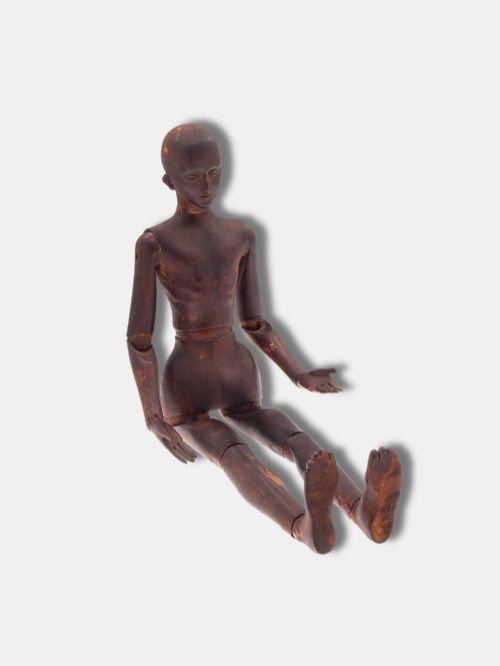
- Artist's lay figure
- An articulated wooden mannequin utilised by painters and sculptors to study drapery and human anatomy.
Antique Timber Figures: Frequently Asked Questions
How do I clean an antique wooden sculpture?
Dust the surface gently with a soft, dry brush to remove particles without disturbing the wood or old paintwork.
Avoid using liquid cleaners, polishes or water, as moisture penetrates unsealed carved timber and damages historic patination.
Are Black Forest carvings always from Germany?
While the style originates in the wooded mountain regions spanning Germany and Switzerland, workshops across Europe produced similar rustic animal and human studies.
Attribution relies on the specific choice of woods like walnut or limewood and the characteristic carving depth rather than strict geographic boundaries.
What is a tradesman's figure?
These figures represented specific professions or characters, such as pipers or workers, often carved to advertise a trade or display a carver's skill.
They combine folk art charm with detailed contemporary costume from their specific century.