
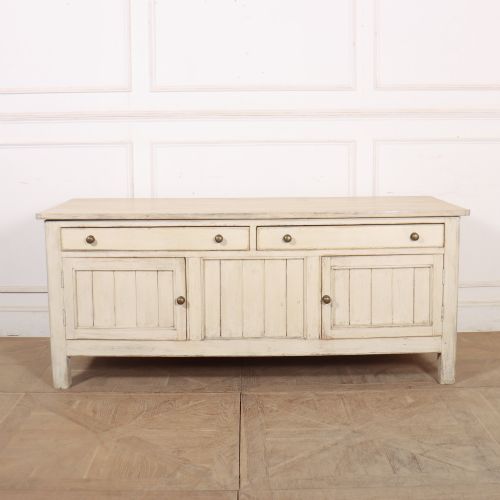


Antique Timber Buffet Server
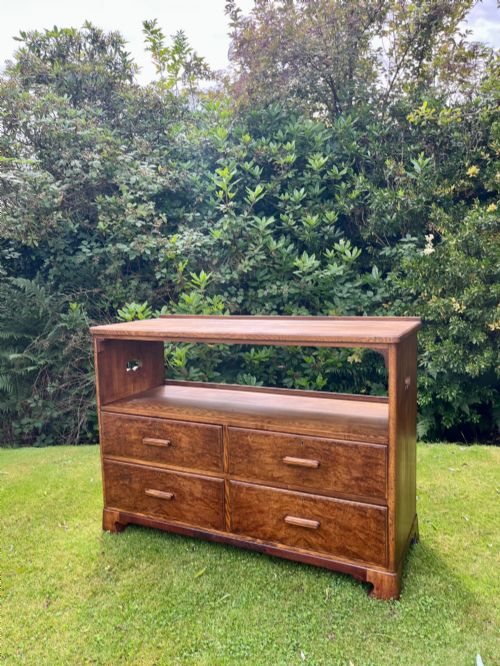
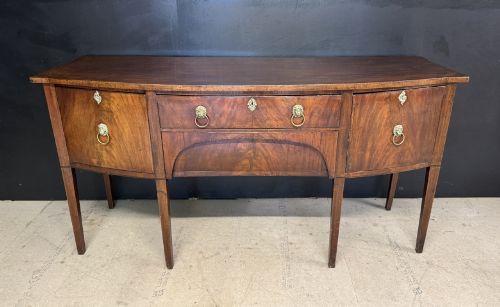
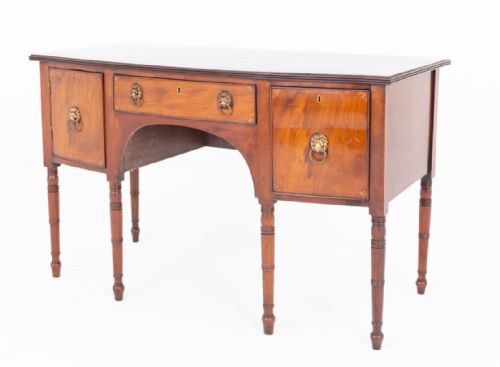
An antique timber buffet server is a substantial dining room piece designed for serving and storage, built from woods like mahogany and walnut during the Georgian, Victorian, and later periods.
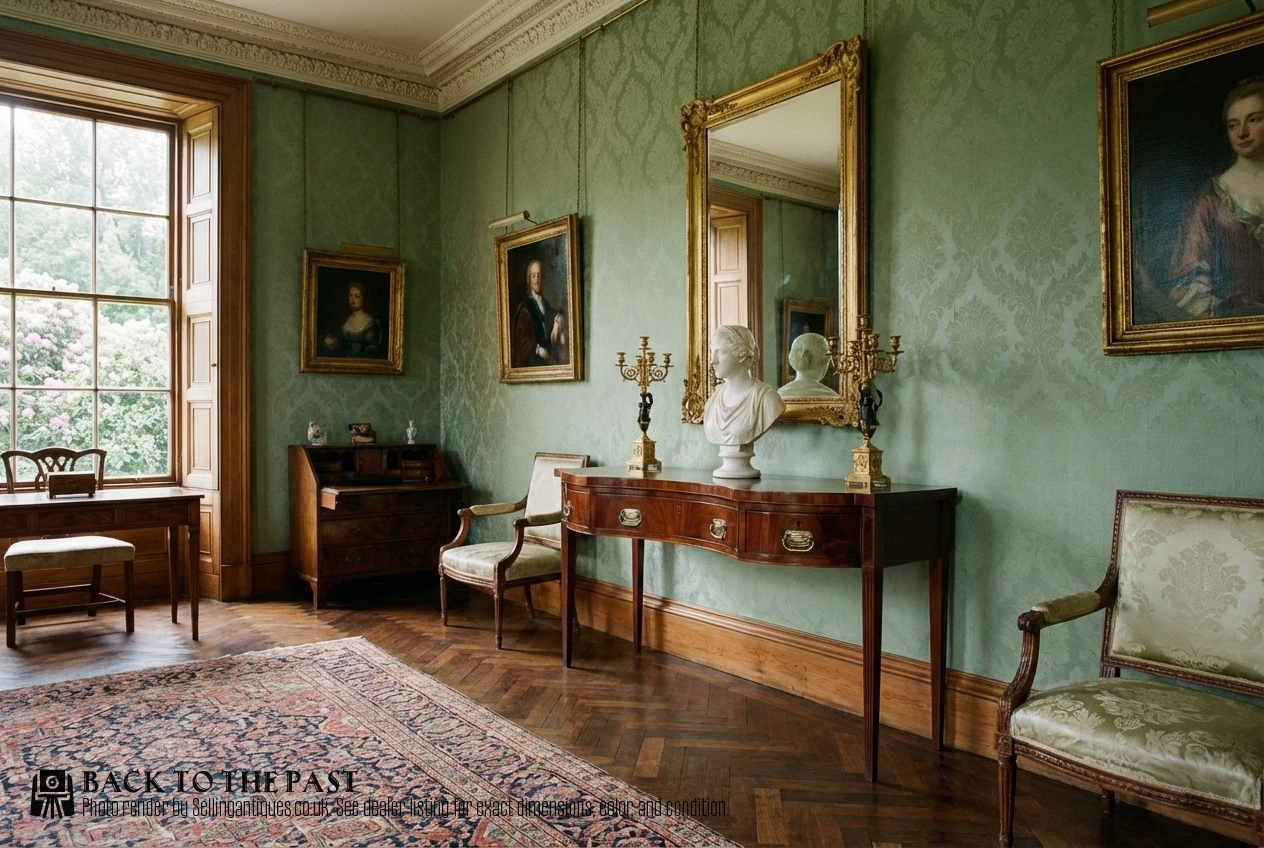
Antique Timber Buffet Server
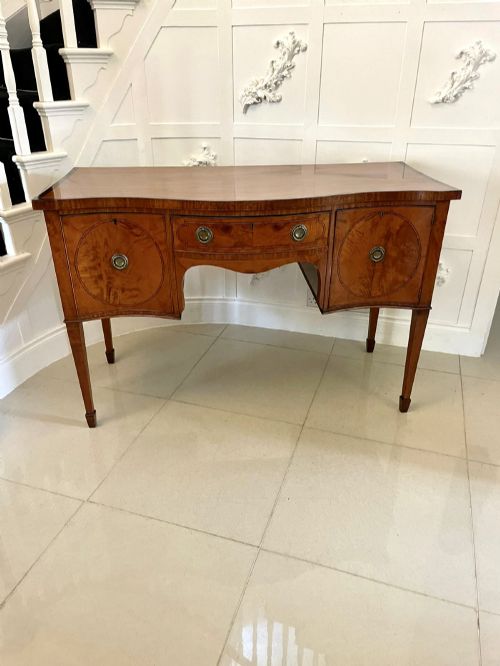
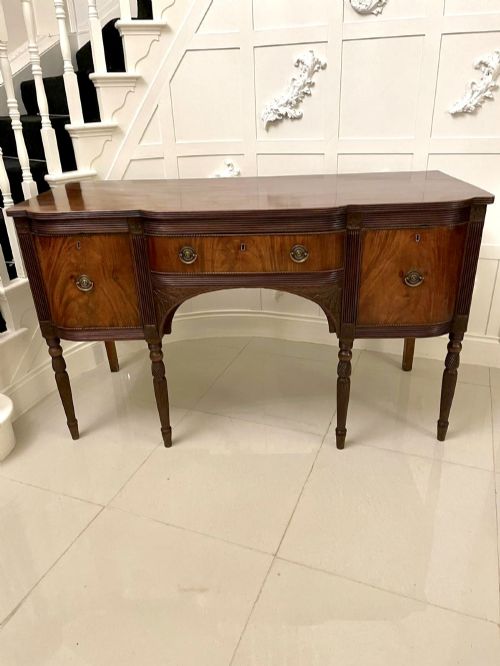
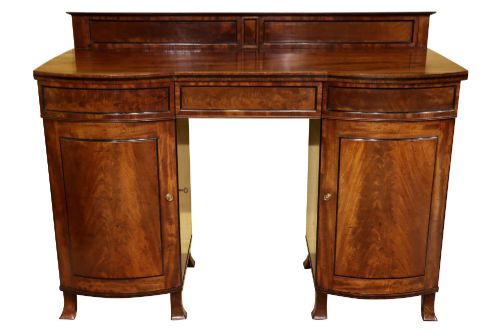
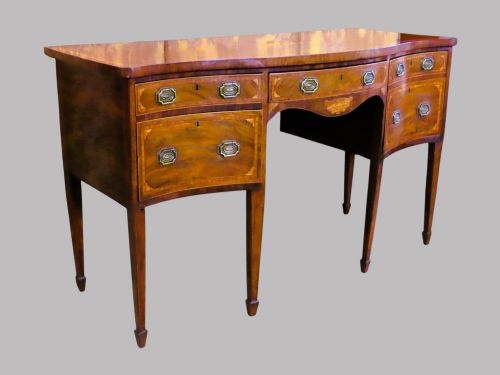
An antique timber buffet server encompasses heavy dining room storage forms such as sideboards, serving tables, dressers, and pedestals. Buyers searching this phrase meet pieces primarily from the Georgian, Victorian, and Edwardian eras, spanning serpentine, bow front, and breakfront shapes.
The majority of items on this page lean towards mahogany constructions from the 18th and 19th centuries, alongside regional variations including English country dresser bases and French console tables. These forms served to hold dining china, silver, and food in formal and domestic settings alike.
How they were made
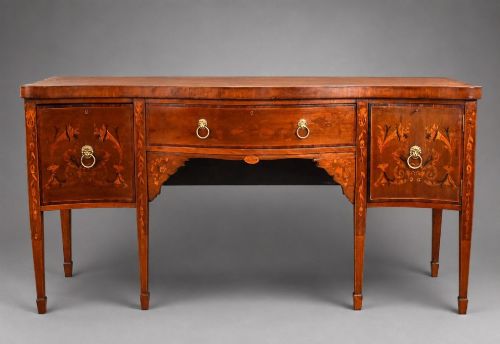
Cabinet makers built these servers using solid structural timbers like mahogany, walnut, and oak, often applying figured mahogany, satinwood, or burr elm veneers to the primary surfaces. Finer examples incorporate contrasting stringing and inlay from boxwood to define drawer fronts and edges.
Hardware and structural support rely on turned legs, brass handles, and occasionally carved ornamentation, such as the padauk wood or pollard oak seen on specific Victorian and Burmese pieces. Joinery techniques varied from traditional dovetailing in drawers to hand-carved panels on heavier side cabinets.
One piece travels from Burma in the form of a padauk wood three-tier buffet.
What varies in quality
The distinction between ordinary and exceptional pieces rests on the choice of timber and the ambition of the outline, such as a crisp serpentine or breakfront curve rather than a plain straight front. Figured veneers and delicate boxwood stringing require higher levels of joinery skill than simple plank construction.
Proportion and decorative restraint dictate the standing of a server, where restrained inlay or carved detail enhances the natural grain of the mahogany, satinwood, or walnut without crowding the surface.
Whytock and Reid·The Woodworkers Ltd, Kilkenny·Gillow
The Antique Timber Buffet Server Glossary
- Serpentine front
- A furniture front curved in three sections, with a convex centre flanked by concave wings. This shape demands precise woodworking.
- Breakfront
- A cabinet front where the central section projects forward from the flanking wings. It creates a grand architectural appearance.
- Boxwood stringing
- Narrow lines of pale boxwood inlaid into contrasting dark timbers like mahogany. It frames drawers and tabletops.
- Dresser base
- A low wooden storage unit with drawers and cupboards, originating from country houses before formal sideboards evolved.
- Pedestal sideboard
- A design featuring two heavy pedestals flanking a central table or recess, popular during the Regency and William IV periods.
Antique Timber Buffet Server: Frequently Asked Questions
What is the difference between a sideboard and a buffet server?
Sideboards and buffet servers both function as dining room storage furniture for serving meals and holding tableware. The terms often overlap in antique descriptions.
Historically, buffet servers lean towards serving food and displaying silver, while sideboards often incorporate cellarets and deep drawer configurations for bottles.
How do I identify a Georgian sideboard?
Georgian sideboards typically feature solid mahogany construction, tapering legs, and subtle boxwood inlay or stringing. Their proportions are balanced and linear.
Many examples from this era adopt a bow front or a serpentine shape to soften the heavy timber silhouette.
Where were these pieces used in a home?
These servers stood primarily in formal dining rooms and large country house kitchens. They held heavy ceramics, silverware, and linens.
In modern homes, they function well as credenzas, hallway consoles, or media units while retaining their original storage utility.
How can I tell a Victorian server from an 18th-century one?
Victorian servers often display heavier proportions, darker rosewood or walnut veneers, and more robust carvings like mirror-backs or turned columns. They reflect the industrial production methods and revival styles of the later nineteenth century.
Eighteenth-century pieces favour lighter mahogany, delicate stringing, and restrained neoclassical lines.