


Antique Tilting Glass
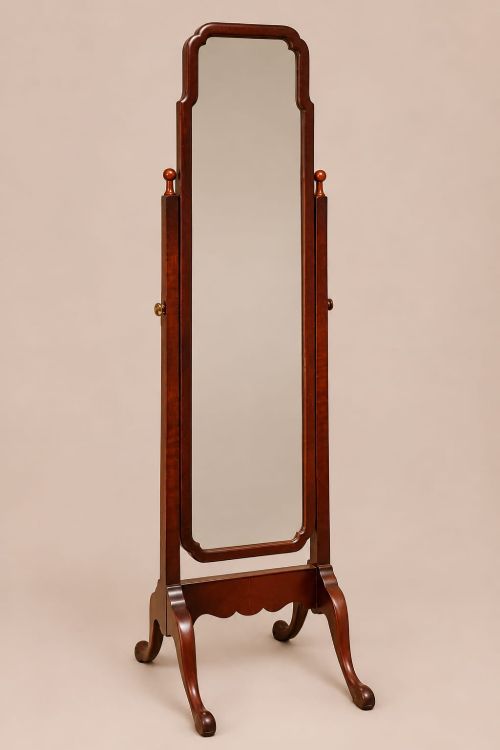
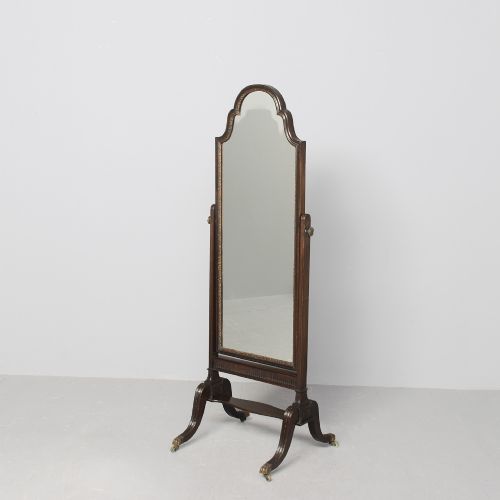
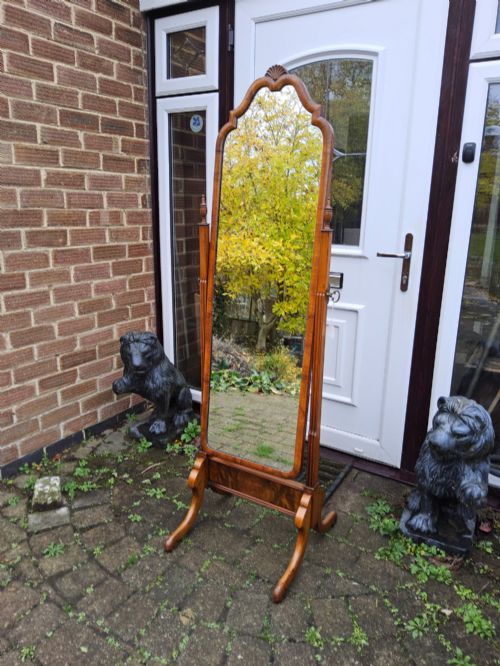
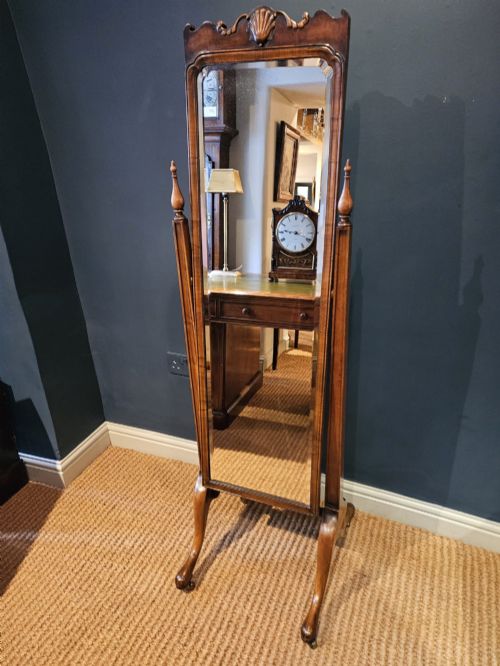
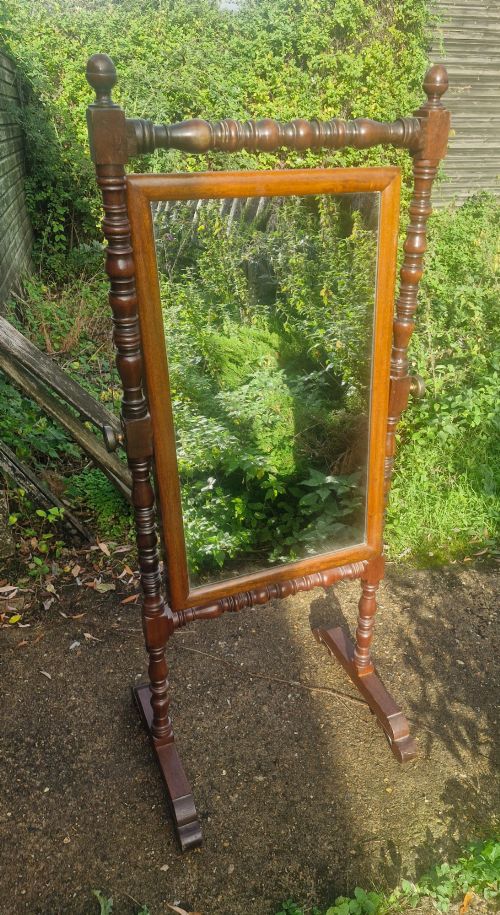
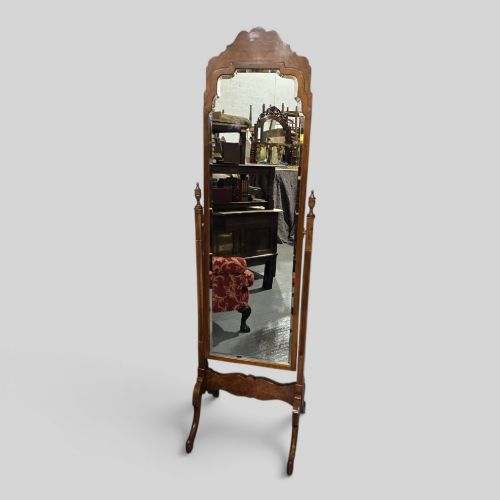
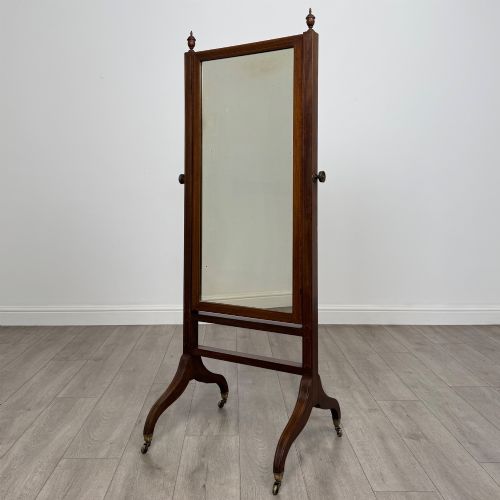
These antique tilting glass pieces are freestanding full-length mirrors designed to pivot within a sturdy frame, offering both utility and elegance to a dressing room.
Antique Tilting Glass
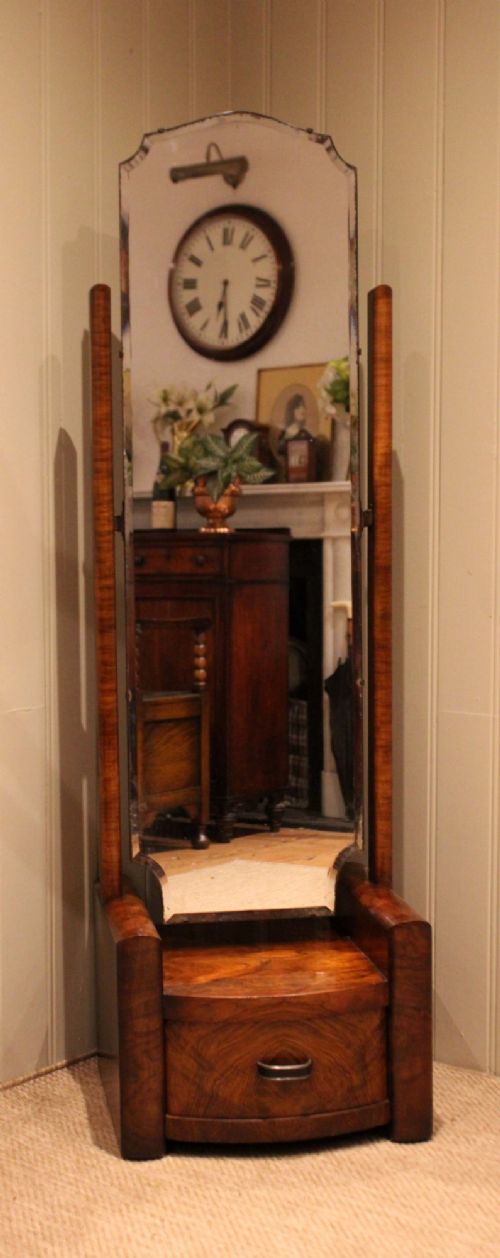
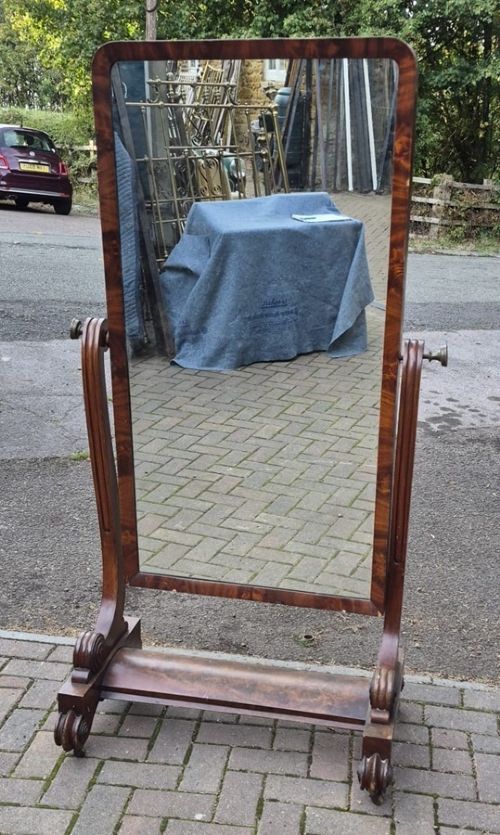
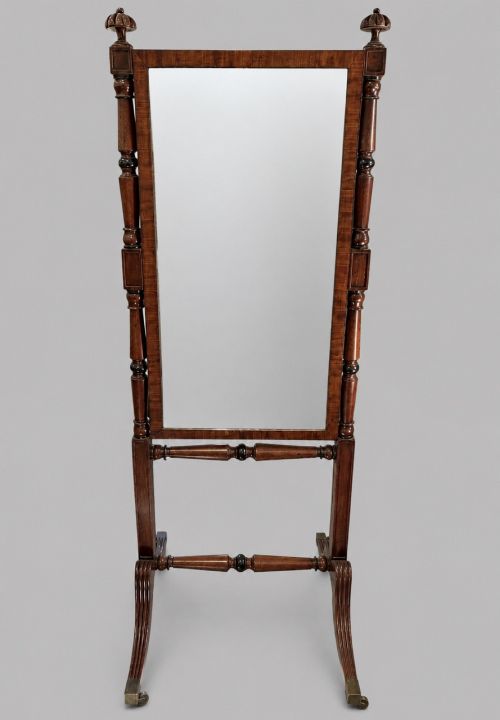
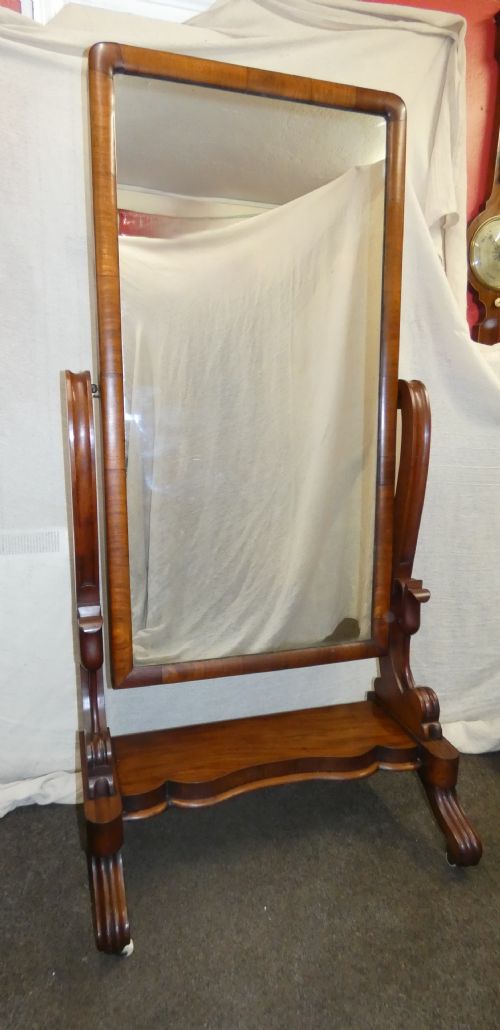
When you search for an antique tilting glass, you encounter large freestanding dressing mirrors designed to swing within vertical uprights. The form is dominated by tall cheval mirrors made primarily during the Georgian, Regency, and Victorian periods.
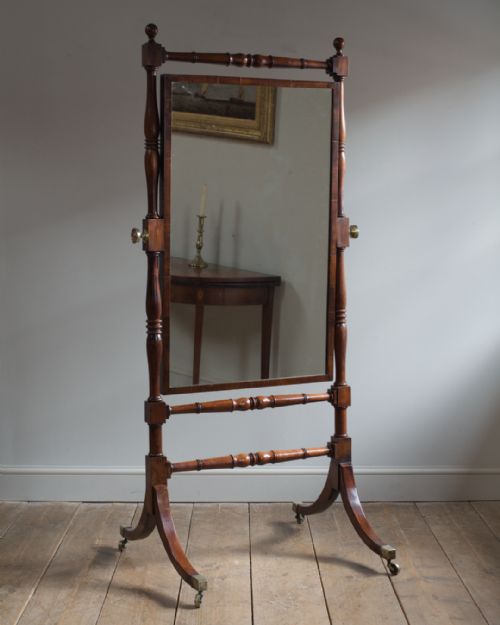
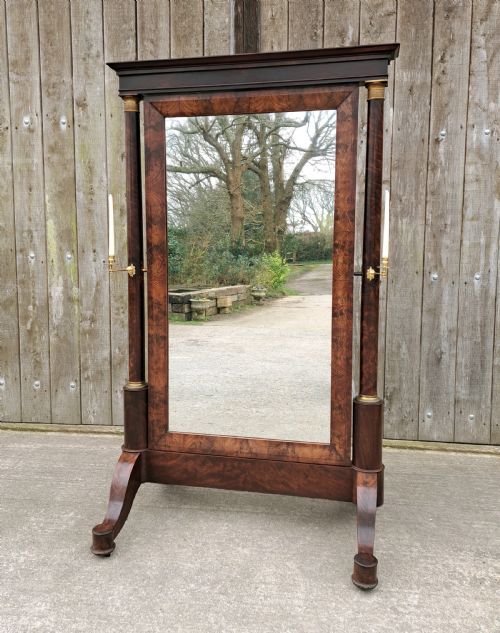
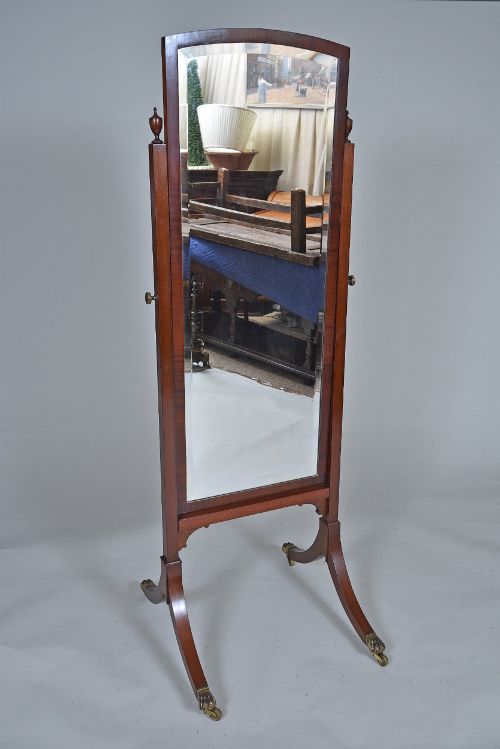
The most common version on this page is the mahogany cheval mirror, often supported by brass castors and pivoting on dual side screw pins. These pieces range from restrained Regency frames to elaborate French Empire and Edwardian designs.
How they were made
Cabinetmakers constructed the frames using dense timbers like mahogany, burr walnut, and oak, frequently employing flame mahogany veneers to create rich surface movement. Brass hardware, including adjustable side pivots and turned castors, provided the mechanical support needed for the heavy swinging glass.
The mirror plates themselves were integrated into wooden frames that allowed manual tilting, balanced carefully against the weight of the supporting uprights and trestle feet.
Antique Tilting Glass Retail Price Guide 2026
Typical asking prices for tilting glass among the pieces listed under this phrase on Sellingantiques today, from the lower quarter to the upper quarter. They describe what is for sale here now, not the wider market.
The listings here span the Georgian, Regency, Victorian, and Edwardian periods, utilising mahogany, walnut, oak, and pitch pine.
What varies in quality
The distinction between ordinary and superior pieces rests on timber selection, structural proportion, and the finesse of the joinery. Selected grain patterns like flame mahogany or burr walnut elevate the visual presence of the frame.
Subtleties in the brasswork, such as finely cast pivoting screws and original castors, separate standard production items from bespoke pieces commissioned during the Georgian and Regency eras.
The Antique Tilting Glass Glossary
- Cheval mirror
- A freestanding full-length dressing mirror suspended in a frame that allows it to swing back and forth. The name derives from the French word for horse, referencing the four-legged trestle base.
- Tilt dressing glass
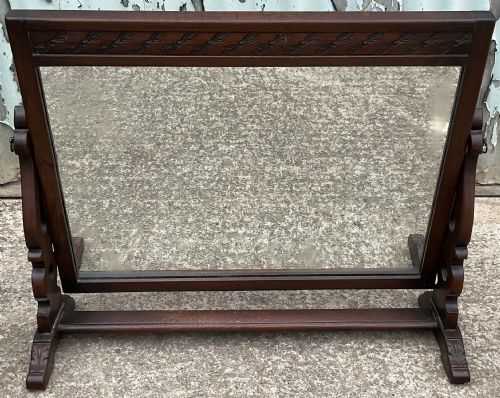
- A smaller or full-length mirror mounted on pivots that enable the glass angle to be adjusted. These mechanisms allow the user to change the reflection angle easily.
- Flame mahogany
- A distinct wood veneer figure resembling flickering flames, achieved by cutting across the branch bough junction. It was highly prized by cabinetmakers in the Georgian and Regency periods.
- Ormolu
- Gilt bronze ornamentation applied to furniture frames, frequently seen on pieces influenced by French Empire and continental styles.
Antique Tilting Glass: Frequently Asked Questions
What is a cheval mirror?
A cheval mirror is a freestanding, full-length dressing mirror mounted on a vertical frame with pivots that allow the glass to tilt.
These pieces were designed for bedrooms and dressing rooms to provide a complete view of attire.
How do you adjust the tilt?
The glass swings between two upright posts connected by metal screw pins or friction knobs on either side.
Tightening these side pivots holds the mirror plate securely at the desired angle.
Where were they placed?
They were traditionally positioned in bedrooms, dressing rooms, and boudoirs where natural light from windows could be utilised.
The freestanding design meant no wall mounting was required, allowing them to be repositioned easily.
How do I identify a Regency piece?
Regency mirrors typically feature clean architectural lines, mahogany construction, and sometimes brass mounts or reeded upright supports.
Stylistic cues often draw upon classical Roman and Greek motifs popular in the early nineteenth century.