
Antique Tilt Top Stand
An antique tilt top stand is a nimble folding table for wine or reading, prized for saving space when pivoted against a wall.
Antique Tilt Top Stand
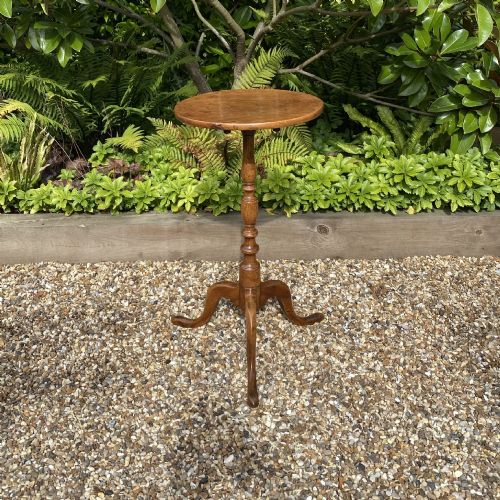
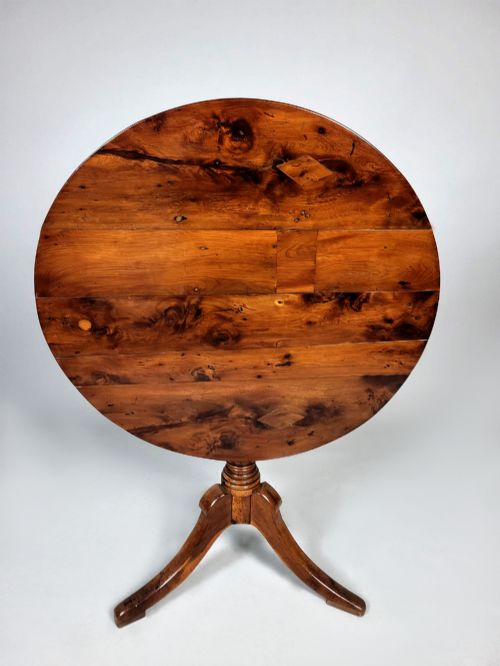
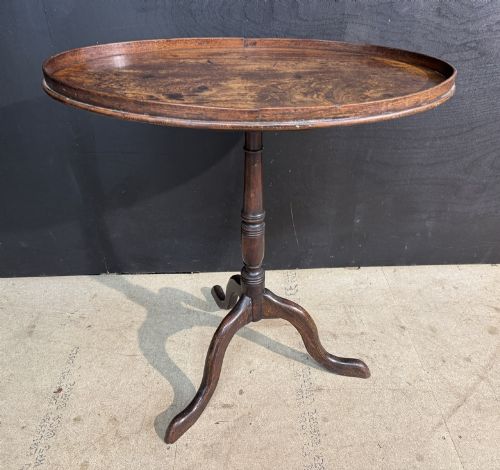
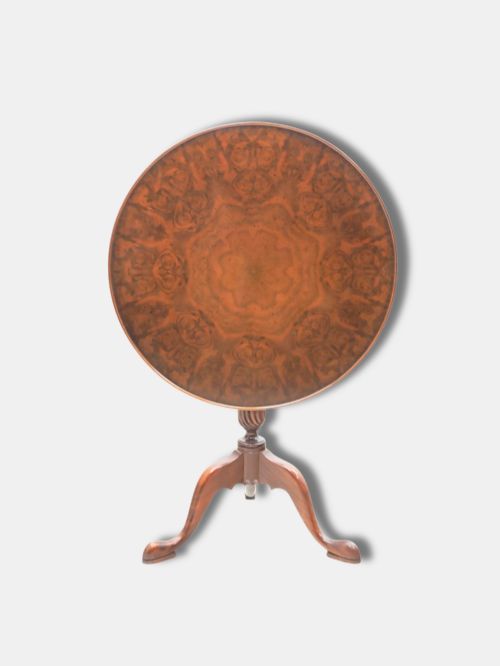
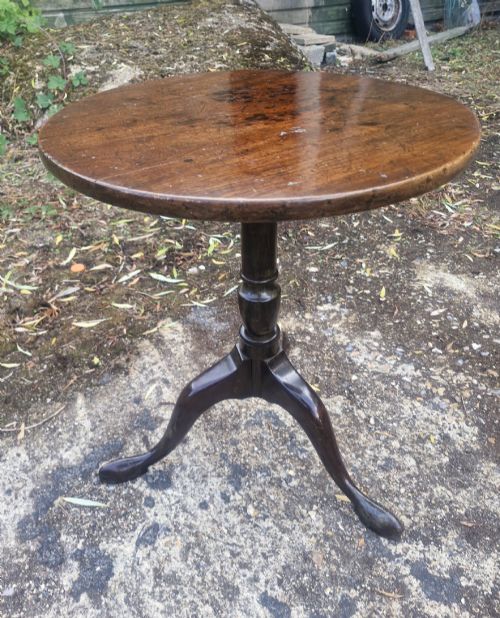
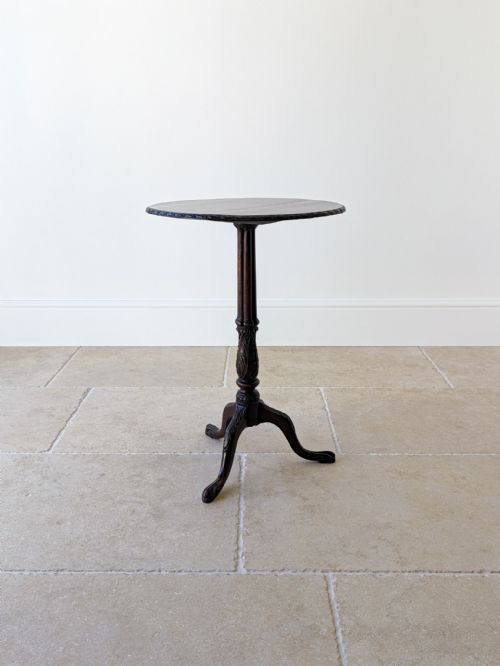
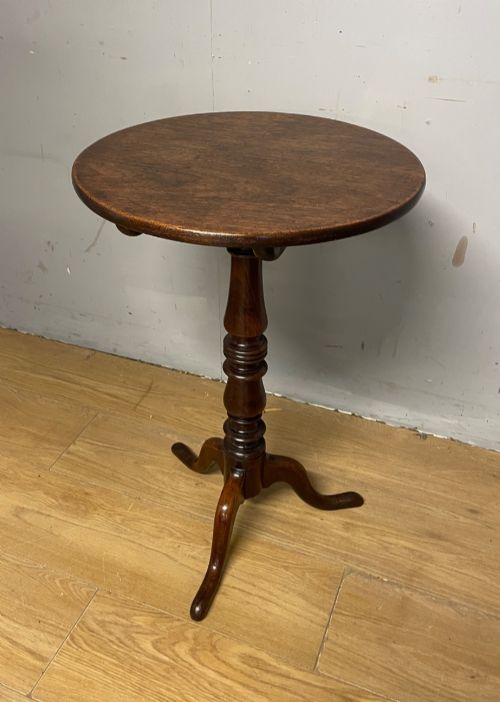
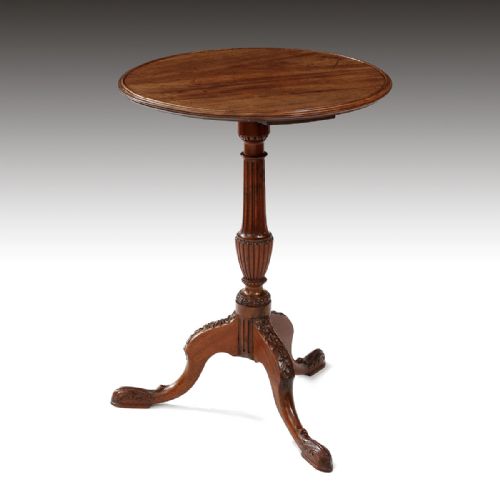
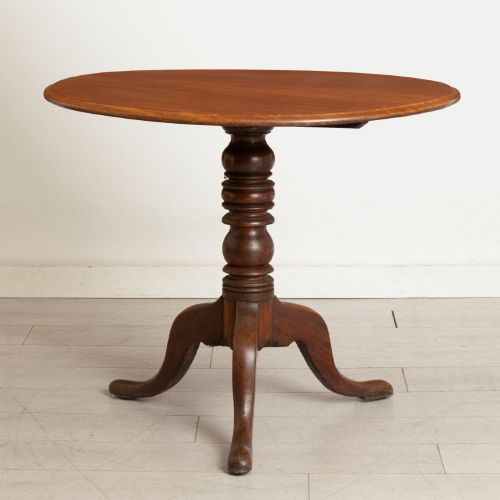
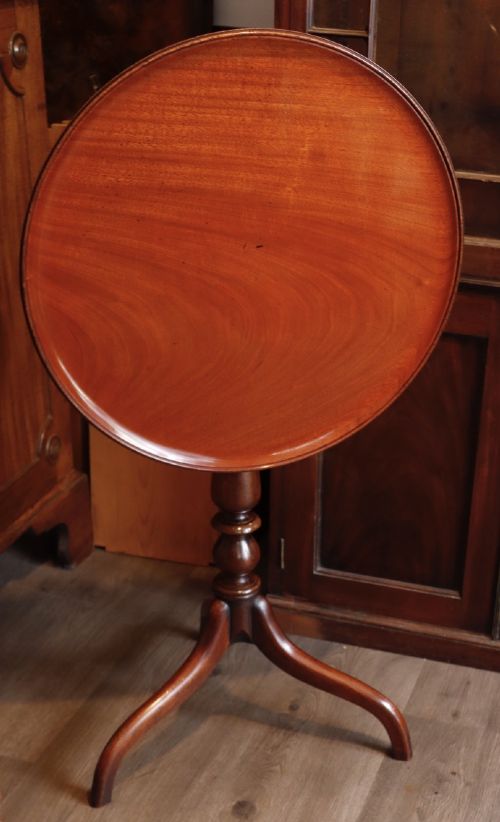
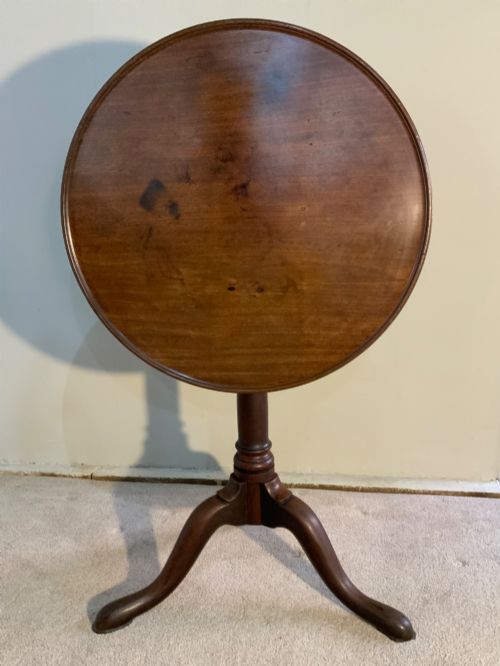
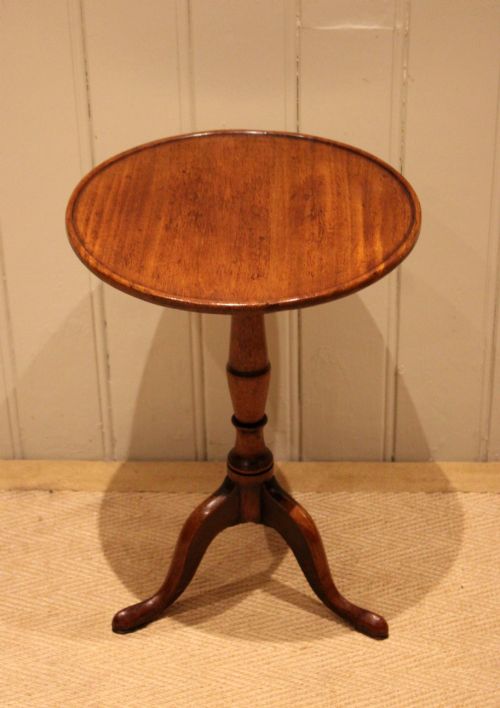
An antique tilt top stand appears primarily as a tripod table, wine table, or occasional table designed with a hinged top that pivots vertically when not in use. These pieces span the 18th century, Georgian period, Regency era, and 19th century, with numerous examples adopting George III styling.
Materials and construction
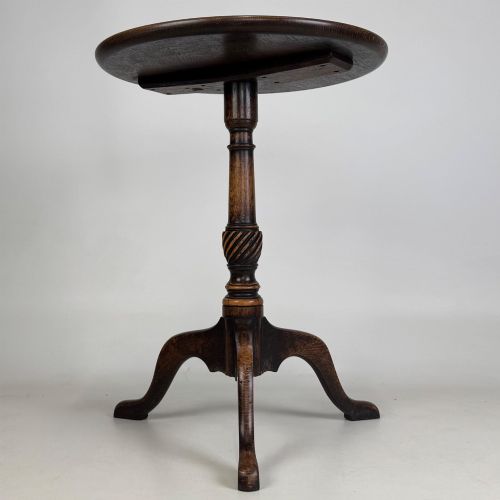
Cabinetmakers utilised solid timbers such as mahogany, walnut, and oak alongside fruitwood veneers, frequently pairing turned central pedestals with three splayed legs. Tops were engineered with a snap-top or tilting mechanism using wooden or brass catches to secure the surface horizontally.
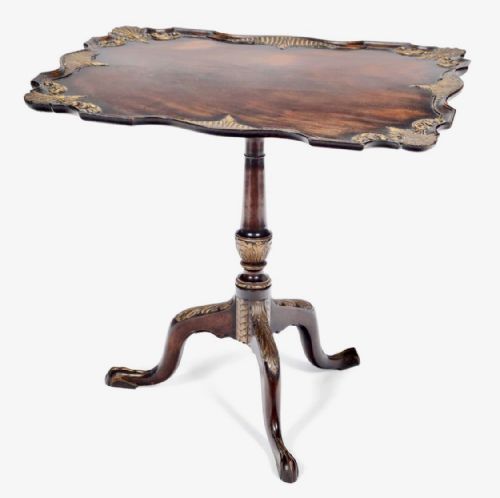
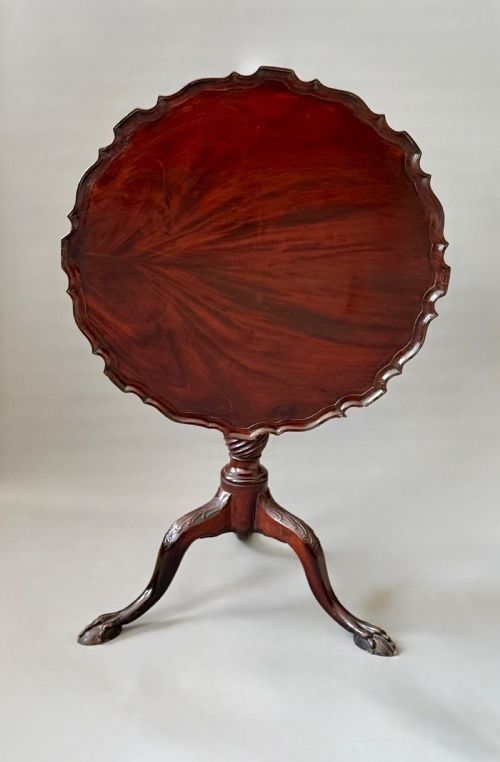
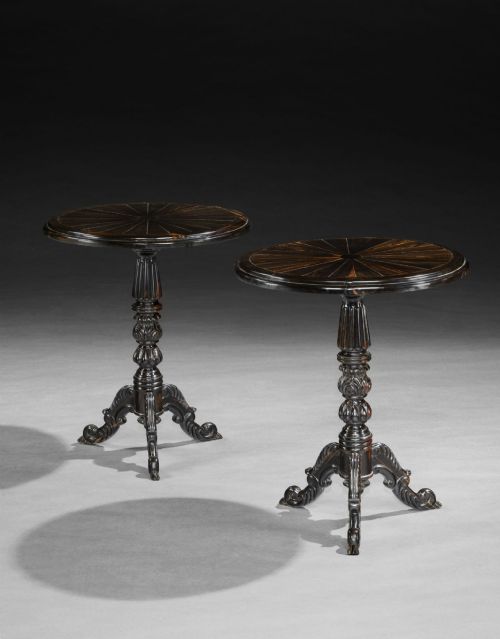
Surface ornamentation ranges from plain timber grains to carved pie crust edges, boxwood inlay, parcel gilt accents, and Chinoiserie lacquer work. Structural joints rely on traditional joinery techniques suited to the pivoting weight of the table top.
Formats range from standard wine tables and occasional tripod bases to adjustable reading stands and lacquered Chinoiserie surfaces.
Assessing quality
Quality rests in the crispness of the timber carving, the stability of the central tripod mechanism, and the choice of dense, richly figured wood such as mahogany, walnut, or burr oak. Superior examples display refined proportions in the turned pedestal and neatly fitted tilting catches that prevent undue wobble.
Subtle details like boxwood stringing, delicate edge profiling, and original brass hardware elevate a piece from basic utility to high cabinetmaking. Conversely, later revivals or simpler country pieces in pine and fruitwood exhibit more utilitarian construction.
Gillow
The Antique Tilt Top Stand Glossary
- Tilt top
- A hinged table mechanism allowing the surface to pivot into a vertical position for storage against a wall.
- Tripod table
- A small freestanding table supported by a central pillar resting on three legs.
- Snap top
- A spring-loaded or catch-operated mechanism that locks a tilting table top securely into the horizontal position.
- Pie crust edge
- A raised, decorative carved moulding around the perimeter of a circular table top, resembling pastry work.
- Occasional table
- A small, movable table intended for minor or intermittent use in a principal room.
Antique Tilt Top Stand: Frequently Asked Questions
What is an antique tilt top stand used for?
These versatile stands served historically for holding wine glasses, candles, or reading material beside seating.
Today, they function well as compact side tables that tuck easily into corners when the top is tilted upright.
How do I spot a Georgian tilt top table?
Georgian examples typically feature rich mahogany or oak timbers, elegant turned pedestals, and slender tripod legs without excessive bulk.
Look for hand-cut joinery and subtle patination on the wood surfaces accumulated over centuries of use.
What does snap top mean?
A snap top refers to the clever pivoting mechanism fitted beneath the table surface.
A wooden or brass latch locks the circular or octagonal top firmly in place when horizontal, releasing to allow vertical storage.
Where should I place a tripod wine table?
Their small footprint makes these tables ideal beside an armchair, sofa, or in a hallway for holding a small lamp.
Because the top can tilt, you can also display the figured wood grain flat against a wall as a decorative panel.