


Antique Tiered Desk
An antique tiered desk combines practical surface space with vertical display, offering writing surfaces alongside graduated shelves.
Antique Tiered Desk
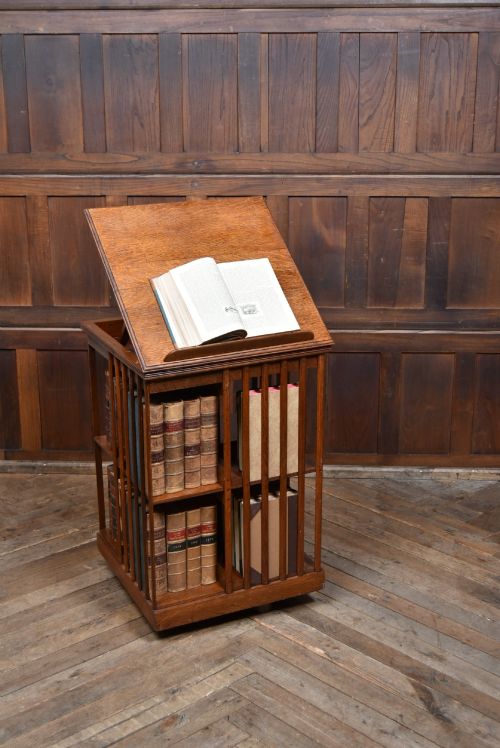
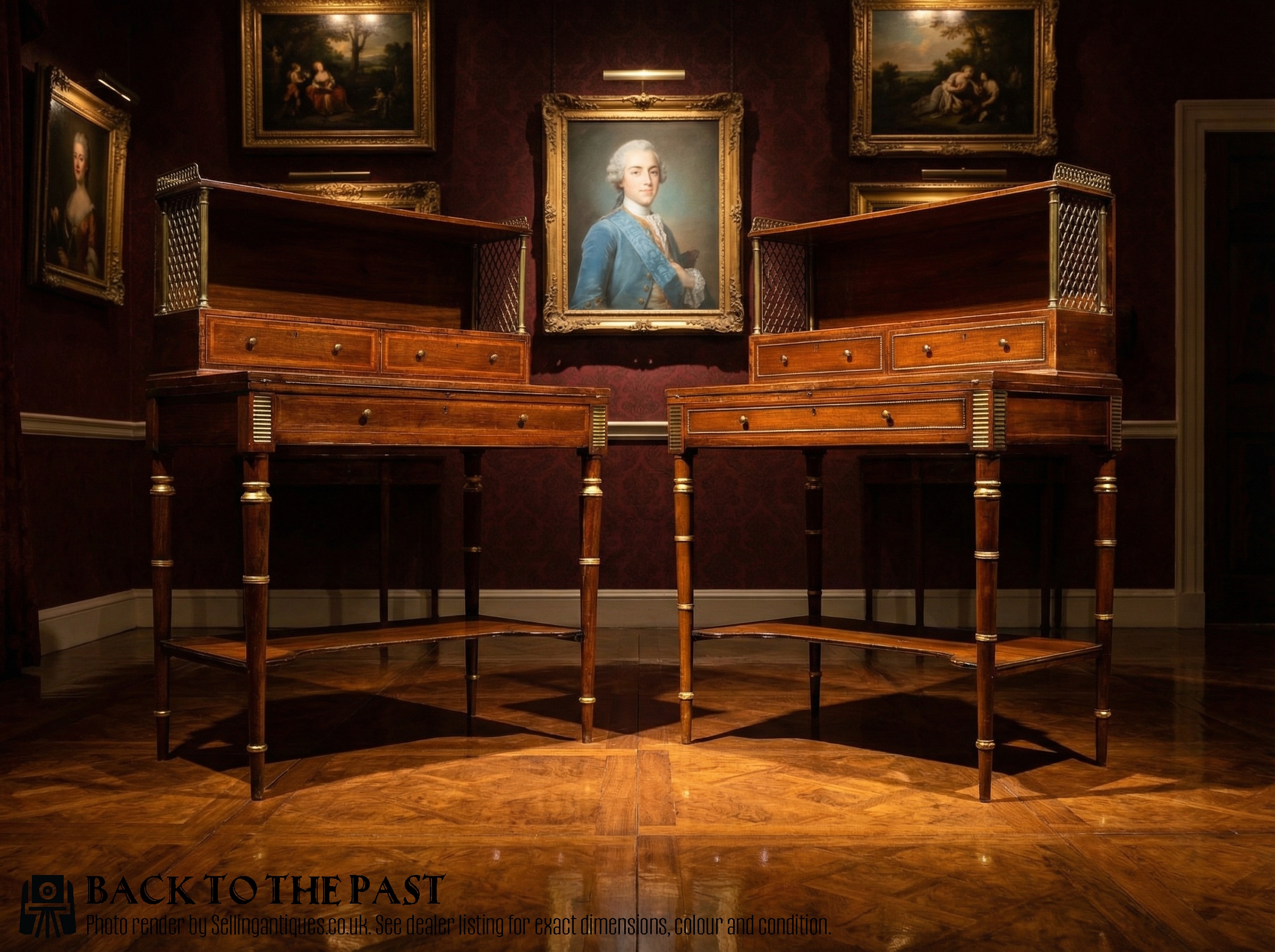
When you search for an antique tiered desk, you encounter pieces that merge multi-level storage with dedicated writing surfaces from the nineteenth century and earlier. The specimens on this page span Victorian, Edwardian, and Regency periods, encompassing forms like writing tables, Davenport desks, and reading stands with stacked tiers.
The most common formats combine a lower writing area - sometimes fitted with drawers or leather panels - with upper shelves or pigeonholes for documents. These multi-level configurations serve domestic studies and libraries, allowing writers to keep reference materials close at hand.
Originating across English and continental workshops, these pieces draw upon Georgian, Sheraton, and French design traditions. They range from compact ladies' writing tables to substantial library furniture outfitted with integrated shelving and compartments.
How they were made
Cabinetmakers constructed these pieces primarily in solid and veneered timbers, selecting mahogany, walnut, rosewood, and satinwood for their grain and durability. Secondary woods provided structural stability within drawers and internal partitions.
Surface detailing frequently incorporated marquetry inlays, brass galleries, and ormolu mounts to accent the tiered profiles. Writing surfaces often featured inset panels of tooled leather, whilst reading stands and music desks utilised adjustable brass fittings and hinges.
Secretaries once hid love letters in spring-loaded false bottoms, keeping correspondence safe from prying family eyes.
What varies in quality
The distinction between standard workshop production and exhibition pieces rests in the selection of timber figures and the precision of the joinery. Highly figured burr walnut, pollard oak, or matched rosewood veneers indicate careful material sourcing by prominent makers.
Structural refinement shows in the execution of internal drawer linings, dovetailed joints, and the crispness of brass ormolu mounts. Pieces attributed to documented firms often display superior attention to proportional balance across multiple tiers.
Gillows·Howard and Sons·John MaClean·Paul Sormani
The Antique Tiered Desk Glossary
- Tiered desk
- A writing desk featuring stacked shelves or compartments above the primary work surface. This configuration allows for the organised storage of papers and books within arm's reach.
- Davenport
- A compact form of writing desk featuring a sloping top above a bank of drawers. Many examples incorporate a tiered superstructure or stationery box.
- Bonheur du jour
- A small, light lady's writing desk with an upper cabinet, tiered shelves, or drawers. The style emerged in France during the eighteenth century.
- Whatnot
- A piece of furniture consisting of open shelves for displaying ornaments or books. When combined with a writing surface or reading stand, it serves dual functions.
- Ormolu
- Gilded bronze mounts applied to furniture as decorative enrichment. This technique was prevalent in French and revivalist cabinet making.
Antique Tiered Desk: Frequently Asked Questions
What is an antique tiered desk used for?
These pieces function as compact workstations that combine a writing surface with vertical storage shelves. They accommodate correspondence and paperwork while displaying books or decorative objects on upper tiers.
Historically placed in studies, drawing rooms, or bedrooms, they provide efficient organisation without occupying excessive floor space. The upper levels hold reference materials while the primary surface remains clear for writing.
How do I date an antique tiered desk?
Dating relies on examining the timber species, construction methods, and stylistic revival traits present in the design. Mahogany and rosewood predominate in earlier nineteenth-century examples, while satinwood and lighter marquetry often point towards Edwardian or Sheraton Revival periods.
Secondary woods inside drawers and the style of brass hardware offer further chronological markers. Dovetailing techniques and tool marks help distinguish handmade nineteenth-century construction from later reproductions.
Where should I place a tiered desk at home?
These desks suit home offices, living rooms, or quiet corners where vertical storage proves beneficial. Freestanding versions with finished backs can float in the middle of a room rather than resting strictly against a wall.
Consider natural light sources when positioning the writing surface, ensuring adequate illumination for reading and drafting. Keep them away from direct heat sources to protect timber veneers and leather insets from drying out.
How do I care for leather desk inserts?
Leather writing surfaces require gentle cleaning with a slightly damp cloth followed by a neutral leather conditioner. Avoid harsh chemical cleaners or excessive moisture that can stain or warp the hide.
Applying a specialist leather balm periodically preserves the suppleness of the material and maintains the gold tooling. Protecting the surface from direct sunlight prevents fading and cracking over time.