




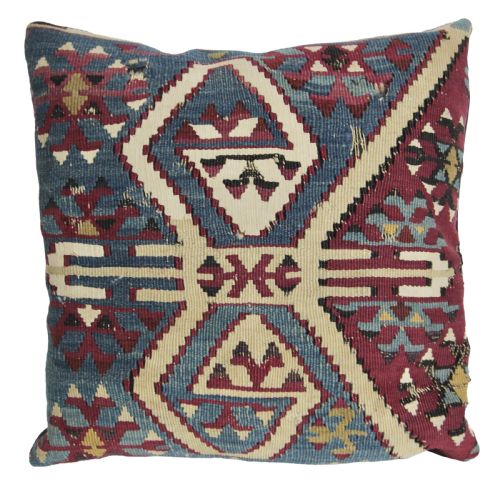

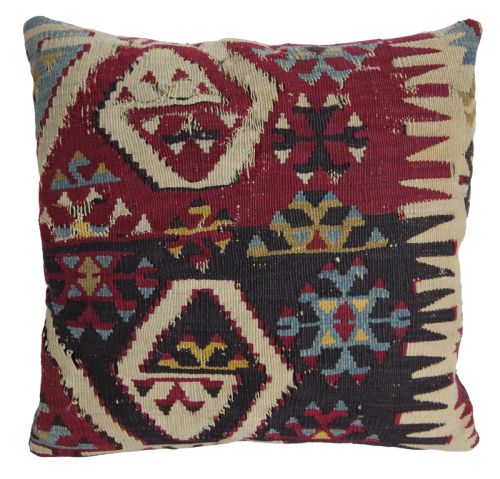


Antique Throw Pillow
An antique throw pillow brings historic textiles into a modern room, offering authentic weave and age through repurposed carpets, tapestries and fragments.
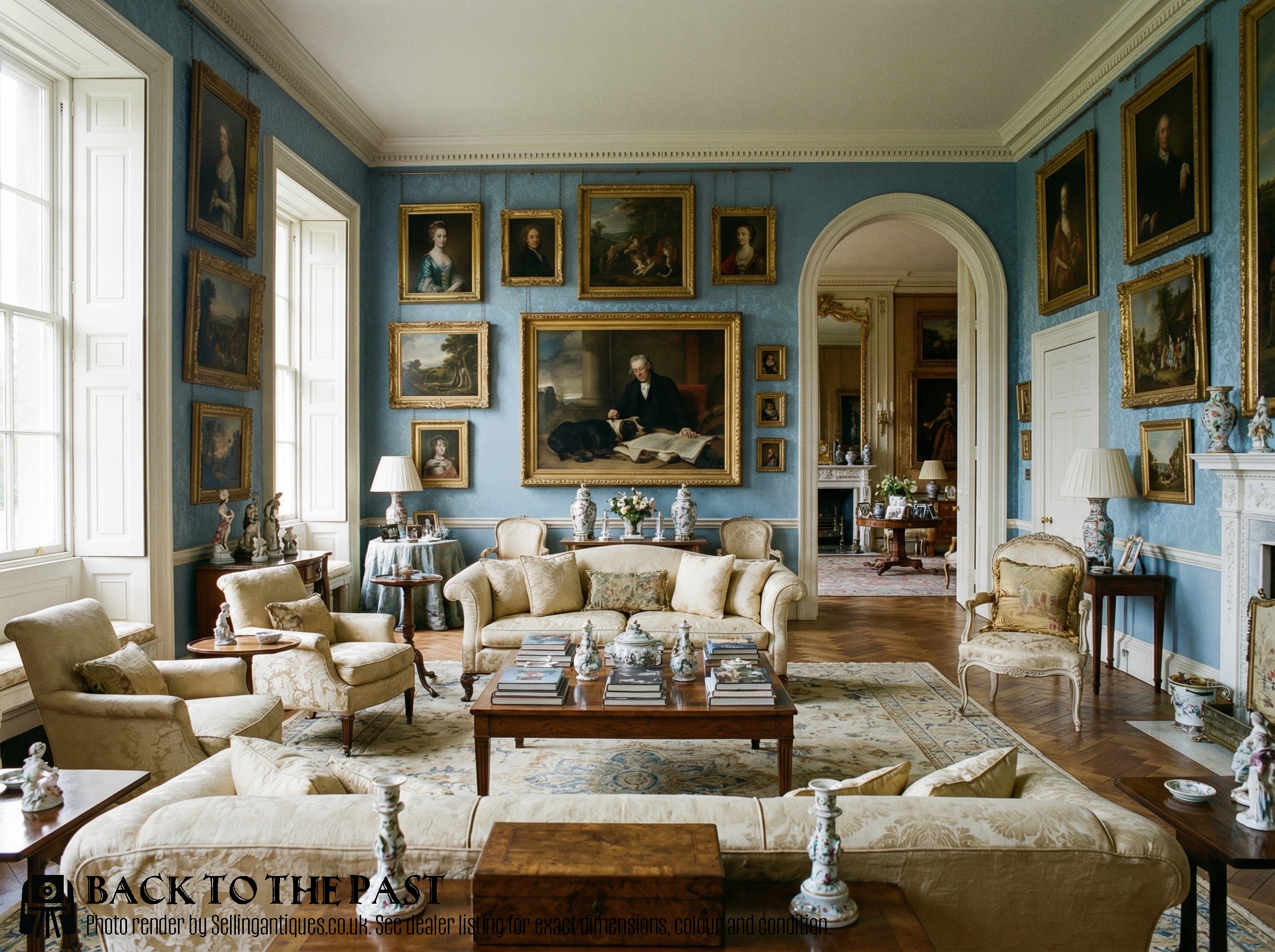
Antique Throw Pillow
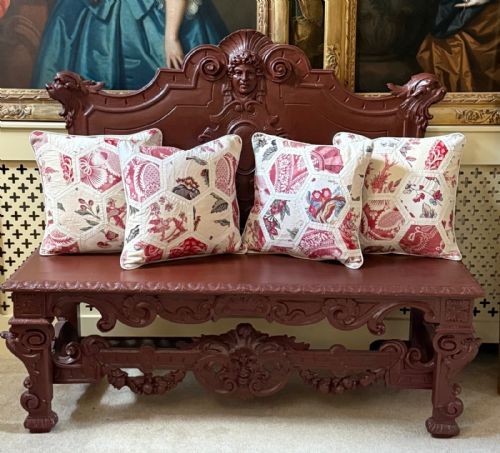
An antique throw pillow repurposed from historic textiles transforms older fragments into functional furnishings for seating areas. The search phrase covers a range of decorative cushions fashioned from woven textiles, traditional rugs and older fabric remnants.
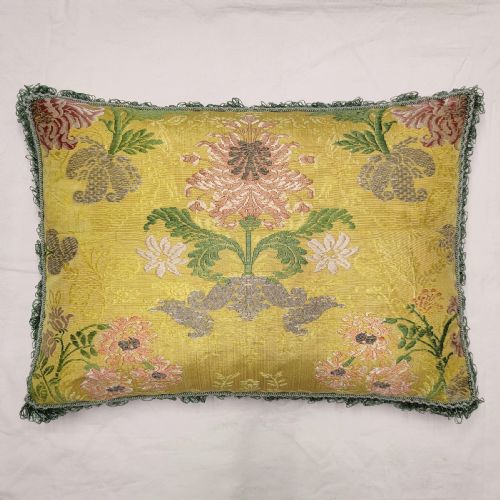
Most examples encountered on this page originate from the nineteenth century or early twentieth century, though older textile portions frequently date back centuries further. These pieces utilise remnants such as kelim flatweaves, Aubusson tapestries and antique French silk.
Forms vary from square floor cushions to rectangular bolster shapes, often retaining original horsehair or feather inners alongside newer replacements. Buyers encounter both complete vintage cushions and cushion covers paired with feather inners.
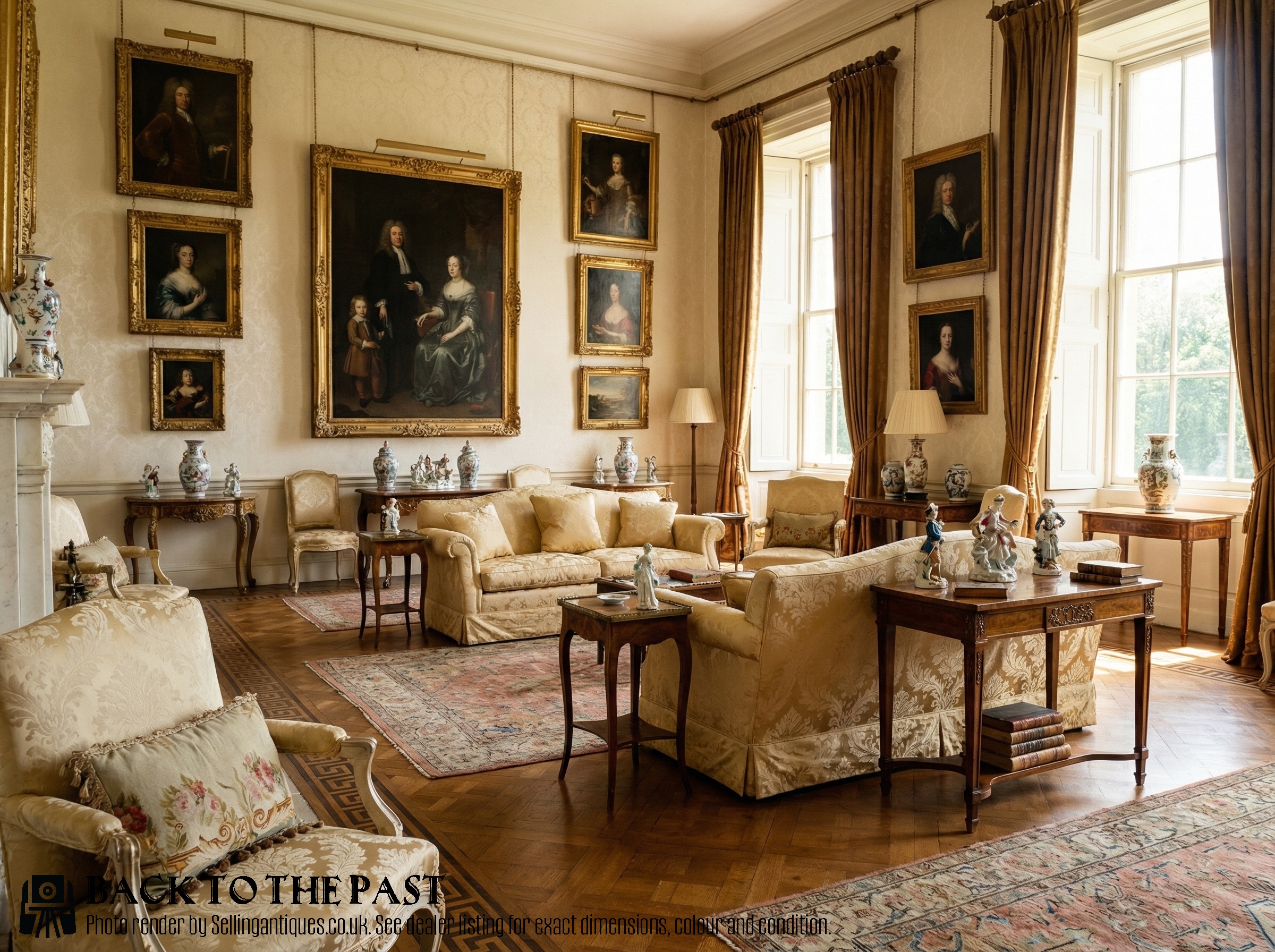
Materials and construction
Makers constructed these cushions using durable natural fibres including wool, cotton, linen and silk. Woven textiles such as tapestries and kelim flatweaves provide the decorative face, while linen and cotton frequently form the supportive backs.
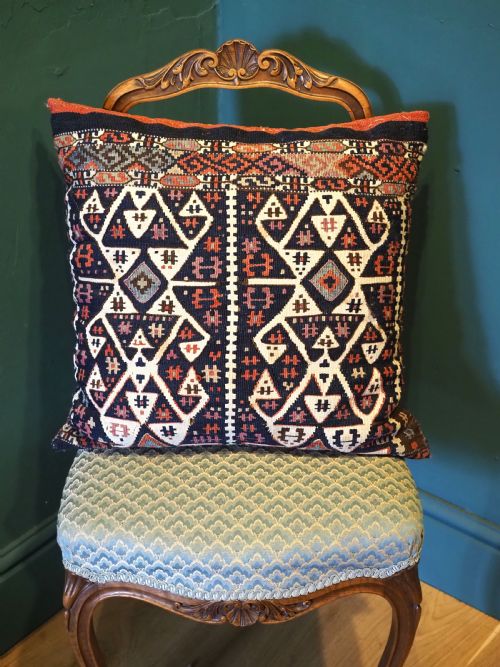
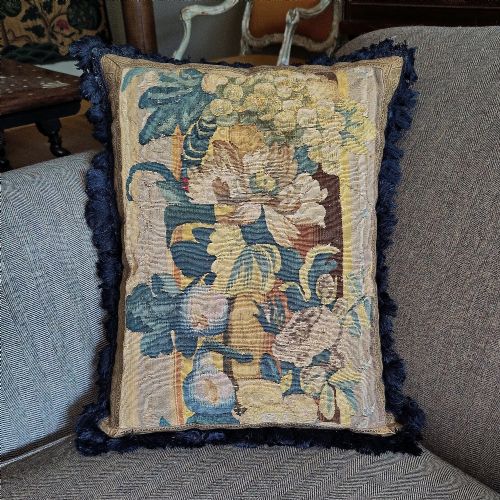
Artisans repurposed fragments from larger items, cutting down saddle bags, Baluch rugs, Kurdish bag faces and Flemish tapestry borders to form cushion dimensions. Fabric fringe often completes the border of French and chateau style pieces.
Traditional stuffing materials like feathers and natural down provide the soft interior volume, contained within sturdy fabric cases to support the heavy textile covers.
Listings feature cushions incorporating materials from wool and silk to feather inners and fabric fringe.
Assessing quality in historic cushions
The distinction between ordinary and exceptional pieces lies primarily in the integrity and age of the source textile. High quality examples utilise authentic seventeenth or eighteenth century fragments, such as Aubusson tapestries or Belgian linen, rather than later reproductions.
Hand-woven precision and the complexity of tribal motifs also dictate excellence, seen in tightly knotted wool piles and intricate flatweave patterns. The condition of the weave and the skill involved in adapting a rug or saddle bag into a cushion determine its lasting appeal.
The Antique Throw Pillow Glossary
- Kilim
- A flatwoven carpet or rug produced in regions of the Near East and Central Asia. These textiles lack a pile and provide a durable, geometric face for scatter cushions.
- Aubusson
- A style of tapestry woven in the French town of Aubusson, noted for pastoral scenes and floral motifs. They appear frequently on nineteenth century decorative cushions.
- Bag face
- The front panel of a nomadic storage bag, often hand-woven with tribal designs. These panels are frequently salvaged to make small decorative cushions.
- Tapestry
- A form of textile art woven on a vertical loom, traditionally depicting pictorial scenes or floral patterns. Flemish and French examples from earlier centuries are repurposed into cushion covers.
Antique Throw Pillow: Frequently Asked Questions
How do I clean an antique throw pillow?
Historic textiles require specialist dry cleaning or gentle surface care to preserve delicate wool and silk fibres. Immersion in water can shrink backing fabrics and damage fragile historical stitching.
Consult a professional textile conservator if the cushion incorporates seventeenth century tapestry or antique French silk. Regular maintenance should rely on gentle surface brushing rather than mechanical washing.
Are these cushions made from old rugs?
Many cushions utilise repurposed antique carpets, saddle bags and flatwoven kelims as their primary decorative surface. Artisans cut down these older nomadic textiles to give worn fragments a practical second life.
This practice rescues surviving sections of tribal weaving from complete loss. The resulting pieces combine robust wool construction with historical patterns.
What is the difference between an Aubusson and a kelim cushion?
Aubusson cushions feature French woven tapestries with pastoral or floral designs originating from the nineteenth century and earlier. They suit formal decorative schemes and incorporate fine silk and wool blends.
Kelims are flatwoven tribal rugs from Anatolian and Persian traditions, characterised by geometric patterns. They offer a more rustic texture suitable for eclectic interiors.
Can I use these pillows every day?
These decorative items suit normal domestic use on sofas and armchairs, provided they are treated with appropriate care. Feather inners offer comfortable support while maintaining the shape of the historic textile cover.
Sturdier wool kelims withstand daily lounging better than fragile eighteenth century silk or delicate tapestry panels. Placement should balance aesthetic enjoyment with the preservation of older materials.