
Antique Terracotta Pot
An antique terracotta pot holds centuries of garden and kitchen history, offering weathered patinas and tactile clay forms that suit modern interiors and planting schemes alike.
Antique Terracotta Pot
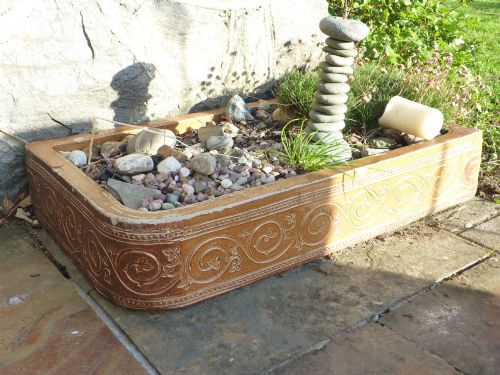
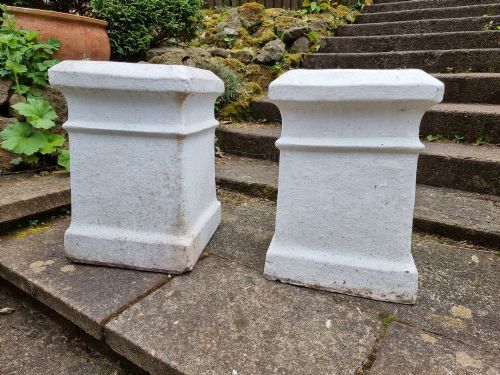
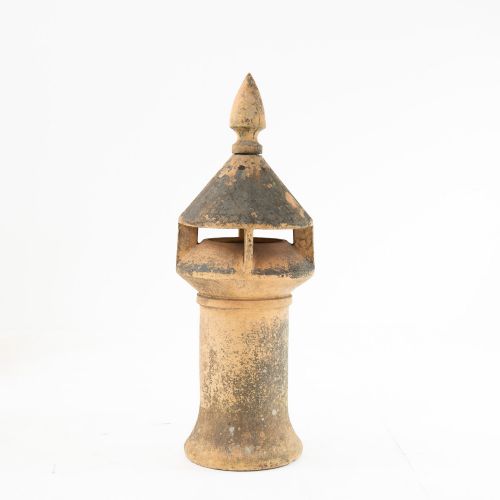
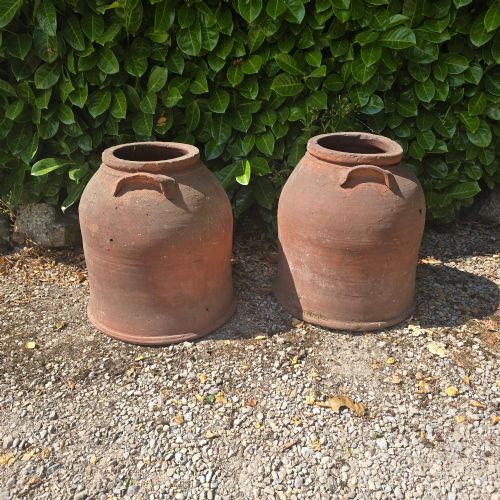
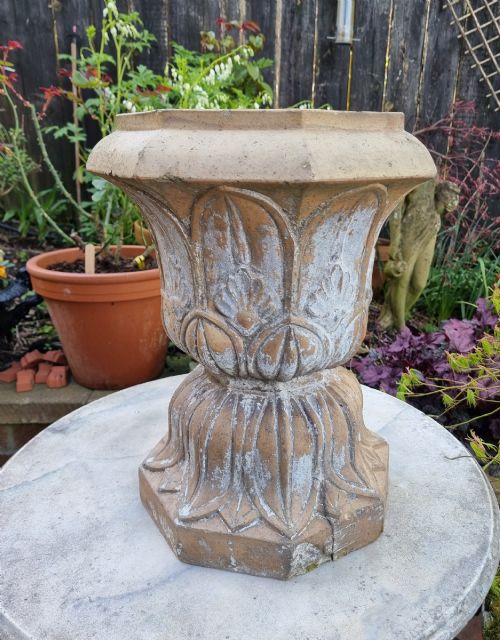
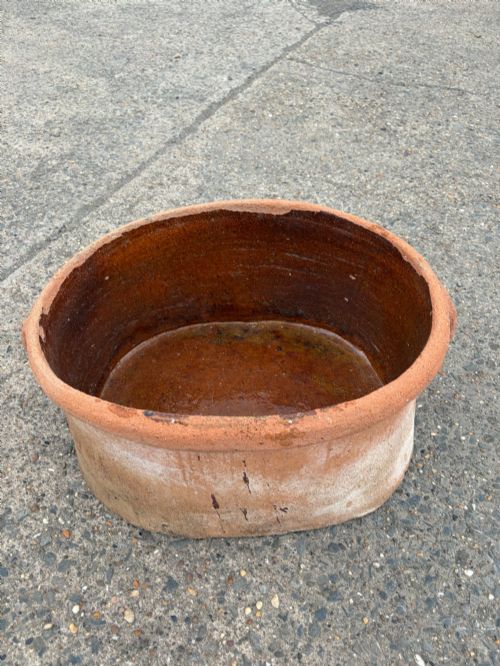
An antique terracotta pot encompasses a wide variety of utilitarian and decorative vessels found in gardens, dairies, and homes across Britain, France, Italy, and beyond. Buyers encounter garden planters, campana urns, and troughs alongside specialised agricultural forms such as rhubarb forcers and chimney pot pedestals.
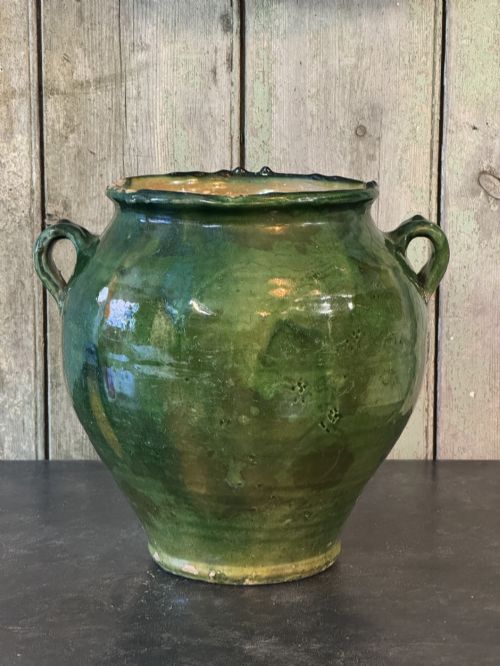
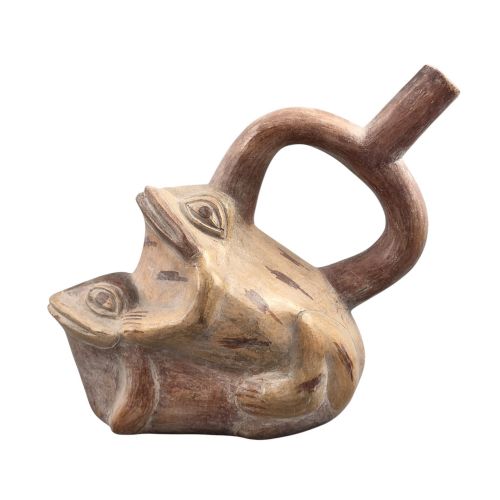
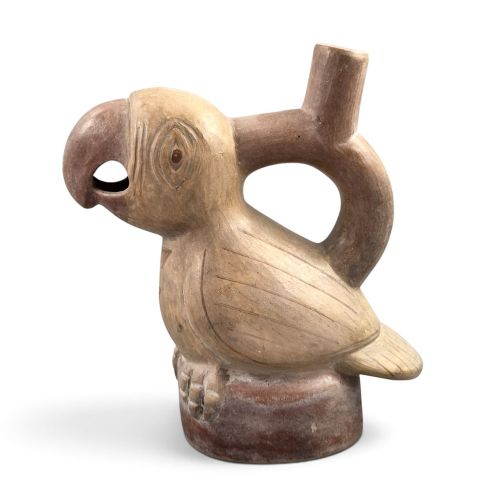
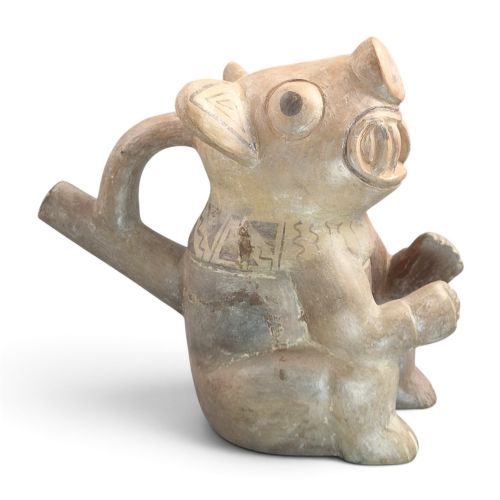
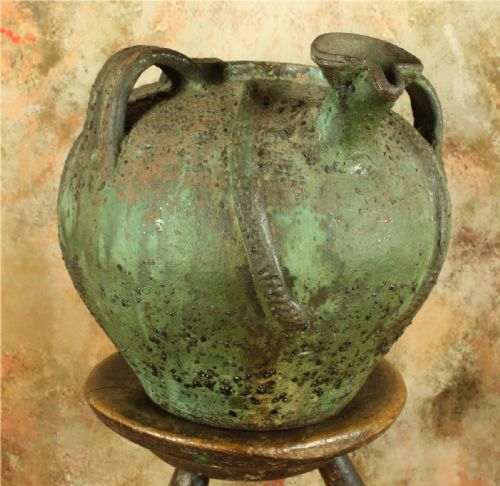
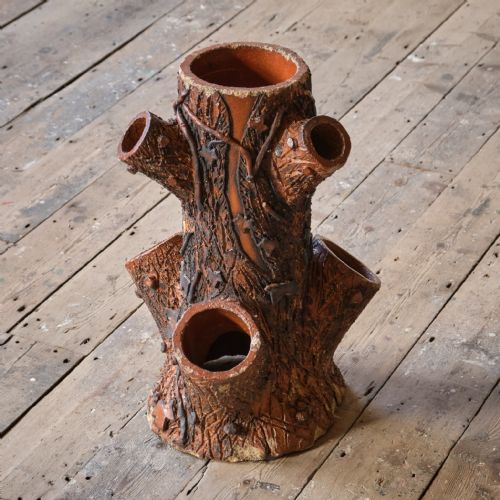
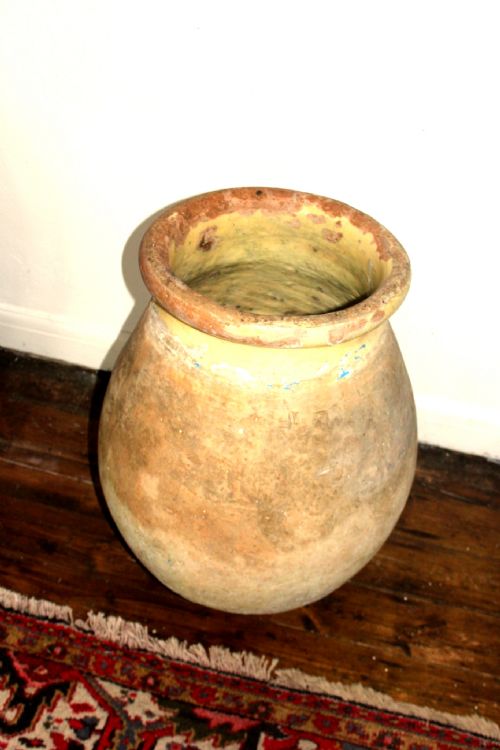
The selections span distinct cultural traditions, ranging from nineteenth-century French confit pots and olive jars to Victorian English garden urns and faux bois strawberry planters. Pieces date principally from the nineteenth century, though the category extends from pre-Columbian and early Greek antiquities to twentieth-century garden wares.
Domestic and agricultural vessels dominate the domestic sphere, including dairy salting crocks, oil jars, and glazed earthenware jugs. Meanwhile, grander architectural elements and garden ornaments provide focal points for terraces and orangeries.
Materials and Technique
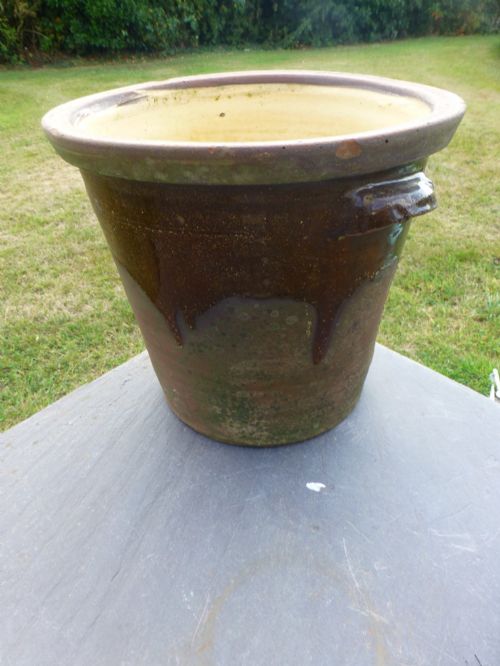
Potters shaped these vessels using traditional methods of throwing, moulding, and hand-building with clay, earthenware, and terracotta. Many utilitarian forms received salt-glazes or lead-based green and amber glazes to render them impermeable for storing oil, butter, or preserves.
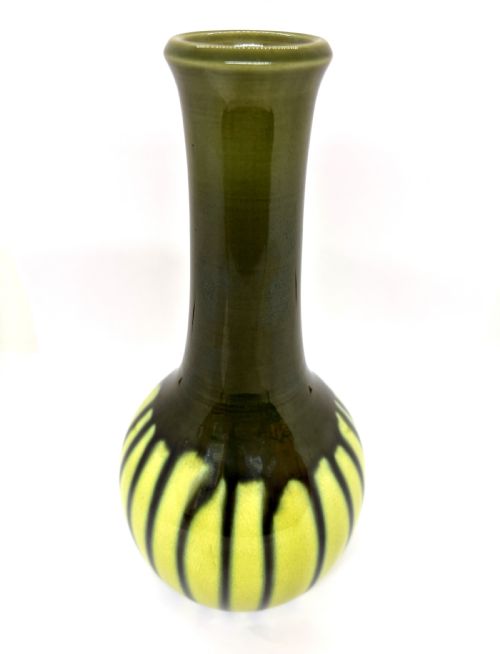
Surface treatments varied from unglazed, porous terracotta designed to weather naturally outdoors to elaborate drip-glazes and majolica finishes. Kiln firing temperatures determined the density of the ceramic body, producing fabrics ranging from soft earthenware to durable salt-glazed stoneware.
Nineteenth-century potters built grumpy ceramic chimney cowls shaped like human faces to keep the smoke rolling.
Assessing Quality
Quality rests upon the crispness of moulded ornament, the balance of the vessel's proportions, and the integrity of the clay body. Superior examples display intentional, harmonious forms whether intended for rustic utility or neoclassical garden display.
Surface patination plays a major role in the desirability of older garden ware, where centuries of exposure create authentic mineral encrustations and weathered textures. Maker attribution and unusual scale also elevate certain planters and oil jars above standard utilitarian production.
Burmantoft's Pottery·Compton Pottery·C. R. Stevens
The Antique Terracotta Pot Glossary
- Confit pot
- A French glazed earthenware jar traditionally used for preserving meat or confit. These pots typically feature distinctive side handles and partial green or yellow glazes.
- Campana urn
- A bell-shaped garden vessel originating in classical antiquity and revived during the nineteenth century. They sit on a pedestal foot and suit formal garden planting.
- Faux bois
- A decorative technique mimicking wood grain moulded into terracotta or cement. It was especially popular on Victorian strawberry planters and garden ornaments.
- Rhubarb forcer
- A tall, domed ceramic vessel placed over rhubarb plants to exclude light and accelerate growth. They often include a removable lid at the top for checking shoots.
- Salt-glazed stoneware
- Pottery fired at high temperatures where salt thrown into the kiln produces a pitted, orange-peel texture. This finish makes the ceramic completely waterproof.
Antique Terracotta Pot: Frequently Asked Questions
Can antique terracotta pots stay outside in winter?
Many nineteenth-century garden pots and urns tolerate outdoor conditions, but frost can crack porous earthenware if moisture freezes inside the clay body.
Lifting vessels onto pot feet and moving delicate glazed confit pots under shelter during freezing weather helps protect the ceramic structure.
How do I clean an old terracotta pot?
Washing with warm water and a soft brush removes loose dirt while preserving the aged patinas and mineral deposits valued by collectors.
Harsh chemical detergents and wire wool should be avoided because they strip away centuries of weathering and damage the soft terracotta surface.
What were French confit pots used for?
French confit pots served as utilitarian storage vessels in rural farmhouses for preserving duck, goose, or pork in fat.
Their interior glazes prevented the meat from spoiling, while the unglazed lower sections allowed the jars to stay cool in cellars and larders.
How can I tell the age of a terracotta pot?
Age is indicated by hand-thrown throwing rings, tool marks, wear patterns on the base, and the natural accumulation of lime scale and moss.
Comparing the form and clay fabric with documented nineteenth-century styles or dated archival examples also assists in establishing a period.