


Green Glazed Terracotta Pot
A green glazed terracotta pot brings earthy warmth and rich colour to a room, offering both functional utility and rustic charm.
Green Glazed Terracotta Pot
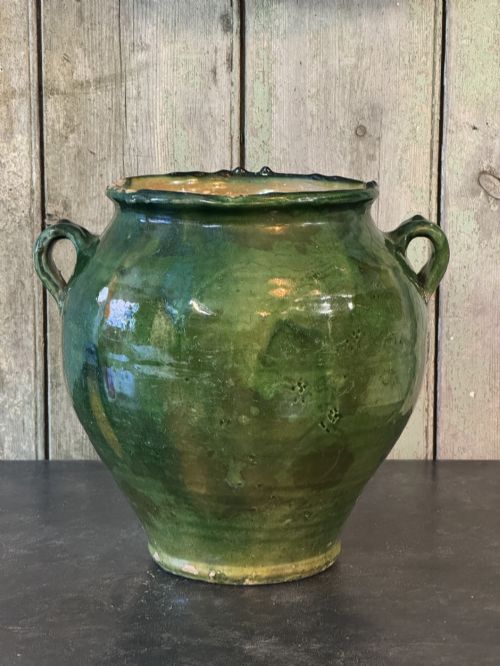
A green glazed terracotta pot is a vessel shaped from earthenware clay, often finished with a rich green lead or ceramic glaze designed to hold liquids or plants. When you search for a green glazed terracotta pot, you encounter items ranging from utilitarian confit jars and olive jugs to decorative planters and jardinieres.
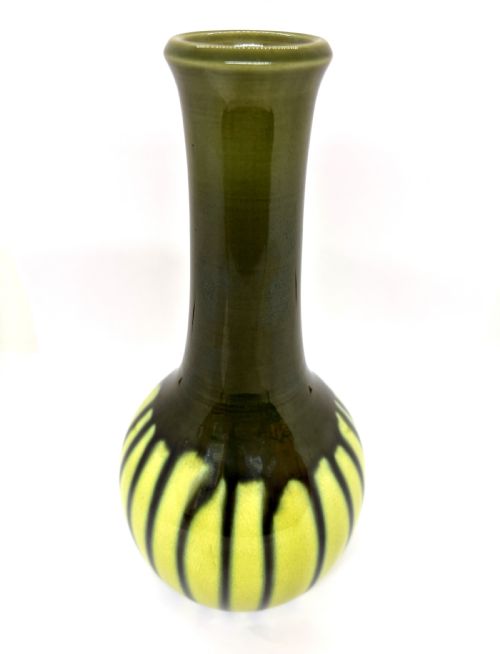
The pieces on this page span the eighteenth, nineteenth, and twentieth centuries, originating from regions such as France, Turkey, and Scotland. French country and provincial forms appear frequently alongside Arts and Crafts and Victorian styles, showing the wide geographic spread of these earthen vessels.
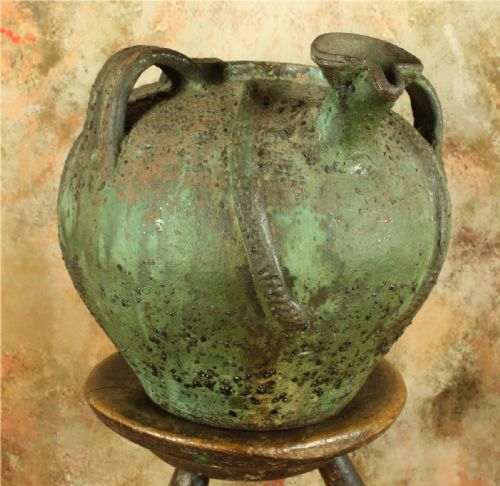
Buyers looking for a green glazed terracotta pot usually find robust forms like three-handled olive jars, amphora vessels, and heavy bowls. These objects carry the marks of rural workshops and domestic use, making them enduring focal points for interiors and gardens alike.
How they were made
Makers shaped these vessels from local terracotta and earthenware clays, throwing them on a wheel or forming them by hand before firing them in traditional kilns. The resulting porous body provided a sturdy foundation for the surface finishes applied afterward.
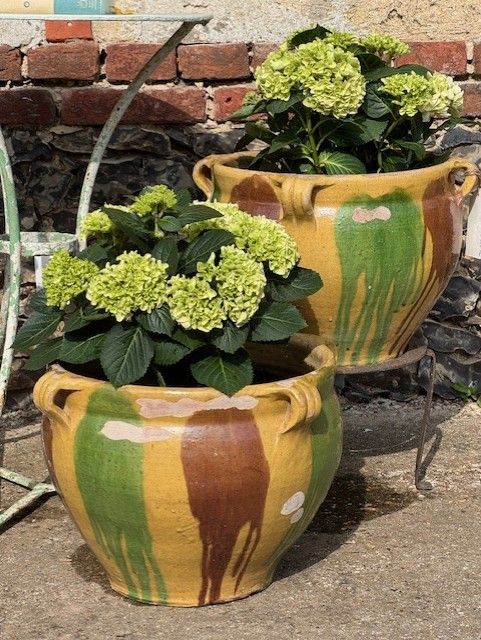
Potters sealed the earthenware bodies with ceramic glazes, sometimes creating distinctive dribble effects down the exterior walls. These glazes ranged from rich monochromatic greens to mottled Majolica-style coatings, protecting the porous clay beneath while adding depth of colour.
Listings feature earthenware and terracotta materials shaped into vessels, planters, and bowls across the nineteenth and twentieth centuries.
What varies in quality
The character of the glaze largely determines the visual success of a piece, with uneven pooling, rich drips, and depth of colour elevating the surface. A well-applied glaze ages gracefully over the underlying terracotta, whereas flat or overly uniform finishes lack the visual movement prized in older wares.
Proportion and structural integrity also separate standard vessels from exceptional examples, particularly in larger forms like olive jars and confit pots. Handles must align harmoniously with the body, and the weight of the terracotta should feel balanced for the scale of the object.
The Green Glazed Terracotta Pot Glossary
- Terracotta
- A porous, brownish-red earthenware clay that is fired at relatively low temperatures. It forms the structural base for most traditional pots and planters.
- Confit Pot
- A traditional French jar featuring handles, originally used for preserving meats or storing fats. They often display partial or full glazes on their upper sections.
- Majolica
- A type of earthenware coated with an opaque white tin glaze and painted with brightly coloured metallic oxide enamels. This style gained popularity during the Victorian era for decorative planters.
- Amphora
- A classical two-handled vessel with a narrow neck, historically used for transporting and storing liquids like oil or wine. These shapes influenced later decorative garden and interior urns.
Green Glazed Terracotta Pot: Frequently Asked Questions
What were green glazed terracotta pots used for?
These vessels served practical functions in domestic and agricultural life, acting as storage jars for olive oil, water, and preserved foods. Confit pots held meats in fat, while large amphorae and jugs managed liquids.
Over time, many of these utilitarian containers transitioned into decorative roles, holding plants, flowers, or simply standing as sculptural elements in homes and gardens.
How do I date a terracotta pot?
Dating relies heavily on observing the forming techniques, tool marks, and glaze characteristics visible on the earthenware body. Eighteenth and nineteenth-century pieces often display irregularities from hand-throwing and local kiln firings.
Stylistic cues such as handle placement and regional French or Turkish forms help narrow down the period, alongside comparative examples from known potteries.
Are these pots waterproof?
Terracotta is inherently porous, meaning unglazed clay will absorb moisture over time. While the interior or exterior glazes on these pots provide a barrier, older earthenware can still weep moisture when exposed to standing water.
Using a liner inside antique vessels protects the historic interior surface and prevents dampness from damaging delicate indoor flooring or furniture.
Where should I display a large jar?
Large jars and confit pots suit prominent floor spaces where their weight and height can be appreciated without cluttering a room. Hallways, empty corners, and hearth sides offer ideal settings for sculptural silhouettes.
In warmer months, sturdy glazed planters also sit well on patios or garden terraces, though frost protection is essential to prevent winter damage to the earthenware.