

Antique Tea Table Drawer
Antique tea table drawer pieces combine practical storage with period joinery, offering a functional surface equipped with a concealed or visible compartment for small items.
Antique Tea Table Drawer
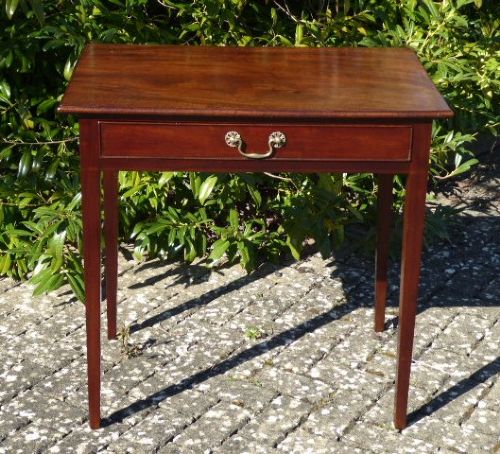
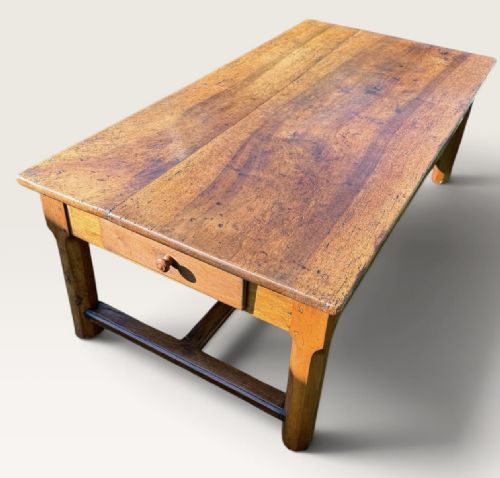
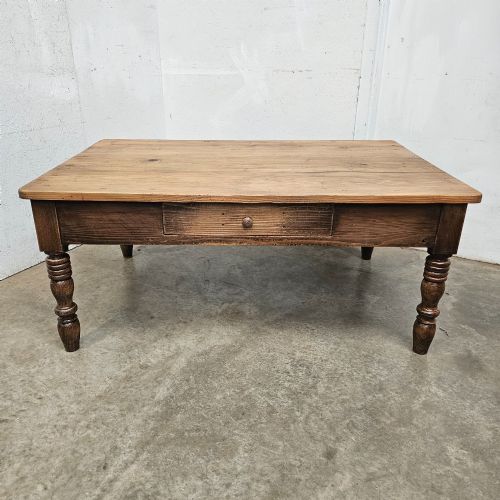
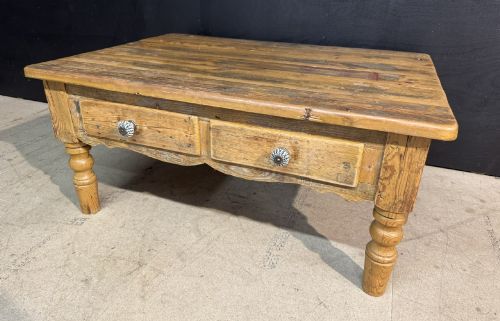
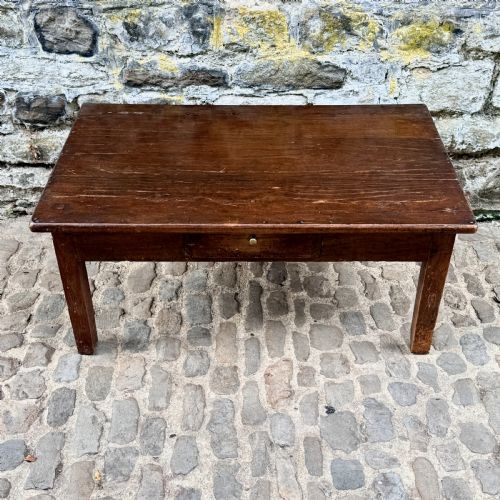
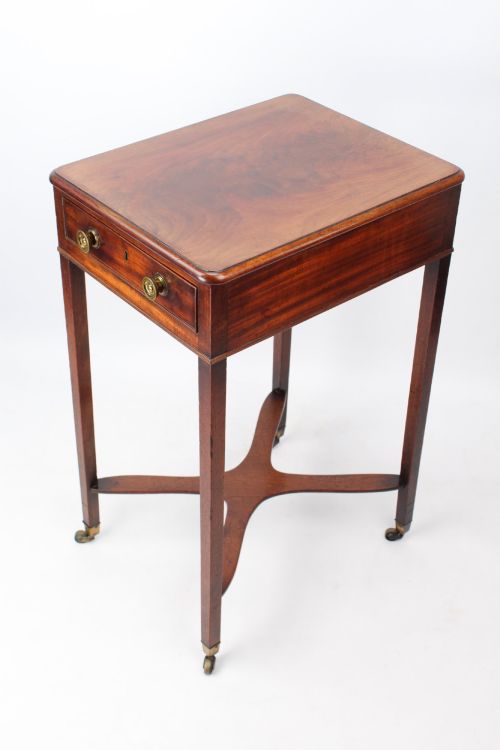
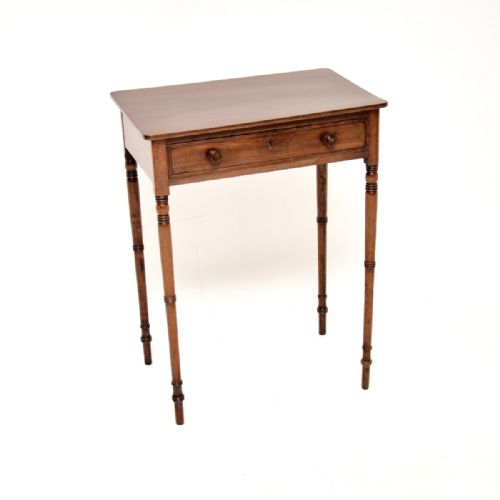
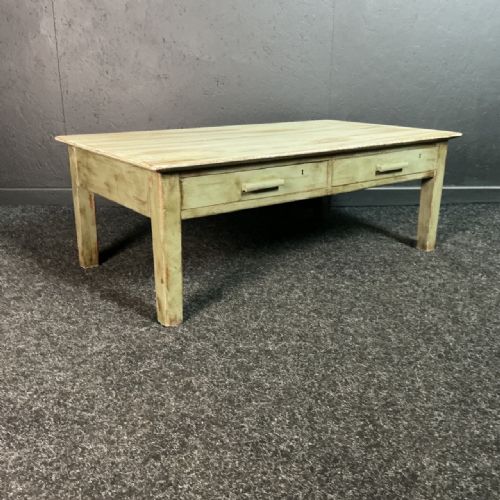
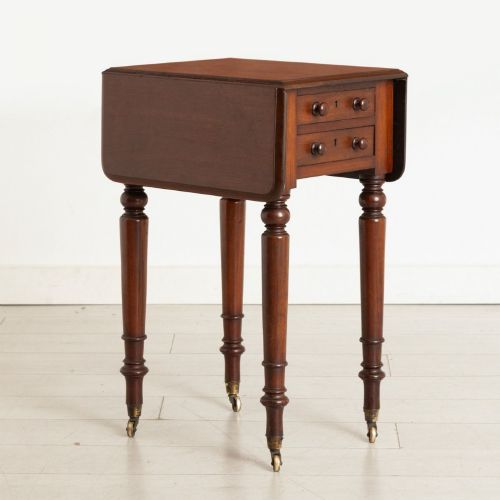
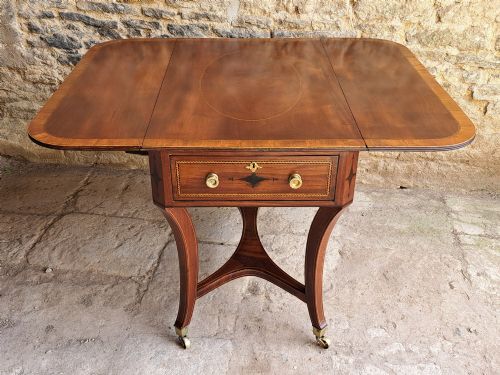
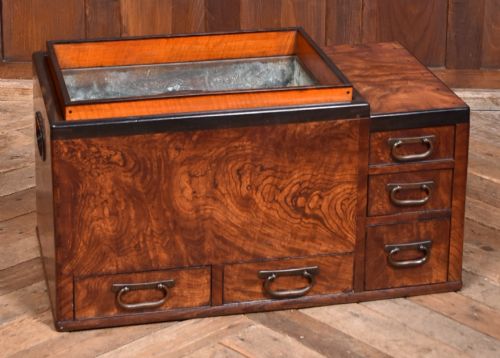
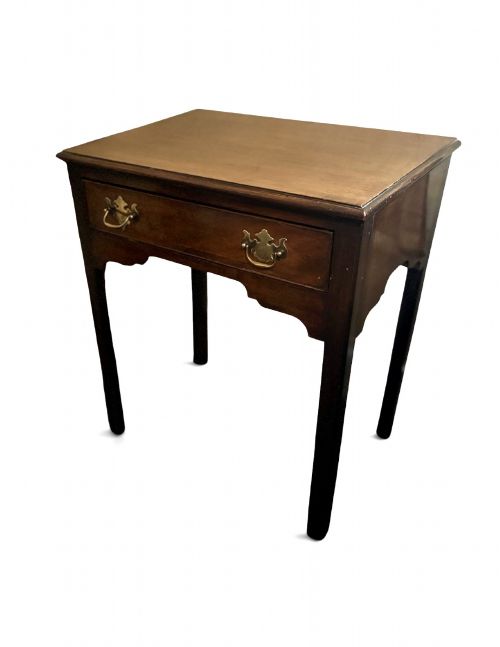
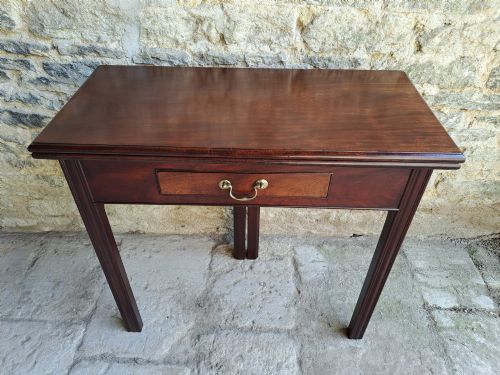
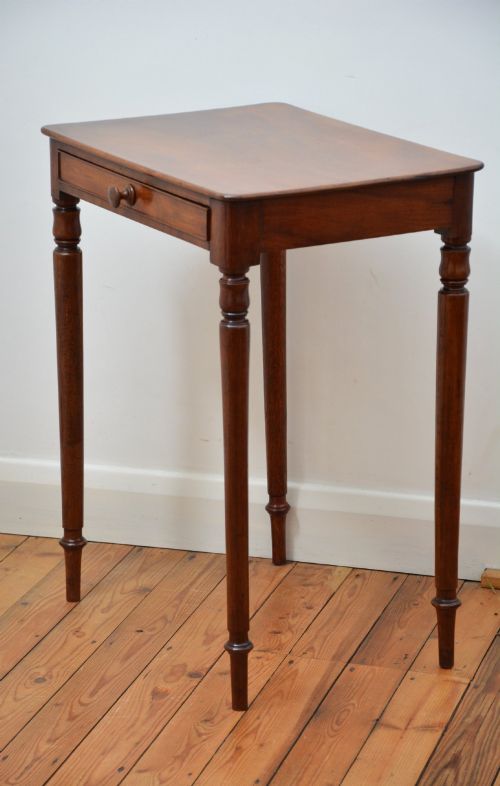
An antique tea table drawer provides a compact surface paired with integrated storage compartments designed for domestic use. The pieces appearing on this page span several centuries and styles, including Georgian, Victorian, and Edwardian examples.
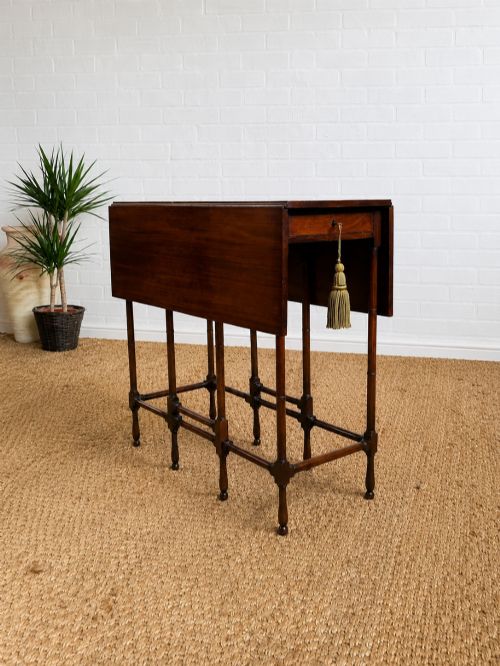
Buyers encounter forms ranging from drop-leaf pembroke tables and card tables to lowboys and occasional side tables. Mahogany, walnut, and oak dominate the construction, often featuring fitted single or double drawers beneath the top surface.
How they were made
Cabinetmakers utilised solid timbers such as mahogany, oak, and walnut, frequently pairing denser primary woods with secondary timbers for internal drawer construction. Drawer linings often employ pine or oak with hand-cut dovetail joints securing the corners.
Surfaces exhibit traditional finishing techniques, including French polish or wax applied over figured grain patterns like Cuban mahogany or satinwood inlay. Turned legs, drop leaves, and concertina folding mechanisms demonstrate period joinery methods.
Listings feature mahogany, oak, walnut, rosewood, and cherry wood across Georgian, Victorian, Edwardian, and Regency periods.
What varies in quality
The standard of timber selection largely defines the tier of a piece, with figured Cuban mahogany or quarter-sawn oak representing finer craftsmanship. Smooth drawer operation and tight joints indicate the skill of the original maker.
Preservation of original brass hardware, secondary timbers, and surface finishes maintains the integrity of the piece. Subtle details such as crisp edge moulding and precise inlay differentiate standard utility items from high-status examples.
The Antique Tea Table Drawer Glossary
- Pembroke table
- A small occasional table featuring two hinged drop leaves on opposing sides and typically one or more drawers.
- Lowboy
- A small eighteenth-century dressing or side table with one or more rows of drawers supported on slender legs.
- Concertina action
- An expanding frame mechanism used on card and tea tables to support a fold-over top when opened.
- Dovetail
- A joint formed by interlocking wedge-shaped fingers, commonly used in period drawer construction for strength.
- Drop-leaf
- A table top configuration comprising a fixed central section and hinged flaps that fold down when not in use.
Antique Tea Table Drawer: Frequently Asked Questions
How were tea table drawers used originally?
These compartments originally held tea caddies, spoons, or paperwork associated with the formal service of tea in the parlour.
Over time, owners adapted the shallow spaces for everyday items such as writing materials, keys, and sewing accessories.
Can I use an antique tea table as a desk?
Many smaller examples, such as pembroke or side tables with drawers, provide adequate knee clearance and surface area for light writing tasks.
Check the internal height and width of the drawer to ensure it accommodates modern stationery or a laptop if needed.
How do I distinguish Georgian from Victorian pieces?
Georgian furniture generally displays restrained classical proportions, finer timber selection, and delicate brass handles dating from the eighteenth century.
Victorian pieces often feature heavier turning, darker finishes, and machine-assisted construction methods introduced during the nineteenth century.
How do I care for antique mahogany surfaces?
Maintain the finish by applying natural beeswax sparingly and buffing with a soft cloth to protect the wood from excessive dryness.
Keep tables away from direct heat sources and sunlight to prevent the timber and French polish from fading or cracking.