



Antique Tea Jar Lid
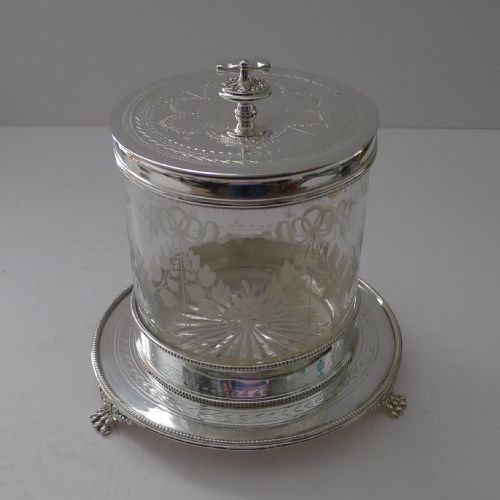
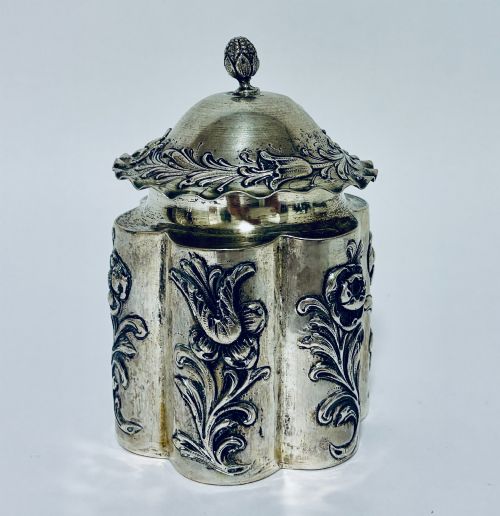
These antique tea jar lid items represent the small, protective covers for caddies, canisters, and jars made from silver, ceramic, and porcelain.
Antique Tea Jar Lid
When searching for an antique tea jar lid, a buyer encounters individual covers and complete vessels featuring removable tops from various centuries. These pieces originate from domestic and international makers working in styles such as Victorian, Georgian, and Art Deco.
The selections span forms including tea caddies, biscuit barrels, sugar bowls, and ginger jars. Materials range from solid sterling silver and silver plate to bone china, porcelain, and ceramic.
Most examples date from the nineteenth and twentieth centuries, with occasional eighteenth-century ceramic pieces appearing alongside Ottoman and Japanese creations.
How they were made
Silversmiths formed metal lids and vessels using sterling silver, silver plate, and brass, often employing techniques like chasing and chiselling to create surface ornamentation. Pull-off lids fit snugly over polished collars formed during the manufacturing process.
Ceramic and porcelain pieces utilised traditional potting methods, followed by handpainted decoration in blue and white, Imari patterns, or rich enamel colours. Gold leaf accents frequently highlighted the details on fine bone china and porcelain jars.
Antique Tea Jar Lid Retail Price Guide 2026
Typical asking prices for tea jar lid among the pieces listed under this phrase on Sellingantiques today, from the lower quarter to the upper quarter. They describe what is for sale here now, not the wider market.
Listings feature sterling silver, silver plate, brass, porcelain, and ceramic items spanning from the eighteenth century to the mid-twentieth century.
What varies in quality
Quality reveals itself in the weight and thickness of the metal or the fineness of the ceramic body. Substantial silver gauge and crisp handpainted detail distinguish finer examples from standard production items.
The precision with which a lid fits its vessel indicates the skill of the original maker. Well-balanced proportions and clear hallmarks or painted factory marks elevate certain pieces above others.
Ernest Druiff & Co·Royal Crown Derby·Herend·Worcester
The Antique Tea Jar Lid Glossary
- Tea Caddy
- A small vessel designed to store loose tea leaves securely. Early versions often included a locking mechanism and a matching inner or outer lid.
- Sterling Silver
- An alloy consisting of pure silver and other metals to increase durability. Items made to this standard frequently display British assay office hallmarks.
- Bone China
- A type of porcelain incorporating animal bone ash for strength and translucency. It allowed makers to produce thinner walls while retaining structural integrity.
- Imari
- A style of Japanese export porcelain featuring deep blue, iron red, and gilt decoration. European potteries frequently copied these distinctive colour schemes during the nineteenth century.
- Ginger Jar
- A globular ceramic container originally used to transport spices and preserves. Later decorative interpretations commonly featured matching ceramic lids.
Antique Tea Jar Lid: Frequently Asked Questions
What fits an antique tea jar lid?
These lids are made to fit specific caddies, canisters, and ginger jars of the same period. Because each vessel was shaped by hand or turned individually, replacements rarely interchange between different makers.
Buyers should examine the collar diameter and depth of the rim to understand how a lid rests on its container.
How were silver lids stamped?
Silversmiths applied hallmarks to sterling silver pieces to indicate the standard of metal, the assay office, and the date of manufacture. These small stamped marks help identify the maker and the year the item was assayed.
Silver plate items received different marks, often indicating the plating technique or the manufacturing house rather than precious metal purity.
Why did tea jars need lids?
Dry tea leaves lose their delicate aromas and flavours quickly when exposed to air and moisture. A well-fitted lid protected expensive imported tea stored inside domestic parlours.
Inner lids provided a secondary barrier to seal the contents before the main decorative cover was secured in place.
How do I clean ceramic lids?
Ceramic and porcelain surfaces require gentle washing with lukewarm water and mild soap to protect handpainted glazes and gold leaf accents. A soft cloth removes dust without risking abrasion to older enamel work.
Silver lids benefit from specialised polishing cloths used sparingly to preserve the underlying metal and any chased detail.