

Antique Tea China
Antique tea china brings domestic history to the tabletop through porcelain cups, saucers, and teapots made by historic English factories.
Antique Tea China
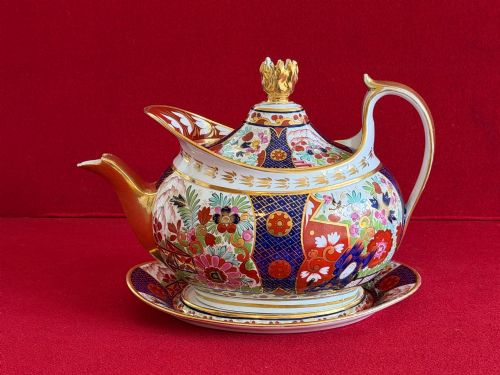
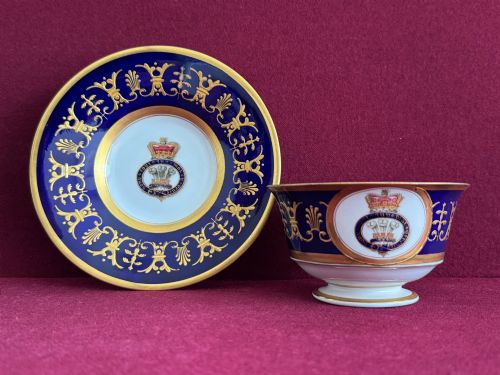
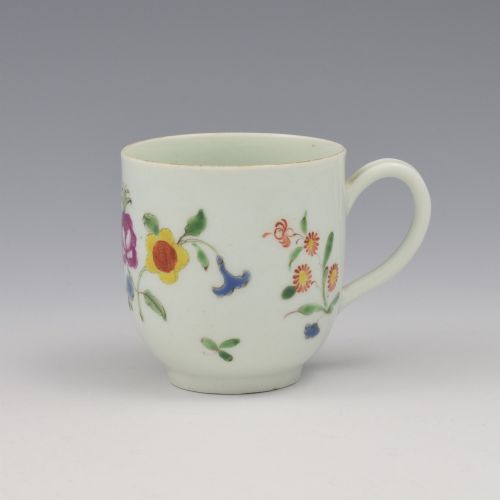
Antique tea china encompasses ceramic vessels created for the consumption and service of tea, ranging from single teacups to complete multi-person services. When exploring antique tea china, collectors encounter pieces spanning the eighteenth, nineteenth, and early twentieth centuries, produced during the Georgian, Regency, and Victorian periods.
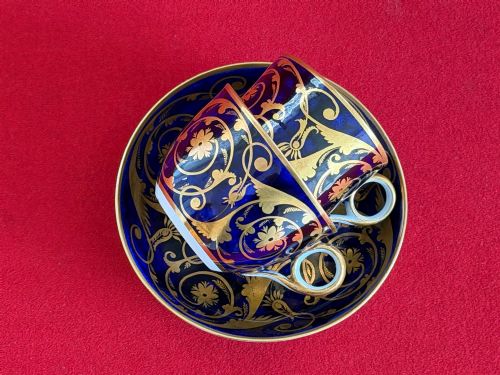
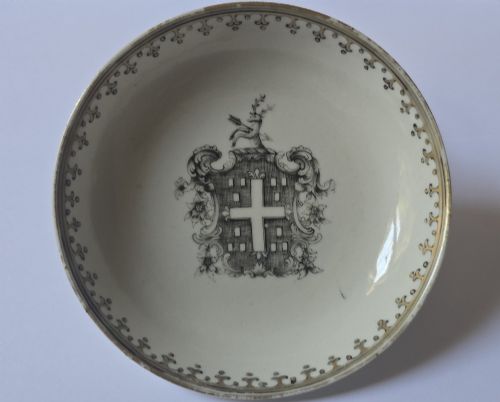
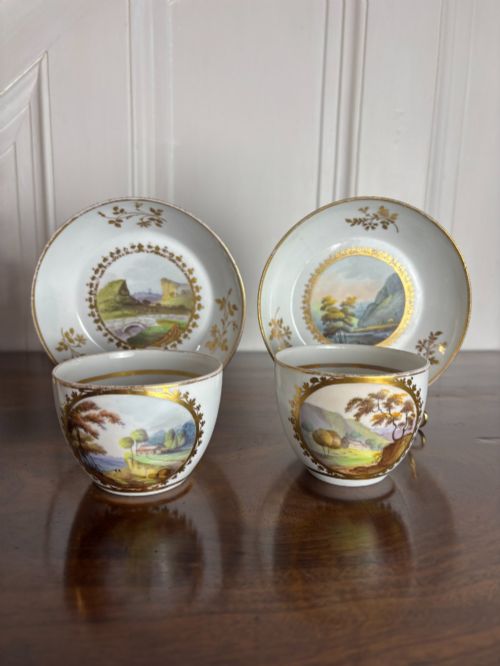
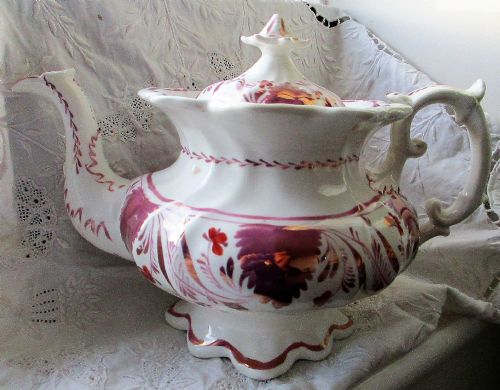
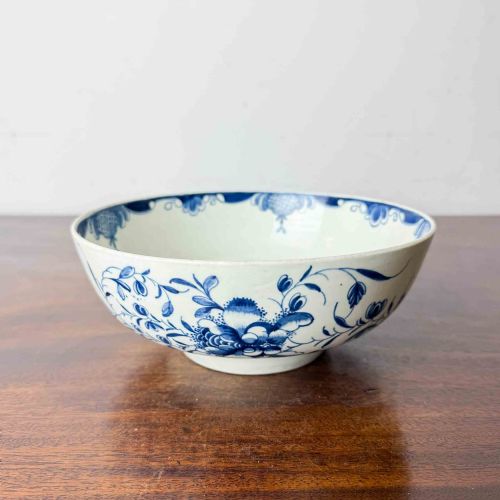
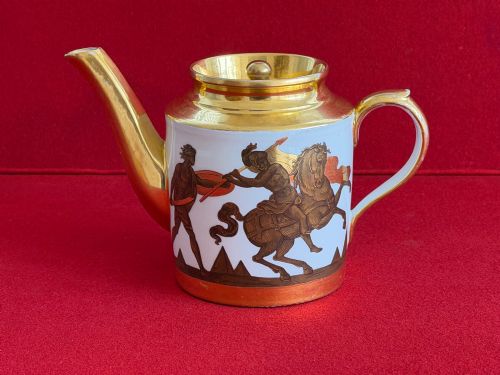
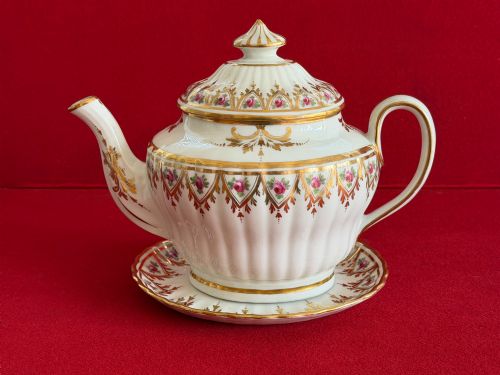
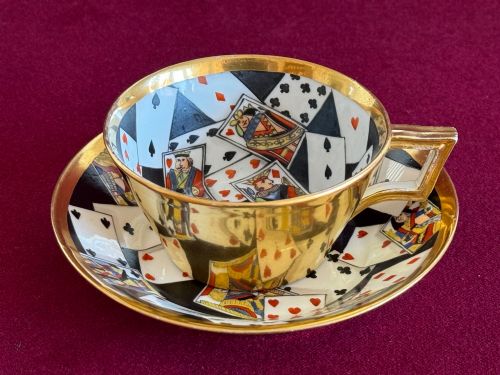
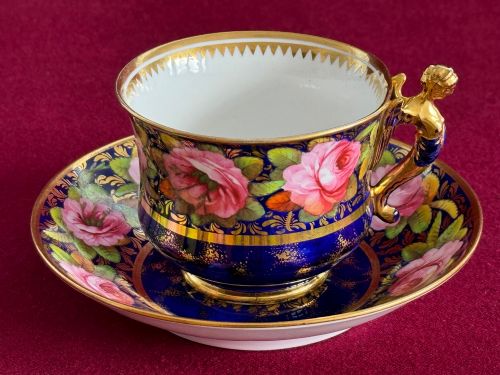
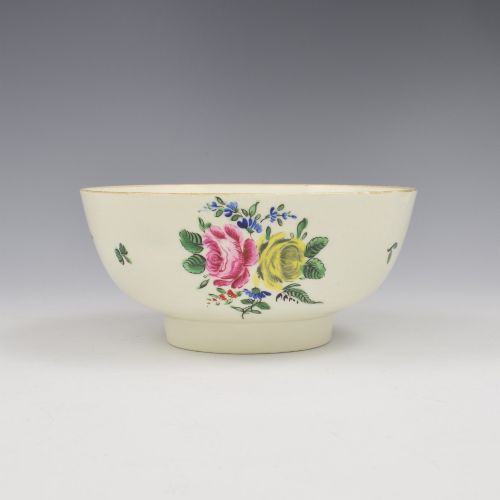
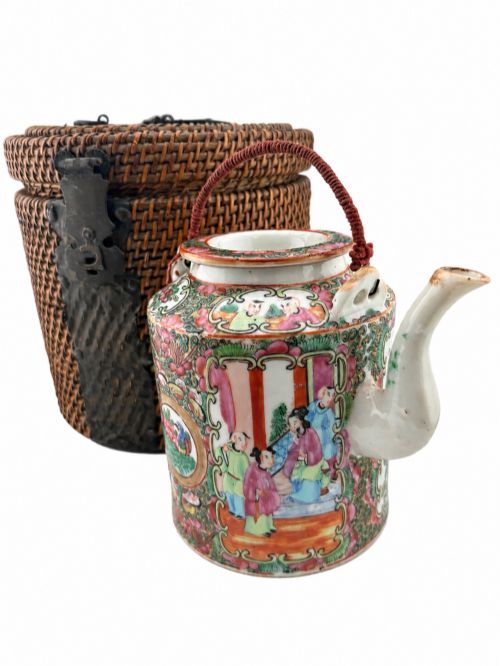
The objects most frequently met on this page include teacups and saucers, trios combining a coffee cup with a teacup and saucer, slop bowls, sugar bowls, and teapots. These items originate from notable factories such as Worcester, New Hall, Spode, and Coalport, reflecting changing domestic habits across generations.
Materials and production methods
Makers utilised porcelain, bone china, and soft-paste porcelain, shaping them into tableware forms through throwing, moulding, and casting. Early pieces often relied on soft-paste compositions, while later nineteenth-century production incorporated durable bone china and ironstone.
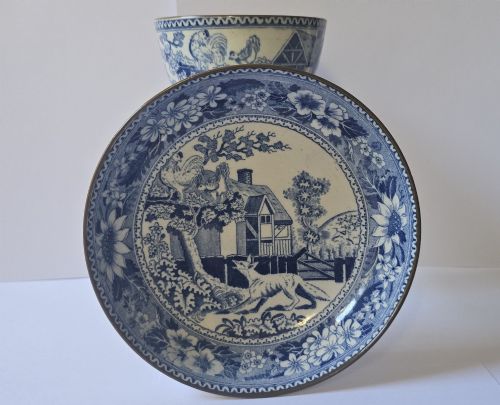
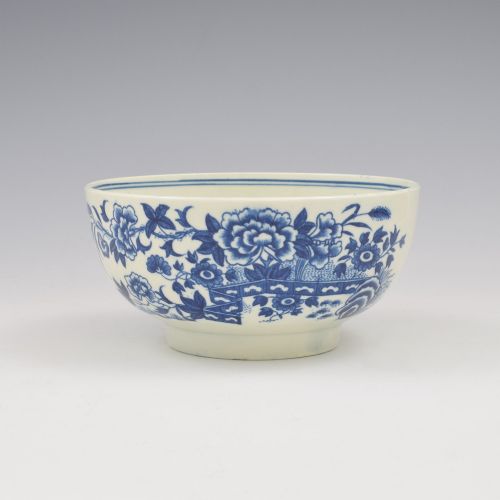
Decoration relied on handpainted enamel pigments, blue and white transfer printing, and applied gilding using gold leaf. Glazes were fused in kilns to seal the ceramic body and protect the painted or printed motifs.
Antique Tea China Retail Price Guide 2026
Typical asking prices for tea china among the pieces listed under this phrase on Sellingantiques today, from the lower quarter to the upper quarter. They describe what is for sale here now, not the wider market.
Nineteenth-century child services miniaturised full household tea rituals so children could practice polite conversation over imaginary cups of tea.
Factors determining quality
Quality separates standard utilitarian wares from superior cabinet pieces through the precision of the ceramic body and the artistry of the decoration. Finer examples display crisp moulding, thin-walled porcelain bodies, and meticulously detailed handpainted motifs rather than basic transfer printing.
The execution of gilding and enamel work distinguishes workshop output, with premier pieces showing skilled brushwork and sophisticated colour palettes. Completeness within sets and the survival of matching stands or covers further elevate an item's standing.
John Rose Coalport·New Hall·Spode·Barr and Barr Worcester·Duesbury and Kean Derby·H and R Daniel·Chamberlain Worcester·Richard Chaffers·Wedgwood·Minton·W H Goss·Royal Crown Derby
The Antique Tea China Glossary
- Soft-paste porcelain
- An artificial porcelain compound fired at lower temperatures than hard-paste, common in eighteenth-century English factories. It presents a warm, creamy body under the glaze.
- Slop bowl
- A matching bowl included in a tea service to receive tea leaves emptied from the pot or leftover dregs from cups. These vessels form a central component of Georgian and Victorian table sets.
- Trio
- A matched set comprising a teacup, a coffee cup, and a saucer. Trios became popular in the nineteenth century as tea and coffee service habits merged.
- Transfer printing
- A mechanical method of applying complex decorative patterns to ceramics by pressing paper tissue inked with a design onto the biscuit or glazed surface. This technique enabled consistent production across large services.
- Sucrier
- A covered vessel designed to hold sugar on the tea table. These pieces mirror the stylistic motifs of their accompanying teapots and cups.
Antique Tea China: Frequently Asked Questions
What is included in a tea service?
A tea service generally comprises teacups, saucers, a teapot, a sugar bowl, and a slop bowl for spent leaves. Larger services expanded to include coffee cups and matching side plates.
Configuration varied according to the period and the scale of the gathering, ranging from intimate bachelor sets to large household assemblages.
Can antique china still be used daily?
Antique china requires careful handling and hand washing to protect delicate enamels, handpainted details, and fragile gilding. Sudden temperature changes can stress older ceramic bodies, particularly soft-paste porcelain.
Collectors generally reserve these pieces for occasional display or gentle use rather than robust everyday dining.
What distinguishes bone china from porcelain?
Bone china incorporates calcined animal bone ash into the porcelain paste mixture, creating a durable and whiter ceramic body. This innovation allowed makers to produce thinner, more refined walls without sacrificing strength.
Traditional porcelain formulations relied on rock and clay mixtures, resulting in different translucency and weight characteristics.