



Antique Taxidermy Shield
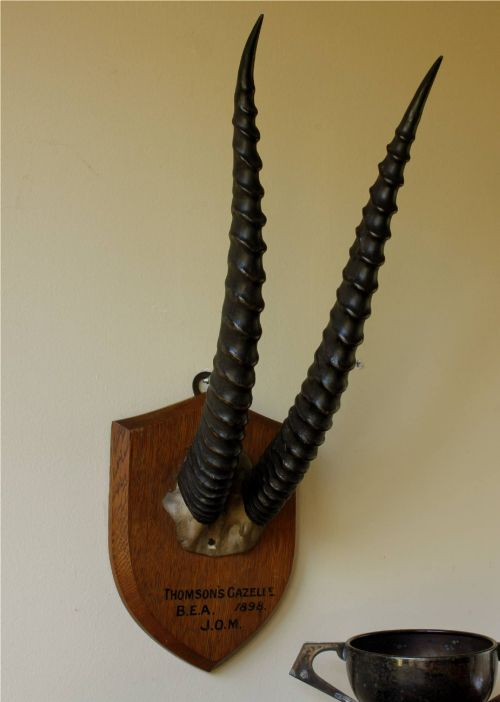
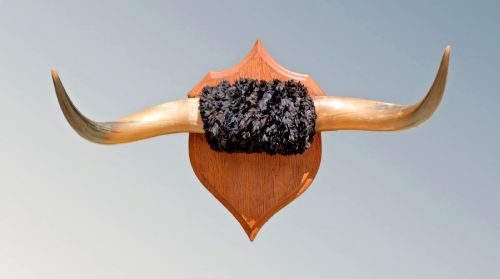
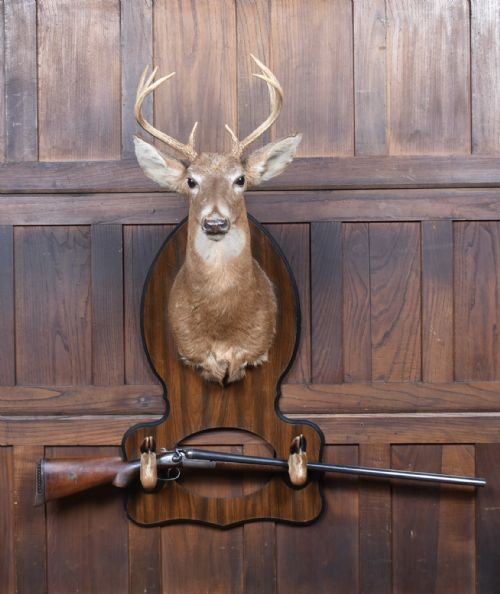
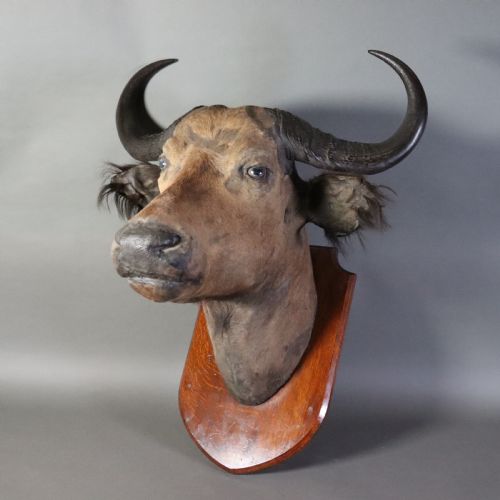
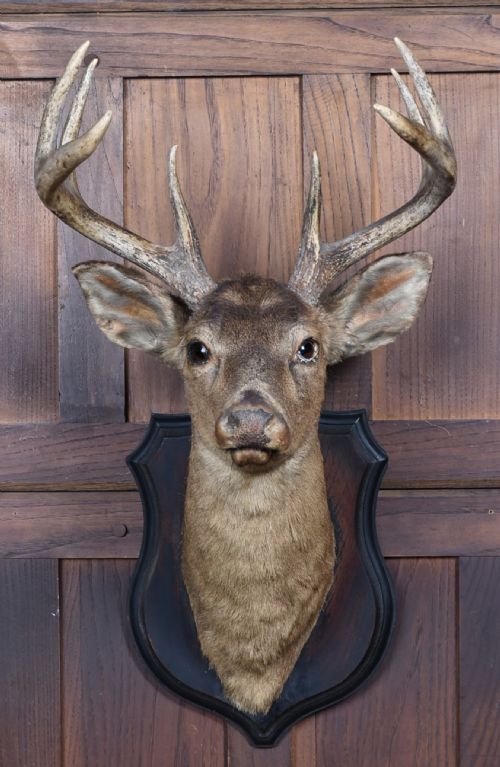
These antique taxidermy shield pieces bring historic sporting trophies into domestic spaces, offering finely mounted horns and heads fixed to carved wooden backings.
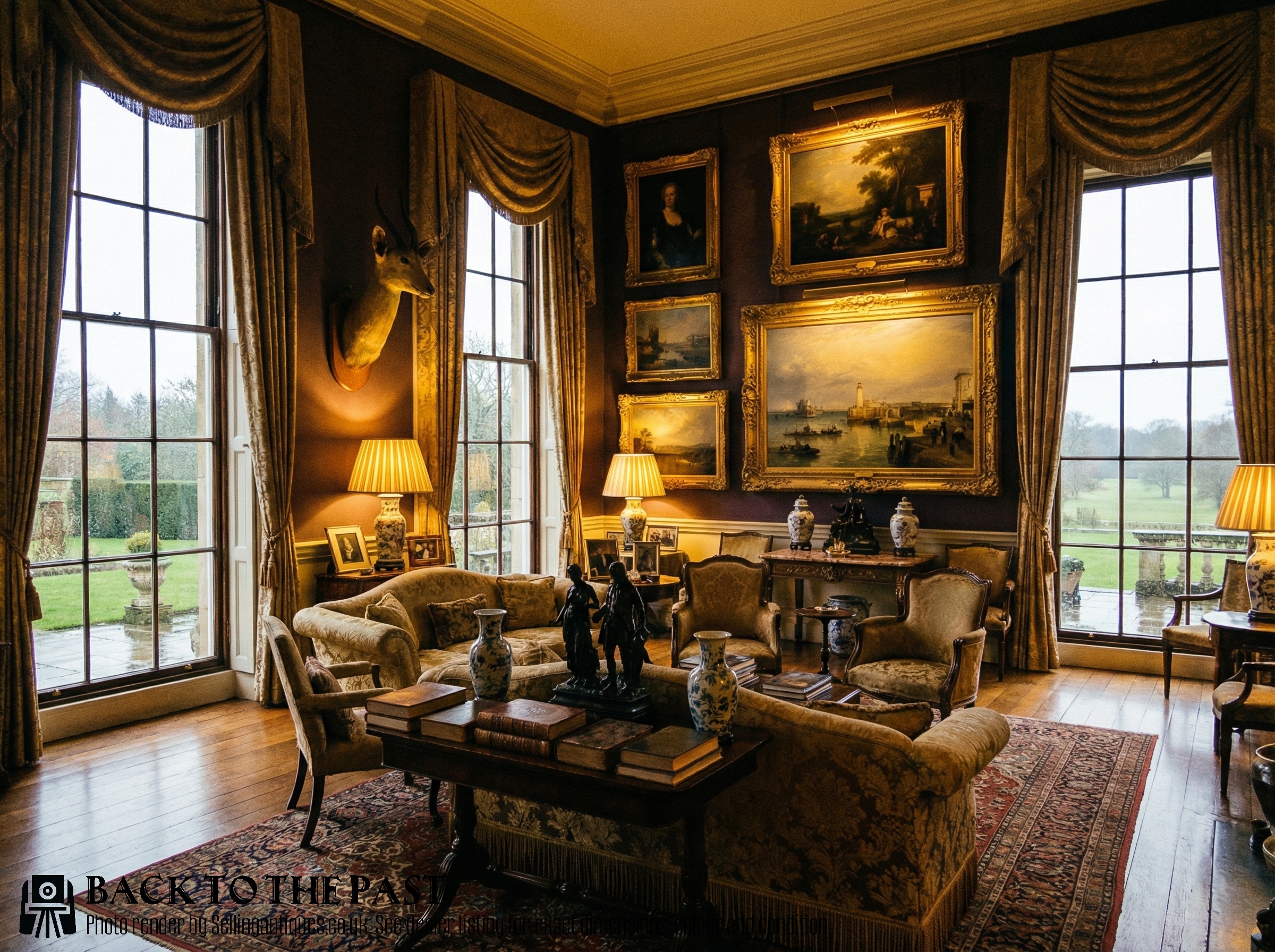
Antique Taxidermy Shield
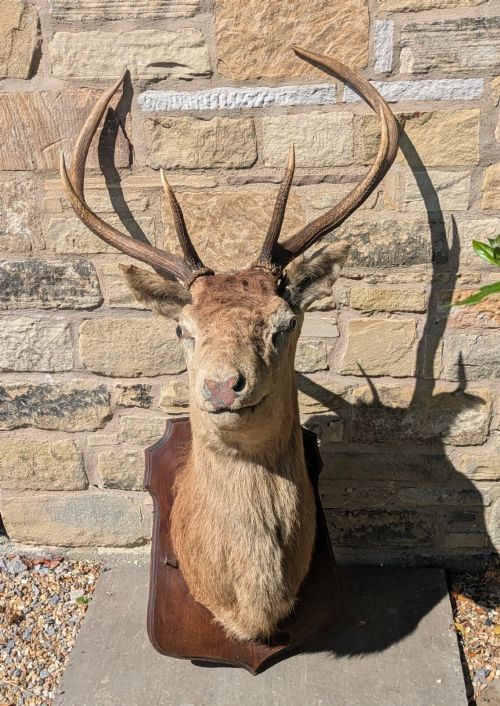
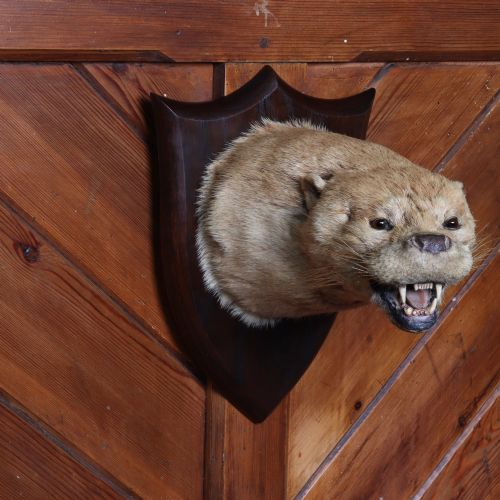
An antique taxidermy shield combines preserved animal specimens with a supportive wooden backing board designed for wall hanging. When searching for this phrase, buyers encounter various forms including deer heads, fox masks, and arranged horns.
The pieces on this page span from the late nineteenth century through to the mid twentieth century. Highland Lodge, Victorian Sporting, and French Hunting Lodge styles dominate the selection available.
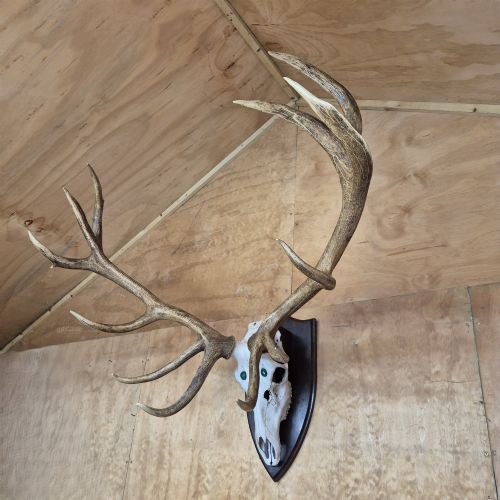
Most specimens appear mounted on shaped or carved timber panels. Common configurations range from single roebuck heads to expansive red deer antlers and wall racks.
Materials and construction
Taxidermists utilised natural fur, hide, bone, and horn combined with wooden backing boards, predominantly oak. These materials were shaped and fitted together to secure heavy antlers and mammalian heads safely to walls.
Carved wooden shields provided the structural foundation for displaying trophies. Glass eyes and taxidermy hide completed the preserved specimens, while metal fixings allowed for secure wall mounting.
At least one mounted fox hound named Dairy Maid joins the selection of traditional game trophies.
Quality variations in mounted trophies
The skill of the taxidermist dictates the naturalism of the preserved animal form. Renowned workshops achieved lifelike expressions and precise anatomical proportions that distinguish superior specimens from simpler work.
The craftsmanship of the wooden shield also influences overall quality. Elaborate carvings and solid oak backings separate standard wall mounts from exceptional decorative pieces.
Peter Spicer and Sons·Edward Gerrard and Sons
The Antique Taxidermy Shield Glossary
- Taxidermy mount
- The preserved skin and form of an animal prepared for display. These mounts serve as historical interior decorations.
- Shield
- A wooden backing board shaped like a heraldic shield used to support animal heads and horns. Oak is frequently utilised for this purpose.
- Mask
- The head and facial portion of an animal preserved separately. Fox masks mounted on wooden boards are typical examples found in sporting collections.
- Antlers
- The bony growths shed and regrown annually by members of the deer family. Large sets like twelve point red deer antlers appear frequently on wall mounts.
Antique Taxidermy Shield: Frequently Asked Questions
How do I hang a heavy taxidermy shield?
These pieces require secure wall fixings due to the weight of the timber shield and preserved animal material. Ensure screws anchor directly into wall studs or solid masonry.
Check the hanging bracket on the reverse of the oak board before installation. Professional picture hooks rated for heavy loads provide the necessary support.
How do I clean taxidermy fur?
Dust natural fur gently using a soft brush or a low power hair dryer on a cool setting. Avoid water and liquid cleaners, which damage preserved hides.
Keep mounts away from direct sunlight and damp environments to preserve the condition of the hide and wood.
What periods do these pieces come from?
The available selection spans from the late nineteenth century through the Edwardian era and into the mid twentieth century. Pieces from the eighteen eighties and nineties reflect Victorian sporting traditions.
Later examples extend into the nineteen thirties and fifties. Stylistic details on the carved oak shields often help indicate the manufacturing period.
What animals are commonly mounted on shields?
Deer species such as red deer, roe deer, and whitetail deer appear frequently in these listings. Antelopes, gazelles, and foxes also feature prominently.
Other variations include crocodile specimens and cattle horns mounted on wooden panels. Each animal type reflects the hunting and decorative preferences of its respective era.