



Mounted Taxidermy Head
A mounted taxidermy head brings the historic study of natural history and sporting heritage straight onto the wall.
Mounted Taxidermy Head
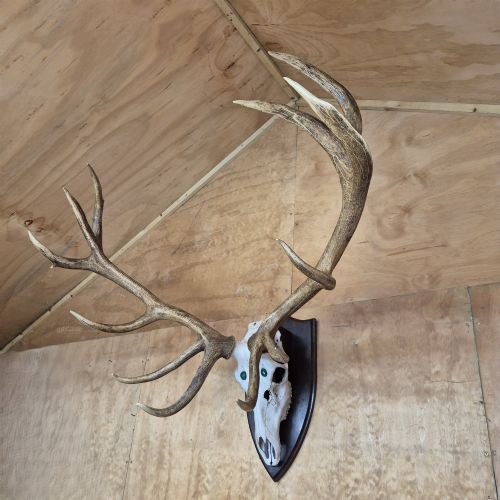
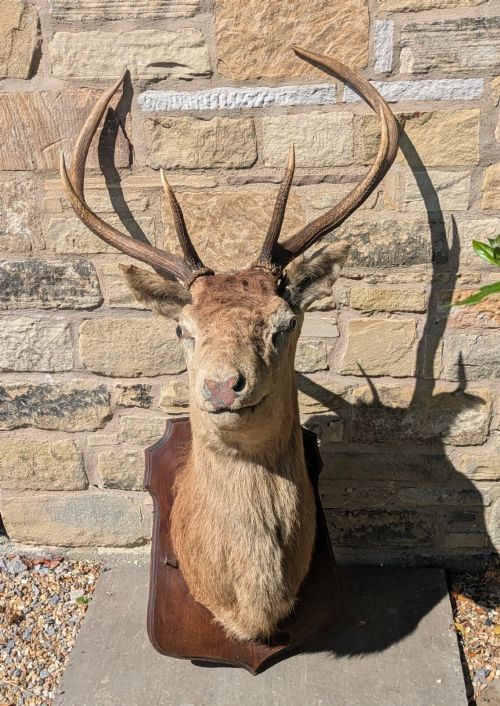
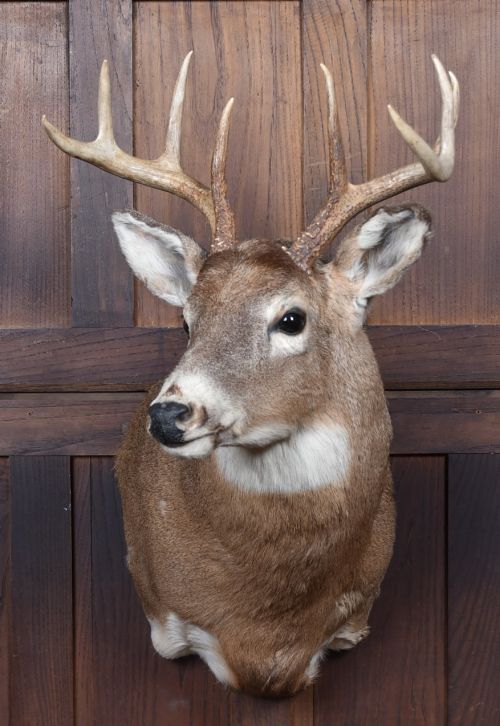
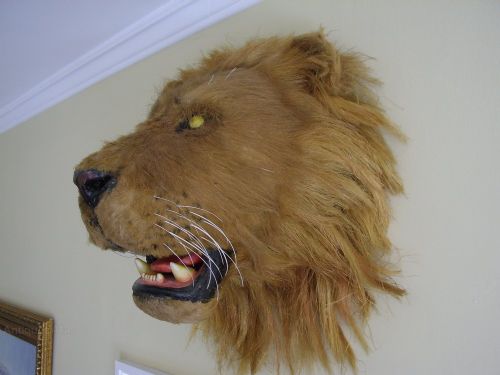
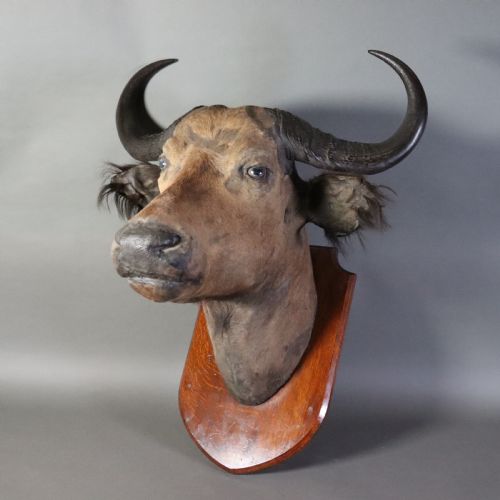
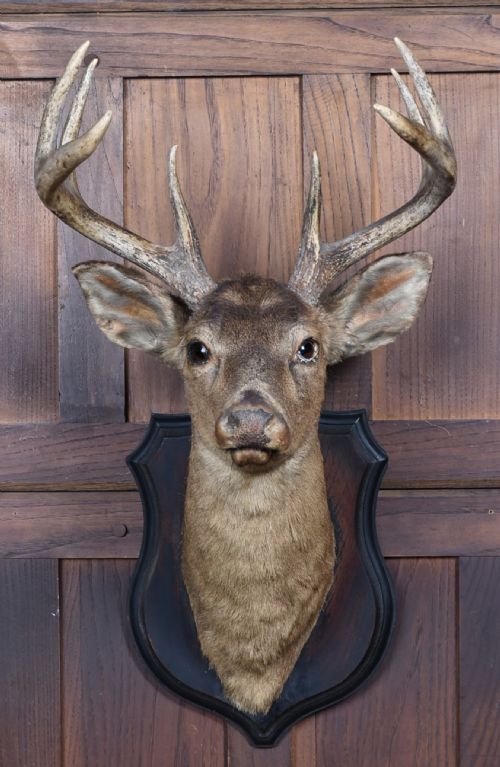
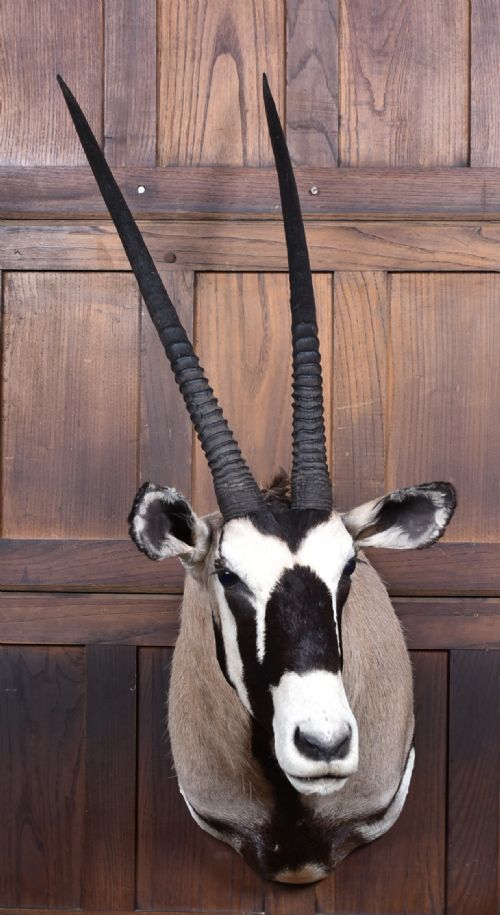
When searching for a mounted taxidermy head, a buyer encounters wall sculptures, taxidermy mounts, and horn trophies spanning the nineteenth and twentieth centuries. These pieces encompass deer, stags, antelopes, and carnivores, reflecting historical hunting practices and natural history collections.
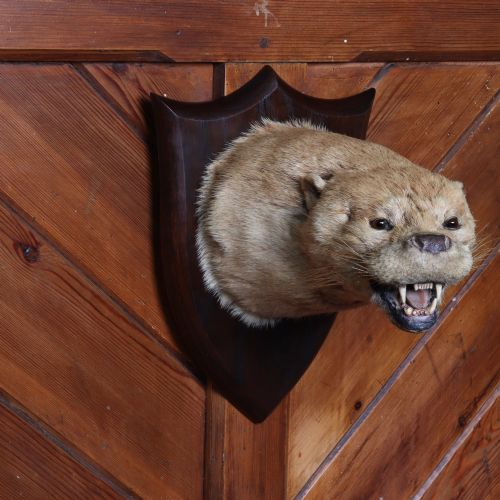
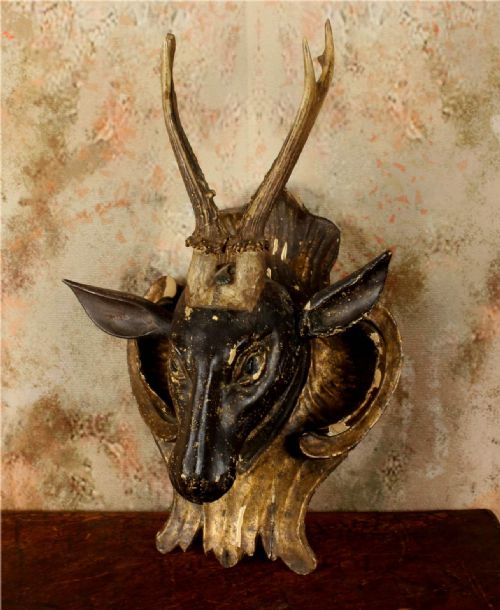
The selection ranges from Victorian and Edwardian works to Highland lodge styles and Black Forest carvings. Stag and deer heads dominate the current listings, alongside foxes, buffalo, and exotic antelopes.
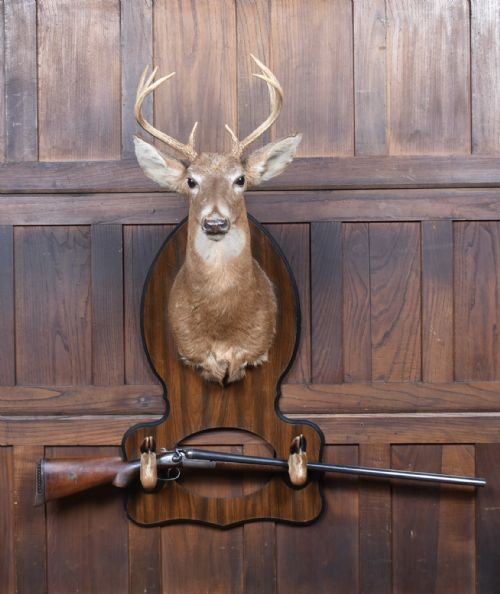
Originating from British, European, and African traditions, these mounts serve as striking wall decor. They appear on carved wooden shields, oak panels, or simply ready for wall hanging.
Materials and construction
Taxidermists utilised natural hide, fur, and original bone or antler, often mounting the specimens upon carved oak shields and wooden backings. Glass eyes brought realism back to the preserved animals, while specialised taxidermy techniques ensured the skin adhered securely to internal forms.
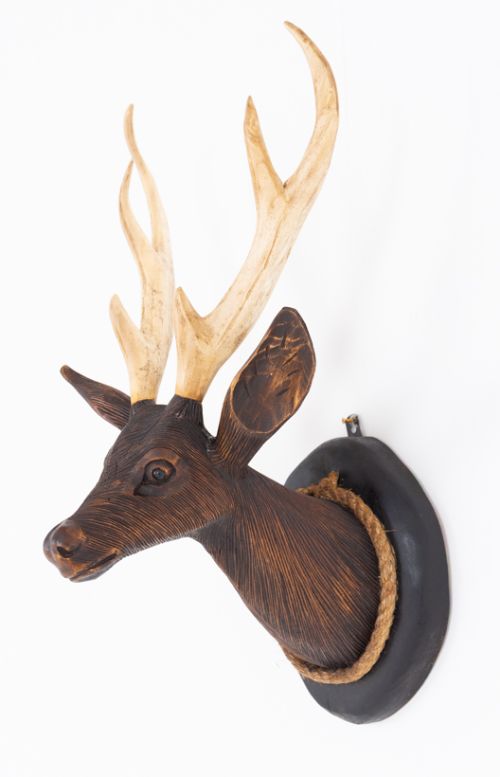
Makers integrated natural materials such as horn and wood to build sturdy wall mounts and inkstands. Carved wooden folk art variants demonstrate alternative craftsmanship using carved timber in place of traditional hide.
Listings feature items dated across the nineteenth century, nineteen-ten, nineteen-twenty, and nineteen-thirty, utilising glass, oak, antler, and natural hide.
Assessing quality
Quality rests upon the skill of the taxidermist in capturing anatomical accuracy and lifelike expression in the preserved specimen. The preservation of the natural hide and the stability of the mounting shield dictate the longevity and visual impact of the piece.
Works attributed to known practitioners command distinct interest due to superior execution and documented provenance. The complexity of the subject, such as multi-point antlers or exotic species, further separates standard trophies from exceptional pieces.
Peter Spicer and Sons·Edward Gerrard and Sons
The Mounted Taxidermy Head Glossary
- Taxidermy mount
- The art of preserving and displaying an animal's hide over a lifelike form for exhibition. These pieces range from small mammal masks to large big game trophies.
- Black Forest style
- A tradition of ornate wood carving originating from central Europe, frequently depicting forest animals and foliage. Pieces in this style often feature intricately carved wooden shields and animal heads.
- Folk art
- Utilitarian or decorative items created by self-taught makers using traditional local methods. In this category, it describes hand-carved wooden deer heads and antler trophies.
- Mask
- A taxidermy term for the head and facial portion of an animal, commonly used for foxes and smaller game. These are frequently mounted on wooden shields for wall display.
Mounted Taxidermy Head: Frequently Asked Questions
What periods do these pieces date from?
The available selection spans from the nineteenth century through the Edwardian era and into the mid-twentieth century. Victorian and Edwardian examples represent the height of traditional natural history collecting.
Dates are deduced from stylistic cues, taxidermy methods, and occasional maker signatures on the reverse of the shields. Most listings cluster around nineteen-ten to nineteen-thirty.
How do I care for antique taxidermy?
Keep mounted specimens away from direct sunlight and damp environments to protect the natural hide and fur. Gentle dusting with a soft brush maintains the surface without damaging delicate hairs.
Stable room temperatures prevent the hide and wooden shields from drying out or cracking over time. Avoid using chemical cleaners on the taxidermy hide.
What is the difference between taxidermy and faux pieces?
Traditional taxidermy utilises the actual preserved hide, fur, and natural horns or antlers of an animal. These historical pieces carry the marks and methods of nineteenth and twentieth-century workshops.
Faux versions utilise alternative manufactured materials like resin, plastic, or hand-painted props created for film sets or modern decor. The listings here focus primarily on period natural history specimens.