



Antique Taxidermy Head
These antique taxidermy head examples bring dramatic natural history and historic hunting lodge character into modern interiors through preserved hides, horns and mounted trophies.

Antique Taxidermy Head
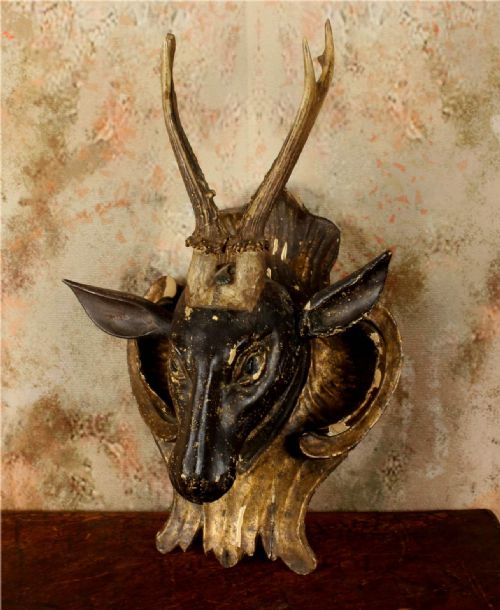
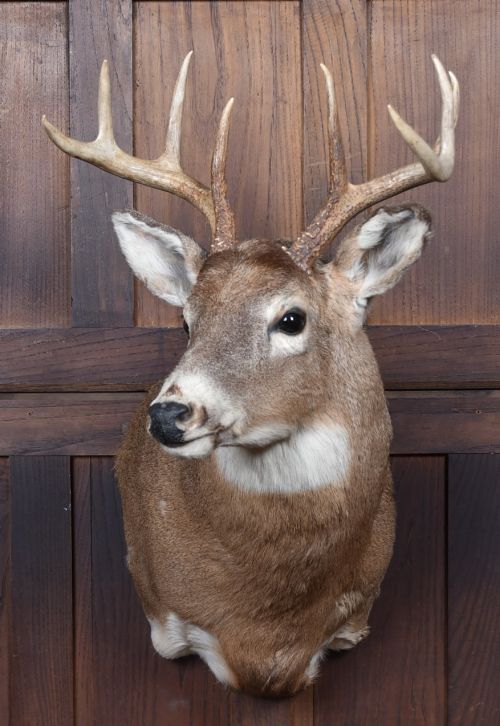
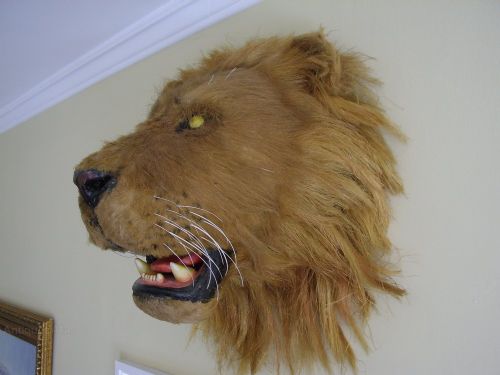
An antique taxidermy head captures natural history and historical sporting traditions through preserved animal specimens mounted for display on walls and architectural surfaces. These pieces range from substantial deer and stag trophies to smaller mammal masks and exotic species.
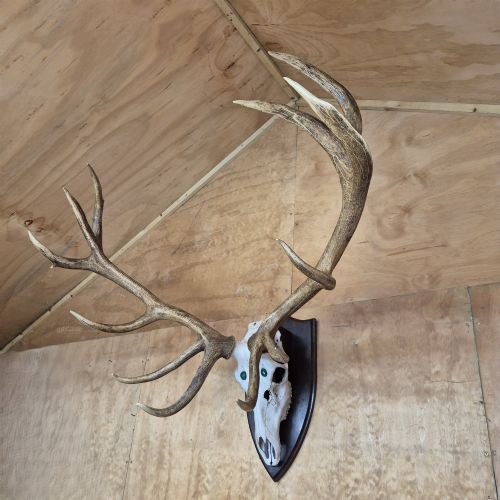
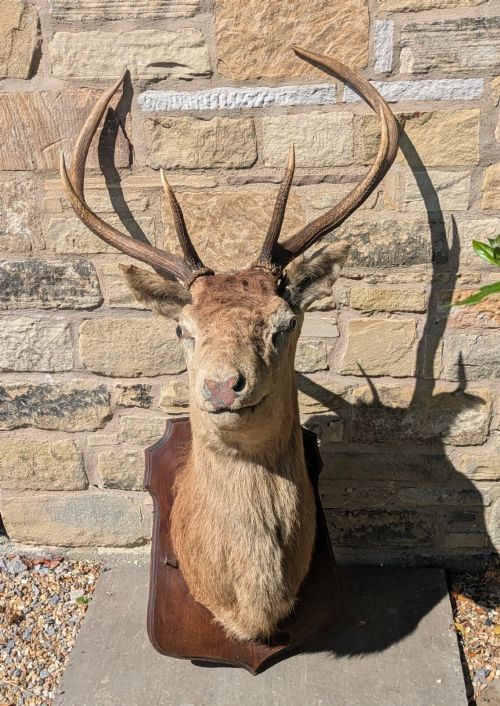
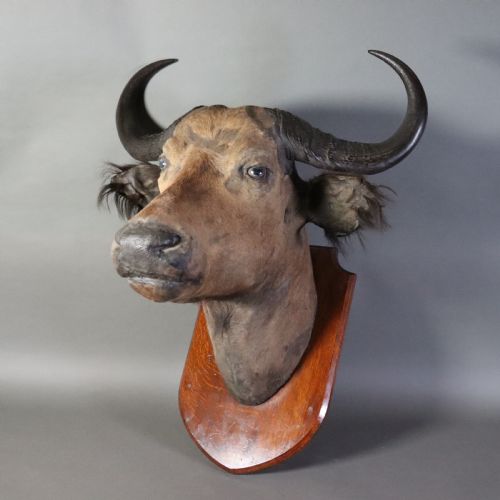
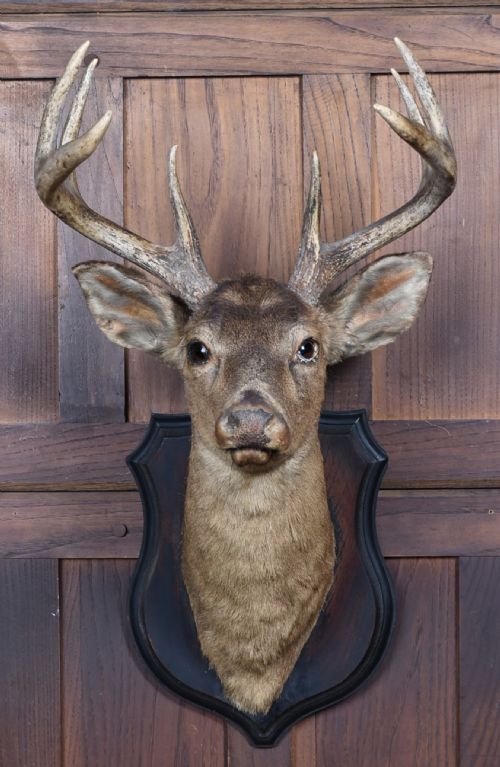
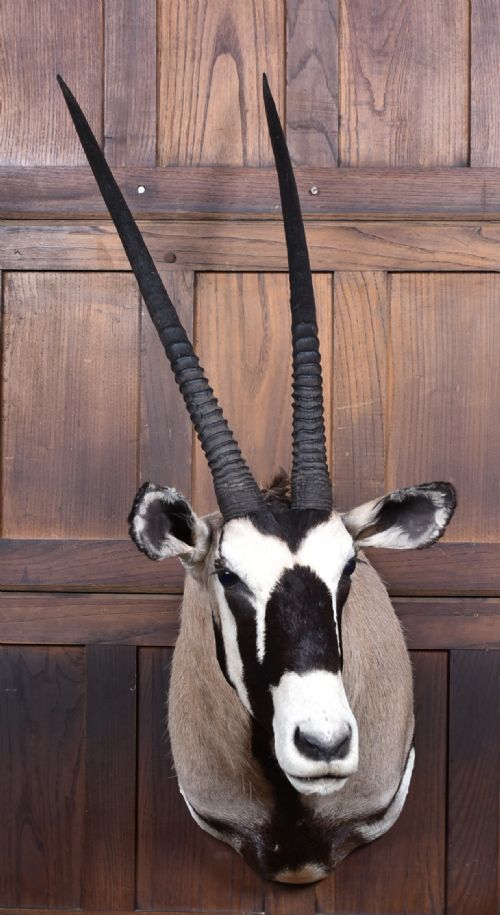
Buyers encounter various forms on this page, most notably Red Deer and roe deer stags, alongside foxes, rams, and larger exotic game such as the Nile Buffalo and Waterbuck. The selection spans the nineteenth century through the Edwardian era and into the early twentieth century.
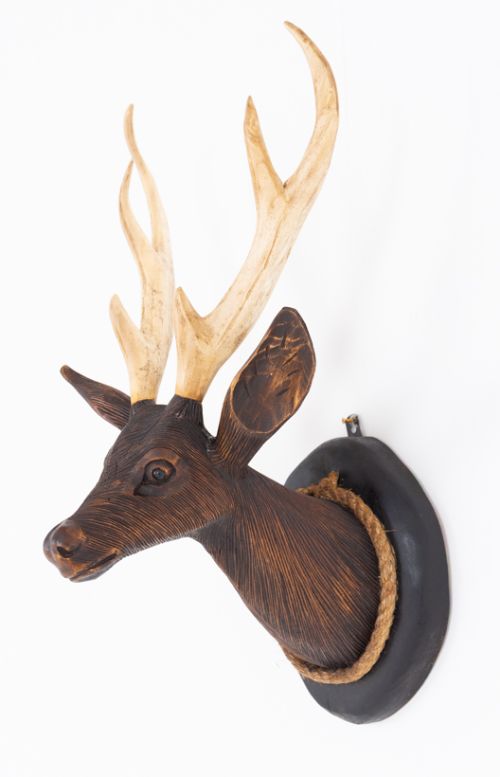
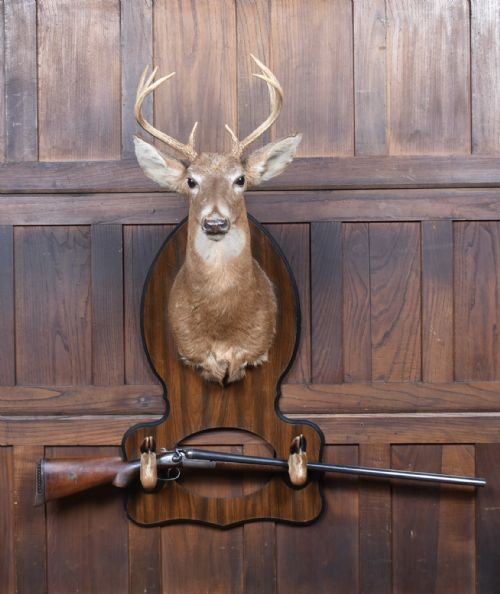
The aesthetic embraces diverse cultural and regional traditions, encompassing Highland Traditional styling, Black Forest carved wood interpretations, and vernacular Folk Art pieces. Many specimens are presented mounted upon carved oak shields or wooden panels designed for wall hanging.
Materials and construction techniques
Taxidermists utilised natural hides, taxidermy hide, and fur stretched over constructed forms, incorporating real antlers, horns, and glass eyes to achieve lifelike expressions. These biological materials were preserved using period chemical treatments to ensure long-term stability.
Mounting boards and shields were fashioned from solid wood, notably oak, frequently embellished with carved details characteristic of Black Forest or folk art traditions. Metal hardware secured the heavy specimens safely to walls and display surfaces.
Listings feature periods from the early nineteenth century through the Edwardian era to the 1950s, employing glass, oak, wood, horn, and taxidermy hide.
Distinctions in quality and execution
Execution and anatomical accuracy set exceptional taxidermy apart from standard commercial work, with master practitioners capturing the authentic musculature and alert posture of the living animal. The quality of the original taxidermist's modelling determines whether a mount retains its natural expression over time.
The associated woodwork, such as intricately carved oak shields or Black Forest foliate panels, reflects the artistic ambition of the piece. Well-documented attribution to renowned workshops elevates a specimen's historical significance within the collector market.
Peter Spicer & Sons·Edward Gerrard & Sons·Gerrard & Sons London·Peter Spicer
The Antique Taxidermy Head Glossary
- Taxidermy mount
- The preserved skin of an animal mounted over a form to simulate life. These specimens serve primarily as decorative wall sculptures and trophies.
- Mask
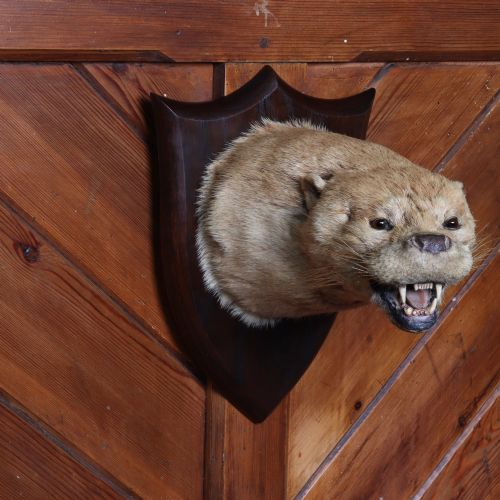
- The head and neck portion of an animal preserved as a compact taxidermy display. Foxes and otters frequently appear in this format.
- Black Forest style
- Carved wooden decoration originating from the woodworking traditions of central Europe. This style often incorporates naturalistic foliage and wildlife motifs.
- Folk art
- Utilitarian or decorative objects created by self-taught or vernacular makers. These pieces often employ non-traditional materials or naïve carving techniques.
- Shield
- A shaped wooden plaque designed to support and display animal antlers or heads. Oak is a common timber used for these mountings.
Antique Taxidermy Head: Frequently Asked Questions
How do I hang a heavy taxidermy head?
These wall sculptures require secure attachment directly into wall studs or solid masonry using heavy-duty fixings rated for substantial weights. The wooden backing shields typically feature integrated metal loops or brackets designed to bear the load safely.
Professional installation is strongly recommended for larger specimens such as stags and exotic game heads. Ensuring the weight is distributed properly protects both the historic mount and the wall structure.
What periods do these taxidermy mounts come from?
The pieces span the nineteenth century, the Edwardian period, and the early decades of the twentieth century. Specific dates recorded in the evidence range from the early 1800s through to the 1950s.
Victorian and Edwardian examples represent the height of natural history collecting and domestic trophy display. Later twentieth-century pieces continue these traditional taxidermy methods.
How should I care for antique taxidermy?
Keep mounted specimens away from direct sunlight, damp environments, and extreme temperature fluctuations to prevent the natural hide and fur from drying out or degrading. Gentle dusting with a soft brush maintains the surface without disturbing delicate hair or feathers.
Avoid chemical cleaning products on both the taxidermy hide and the wooden shields. Maintaining stable room conditions preserves the structural integrity of the historic materials.
What is a point on deer antlers?
A point refers to an individual tine branching off the main antler beam of a deer or stag. Counting these points helps describe the size and maturity of the trophy.
Larger configurations, such as twelve-point sets, indicate significant age and development of the animal. Collectors often look at point counts to evaluate the impressiveness of a mounted head.