

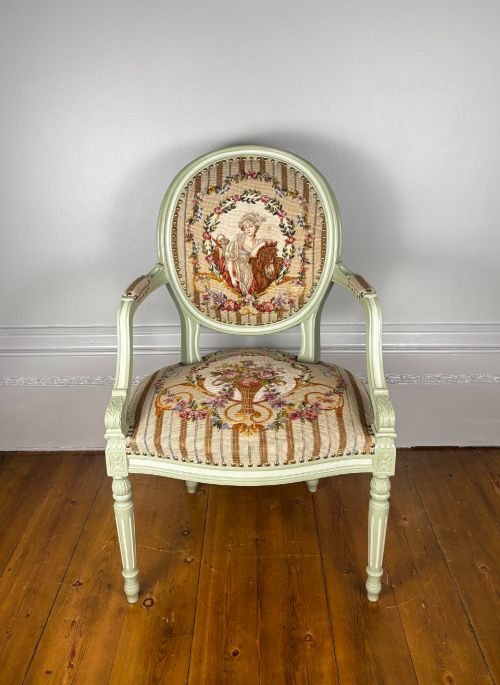
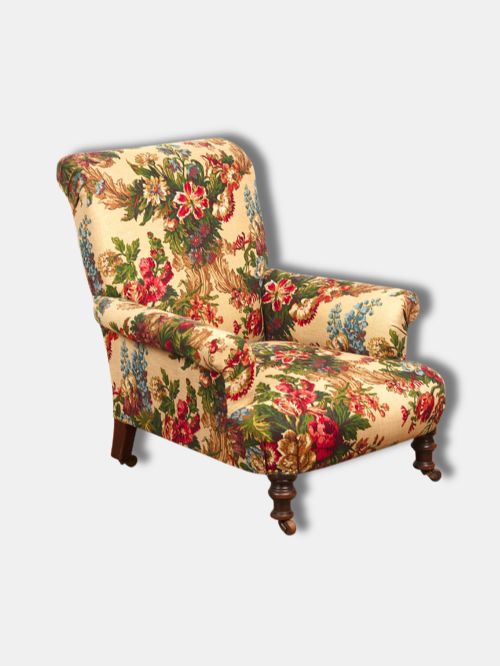
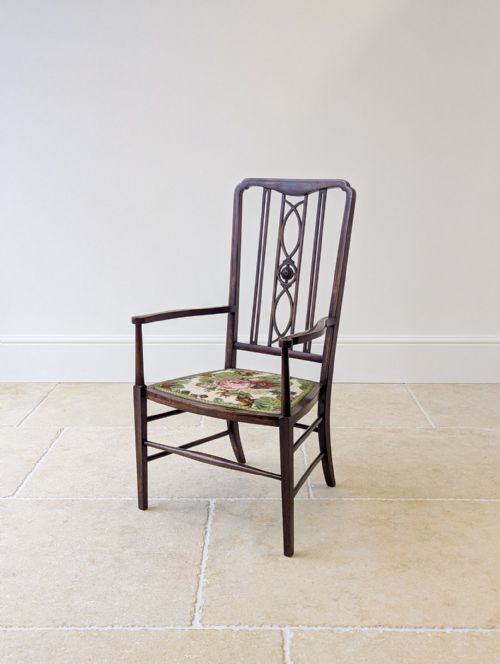
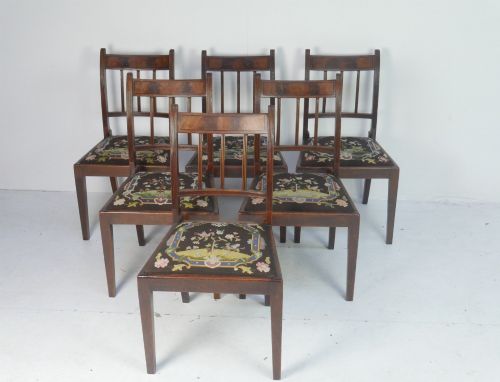
Antique Tapestried Chair
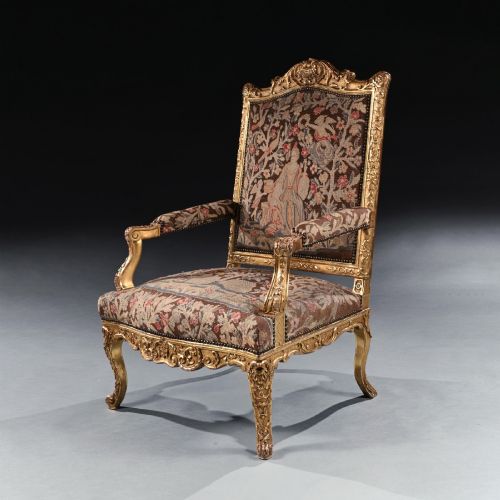
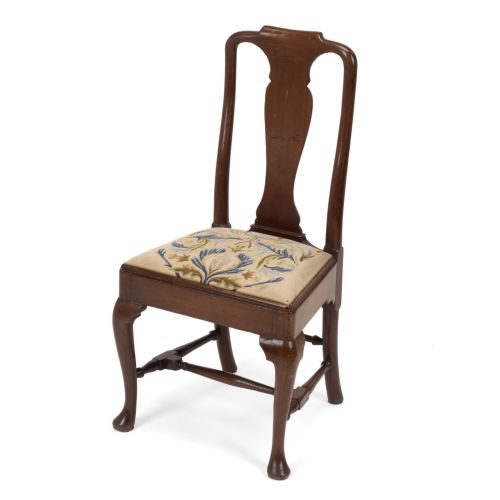
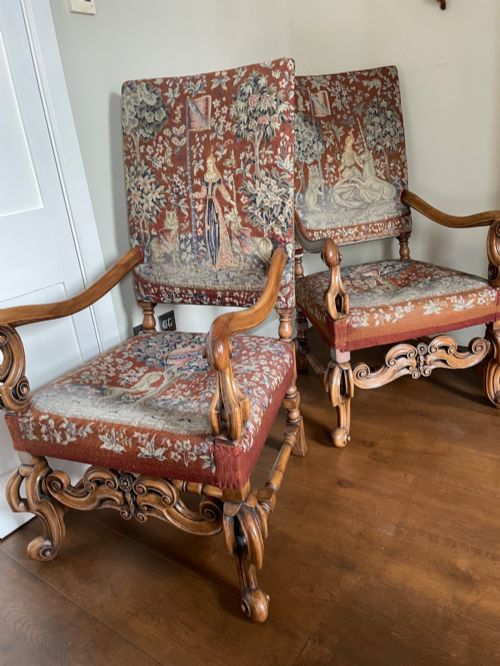
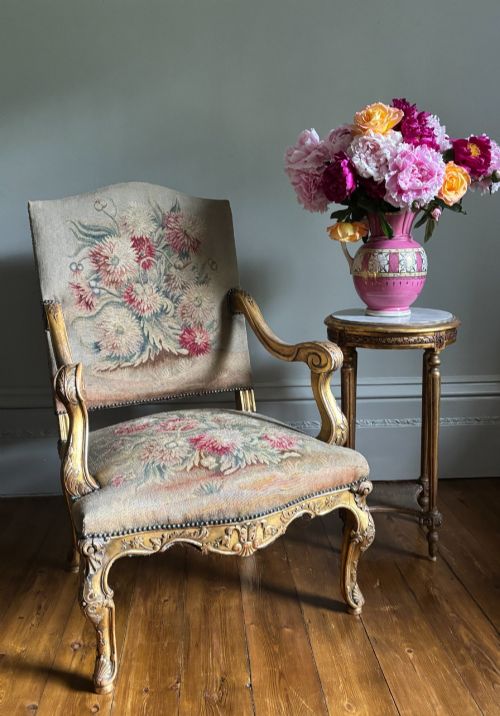
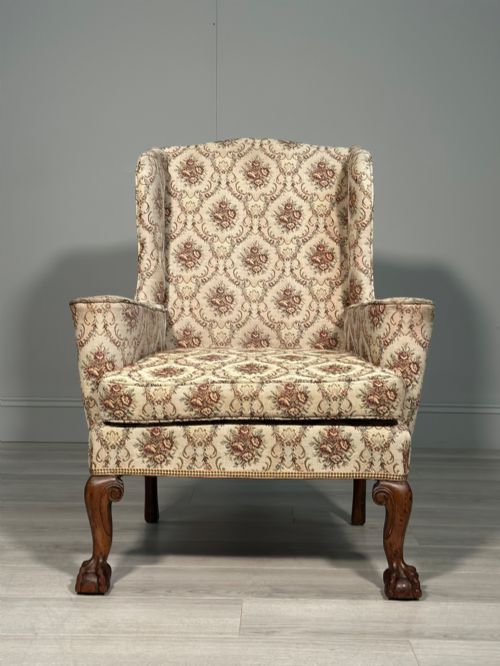
An antique tapestried chair brings texture and historic character to a room, offering tactile woven upholstery set within a period timber frame.
Antique Tapestried Chair
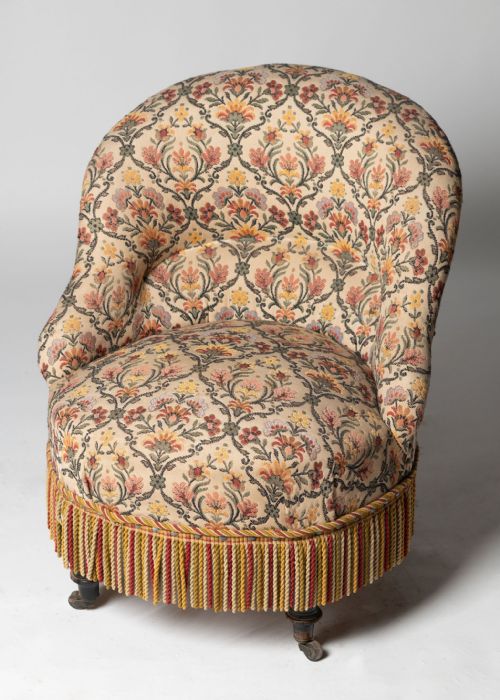
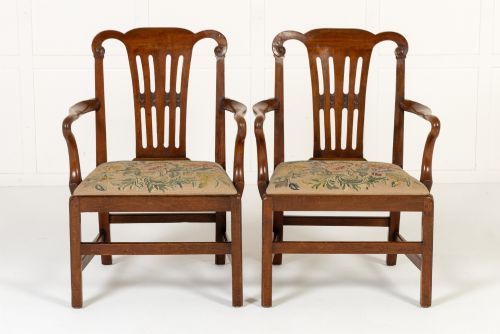
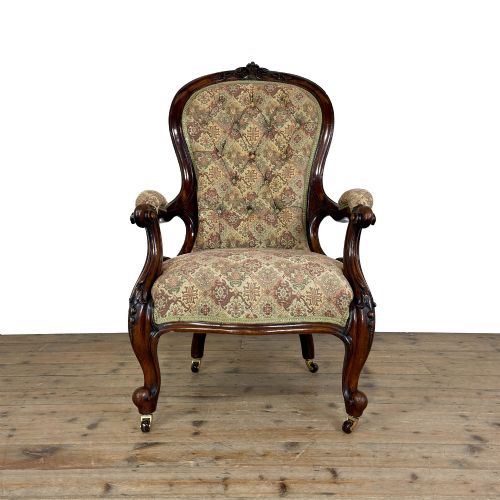
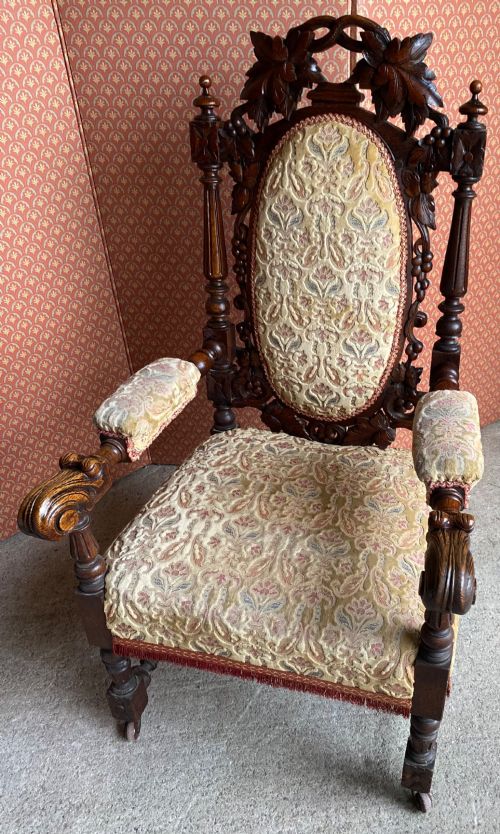
When searching for an antique tapestried chair, buyers encounter seating designed for various domestic rooms, ranging from grand salon armchairs to single desk or occasional chairs. The pieces span multiple centuries, with 19th-century interpretations and 18th-century originals appearing frequently across the selection.
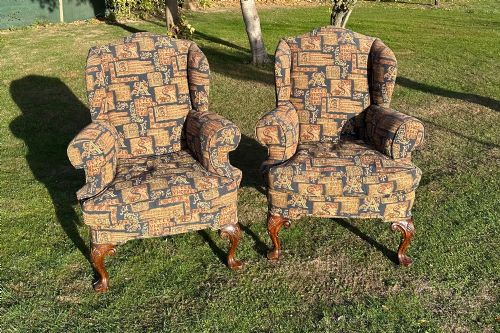
The primary forms include large open armchairs, wingback seats, and matched sets of dining chairs. Frames originate from both English and French workshops, utilising woods such as mahogany, walnut, and oak to support the needlework or textile covers.
Materials and construction methods
Makers built the structural frameworks using hardwoods including mahogany, walnut, oak, and beech, often applying carved details or gilt finishes to French and English seating. Joinery methods relied on traditional pinned mortise and tenon joints to ensure stability.
Upholstery involved hand-stitched tapestry, needlework, or woven textile fabrics fixed over stuffing materials. Frames occasionally incorporated inlay, parcel gilding, or ebonised surfaces to complement the decorative textile seats and backs.
Antique Tapestried Chair Retail Price Guide 2026
Typical asking prices for tapestried chair among the pieces listed under this phrase on Sellingantiques today, from the lower quarter to the upper quarter. They describe what is for sale here now, not the wider market.
Listings feature antique tapestried chairs spanning from the 17th century through the Edwardian period, utilising mahogany, walnut, oak, and beech frames.
Evaluating craftsmanship and execution
Quality reveals itself in the crispness of the frame carving and the density of the timber. Finer examples display deeply sculpted woodwork and robust structural integrity within the legs and arm supports.
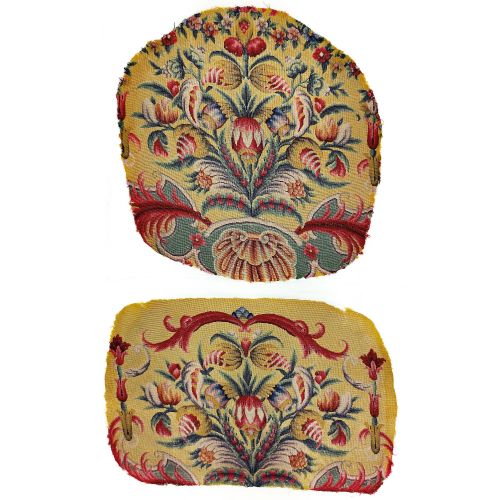
The execution of the tapestry or needlework cover also dictates the grade of the piece, with finely detailed hand-woven textile panels distinguishing higher-tier examples from simpler fabric-covered seating.
Warings
The Antique Tapestried Chair Glossary
- Armchair
- A seat fitted with side supports for the arms, often built as an armchair, elbow chair, or open armchair. These forms provide formal or comfortable seating depending on the period.
- Tapestry
- A form of heavy textile featuring woven designs, frequently utilised as upholstery on chair backs and seats. Needlework and similar needle-woven panels also fall into this category.
- Mahogany
- A durable tropical hardwood favoured by cabinetmakers for its rich grain and strength. It appears widely across 18th-century and 19th-century furniture frames.
- Fauteuil
- An open-framed upholstered armchair of French origin, typically featuring exposed wood around the arms and back. These chairs date from various periods including the Louis styles.
- Wingback
- An armchair featuring protective side panels attached to the backrest to deflect draughts. This form appears in both 18th-century and Victorian iterations.
Antique Tapestried Chair: Frequently Asked Questions
How do I identify the period of an antique tapestried chair?
Dating relies on examining the timber species, construction joinery, and the stylistic cues of the carved wooden frame. Cabinetmakers of different eras utilised distinct design vocabularies, such as Georgian curves or Victorian revival details.
Secondary indicators include the method of upholstery attachment and the wear patterns on the wooden feet and armrests. Comparing these structural elements to documented pieces helps narrow down the decade of production.
Were tapestried chairs used in dining rooms or parlours?
Chairs with tapestry upholstery served multiple domestic functions depending on their specific form and proportions. Dining chairs and elbow chairs furnished formal eating spaces, while larger armchairs and low salon seats furnished morning rooms and drawing rooms.
Open armchairs and desk chairs were placed in libraries or studies for reading and writing. The presence of open arms or wingbacks typically denotes a seat intended for relaxation rather than dining.
What is the difference between a French and English antique armchair?
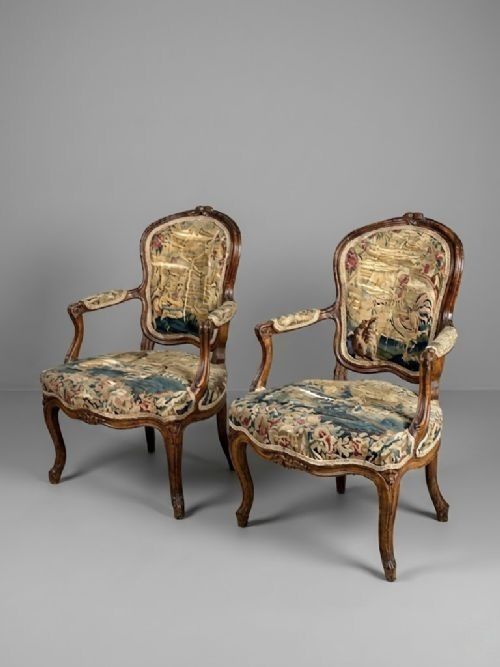
French armchairs often display lighter frames with curved cabriole legs, giltwood finishes, or painted surfaces reflecting courtly design influences. English equivalents tend to feature denser hardwoods like mahogany and walnut with more restrained structural lines.
Upholstery styles also differ, with French pieces frequently utilising Aubusson tapestries or elaborate needlework in revival styles. English versions often favour traditional needlepoint or heavy woven textiles matching regional cabinetmaking traditions.
How should I care for antique tapestry upholstery?
Preserving woven textile upholstery requires protecting the fabric from direct sunlight to prevent fading of the wool and silk threads. Gentle vacuuming through a mesh screen removes surface dust without catching loose fibres.
Maintaining stable room humidity prevents the underlying wooden frames from drying out or cracking. Avoiding harsh chemical cleaners ensures the historic textile fibres remain intact over time.