



Antique Tansu Chest
An antique tansu chest is a sturdy Japanese storage piece built for practical living, prized by collectors for its clever joinery and heavy iron hardware.
Antique Tansu Chest
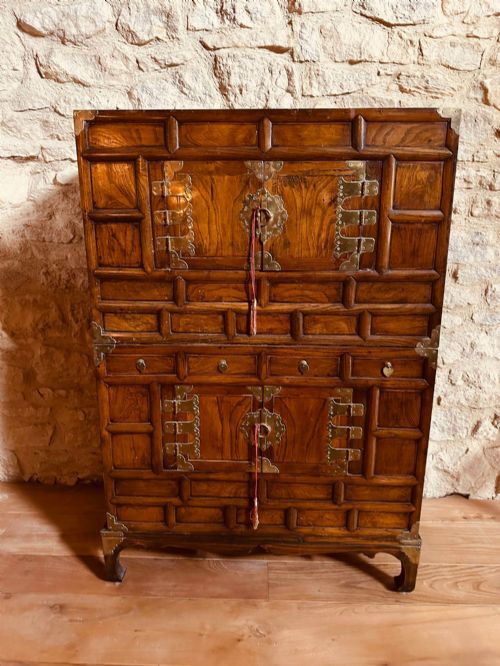
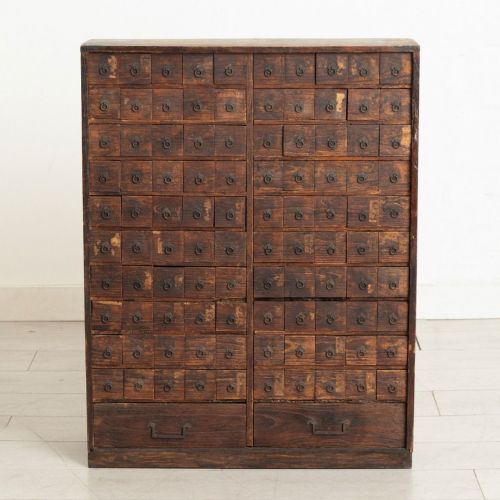
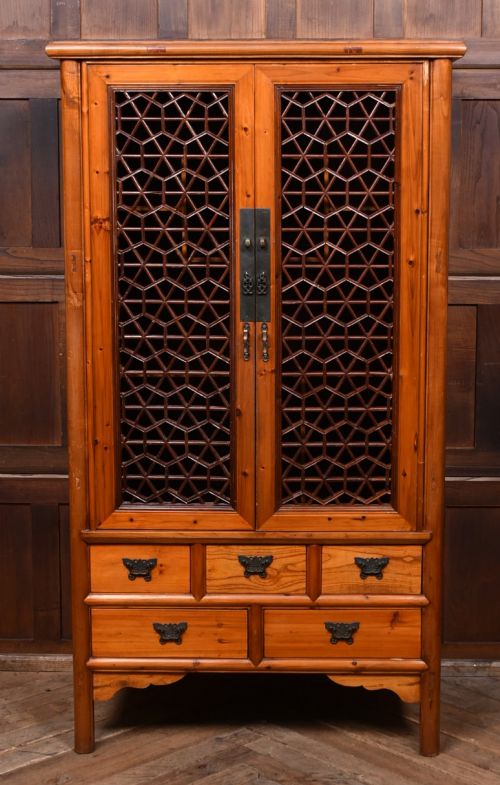
When you search for an antique tansu chest, you find traditional Japanese storage furniture originating from the nineteenth century through the early decades of the twentieth century. These pieces encompass specialised forms such as wheeled wheeled kuruma-dansu, kitchen mizuya cabinets, apothecary banks of drawers, and stair-like kaidan tansu.
The versions you are most likely to meet on this page span the Meiji and Taisho periods, reflecting domestic and commercial uses across Japan. They range from compact money boxes and ship chests to multi-tiered larder cupboards built for daily utility.
How they were made
Maker construction relies on native timbers including cedar, pine, elm, chestnut, and keyaki wood, often paired with contrasting iron reinforcement. Forged iron fittings secure the corners and drawers, providing both structural strength and visual contrast against the natural or red lacquered wood surfaces.
Joinery techniques prioritize durability without nails, allowing the timber to expand and contract with seasonal humidity changes. Lacquer finishes protect the wood while highlighting the grain, particularly on pieces designated for merchant or kitchen use.
Antique Tansu Chest Retail Price Guide 2026
Typical asking prices for tansu chest among the pieces listed under this phrase on Sellingantiques today, from the lower quarter to the upper quarter. They describe what is for sale here now, not the wider market.
Materials documented across the inventory include cedar, pine, elm, chestnut, lacquer, and forged iron.
What varies in quality
Quality differences emerge in the complexity of the internal configuration and the intricacy of the forged iron hardware. Simpler storage boxes contrast with elaborate merchant chests and wheeled models featuring numerous hidden compartments and heavy drop handles.
The choice of primary wood also distinguishes the range, with dense hardwoods and fragrant cedar commanding attention alongside simpler pine and elm constructions. Preserved surface finishes and intact original locking mechanisms elevate the standing of individual examples.
The Antique Tansu Chest Glossary
- Tansu
- Traditional Japanese mobile storage cabinetry and chests built for domestic or mercantile utility. These units often feature sliding doors and internal drawers.
- Kuruma-Dansu
- A wheeled Japanese chest designed for rapid transport of valuables during fires or emergencies. The wheels sit beneath a heavy timber frame.
- Mizuya
- A Japanese kitchen tansu used for storing food, utensils, and provisions. These cabinets typically combine sliding panels and small drawers.
- Kaidan Tansu
- A step chest constructed in a staircase configuration to save floor space in multi-level traditional Japanese homes. Each step doubles as a drawer or compartment.
- Zenibako
- A small Japanese money box utilised by merchants for secure coin storage. These compact wooden boxes feature slot openings and reinforced corners.
Antique Tansu Chest: Frequently Asked Questions
How were tansu chests used?
These pieces served as functional storage furniture in Japanese homes and businesses, holding garments, documents, provisions, and money.
Specialised variants adapted to specific trades, from merchant ledgers to kitchen utensils and apothecary items.
How do I tell tansu types apart?
Form follows function in these pieces, so visual cues reveal their original purpose. Wheeled models have undercarriages, while step chests form a staircase profile.
Kitchen units feature slatted or sliding panels, and merchant chests prioritize secure drawer arrangements.
What woods were used for tansu?
Construction timber includes native Japanese species such as cedar, elm, pine, chestnut, and keyaki wood. Cedar and keyaki appear frequently in finer examples.
Iron hardware reinforces the wooden frames and protects corners from heavy daily handling.
How do I live with a tansu chest?
These substantial pieces anchor a room as focal storage furniture or low sideboards. Their deep drawers and compartments suit modern organizational needs.
Position them away from direct heat sources to protect the historic timber and iron fittings.