

Antique Tall Tables
These antique tall tables offer elevated surfaces for lamps, plants, and bedside storage across Victorian, Edwardian, and Georgian periods.
Antique Tall Tables
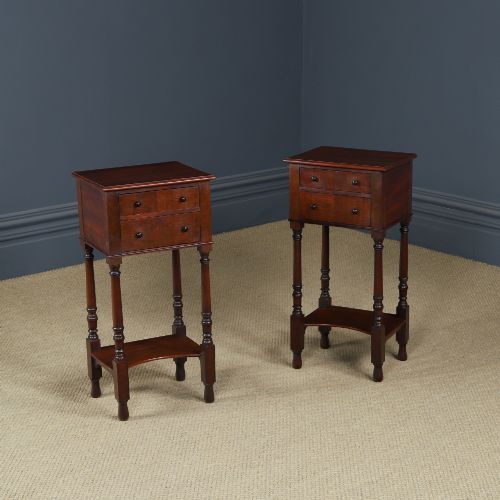
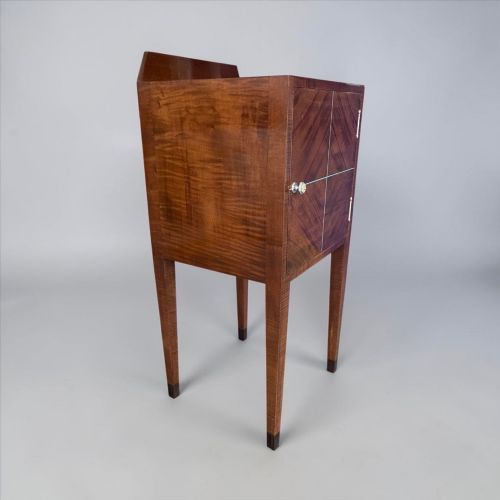
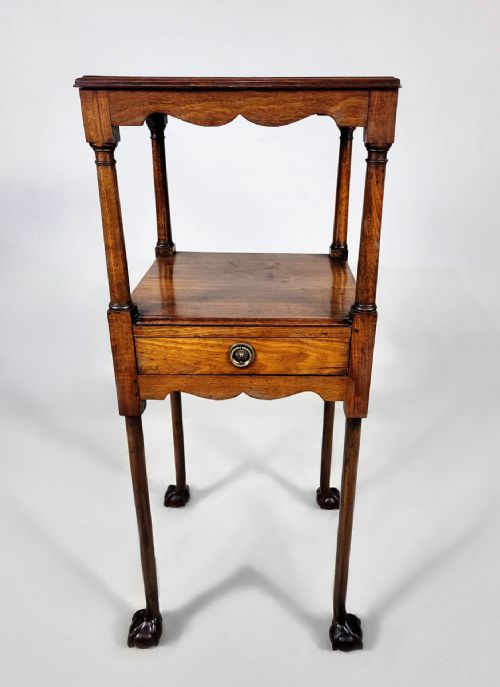
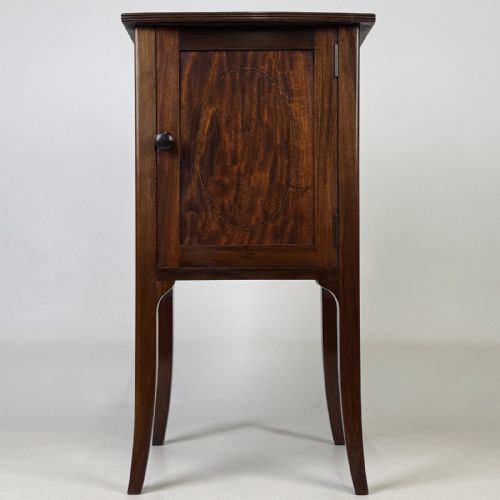
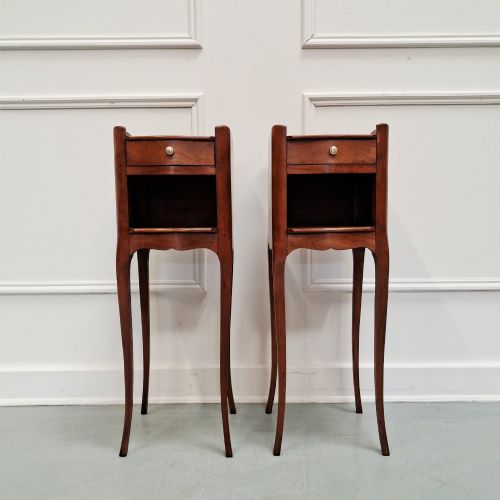
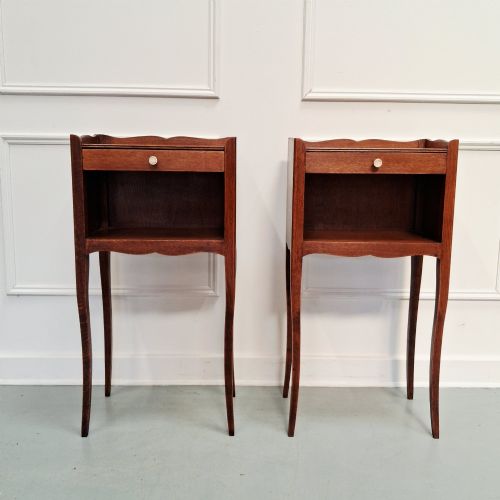
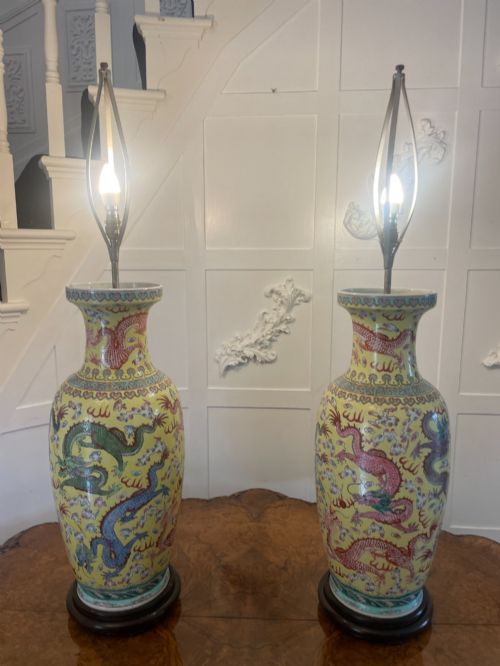
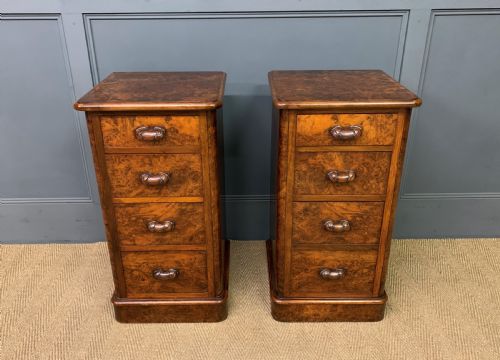
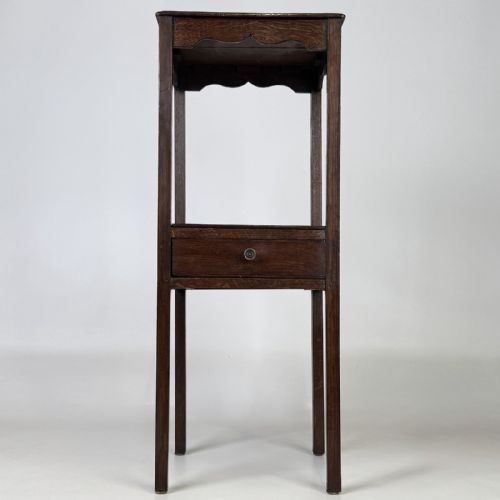
When searching for antique tall tables, buyers encounter a variety of elevated furniture forms including plant stands, bedside chests, lamp tables, and small side tables. These pieces span the Georgian, Victorian, and Edwardian eras, alongside pieces from the nineteen-twenties and nineteen-thirties.
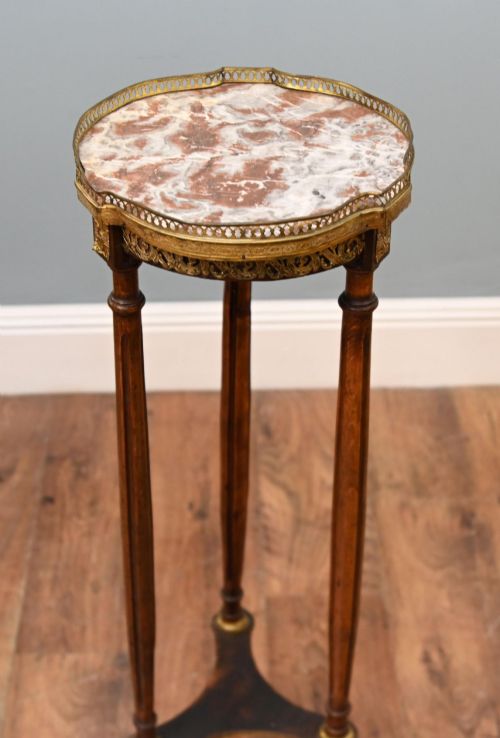
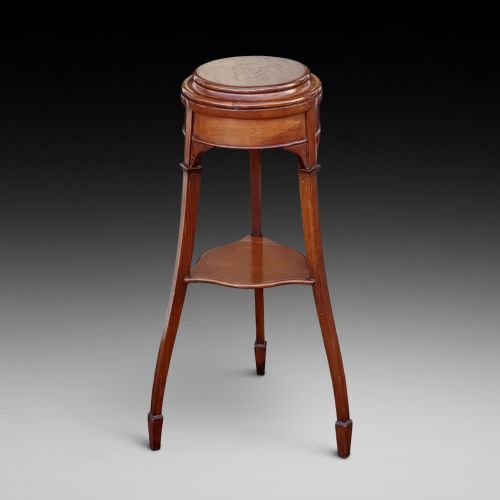
Plant stands and jardiniere stands dominate the taller forms, often featuring slender proportions and lower shelves for display. Bedside tables and cabinets provide enclosed storage or open surfaces at a practical height next to a bed.
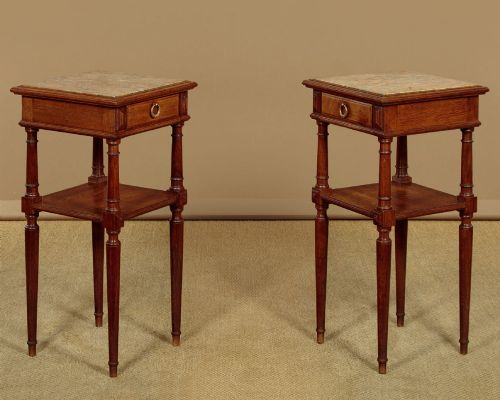
Edwardian mahogany and oak versions appear frequently alongside Victorian and Georgian examples. Materials range from traditional English hardwoods to exotic rosewood, satinwood, and oriental hardwoods with marble tops.
Materials and construction
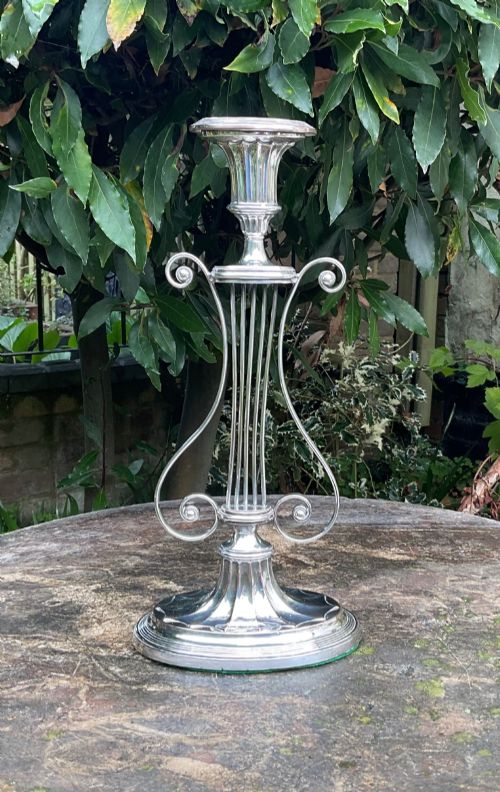
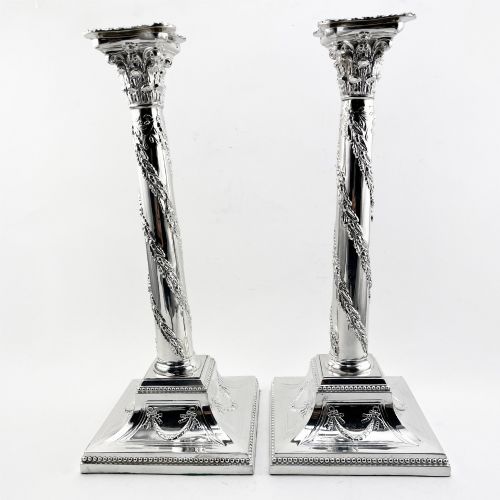
Cabinet makers utilised solid timbers like mahogany, oak, and rosewood for structural integrity, often incorporating satinwood for decorative inlay work. Brass and bronze appear in structural elements, hardware, and tall candlesticks.
Construction techniques include tapered legs, multi-tiered shelving, and integrated drawers with dovetail joints. Surface treatments involve polished wood finishes, lacquering for Chinoiserie pieces, and carved or turned wooden supports.
Antique Tall Tables Retail Price Guide 2026
Typical asking prices for tall tables among the pieces listed under this phrase on Sellingantiques today, from the lower quarter to the upper quarter. They describe what is for sale here now, not the wider market.
A miniature grandfather clock sits proudly on a table, offering grand timekeeping in miniature.
Distinctions in craftsmanship
The standard of a tall table depends upon the selection of timber grain, the precision of marquetry inlay, and the structural rigidity of narrow legs. Pieces with balanced proportions and original hardware command greater appreciation.
Subtle details such as hand-cut joints, well-fitted drawers, and intact marble inserts separate standard utilitarian items from finer decorative pieces.
The Antique Tall Tables Glossary
- Jardiniere stand
- A tall decorative stand specifically designed to hold a plant pot or flower bowl. These pieces usually feature a waterproof liner or a raised rim.
- Whatnot
- A piece of open shelving with multiple tiers designed for displaying ornaments or books. George III examples often show intricate joinery and slender upright supports.
- Marquetry
- Decorative veneer work arranged in geometric or pictorial patterns on the surface of furniture. Cabinet makers used contrasting timbers like satinwood and mahogany to achieve this effect.
- Ormolu
- Gilded bronze mounts applied to furniture for decorative accent. This technique appears frequently on French side lockers and cabinets.
- Duplex burner
- A double-wick oil lamp mechanism used on nineteenth-century lighting pieces. It provided a brighter illumination than single-wick burners.
Antique Tall Tables: Frequently Asked Questions
What rooms suit antique tall tables?
Bedside tables and compact chests fit neatly beside sleeping quarters furniture, holding reading lamps and night essentials. Taller plant stands and lamp tables occupy corners or hallways to add vertical interest and display space.
Their elevated surfaces draw the eye upward without occupying significant floor space. This makes them practical additions to both spacious reception rooms and compact interiors.
How do I identify Edwardian plant stands?
Edwardian plant stands frequently combine mahogany or oak with inlaid satinwood details and tapered legs. They often incorporate lower shelves designed to steady the tall frame and hold additional items.
Many pieces from this period exhibit Arts and Crafts influences through exposed joinery and simpler geometric lines. Comparing the timber grain and construction methods helps distinguish them from later reproductions.
Were these tables used as bedside cabinets?
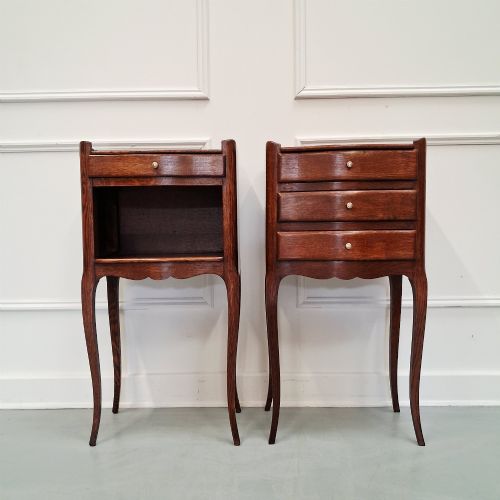
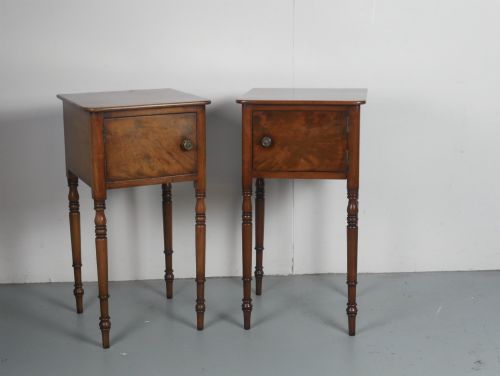
Many tall side tables and small chests served dual purposes as bedside storage and lamp placement surfaces. Enclosed cabinets kept night-time necessities out of sight while maintaining a compact footprint.
Pairs of these chests often indicate matching bedroom furnishings from the Victorian and Edwardian periods. Their height accommodated the elevated mattress levels typical of those eras.
How are marble top stands maintained?
Marble surfaces require gentle cleaning with mild soap and water to preserve the polished stone finish. Avoiding acidic substances prevents etching on softer marble varieties found on oriental and European stands.
Checking the fit of the marble insert within its wooden frame ensures the stone remains secure. Proper weight distribution prevents stress on the supporting wooden rails beneath.