

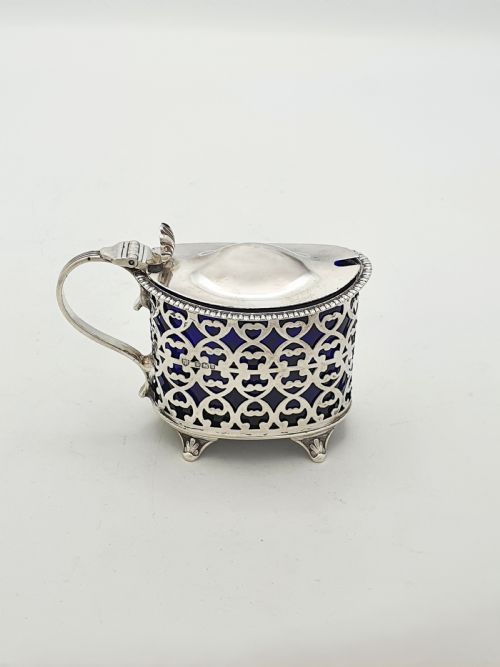


Antique Tableware Condiment Dish
An antique tableware condiment dish brings period craftsmanship to the table through small silver and glass vessels designed for salt, mustard, and preserves.
Antique Tableware Condiment Dish
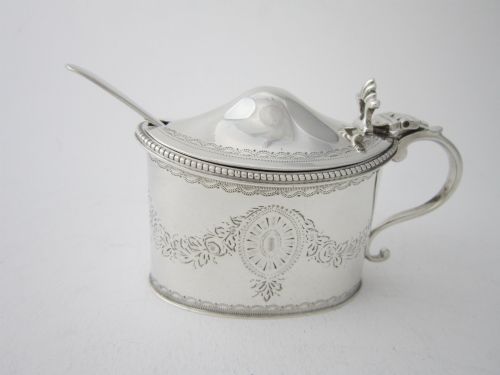
An antique tableware condiment dish encompasses small functional vessels such as salt cellars, mustard pots, butter dishes, jam pots, and relish caddies. These pieces appear across multiple eras, including the eighteenth century, the Victorian and Edwardian periods, and the Art Deco era.
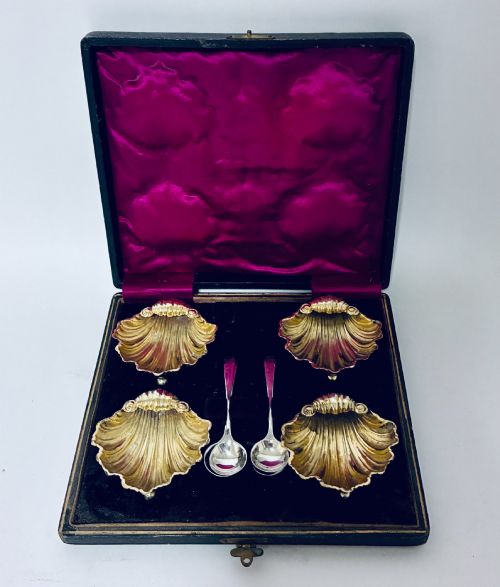
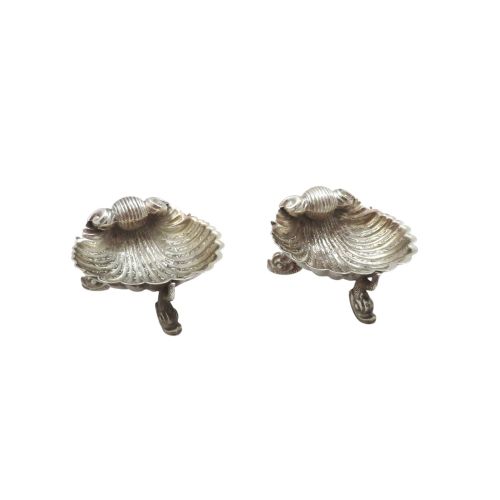
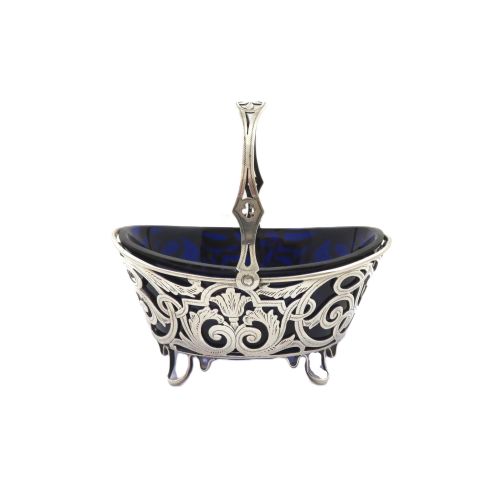
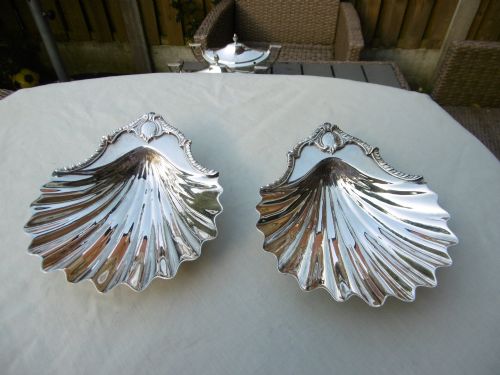
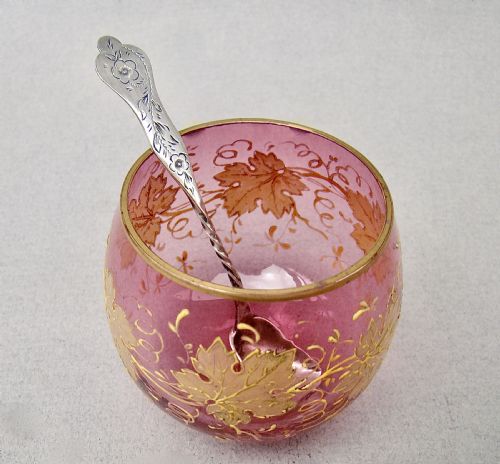
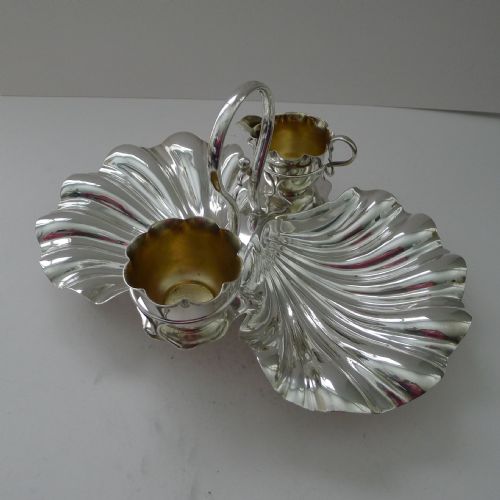
The version most commonly encountered on this page is the silver salt cellar or mustard pot, frequently paired with a coloured glass liner in cobalt or cranberry. Specialised forms like butter shells, preserve stands, and novelty animal designs also feature regularly among the listings.
Materials and technique
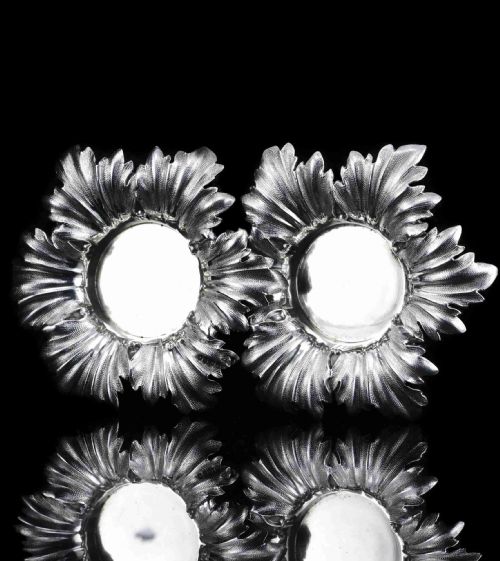
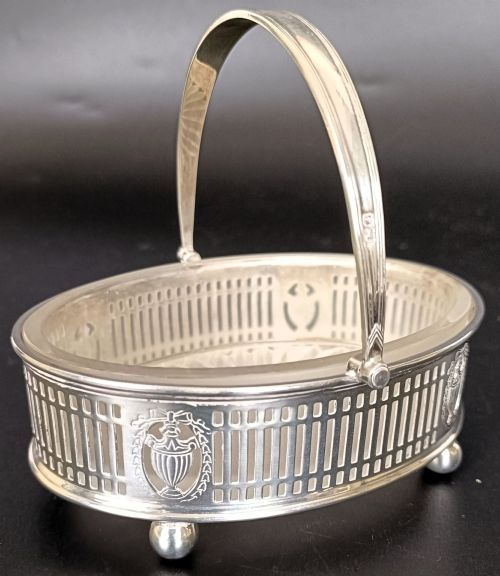
The construction of these pieces relies on combinations of sterling silver, silver plate, and various forms of glass including cut glass, crystal, and coloured wares. Metalwork techniques involve casting, piercing, and chased foliate ornamentation applied to mustard pots, baskets, and condiment stands.
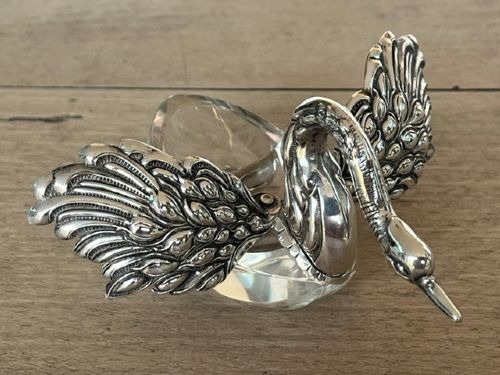
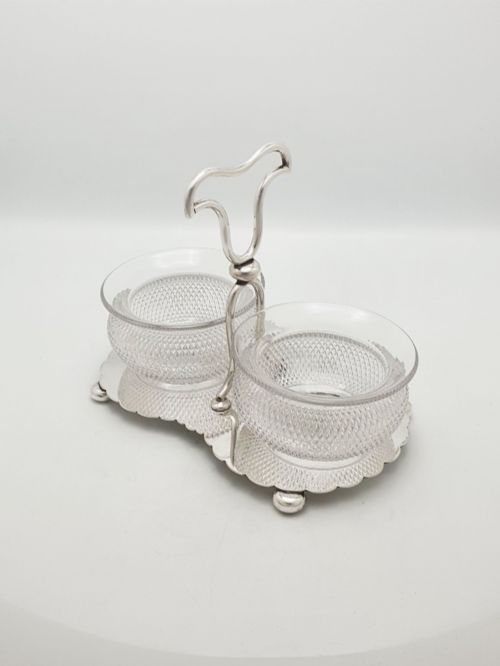
Glass liners are blown or moulded to fit metal frames precisely, as seen in swan-shaped salts and open salt cellars. Makers utilise silver plating alongside solid silver construction to achieve durable domestic tableware.
Antique Tableware Condiment Dish Retail Price Guide 2026
Typical asking prices for tableware condiment dish among the pieces listed under this phrase on Sellingantiques today, from the lower quarter to the upper quarter. They describe what is for sale here now, not the wider market.
Several silver birds guard the table, taking the form of swimming swans, perched eagles, and hinged-winged novelties holding salt.
Assessing the pieces
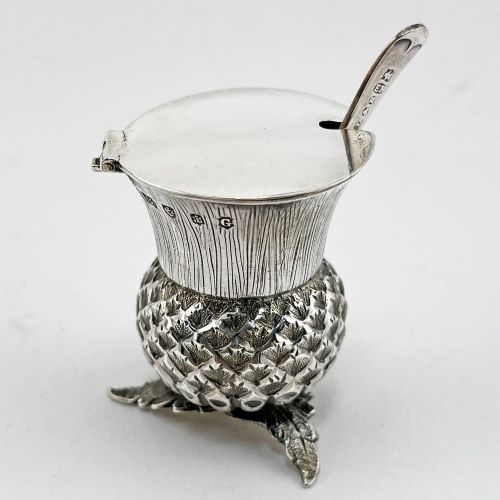
Quality rests in the crispness of the chased decoration, the weight of the solid silver or plated metal, and the integrity of any glass component. Pieces displaying distinct figural forms, such as thistles or birds, demonstrate greater ambition in design than standard utilitarian shapes.
The presence of matching original glass liners and accompanying spoons elevates the completeness of a condiment set. Maker marks and clear hallmarks also distinguish higher grade workshop production from unmarked commercial output.
William Plummer·Barnards·Daniel Arter·Hukin and Heath
The Antique Tableware Condiment Dish Glossary
- Salt cellar
- A small open bowl or enclosed vessel used to hold salt at the dining table before the invention of the free-flowing salt shaker. These often accommodate removable glass liners in cobalt or cranberry hues.
- Mustard pot
- A small covered container designed for prepared mustard, frequently supplied with a matching spoon and a cut-out lid to accommodate the handle. They appear in solid silver and silver plate.
- Chasing
- A metalworking technique where the artisan hammers the front surface of the metal to raise or depress decorative motifs like foliage without removing material. This adds texture and visual depth to silver condiment dishes.
- Piercing
- The practice of cutting openwork patterns through sheet metal to create lightweight decorative grilles or baskets. It is frequently observed on Victorian mustard pots and sweetmeat dishes.
- Preserve dish
- A small vessel intended for jam, jelly, or fruit preserves, often set on a dedicated silver-plated stand or fitted with a swing handle.
Antique Tableware Condiment Dish: Frequently Asked Questions
What were antique condiment dishes used for?
These vessels held table condiments like salt, mustard, jam, and butter during formal meals. Wealthier households used individual salt cellars placed near each guest.
They allowed diners to serve themselves from small portions before the widespread adoption of modern shakers and jars.
How do I clean antique silver condiment dishes?
Clean solid silver and silver-plated items using a gentle, non-abrasive polish designed specifically for silver. Avoid harsh chemical dips that can strip dark patinas from recessed chased details.
Wash glass liners separately in warm soapy water and dry them completely before reassembling the piece.
Can I use these vintage salt cellars today?
Yes, many collectors use antique salt cellars and mustard pots for their original dining purposes. They work well for serving flaky sea salt, condiments, or small portions of preserves.
Take care to wash them by hand immediately after use, particularly when holding acidic substances like mustard.
How do I identify Victorian salt cellars?
Victorian salt cellars often feature heavy cast or chased silver decoration, including floral motifs, scrolls, and animal forms like birds or shells. Examining the hallmarks provides the exact year of assay and the maker's mark.
Many pieces from this era also incorporate deep cobalt blue or cranberry glass liners.