


Antique Tabletop
These antique tabletop pieces bring functional craft and desktop interest to any surface.
Antique Tabletop
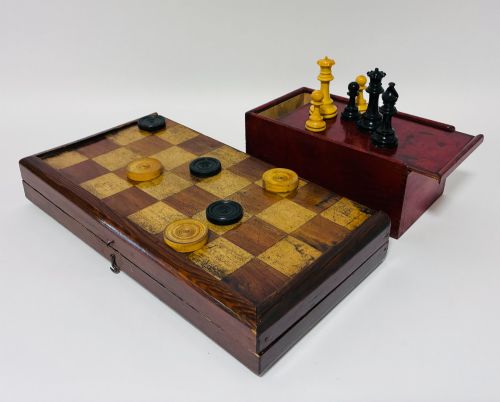
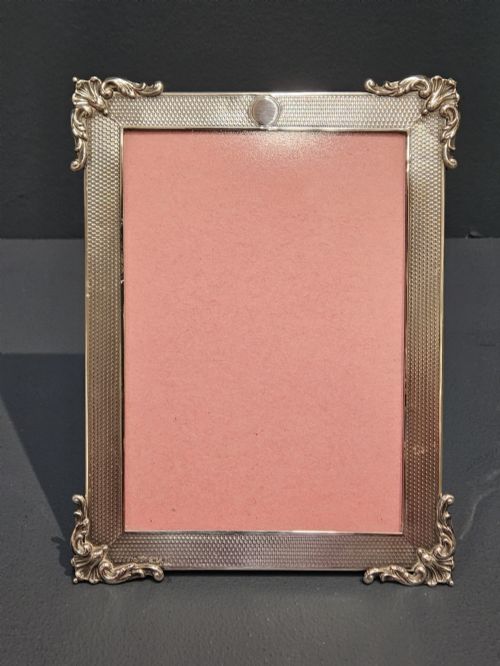
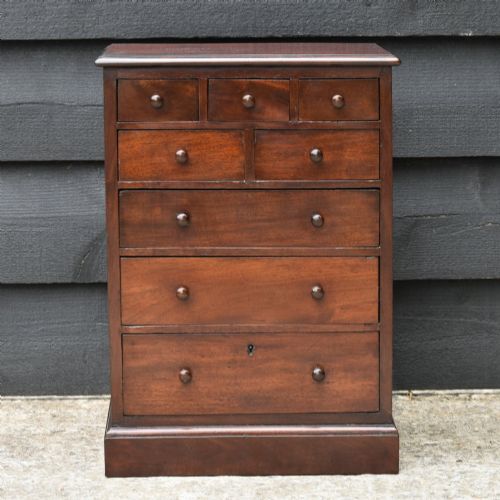
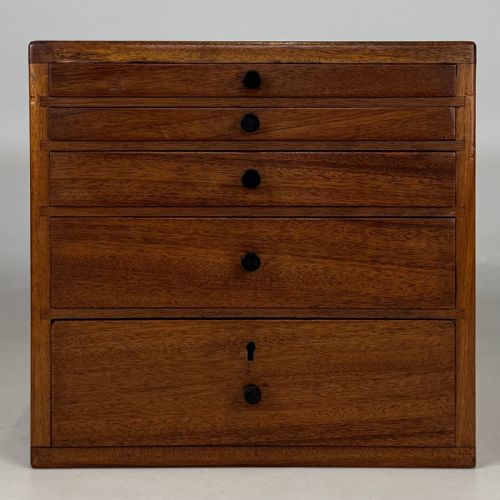
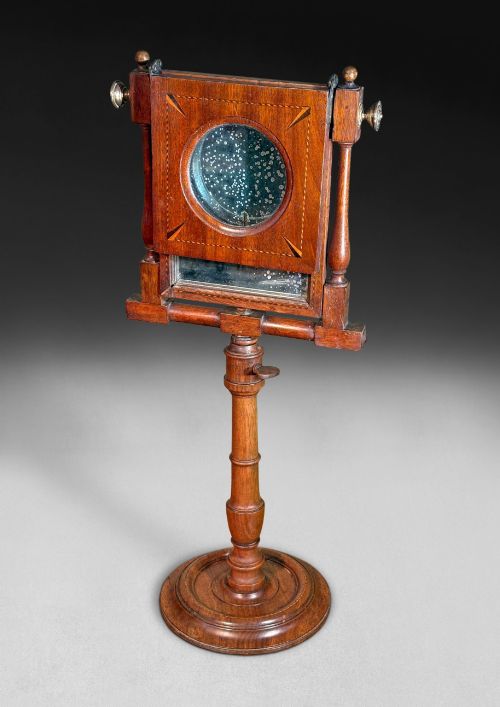
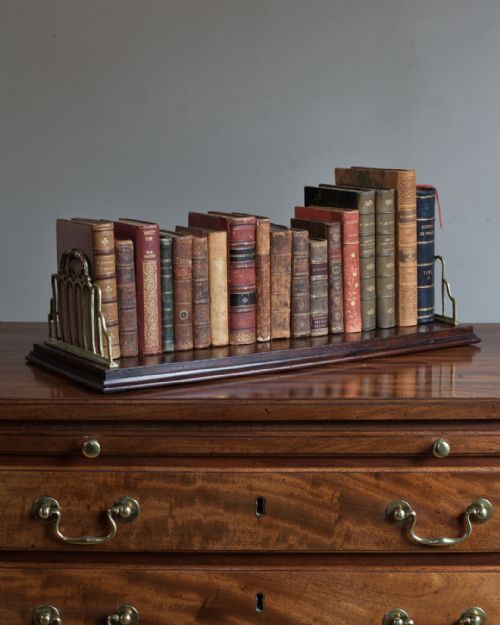
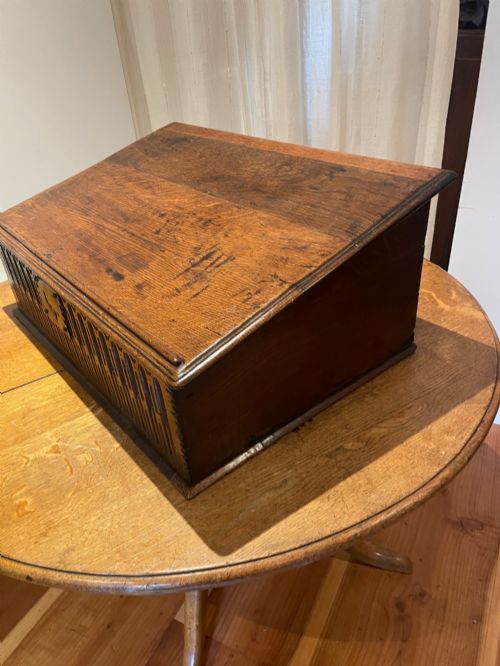
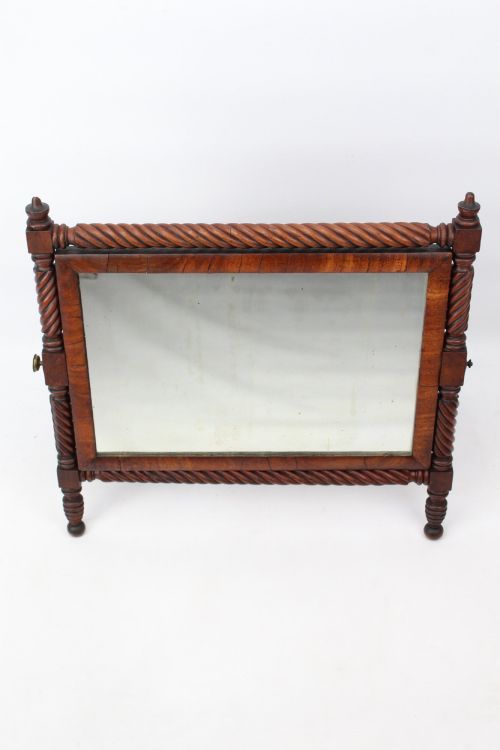
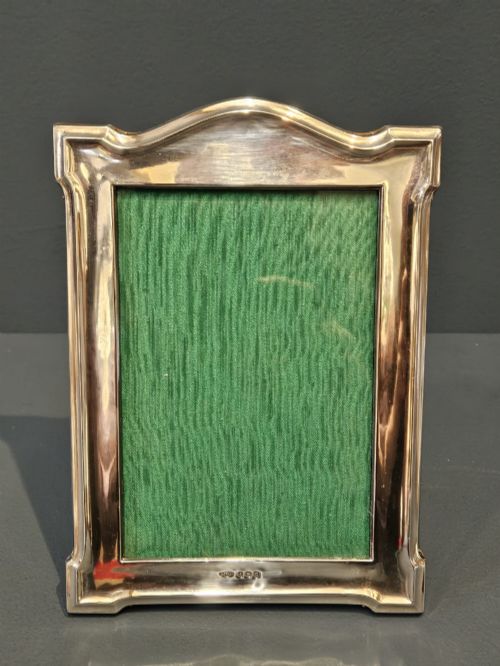
When you search for antique tabletop pieces, you encounter a varied assortment of smaller furnishings, desk accessories, and display items designed to sit upon furniture rather than stand on the floor. The listings here include dressing table mirrors, miniature chests of drawers, games boards, book carriers, and photo frames.
The selection leans heavily toward nineteenth-century examples, with Victorian, Edwardian, and Regency periods well represented alongside earlier pieces from the eighteenth century. Mahogany, oak, brass, and sterling silver dominate the selection, forming compact versions of larger household items.
Miniature furniture, such as apprentice chests of drawers and small display cabinets, sits alongside utilitarian items like book stands, samovars, and spirit kettles. These objects served specific domestic purposes in past households, from personal grooming to desk organisation and parlour games.
Materials and construction
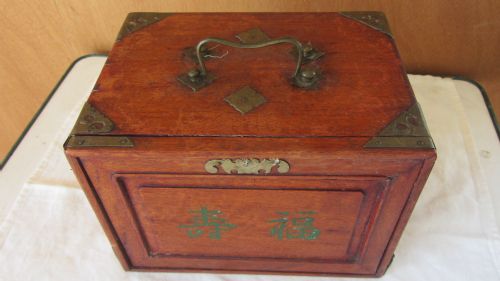
Timber selection dictates much of the construction, with mahogany, oak, walnut, and yew wood utilised across chests, mirrors, and book racks. Cabinetmakers employed traditional joinery techniques to build miniature furniture and display cabinets on a smaller scale, often incorporating carved detail or contrasting boxwood stringing.
Metalworking forms another pillar of production, seen in brass spirit kettles, copper samovars, ormolu candelabra, and cast silver photo frames. Silversmiths and metalworkers shaped these items through casting, hammering, and plating, adding structural hardware and decorative mounts to wooden and glass bodies.
Glass and slate appear in specific items, such as swing mirror plates, pepper grinder inserts, and shave ha'penny boards. Artisans combined these diverse materials with enamel and porcelain panels to create functional tabletop accessories that matched the interior styles of their respective eras.
Antique Tabletop Retail Price Guide 2026
Typical asking prices for tabletop among the pieces listed under this phrase on Sellingantiques today, from the lower quarter to the upper quarter. They describe what is for sale here now, not the wider market.
Materials documented across the catalogue include sterling silver, brass, copper, mahogany, oak, yew, walnut, glass, slate, and porcelain.
Distinctions in quality
Quality rests primarily in the precision of the joinery and the selection of timber veneers. Superior miniature furniture displays dovetail drawers and well-matched wood grains that mirror full-sized cabinetmaking standards rather than hurried toy construction.
Detailing and metal finish separate standard items from finer works. Ormolu mounts, hand-carved wooden flourishes, and crisp hallmarks on sterling silver frames indicate higher workshop standards and greater care by the original maker.
Rosenthal Jacob And Co
The Antique Tabletop Glossary
- Candelabra
- A branched candlestick holder designed to support multiple lights. Examples on tables frequently utilise brass, ormolu, or silver plating.
- Book carrier
- A portable rack or stand designed to hold a selection of volumes upright on a desk or table. They frequently appear in mahogany, oak, or yew wood.
- Spirit kettle
- A water heating vessel mounted on a metal stand above a small burner. Victorian examples in brass or silver allowed tea to stay warm at the table.
- Triptych
- A hinged mirror with three panels, allowing the outer wings to angle inward. This configuration was popular for dressing tables during the Edwardian period.
Antique Tabletop: Frequently Asked Questions
What is an apprentice piece?
An apprentice piece is a small-scale item, such as a miniature chest of drawers, built by a craftsman in training to prove his competence to master artisans. These items demonstrate the same dovetailing and proportion found in full-sized furniture.
Collectors prize them for their meticulous detail and utility as tabletop storage. They offer a window into historic workshop standards.
How were tabletop mirrors used?
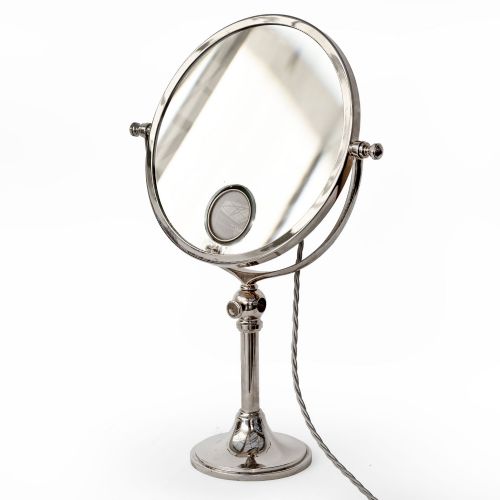
Tabletop mirrors, including dressing mirrors and swing mirrors, sat atop chests of drawers or dressing tables to assist with personal grooming and styling. Their adjustable frames allowed users to alter the angle of the glass.
Many incorporate small drawers at the base for storing jewellery or pins. Mahogany and walnut frames dominated production across the Georgian and Victorian eras.
What materials are common in photo frames?
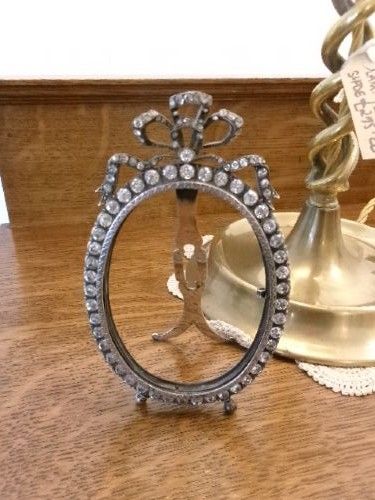
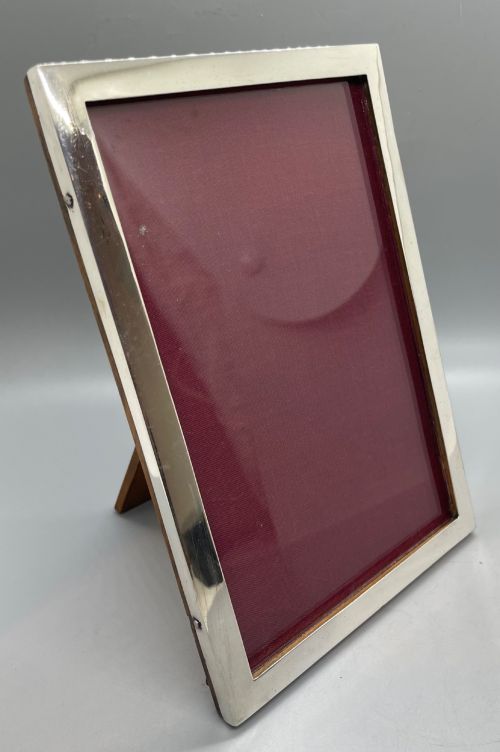
Antique photo frames on table surfaces are frequently fashioned from sterling silver, brass, or carved wood. Silver frames often carry hallmarks indicating the assay office and year of creation.
Wooden frames sometimes feature inlay or easel backs to support them on a desk or mantelpiece. They protected family portraits and cartes de visite in Victorian and Edwardian interiors.
How do I identify a Regency piece?
Regency items display classical influences inspired by ancient Rome, Greece, and Egypt, typically dating from the early nineteenth century. Dark timbers like mahogany and rosewood are common, often accented with brass inlay or carved classical motifs.
Book racks and dressing mirrors from this era prioritise clean architectural lines and balanced proportions. Examining the secondary woods and construction methods helps confirm the period.